
Women’s Health Physiotherapy
Restore pelvic function with women’s health physiotherapy
Whether you’re navigating pregnancy, recovering after birth, managing pelvic floor dysfunction, pain or incontinence, or adapting to changes through perimenopause and menopause, our women’s health-trained physio and osteopath can help you restore strength, improve movement, and regain confidence through personalised treatments tailored to your needs.
Access expert women’s health physiotherapy in London at our Wimbledon Village clinic.
Women’s Health Physiotherapy Prices
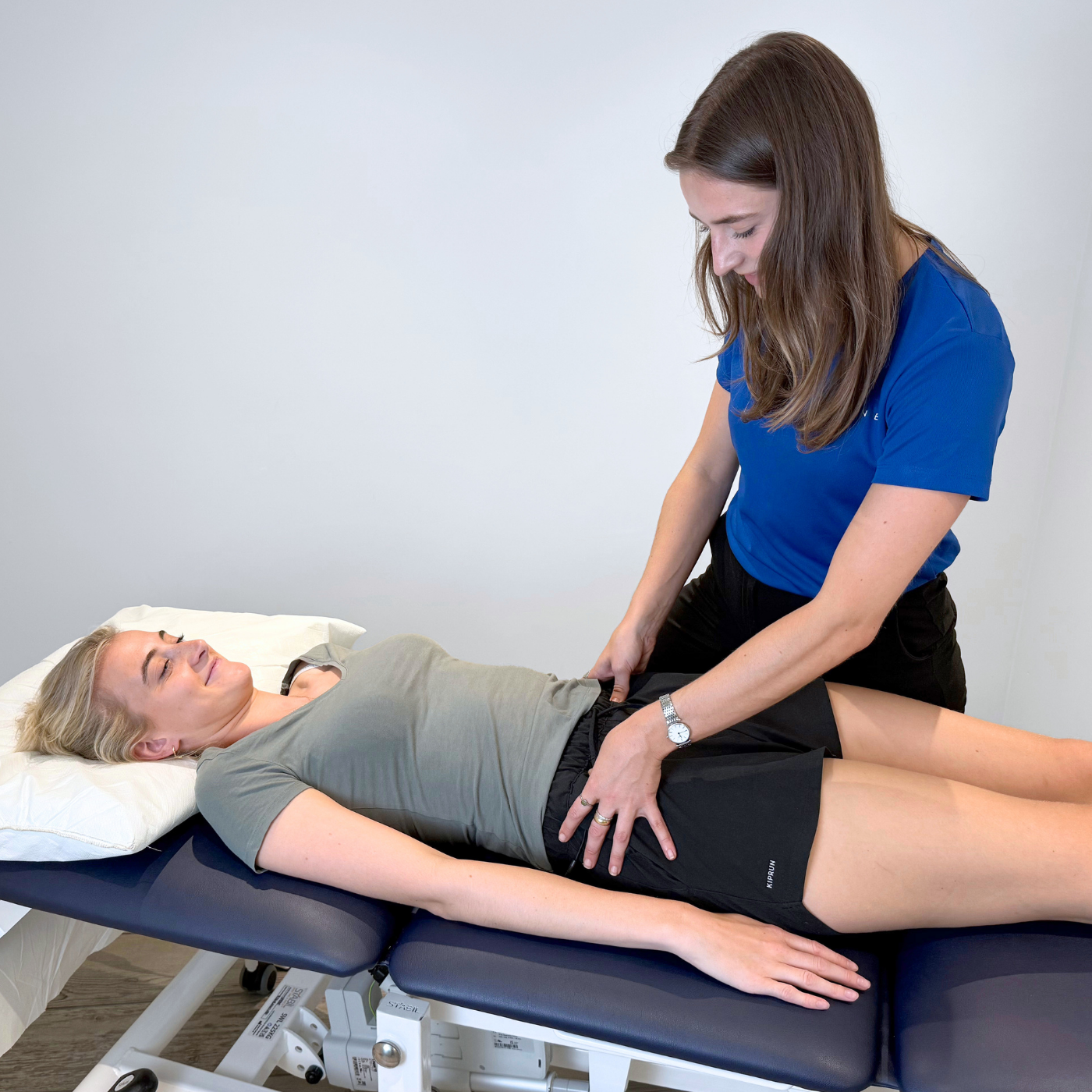
An initial pelvic health physiotherapy assessment provides a thorough, sensitive evaluation of your symptoms, history, and goals. Your physiotherapist will discuss concerns such as pain, bladder or bowel symptoms, pregnancy or postnatal changes, and, where appropriate, assess movement, strength, and pelvic floor function. We will clearly explain any examination and carry it out only with your consent. Where suitable, treatment can begin during the appointment, and you’ll leave with a clear understanding of the problem and a personalised plan for treatment and rehabilitation.
Book treatmentOngoing pelvic health physiotherapy builds on your initial assessment and treatment plan, with each session guided by your symptoms, goals and progress. Your physiotherapist will review pelvic floor function, movement and strength, adapt treatment where needed, and progress exercises or practical strategies to support bladder, bowel, pelvic pain, pregnancy or postnatal concerns. We will always explain any examination or hands-on treatment and carry it out with your consent.
Book treatmentOngoing pelvic health physiotherapy builds on your initial assessment and treatment plan, with each session guided by your symptoms, goals and progress. Your physiotherapist will review pelvic floor function, movement and strength, adapt treatment where needed, and progress exercises or practical strategies to support bladder, bowel, pelvic pain, pregnancy or postnatal concerns.
Book treatmentAccepted health insurance providers





Our approach to women’s pelvic health
Whilst all treatment plans are tailored, our women’s health physiotherapists use three broad phases to help you move forward: first settling irritation, then restoring movement and strength, and finally building the capacity to handle more. Your treatment will adapt as you progress and may include hands-on therapy, tailored exercise rehab plans, postural work, education, and sports massage.
When you need support beyond physiotherapy, we can refer you to other practitioners within the Nordic Balance team, including osteopaths and sports therapists, so your care stays connected.
-
The priority is to help you feel better and move more comfortably as soon as possible. After a detailed 45-minute assessment, your physiotherapist may use hands-on treatment, gentle movement and heat or ice to settle pain and irritation and improve mobility.
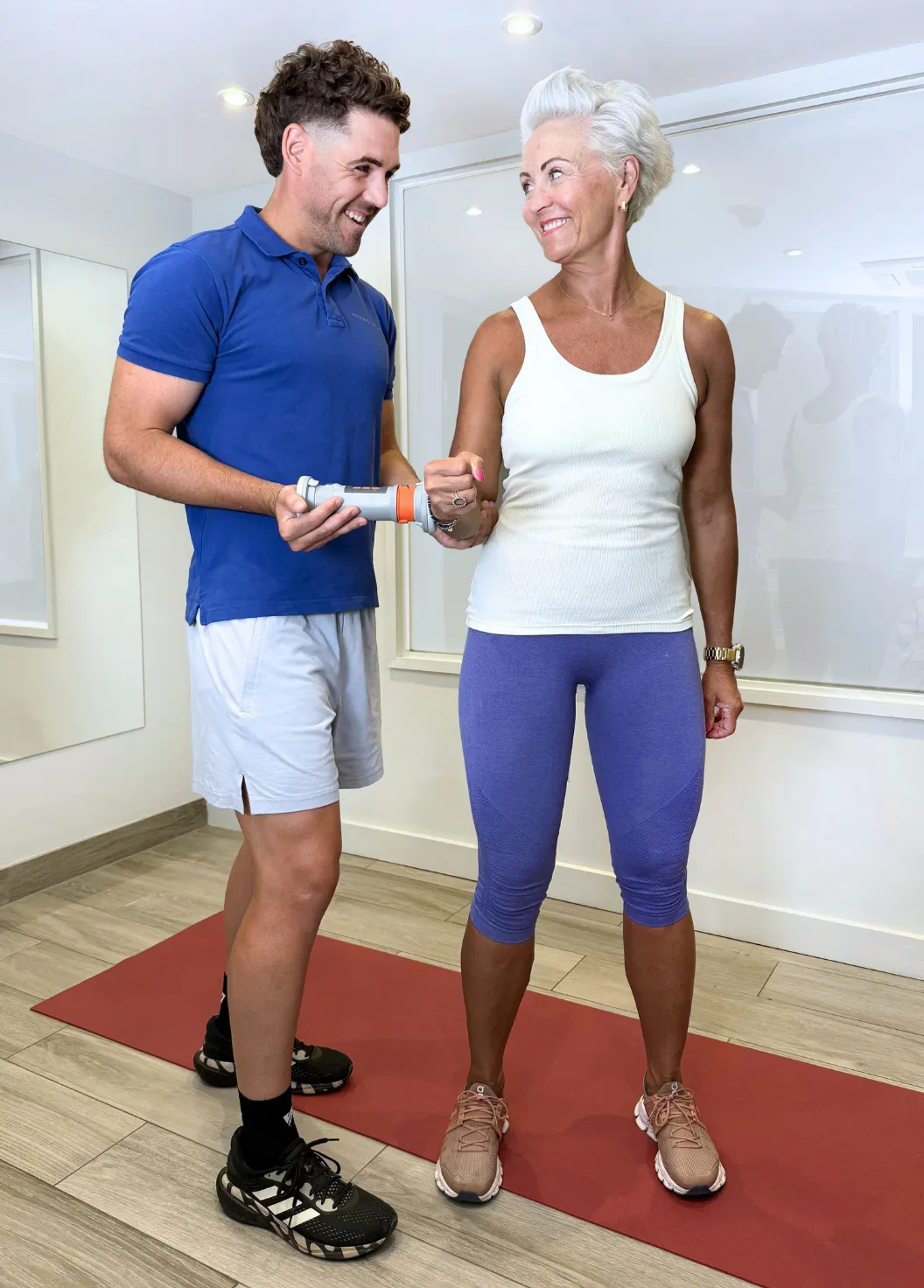
VALD Dynamo strength testing can also establish a clear baseline, so we can measure change as you progress.
You’ll leave with practical advice, a clear treatment plan, and exercises to follow at home, helping you feel more in control of your recovery and daily life.
-
As things settle, the focus shifts to getting your body working well again. Targeted mobility, stretching, and strength work can help you regain range of motion, improve control, and return to everyday activities while gradually rebuilding the strength you need for what comes next.
-
The goal isn’t simply to get you back to where you were. It’s to help your body cope confidently with the demands you place on it. Progressive strength training, plyometrics or sport-specific exercises may form part of this phase, alongside practical guidance and longer-term strength planning to support performance and reduce the risk of the same problem returning.
Women’s health physiotherapy clinics in Wimbledon
Discover our expert women’s health physiotherapy clinic in Wimbledon Village.

Wimbledon Village
- Chiropractic
- Dry needling
- Exercise Rehabilitation
- Osteopathy
- Paediatric Osteopathy
- Physiotherapy
- Sports massage
- Women’s Health


-
Mon-Fri: 08:00 – 20:00 Sat: 09:00 – 17:00 Sun: Closed
-
12 Church Road, Wimbledon Village SW19 5DL View on Google Maps
- Chiropractic
- Dry needling
- Exercise Rehabilitation
- Osteopathy
- Paediatric Osteopathy
- Physiotherapy
- Sports massage
- Women’s Health
Perched on a hill just above the busier Wimbledon town centre, Nordic Balance is located on the corner of Church Road in the picturesque Wimbledon Village, home to the famous Wimbledon Tennis tournament.

Travelling via London Overground
If you are coming by train, take the South Western Railway or Thameslink. Wimbledon Train Station is a 15-minute walk from the clinic

Travelling via London Underground – Northern Line
If you are coming by Tube, take the District or Northern line. The nearest station is Wimbledon Broadway.

Travelling via Bus
If you are coming by bus, the 493 and 93 are likely your best options.

Travelling by car and parking
Parking is available on Belvedere Avenue for up to 5 hours, in Belvedere Grove for 2 hours, or on Church Road for 1 hour. Payment is required, including at weekends.
Common women’s health issues we treat
-
Bladder pain
Reduce irritation and regain more freedom around work, travel and exercise. -
C-Section scars
Improve scar mobility and comfort as strength and movement return. -
Endometriosis
Manage pelvic pain and reduce how much symptoms disrupt everyday life. -
Incontinence
Improve bladder control and worry less about leaks during daily life. -
Pelvic floor pain
Ease tension and discomfort affecting sitting, movement, sex or daily life. -
Perinatal
Stay comfortable, strong and active as your body changes through pregnancy. -
Postnatal
Check in on recovery and address concerns before returning to activity. -
Prolapse
Improve pelvic support so lifting, standing and exercise feel more manageable. -
Return to exercise
Rebuild capacity for running, lifting, classes or sport with greater confidence. -
Expert pelvic floor physiotherapy in London
You don’t just have to put up with pelvic dysfunction. Pelvic floor physiotherapy helps women get back to exercising, lifting, running, intimacy and everyday life with greater confidence.
Whether changes have followed pregnancy, childbirth or menopause, treatment focuses on rebuilding strength, improving control and reducing symptoms such as leaks, heaviness or discomfort. By improving pelvic floor function, we can help you feel more capable and at ease.
Take the guesswork out of postpartum recovery
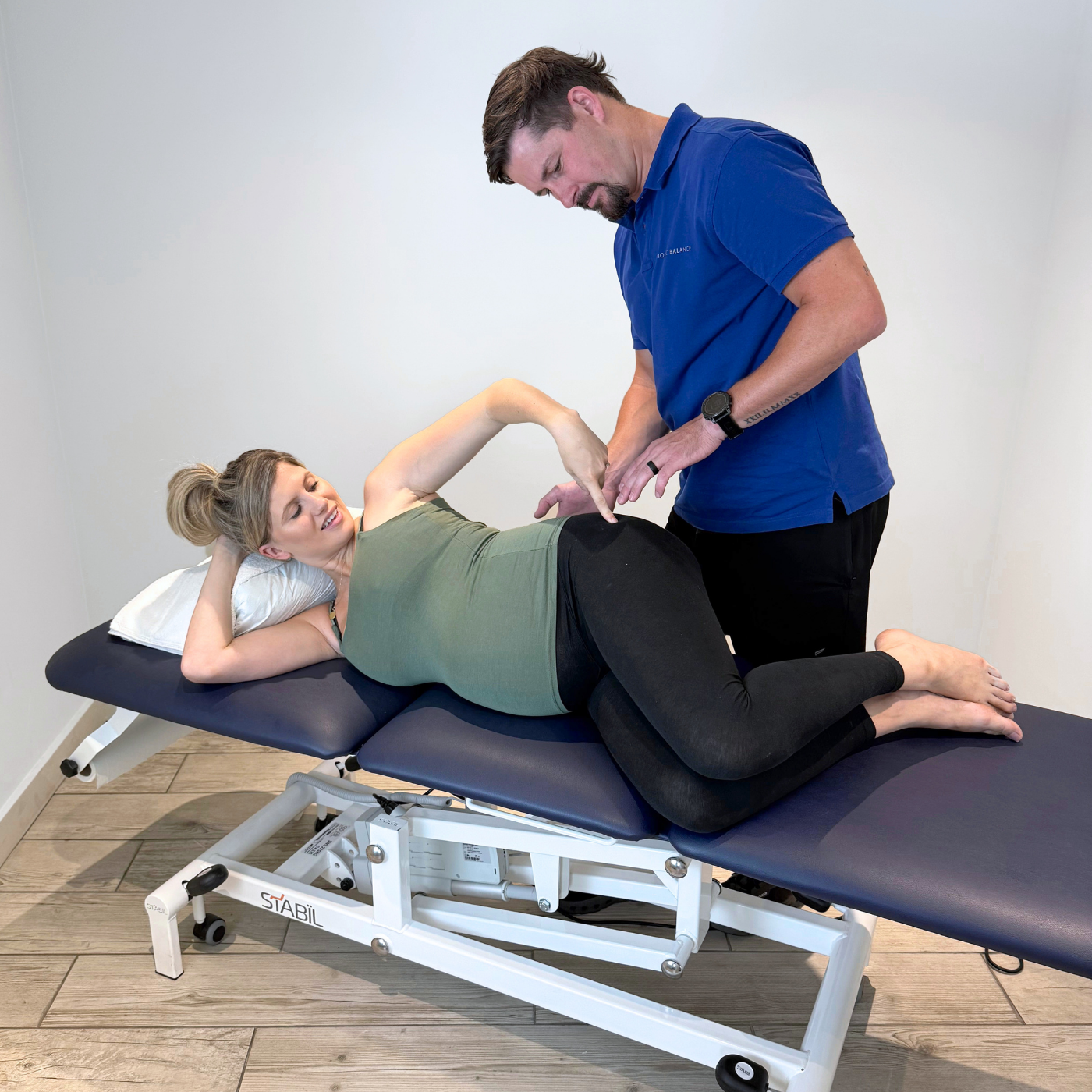
From six weeks postpartum, our Post-Pregnancy MOT is a broad check-up designed to see how your body is recovering after pregnancy and birth.
We assess your pelvic health, core strength, movement, and any concerns you want to discuss, then give you clear guidance on what to focus on next.
How our physios can support you
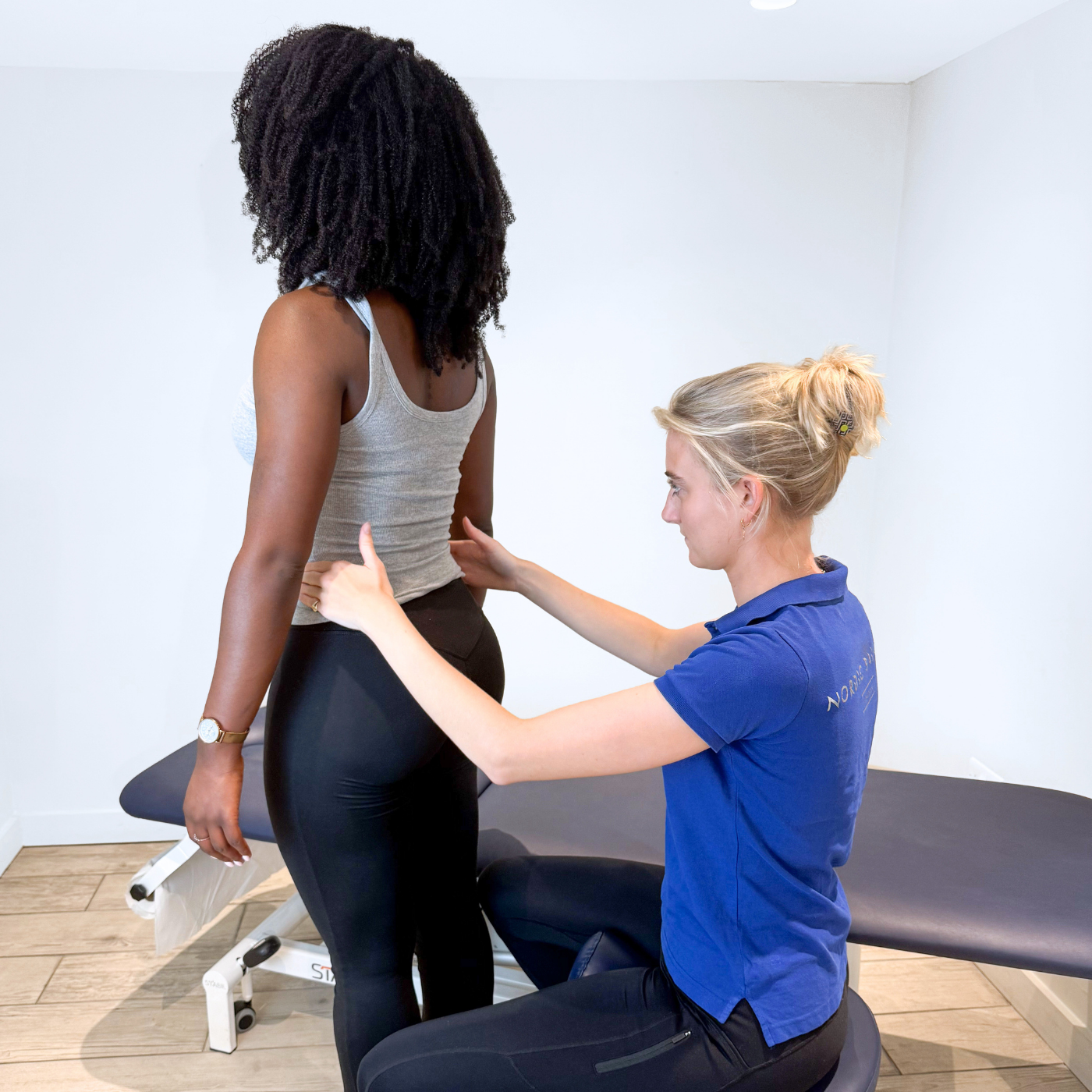
A Nordic Balance physio helps turn pain and uncertainty into clearer movement, greater confidence and the freedom to get on with the things that matter to you.
-

Relieve pain
Pain can shrink what feels possible. We work to understand what’s driving it, ease irritation and help you move with greater comfort and confidence. -

Improve movement
Move more freely at work, in the gym or simply day-to-day. We build mobility, control and strength around what matters to you. -

Support rehabilitation
Recovery has a destination. Whether post-pregnancy or menopause, we help you rebuild step by step, with clear goals and measurable progress. -

Help limit future injuries
Getting better is one thing. Staying capable is another. We build strength, resilience and better movement habits to help your body handle more.
Meet our London women’s health specialists

Still have questions?
Your first physiotherapy appointment usually lasts up to 45 minutes. During that time, your physiotherapist will assess your symptoms, movement and relevant medical history, explain their diagnosis, talk you through your treatment options and agree a clear plan with you. If it’s safe and appropriate, treatment can also begin in that first session.
Initial assessments at Nordic Balance last up to 45 minutes, giving your physiotherapist time to assess, diagnose and agree on a treatment plan with you. Follow-up appointments usually last 30 or 45 minutes, depending on what your therapist has recommended.
Treatment is tailored to your needs but may include pelvic floor exercises, movement and lifestyle advice, manual therapy, breathing techniques and relaxation work. You’ll usually have exercises or advice to follow between appointments so you can keep making progress at home.
Everyone is different, but many people attend around three to five sessions over approximately four months. Your physiotherapist will recommend a plan based on your symptoms and how you progress.
It’s useful to bring an up-to-date list of medications, along with details of any relevant health conditions, investigations or previous treatments. You may also want to note your main symptoms, how they affect everyday life, and any questions you would like to discuss.
You may be asked to complete a bladder frequency and volume chart before your first appointment or during treatment. This helps your physiotherapist understand your bladder habits and tailor your treatment more closely.
We do not routinely update your GP about your treatment. However, if your physiotherapist has concerns about your condition or believes you need further investigation or a referral to another healthcare professional, they may provide a referral letter for your GP.






Begin your journey to recovery, today
Book your first appointment today and take the first step towards feeling better.