
- £287.5 upfront
- Save £63 total
Sports massage treatment
Sports massage for easier movement and better recovery
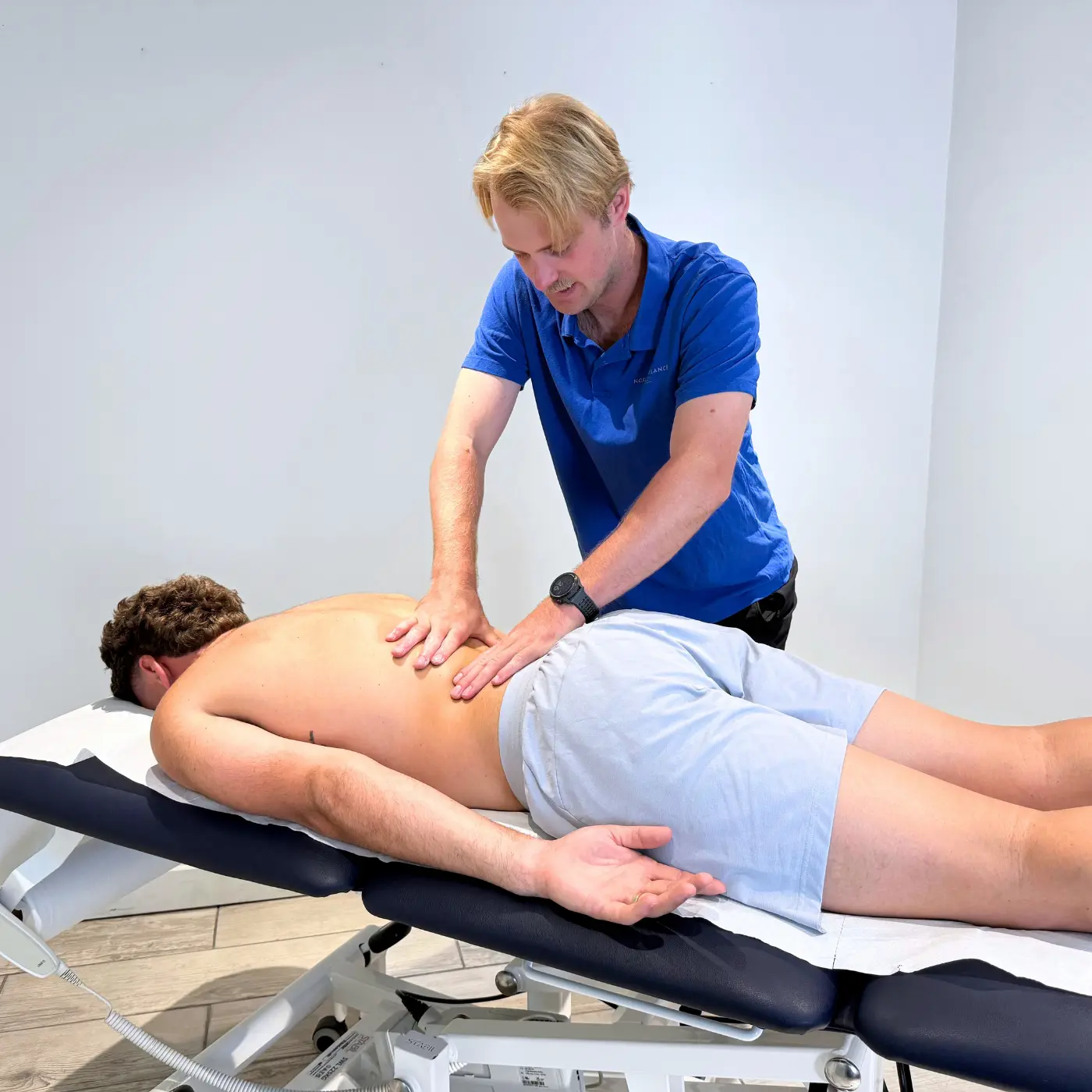
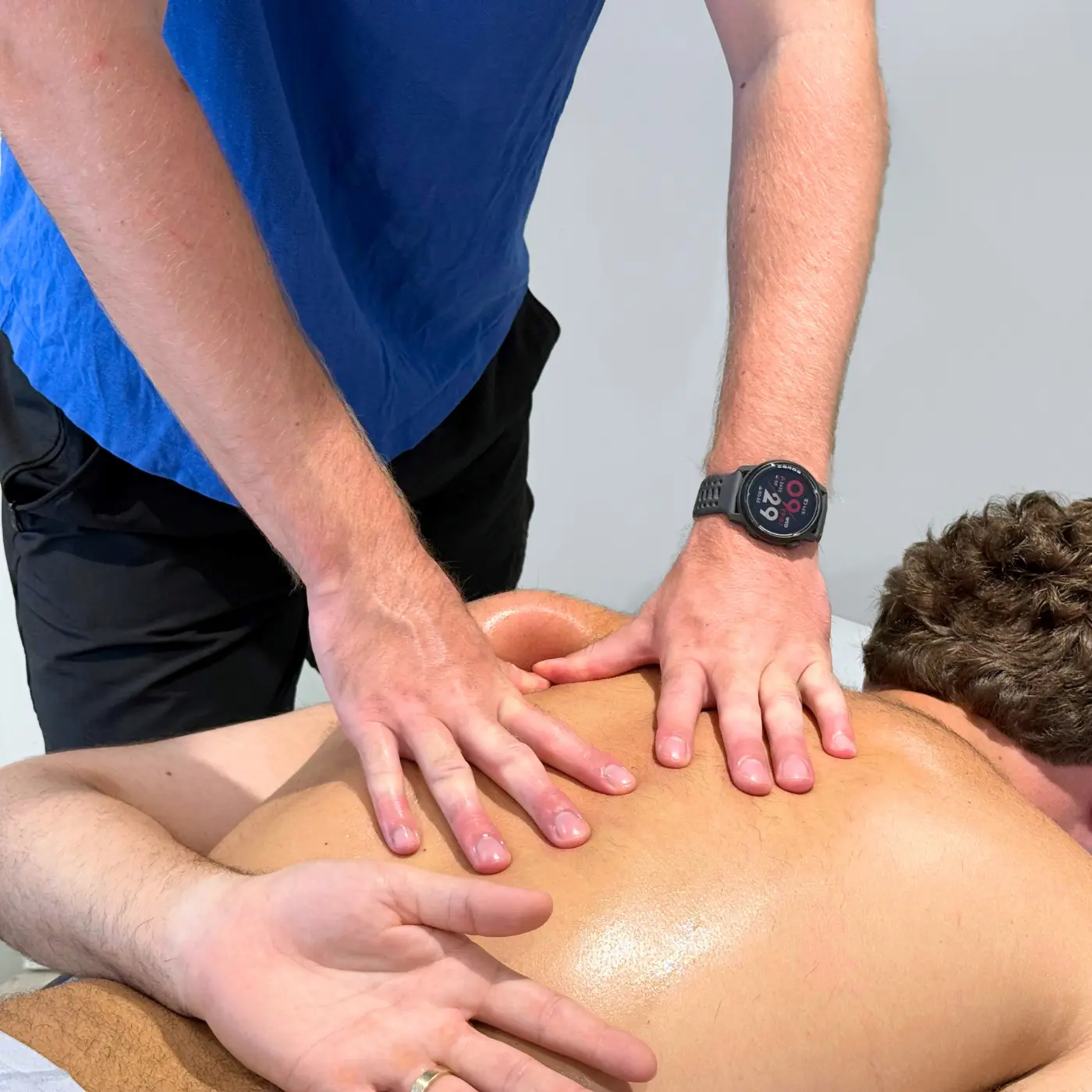
Sports massage can ease muscle tension, improve mobility, and support recovery from training, work, and everyday demands. Our sports therapists and physios combine deep soft tissue work, stretching, and movement-focused techniques, adapting treatment to where you feel tight, sore, or restricted. You’ll also get practical advice on mobility and recovery to help you stay comfortable between sessions.
Sports massage is available at our St. James’s, Clapham, Battersea and Wimbledon Village clinics.
Get more from your recovery
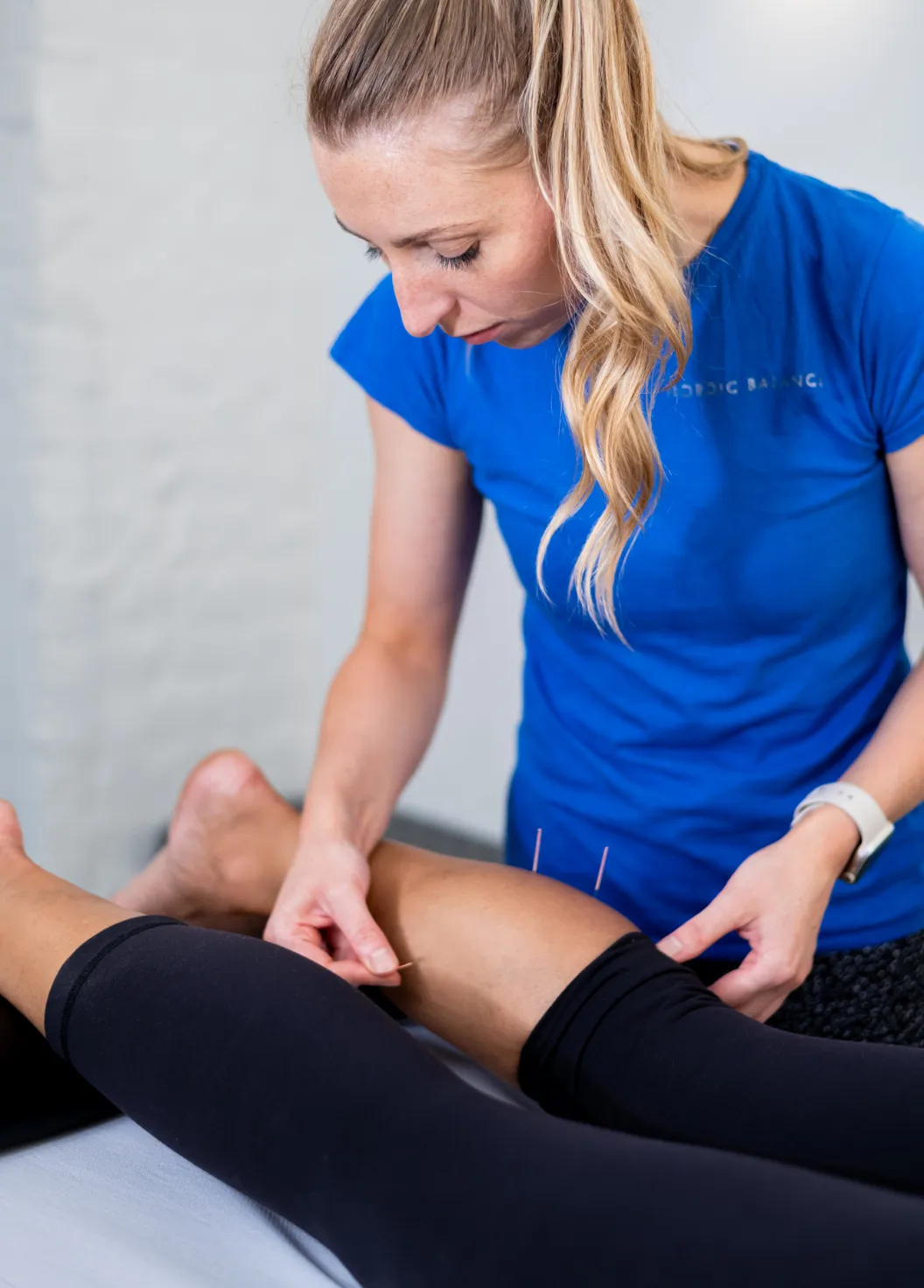
No two bodies arrive with the same problem, so every sports massage is adapted to where you feel tight, sore or restricted. Depending on your needs, treatment may include deep tissue and remedial massage techniques, dry needling, cupping, and exercise rehabilitation.
Selected practitioners also offer pregnancy massage for expectant and postpartum mothers. Contact us for more information before booking.
Sports massage prices in London
We aim to keep our sports massage pricing competitive, with treatment blocks offering better value when your care plan includes a series of ongoing appointments.
Prices are per session. Block options are available on 45- and 60-minute sessions only. T&C’s apply.
Book an appointmentLocations where we offer sports massages
With clinics across Central and South West London, treatment can fit more easily around your workweek, training schedule, or home life. Choose St. James’s for sports massage in Central London, or visit our Clapham, Battersea or Wimbledon Village clinics for convenient appointments across South West London.




From everyday aches to sports injuries
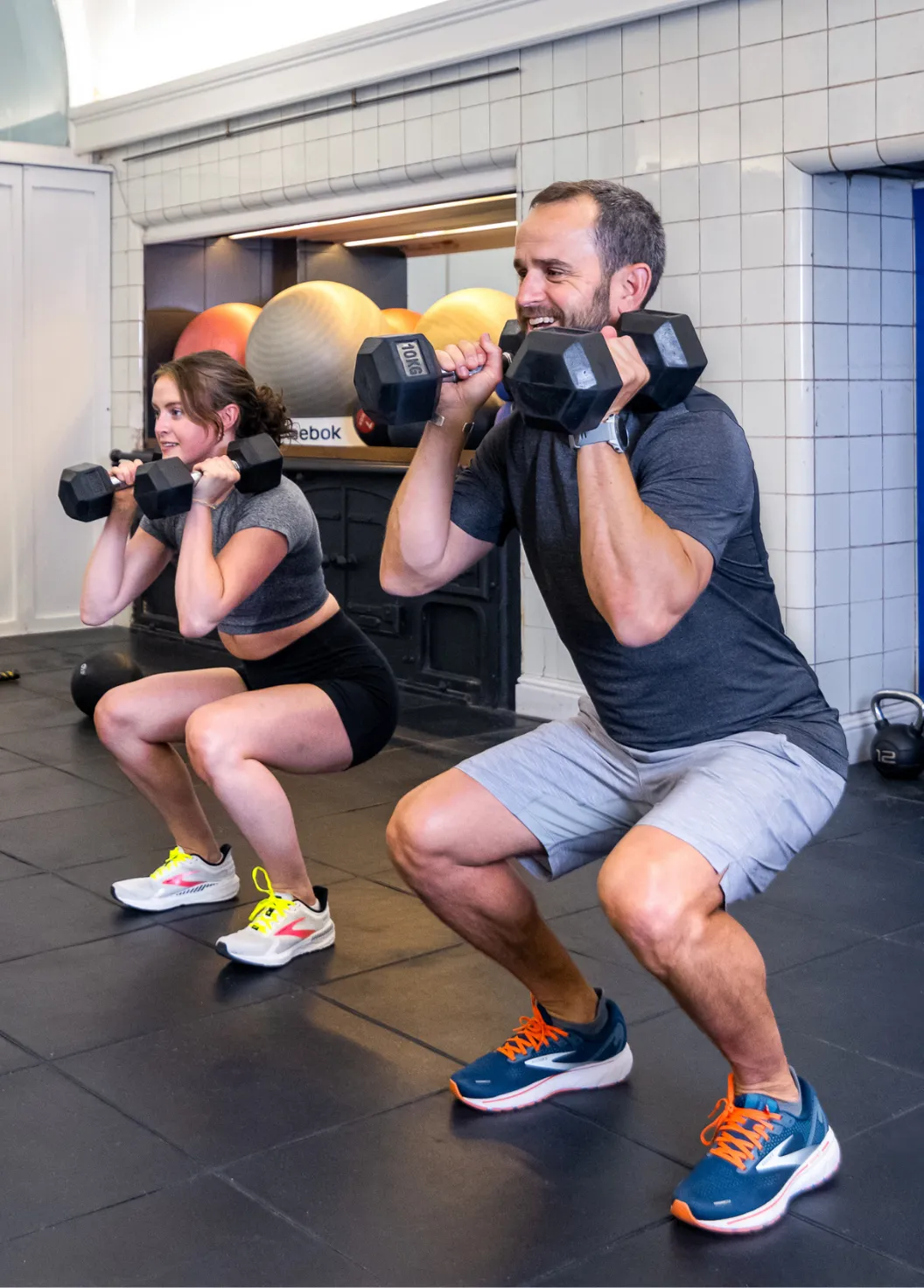
Our sports therapists have experience helping with a wide range of musculoskeletal conditions, injuries, aches and pains.
-
Back pain & sciatica
Ease pain and move more comfortably through sitting, sleeping and everyday activity. -
Hamstrings & thighs
Address muscular tension following training, overload or injury. -
Headaches
Address contributing movement and tension patterns to help reduce recurring headaches. -
Hips & glutes
Release tight muscles that can influence movement through the pelvis and legs. -
Muscle strain and tension
Overuse, prolonged screen time or awkward sleeping can leave neck muscles sore and restricted. -
Post-exercise soreness
Help tired muscles recover between demanding training sessions. -
Pregnancy-related changes
Support comfort and mobility as posture, load and pelvic mechanics change. -
Recurring muscular tension
Stay ahead of familiar tight spots before they disrupt your routine again. -
Repetitive strain & overuse
Target muscles repeatedly loaded through work, sport or training. -
Restricted movement
Reduce muscular tightness that stops your body from moving freely. -
Sports-related sprains & strains
Recover well, rebuild capacity and return to training with greater confidence. -
For when you need something deeper
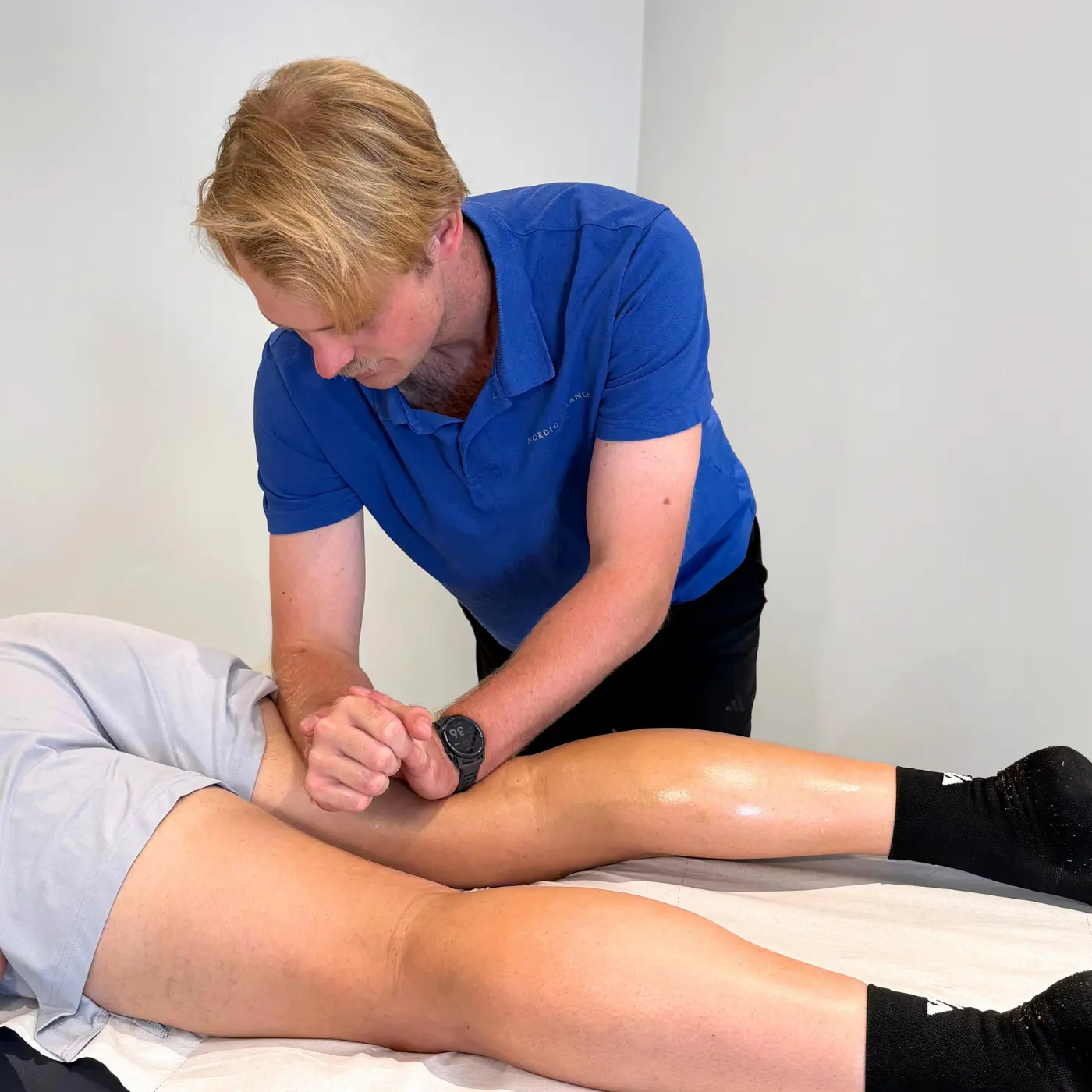
Deep tissue techniques use slower, more focused pressure to work into deeper layers of muscle and connective tissue. In a sports massage, they may be used when persistent tension from training, repetitive work, or long periods at a desk leaves an area feeling tight, sore, or restricted.
Your therapist will adjust the pressure and technique to how your body responds, so let them know what feels comfortable and where you would like the session to focus.
Benefits of Sports massage
Sports massage eases muscular tension, improves movement, and supports recovery so your body feels ready for what you ask of it next.
-

Keep training consistently
Manage the tightness and soreness that can make you scale back sessions, change how you train or take unwanted time out. -

Faster recovery between sessions
Reduce post-exercise muscular soreness and help your body feel ready for the next run, workout or training session. -

Undo the build-up from busy weeks
Long hours sitting, commuting and training all add load. Sports massage gives overworked areas targeted attention so your body feels less restricted. -

Ease tension & tightness
Regular treatment helps you manage familiar problem areas and keep doing more of what you enjoy.
More than just a massage
Our sports therapists in London work with everyone from desk-based professionals and recreational runners to people training for events and competitive athletes. That experience matters. It means treatment is shaped around how you work, train and move, targeting the areas under the most demand and helping your body feel ready for what you need it to do next.
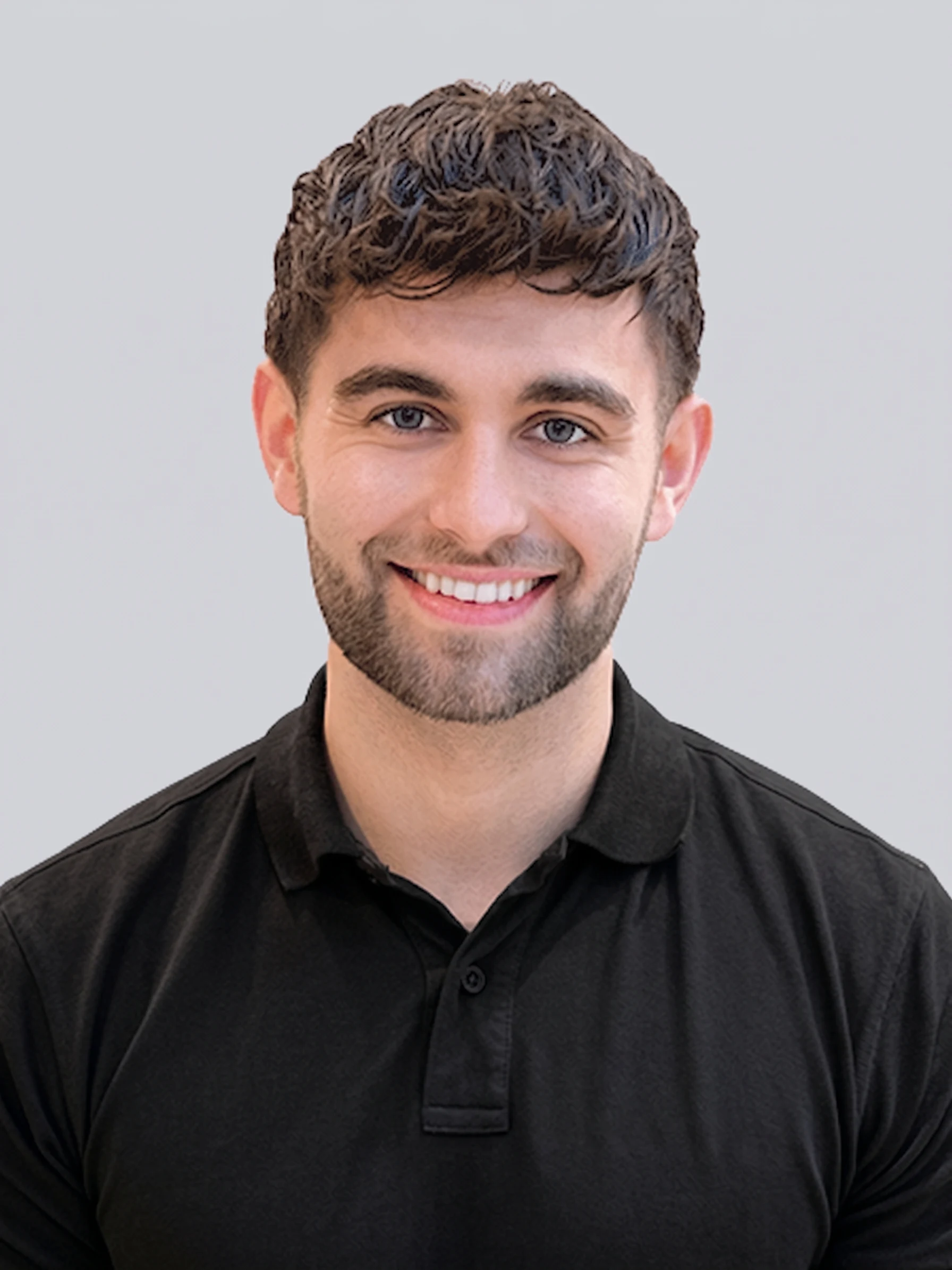
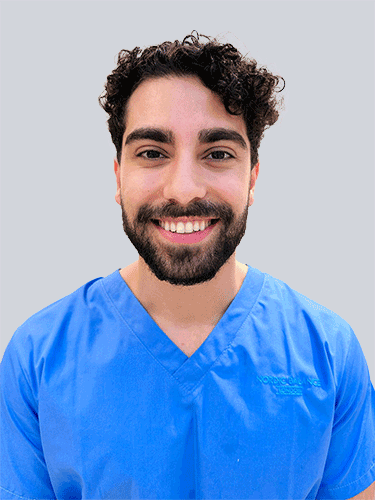
Meet our highly rated sports massage therapists



Still have questions?
Read our FAQs for practical information on appointments, treatments, payments and what to expect.
Around every six weeks can work well for regular maintenance, but there’s no fixed rule. How often you book depends on how much you train, the demands of your work, whether you’re preparing for an event and how quickly muscular tightness tends to build up. Your sports therapist can help you find a rhythm that supports your goals without over-treating.
Wear or bring something comfortable. Your therapist will explain what needs to be uncovered for treatment while maintaining your comfort and privacy throughout.
A sports massage is a surface-level treatment focused on symptom relief, while an initial assessment is for more complex cases that require deeper analysis. Sports massage may include exercise advice and dry needling, but the assessment and diagnosis are limited. An initial assessment opens up your medical practitioner’s full skill set and expertise. Learn more about initial assessments.
Sports massage is a good starting point when you want hands-on treatment for muscular tightness, soreness, fatigue or restricted movement. You might be training regularly, spending long hours at a desk, preparing for an event or simply feeling the cumulative effects of a busy week.
If you’re dealing with a clear injury, recovering after surgery or need a structured programme to rebuild strength and function, physiotherapy or exercise rehabilitation may be more appropriate.
Sports massage can feel firm or intense in areas carrying a lot of tension, but it should never feel like something you simply have to endure. Your therapist will adjust the pressure and techniques throughout the session to suit your body and goals. Mild tenderness or light bruising can happen after deeper work, as pressure can temporarily irritate the soft tissues and small blood vessels under the skin, but this should settle within a few days.
A spa massage is usually focused on relaxation. Sports massage is more treatment-led, using techniques such as deep tissue or remedial work to address muscular tightness, soreness and restricted movement. The aim is to help your body feel and move better, whether the strain comes from training, desk work or everyday life.
Yes. Some clients choose sports massage periodically during heavier training blocks or around events to manage muscular tightness and recovery. There is no fixed schedule everyone needs; frequency should reflect your training, how your body feels and what you find useful.
Regular massage can be particularly helpful for runners building up their mileage for events such as the London Marathon, where training volume often increases over several months.


I went in with stiff back pain and left feeling like a new person. Debbie pinpointed the exact muscles causing the issue and worked out all the tension. I would highly recommend Nordic Balance.

Gina is an incredible therapist. I suffer from chronic headaches and the combination of her osteopathy and acupuncture treatment has been life altering. I highly recommend her for anyone suffering from chronic conditions.

I have always had great experience with therapists at Nordic Balance, and Debbie in particular, who helped me with stubborn knee issues and got me back to my full exercise routine. She fully understood my needs, identified my weaknesses, and got me back on track with targeted rehab exercises (and a great sense of humour!)

Both the receptionist and Debbie are exceptionally their work.
Debbie is very caring and thorough with
her curstions and treatment. I felt curiously better after her first session .
Debbie is very caring and thorough with
her curstions and treatment. I felt curiously better after her first session .

Sienna is always so warm, friendly and smiley, which makes every session a really positive experience. She explains everything clearly and makes sure I understand what is needed for my treatment and recovery. She also gave me a wonderful soft tissue massage on my elbow, which I fractured a couple of months ago, and it brought me such relief. I really appreciate her caring approach, professionalism and the genuine attention she gives to my recovery. I would highly recommend her!
5.0
(1,351)
Begin your journey to recovery, today
Book your first appointment today and take the first step towards feeling better.