Physiotherapy
Patient Profile

Condition / Injury
Hips & glutes Trochanteric pain syndrome
Patient type:

Treatment duration:
Four physiotherapy sessions and an exercise rehab plan over eight weeks.Outer hip pain affecting everyday life and sport
For around three months, the patient had been dealing with pain on the outside of the left hip, especially noticeable while playing tennis, but also when lying on her side, which was painful enough to disturb sleep. Sitting comfortably at work had also become difficult.
At the same time, the patient had recently increased their CrossFit training, adding another physical demand to an already active routine. Getting back to pain-free tennis mattered, but so did being able to sit through the working day and sleep without constantly thinking about the pain.
Physiotherapy assessment findings
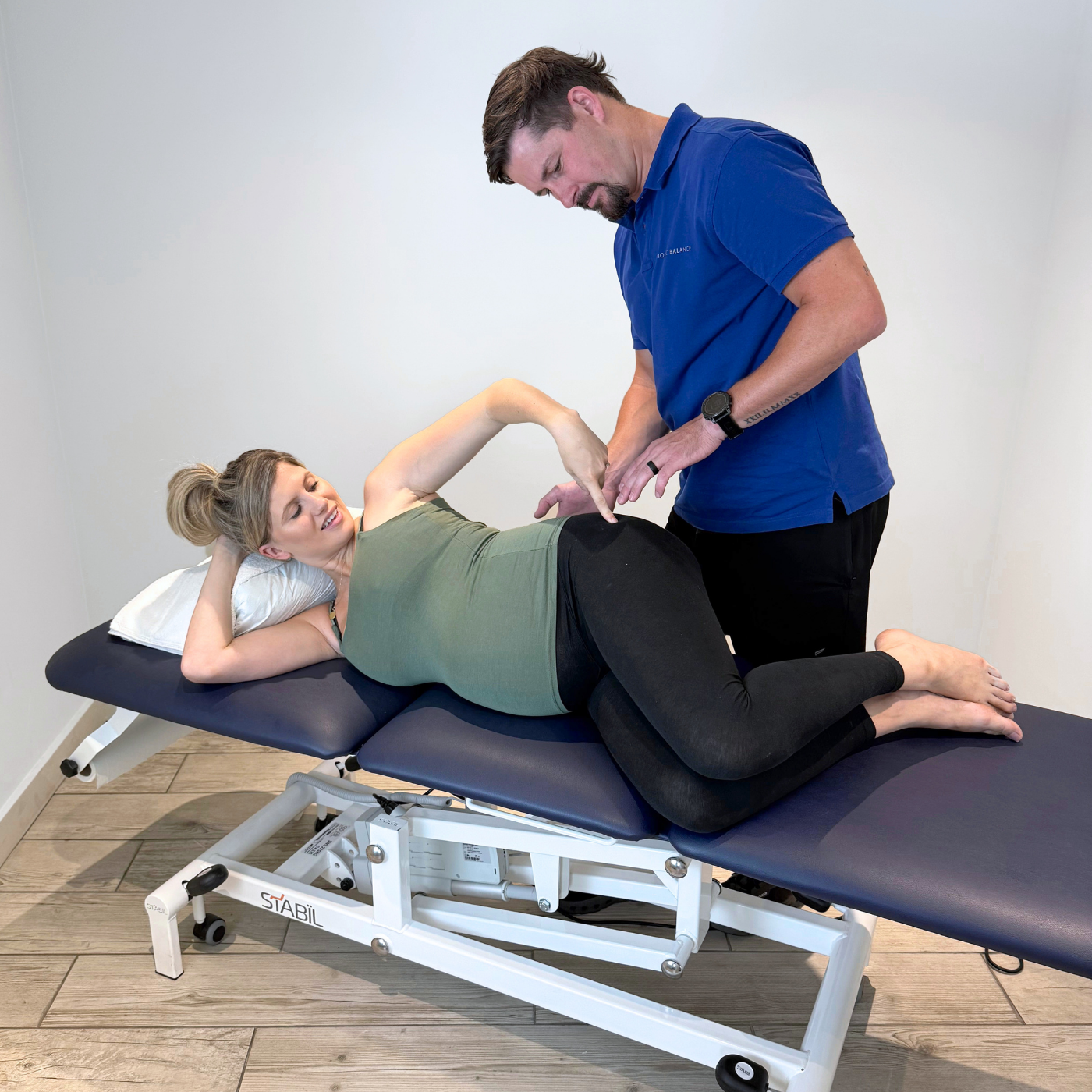
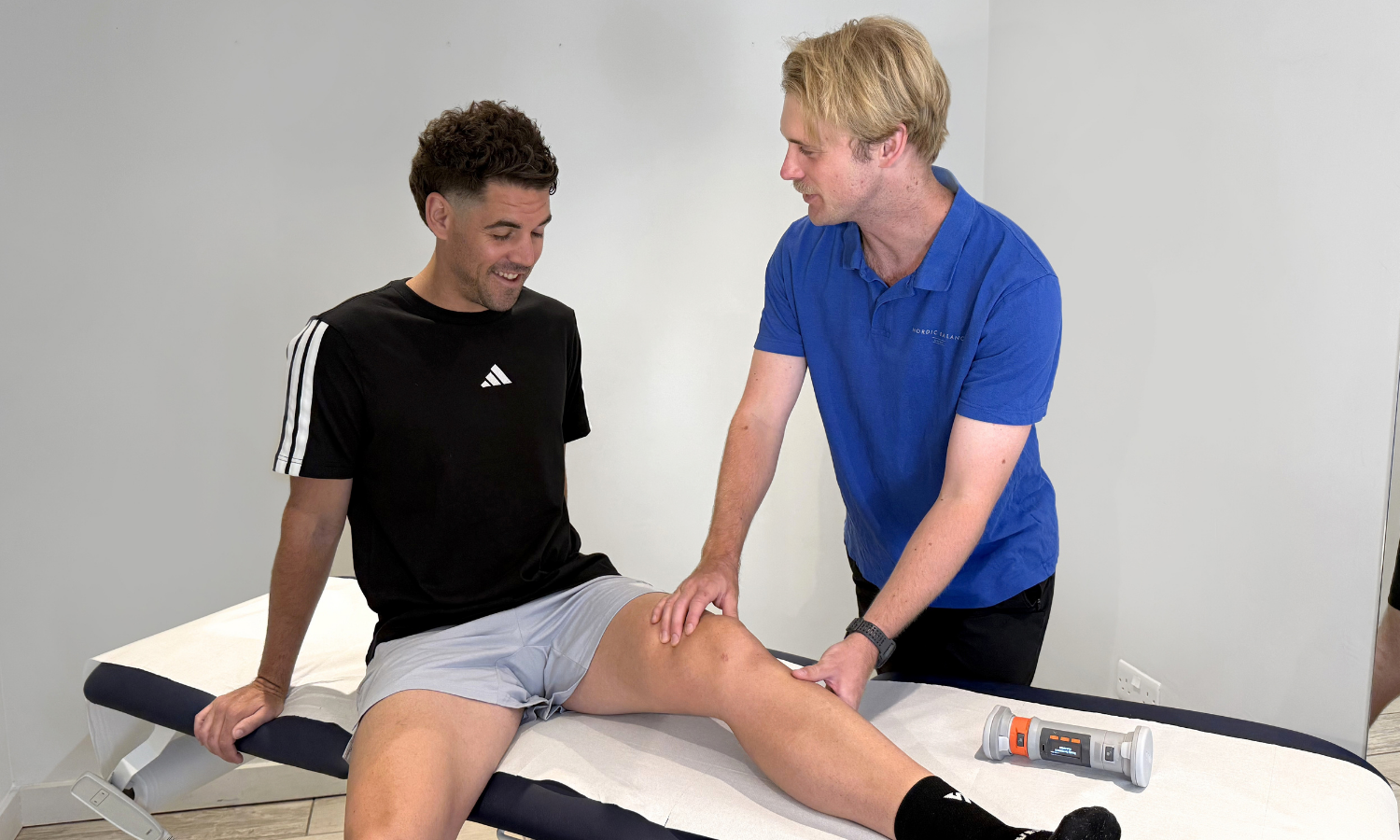
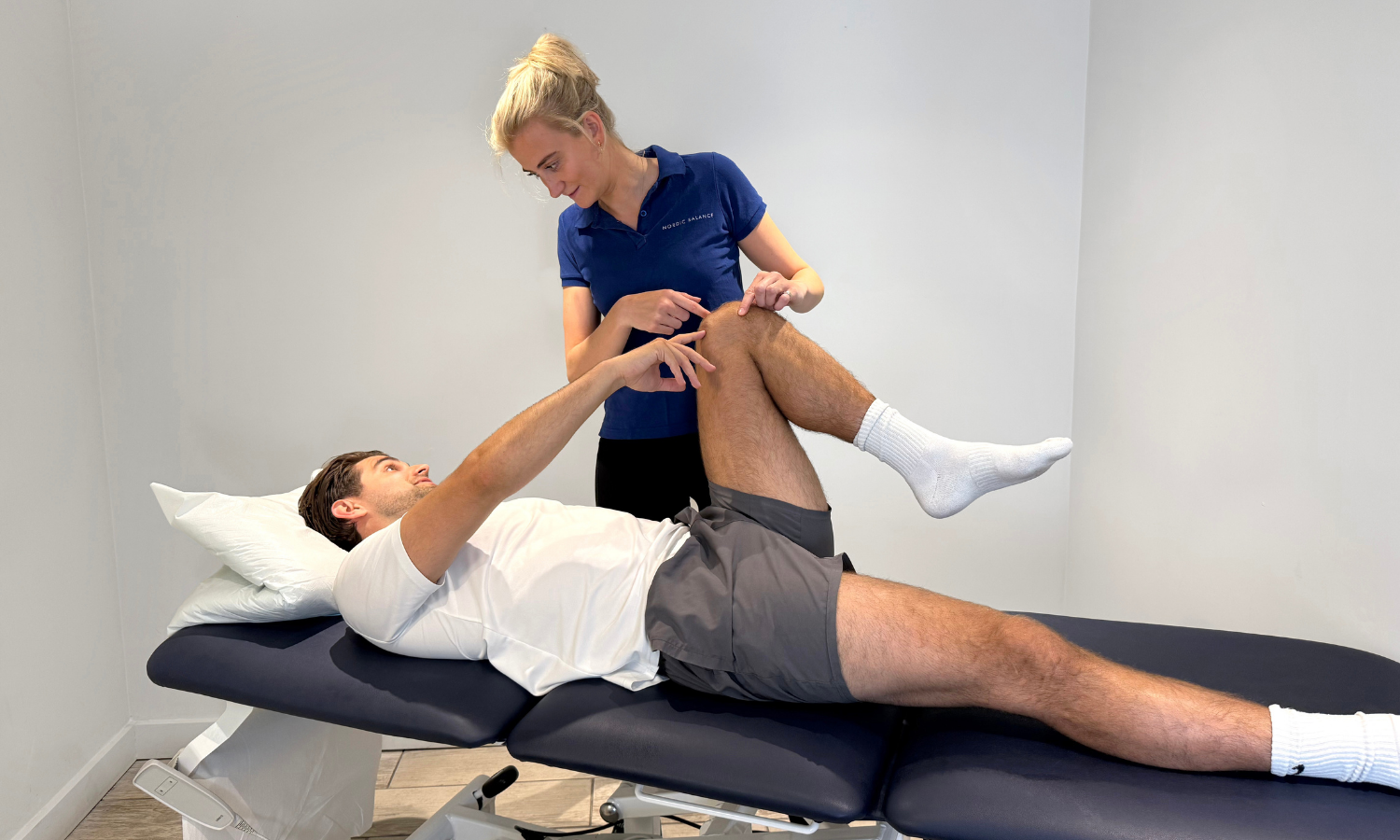
Physiotherapist Annie Murray diagnosed greater trochanteric pain syndrome (GTPS), a term used for pain around the outside of the hip. GTPS commonly involves the gluteal tendons that help support and control the hip, although several structures around the area can contribute.
In this patient, the problem was not a lack of mobility. The outside of the hip was tender, and strength testing showed weakness in the muscles supporting it. Combined with the recent increase in CrossFit training, the hip was being asked to cope with more load than it was currently managing comfortably. That detailed assessment shaped the rehabilitation plan.
Why rest alone wasn’t the answer for outer hip pain
The aim was not to stop tennis, CrossFit and everyday activity indefinitely. It was to reduce the loads that repeatedly irritated the hip while gradually rebuilding its ability to cope with them again. That distinction matters with GTPS. Current evidence supports exercise and education around load management as central parts of conservative treatment, with progressive strengthening used to improve function and build the hip’s capacity.
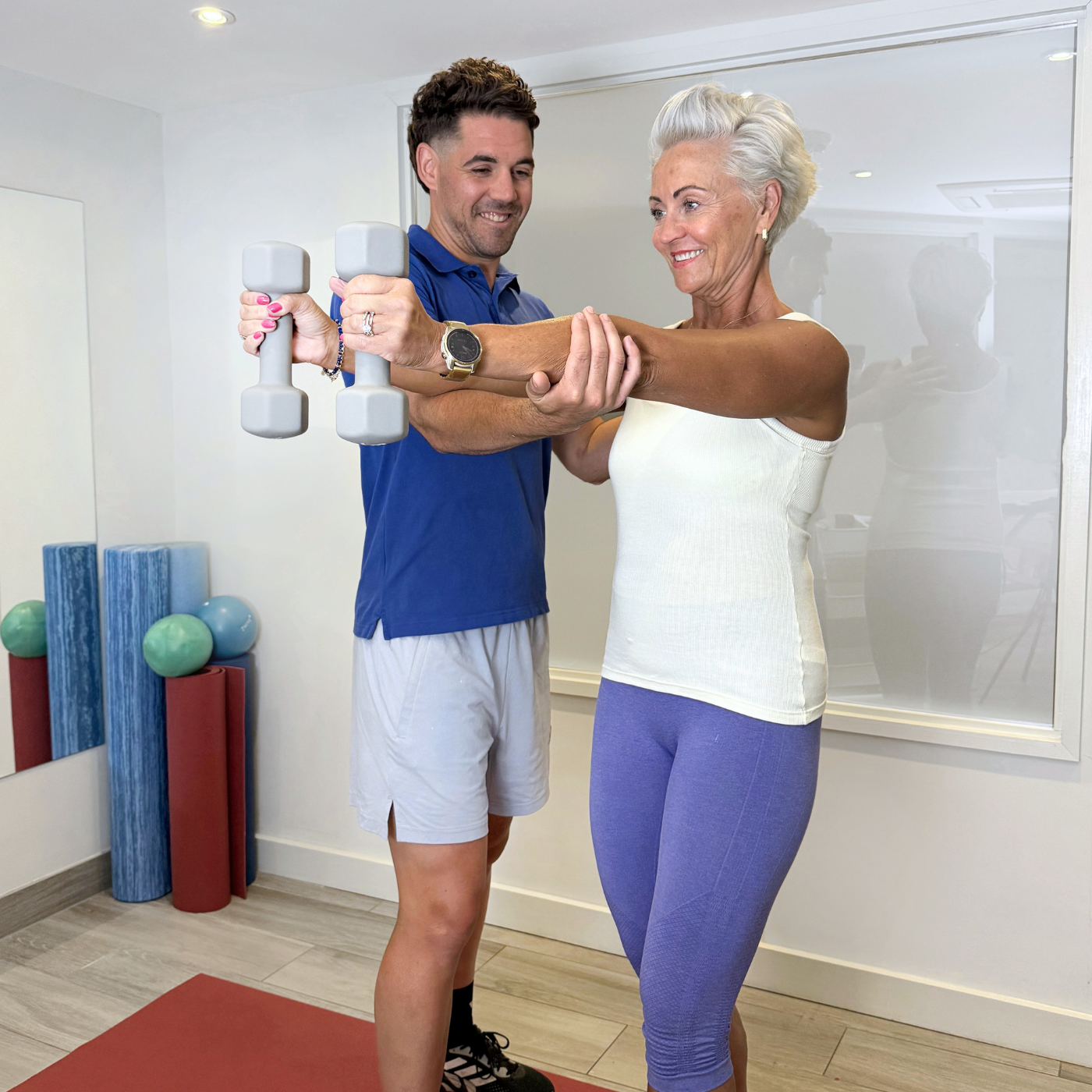
Annie therefore worked on two things at the same time. First, she helped the patient reduce positions and activities that were placing unnecessary pressure on the painful area. This included changes to how the hip was loaded during everyday life and advice around positions that aggravated symptoms. Second, strength work started straight away. The goal was to reduce hip irritation now while helping the patient to build the strength it would need for tennis later.
How GTPS Rehabilitation Progressed Over Eight Weeks
-
Weeks 0–2: Reducing irritation and starting strength work
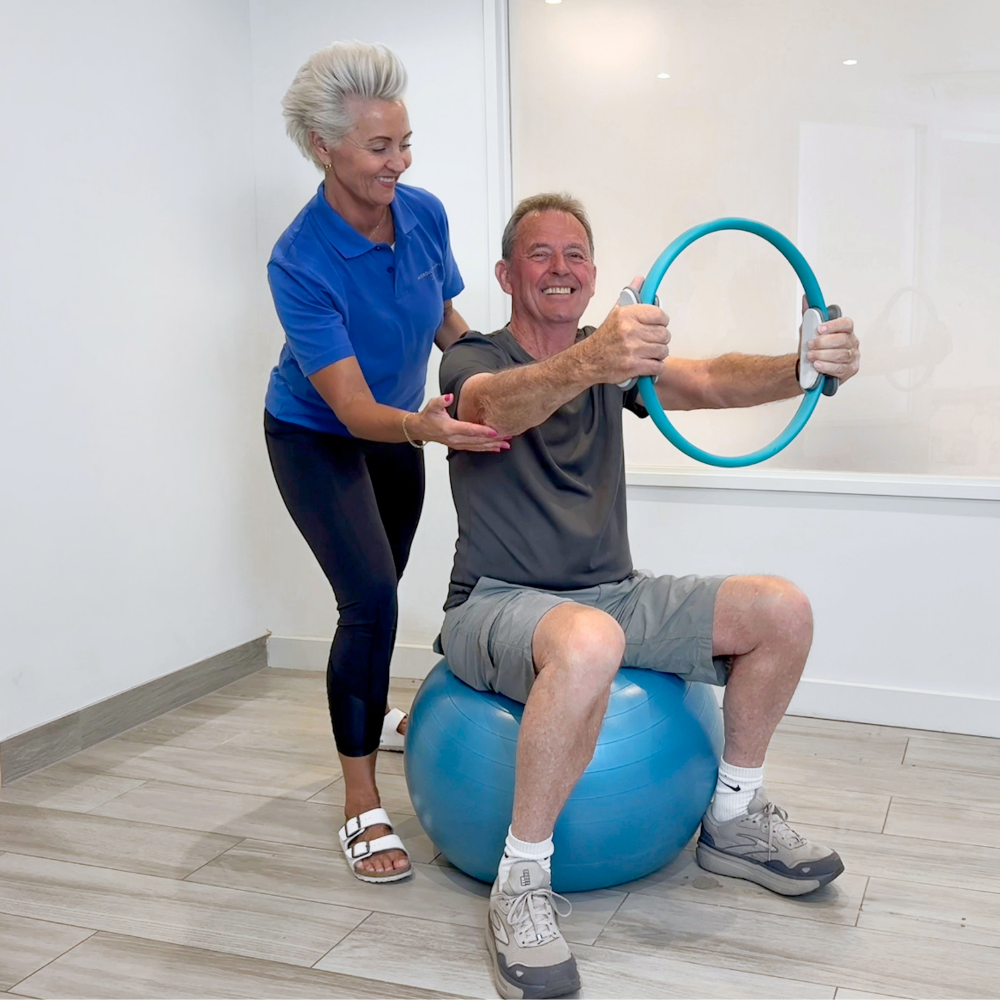
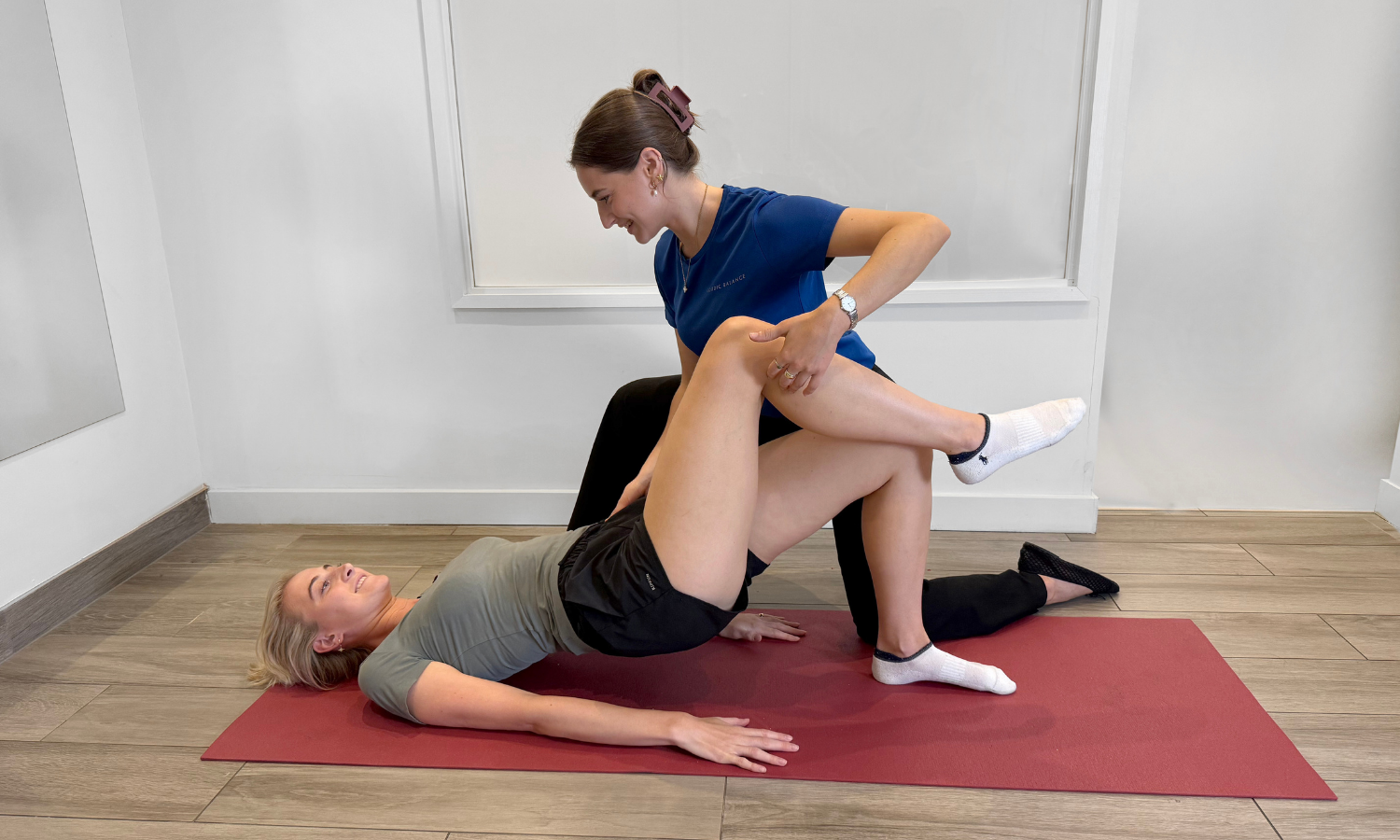
Early treatment focused on making the hip more comfortable without simply resting it. Annie advised the patient on movements and positions that repeatedly triggered pain and introduced isometric exercises such as hip abductions. These allowed the hip muscles to begin working against resistance without repeatedly moving through a large range.
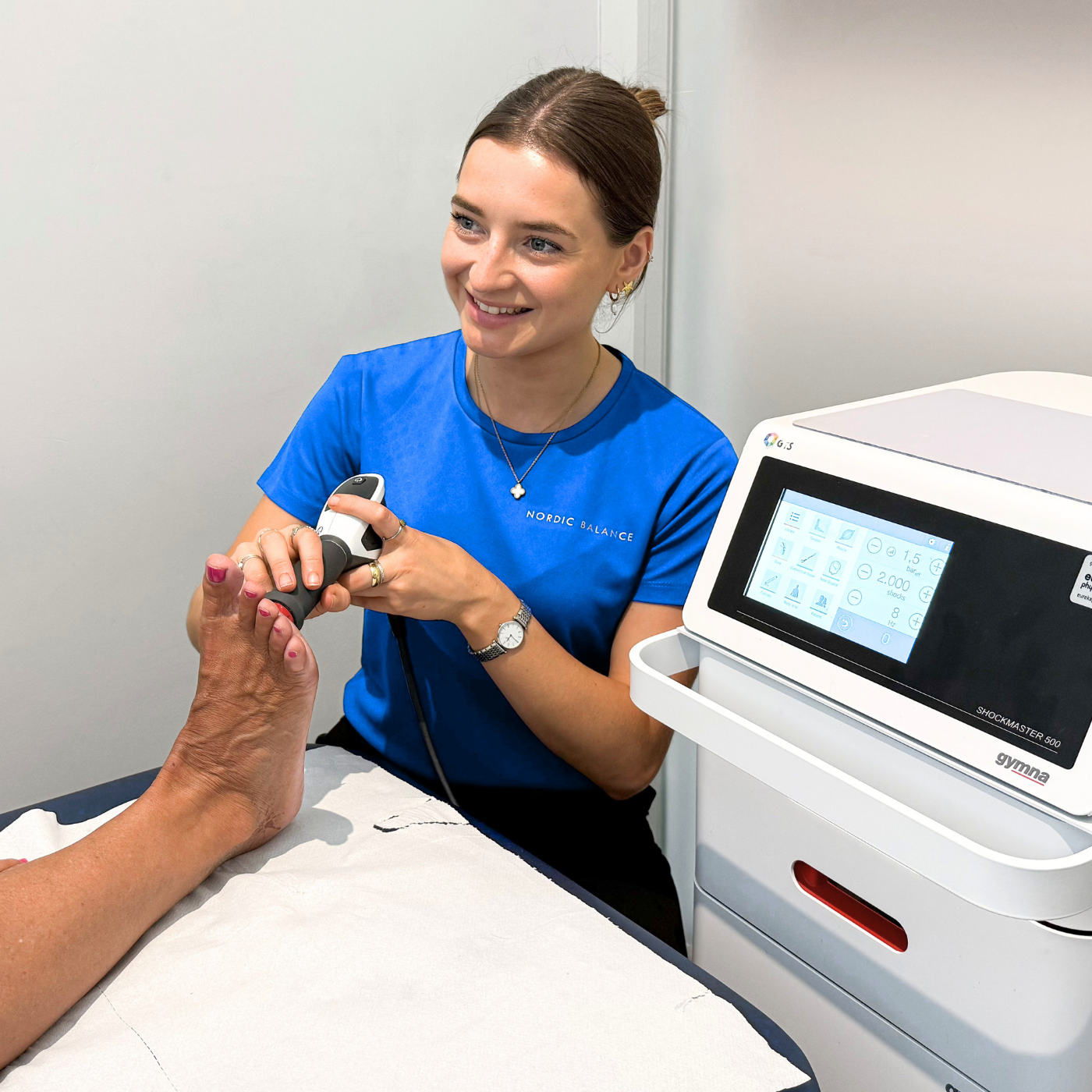
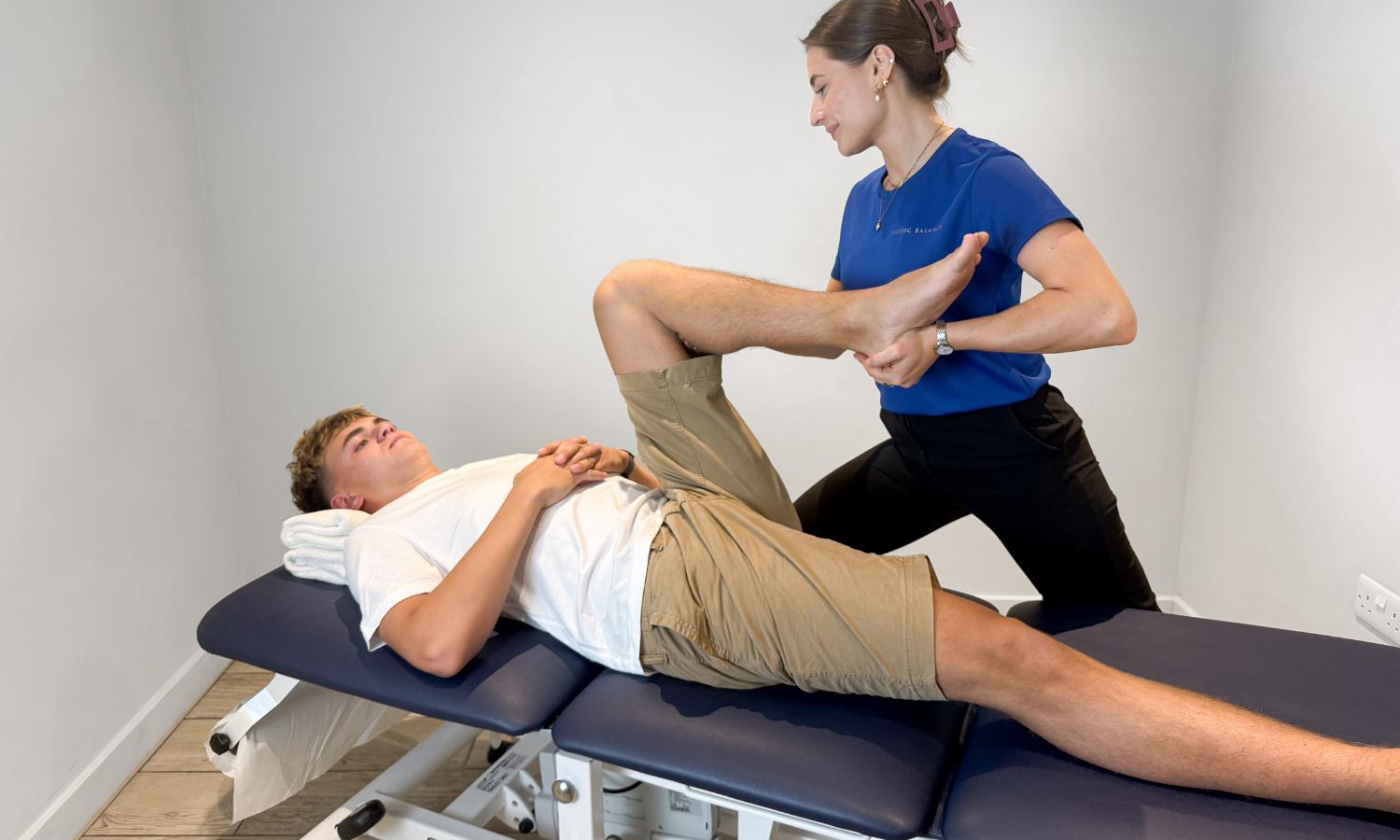
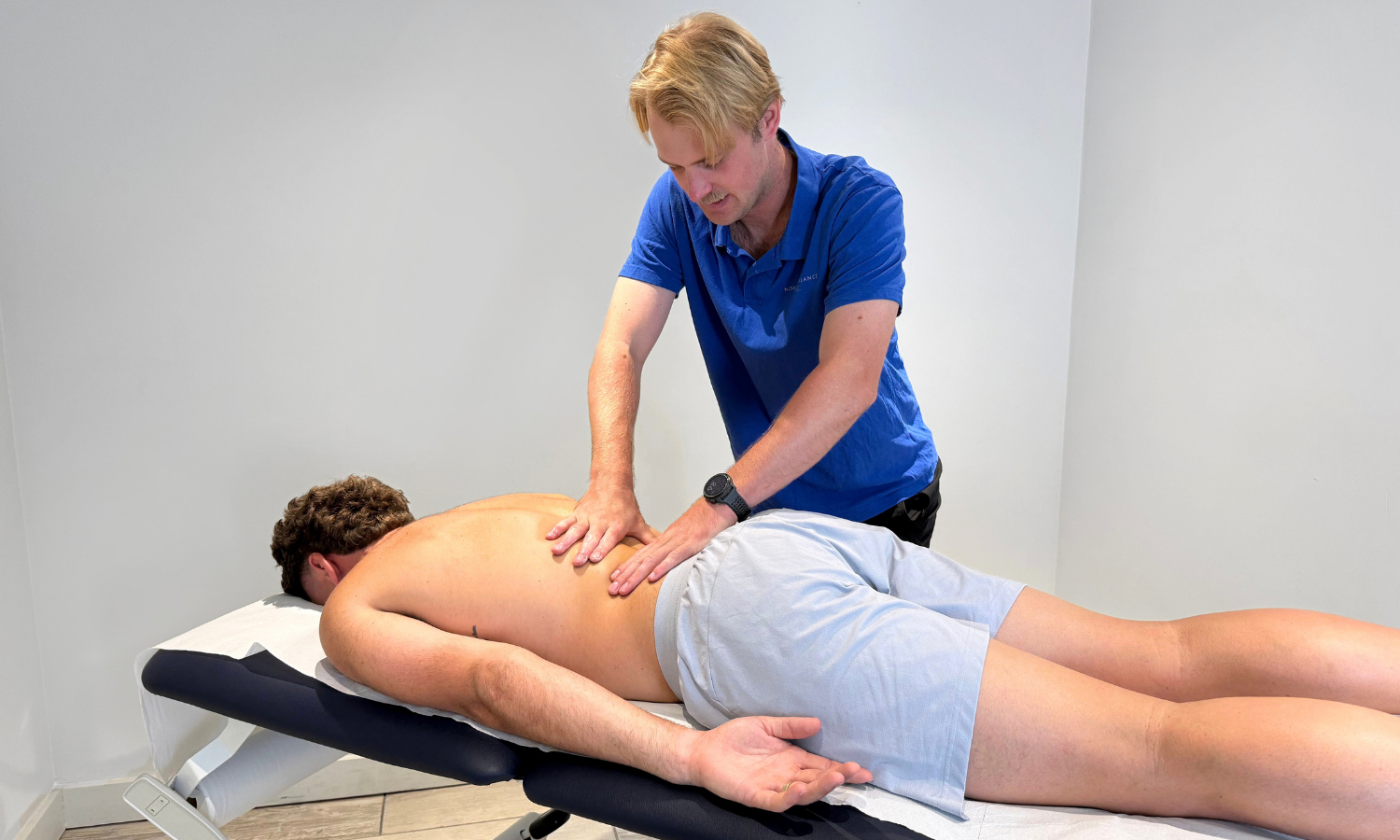
Hands-on treatment was also used where Annie found increased muscular tension around the hip and buttock, including the deeper gluteal muscles. The first improvement came quickly, and within two weeks, the patient could sit comfortably at work again.
-
Weeks 2–6: Building strength in the hips and returning to tennis
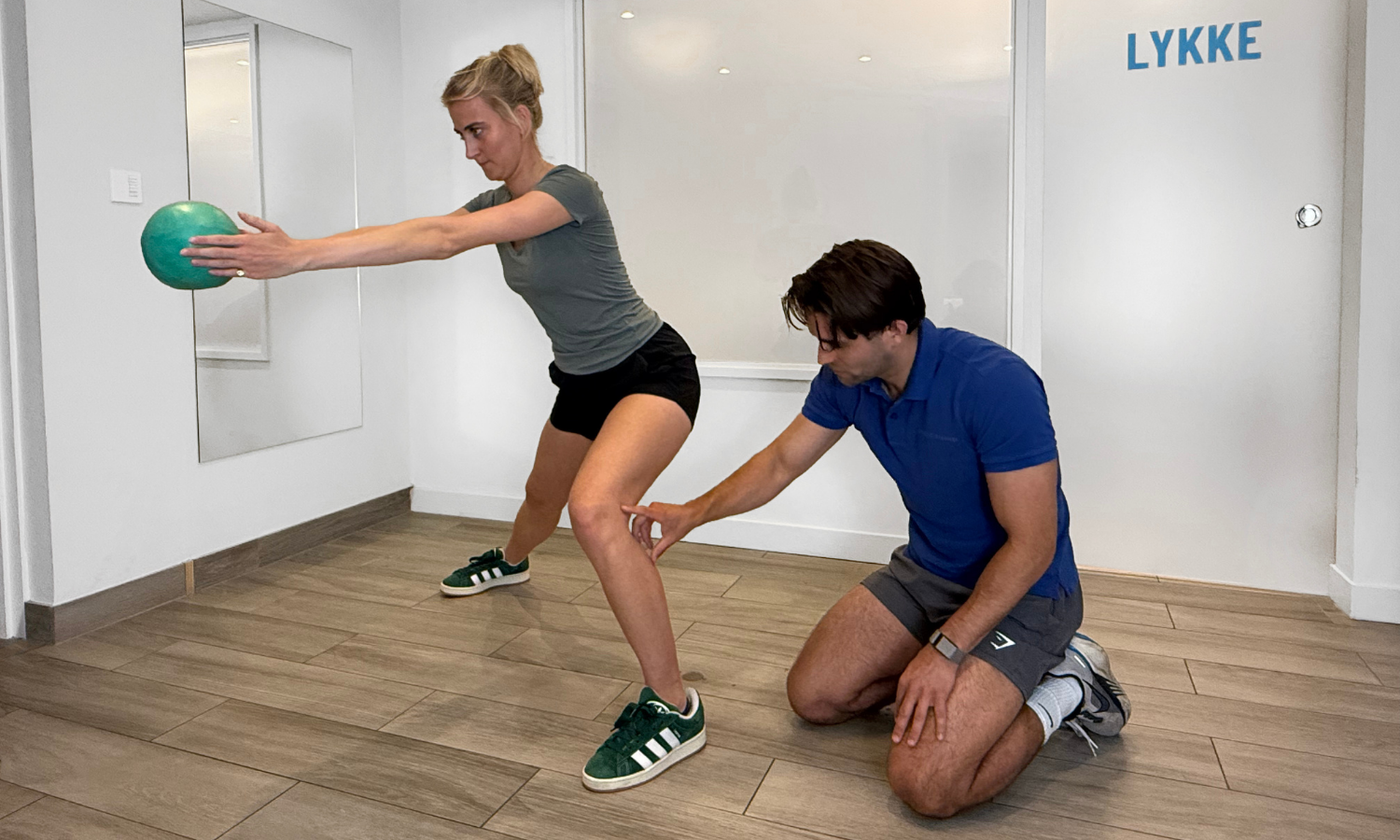
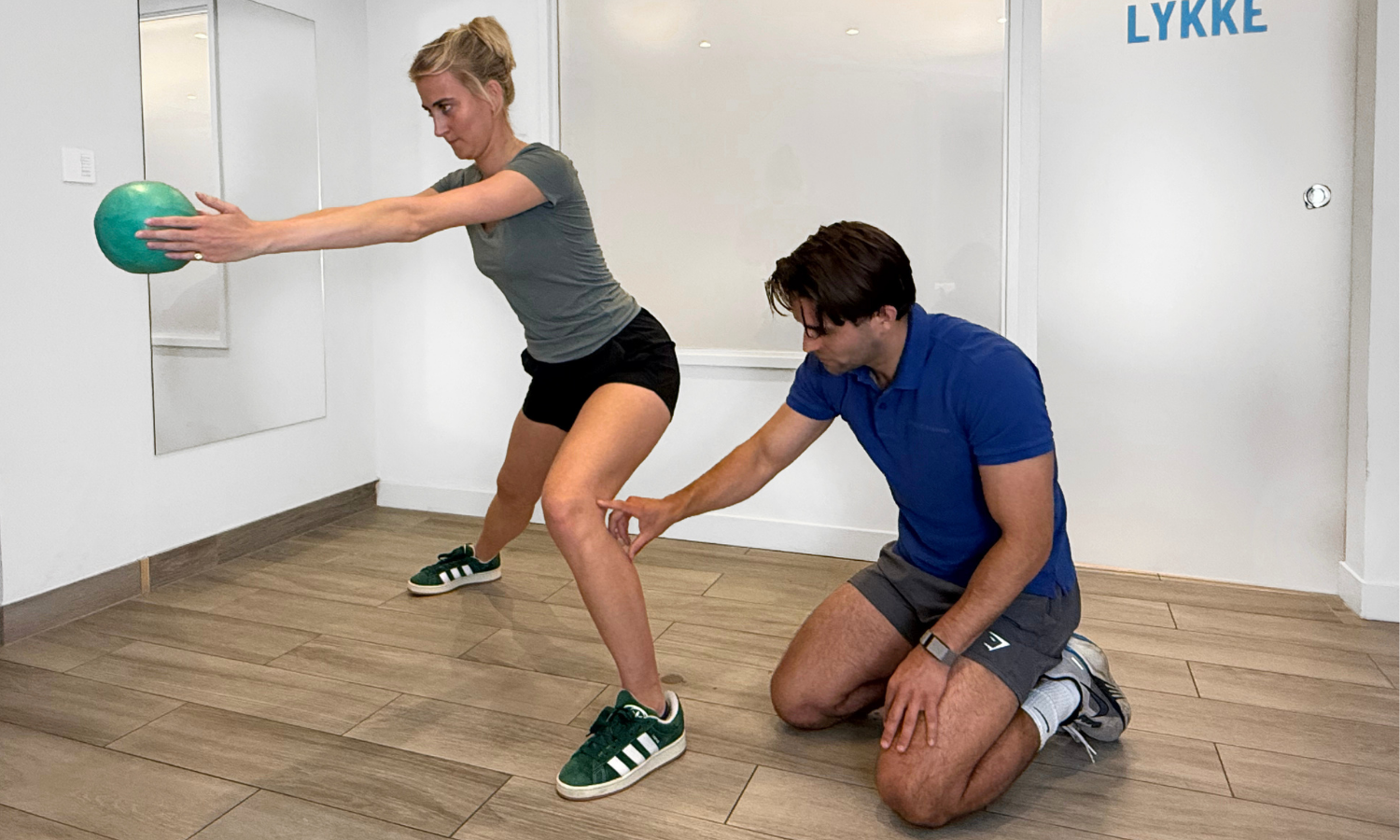
As pain settled, the strengthening programme became progressively more demanding. The aim was no longer simply to tolerate everyday movement. The hip needed enough strength and control to manage the repeated loading, changes of direction and movement required on a tennis court.
By weeks four to six, the patient was back playing tennis without pain. That was an important milestone, but rehabilitation was not finished. One of the symptoms that had been particularly persistent, pain when lying on the affected hip, was still resolving.
-
Weeks 6–8: Sleeping on the affected side without pain
By the final stage of rehabilitation, improvements were felt in both activity and rest. Within six to eight weeks, the patient could once again lie on the affected side and sleep without pain.
The progression was notable because recovery did not happen everywhere at once. Sitting became comfortable first, tennis followed, and comfortable side-lying came later. Treatment progressed based on what the hip could tolerate, rather than waiting for every symptom to disappear before doing more.
How exercise rehab supported a return to tennis
The initial assessment had shown that the patient did not need more hip movement. They already had full range. What they needed was a stronger hip that could cope with the demands being placed on it.
That is why progressive strengthening remained central to rehabilitation. Exercise was gradually advanced as symptoms improved, while advice around aggravating positions helped prevent the painful area from being repeatedly overloaded in between sessions.
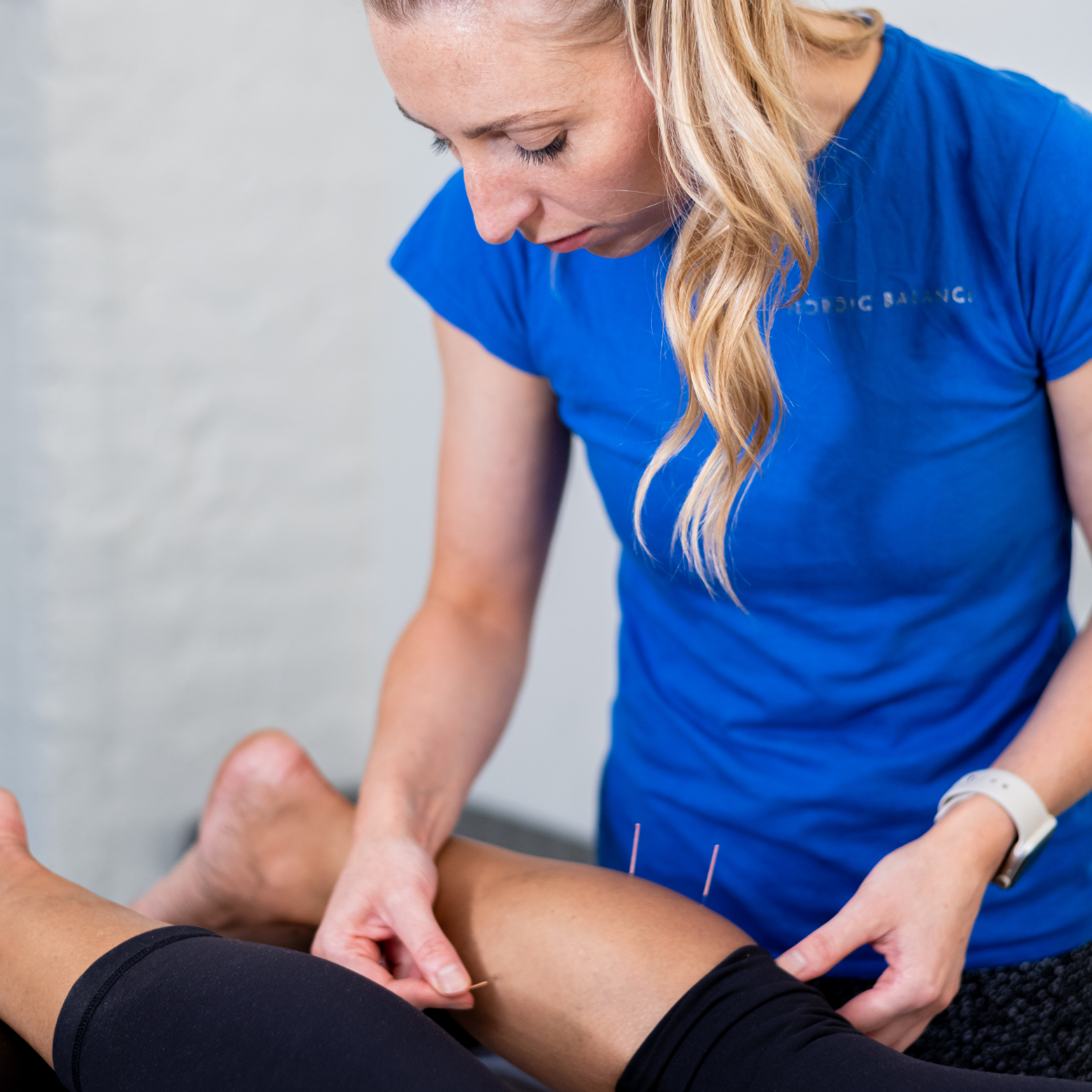
Where surrounding muscles were particularly tight or uncomfortable, Annie used manual therapy and soft-tissue techniques alongside the exercise programme. These treatments supported comfort and movement, while strengthening remained the main route towards returning to tennis.
The plan stayed connected to the patient’s goals throughout. Sitting comfortably, sleeping normally, continuing to be active and getting back on court without the hip deciding what was possible.
Playing tennis without outer hip pain
After four physiotherapy sessions over eight weeks, the patient had:
- Returned to sitting comfortably at work within two weeks
- Returned to tennis without pain within four to six weeks
- Returned to lying and sleeping on the affected side without pain within six to eight weeks
- Improved strength around the hip
- Reached the end of treatment without hip pain.
The biggest change was not a single strength score or movement test. The hip had stopped interfering with the patient’s day. Work was comfortable again. Sleep was no longer dictated by which side they could lie on. And tennis was back without pain.
This case also shows why greater trochanteric pain syndrome is not necessarily a problem that needs more rest or more stretching. For this patient, the path forward was understanding what the hip was struggling to tolerate, reducing unnecessary irritation, and progressively rebuilding the strength needed to get back to the life they wanted.
If outer hip pain is affecting your everyday life and the activities you love, a physiotherapy assessment at Nordic Balance can help identify what is limiting you and build a clear plan to help you do more again.