Physiotherapy
Patient Profile

Condition / Injury
Tendinopathies
Patient type:
26-year-old first-time marathon runner
Treatment duration:
Six weeksPosterior tibial tendonitis during marathon training
When you are training for your first marathon, it is not always easy to know which aches are part of increasing your mileage and which need more attention. Eight weeks into a London Marathon training plan, the patient developed pain and weakness along the inside of the lower leg. Two weeks later, the symptoms persisted. Running was becoming uncomfortable, and mornings started with noticeable stiffness.
With only six weeks until race day, the timing created understandable uncertainty and anxiety. Months of training had already gone into preparing for the marathon, but continuing to increase mileage without understanding the problem risked making the symptoms harder to manage.
An online physiotherapy consultation had already provided some exercises. Still, the patient wanted a clearer understanding of what was causing the pain, whether running could continue and what would need to change before race day.
Diagnosing Posterior Tibial Tendonitis
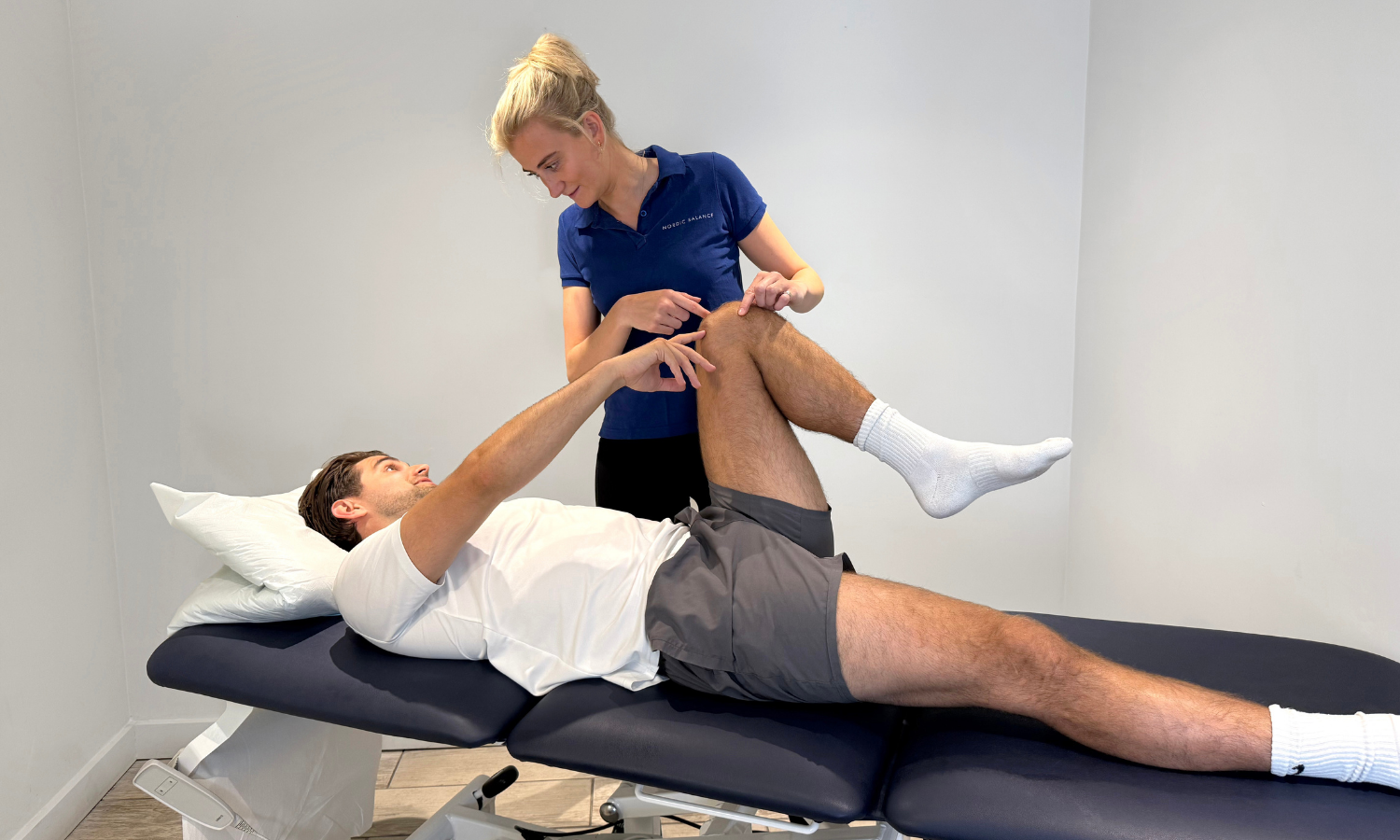
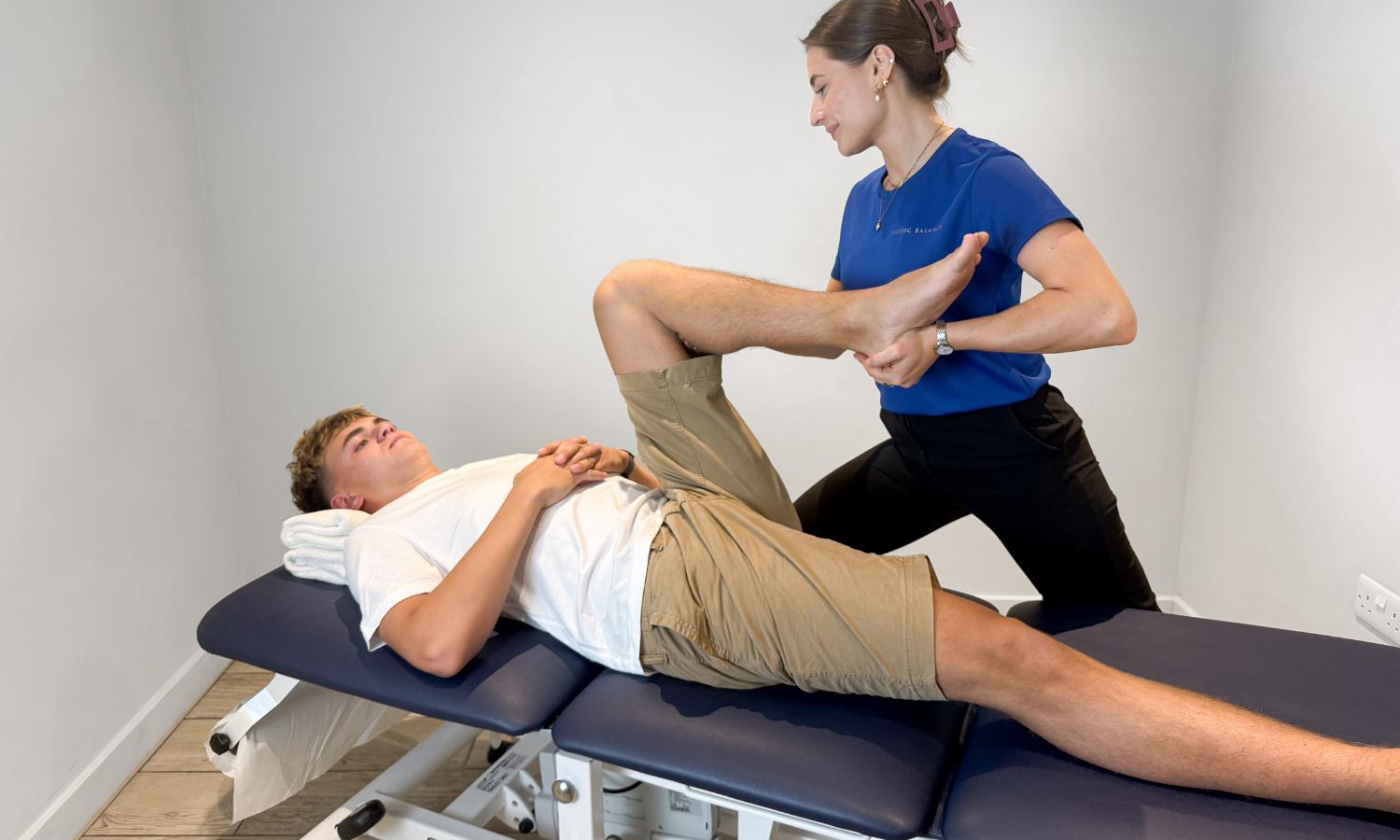
Physiotherapist Pooja began by assessing the location and behaviour of the symptoms, along with how the lower leg responded to movements that reflected the demands of running. There was tenderness along the tibialis posterior tendon, which runs from the calf down the inside of the lower leg and ankle and plays an important role in supporting the foot during walking and running. A single-leg calf raise highlighted weakness, while hopping and jump squats reproduced the pain experienced during training.
The training history added another important part of the picture. This was the patient’s first marathon build, so weekly mileage had increased considerably as the programme progressed, without strength training alongside it. Taken together, the local tendon symptoms, morning stiffness, reduced calf strength and recent increase in running load were consistent with posterior tibial tendonitis.
Rather than focusing only on the painful area, the assessment helped identify the broader issue: the demands of marathon training had increased faster than the lower leg could comfortably tolerate. The question was no longer simply whether running needed to stop. It became how to adjust training, rebuild strength and increase the leg’s capacity over the six weeks remaining.
Keeping marathon training on track
Complete rest was not automatically necessary. Based on the assessment, Pooja adapted the running plan so training could continue at a level the lower leg could manage. At the same time, rehabilitation focused on rebuilding the strength that had been lacking during the marathon programme.
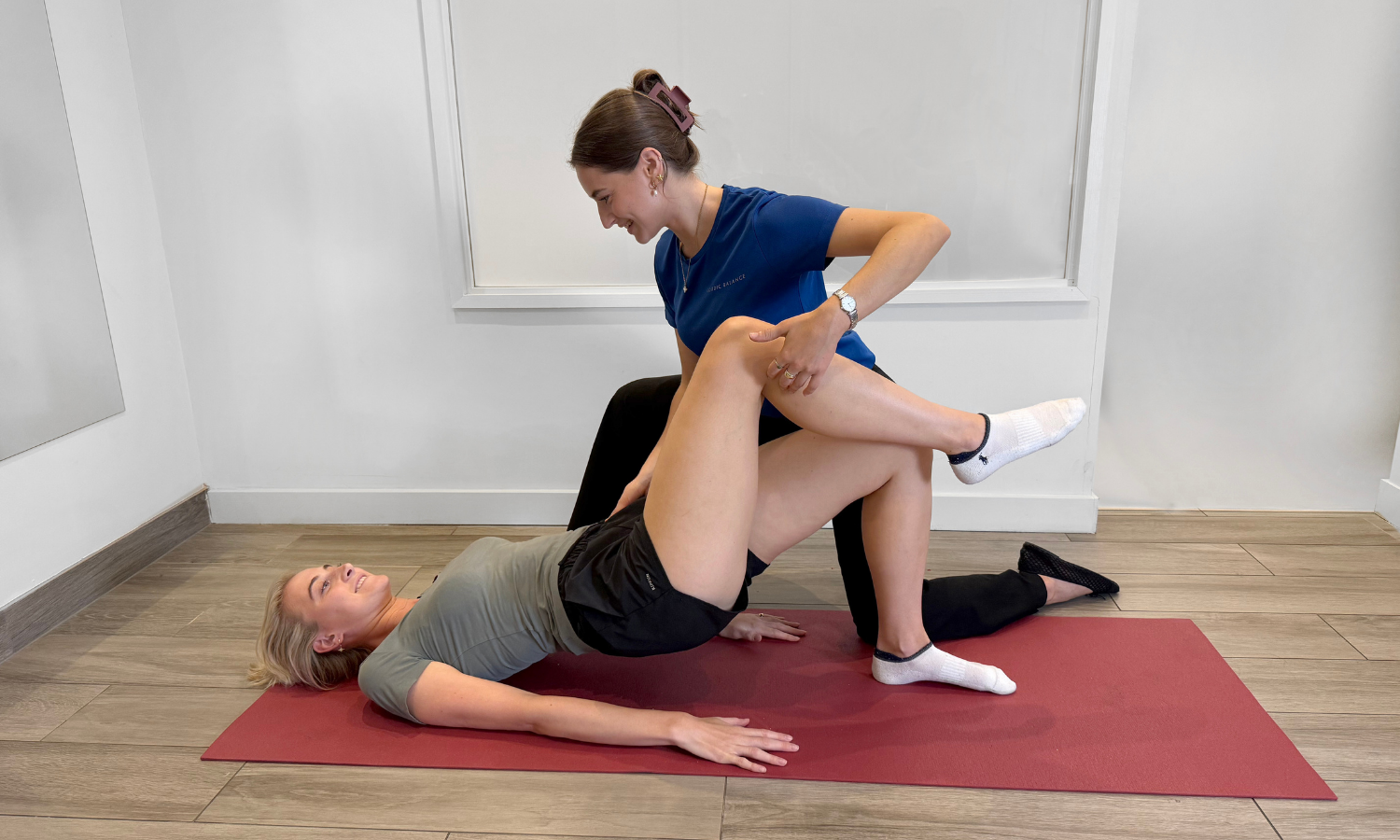
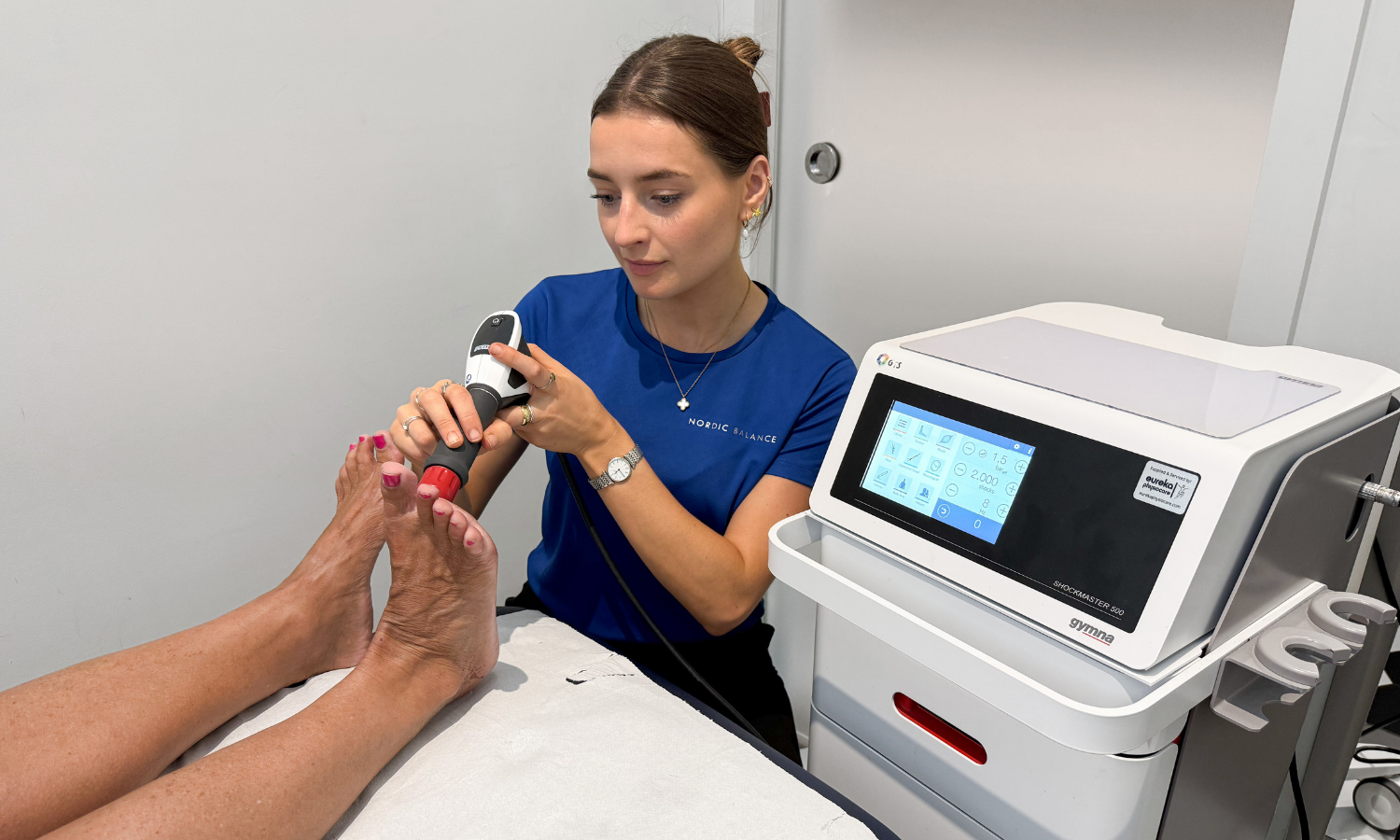
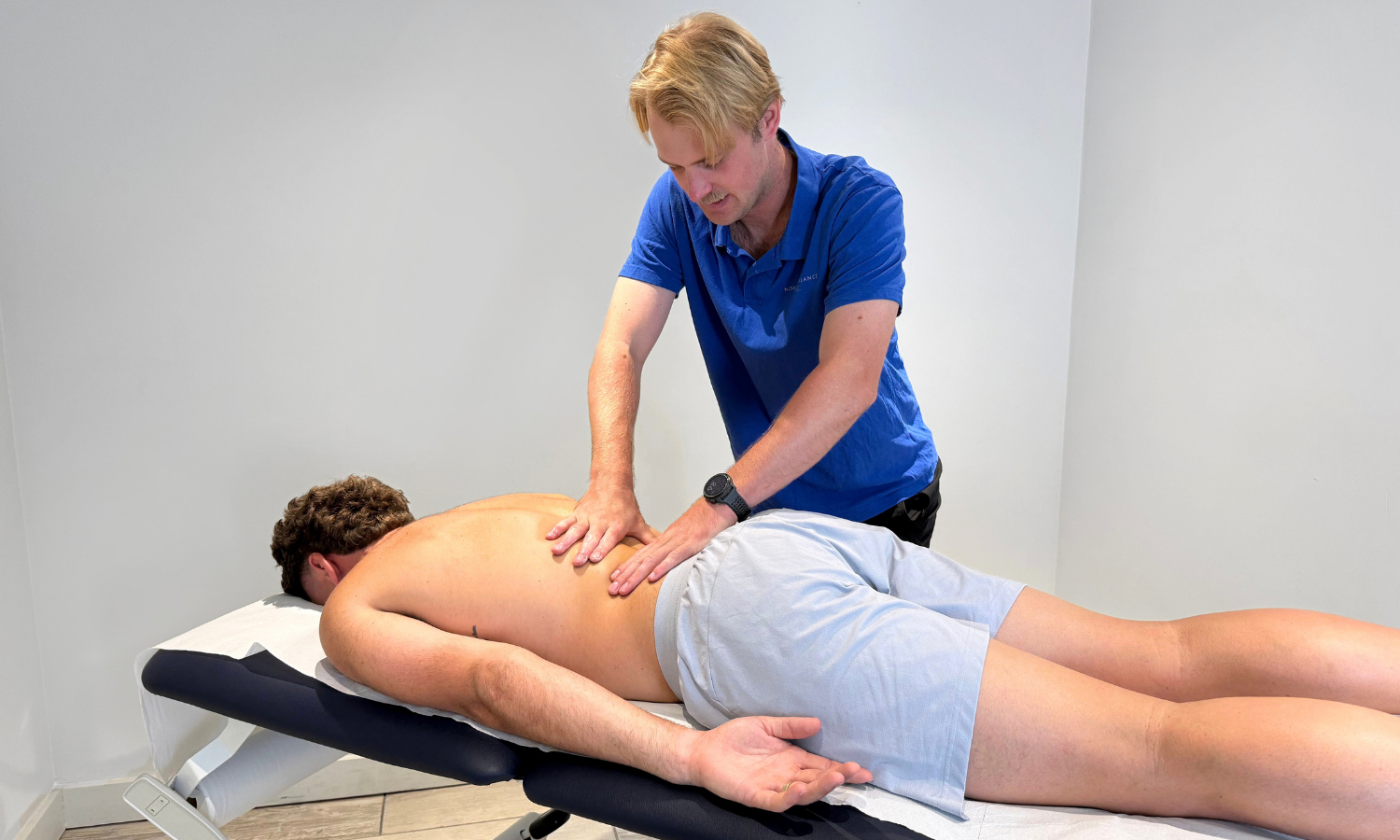
Early exercises targeted the calf and lower leg before progressing towards movements that placed greater demand through the tendon. Hands-on treatment also supported rehabilitation to manage stiffness, and the patient received practical advice for managing symptoms between appointments.
This approach meant treatment was not separated from marathon preparation. Running load and rehabilitation were adjusted together as the leg responded. The aim was not simply to make the tendon feel better during an appointment. It was to progressively prepare the lower leg for the repeated loading required to run a marathon.
Running assessment and rehabilitation
Pooja also asked the patient to record a running video. This added another layer to the assessment. Rather than looking only at where symptoms occurred, the video made it possible to consider how the patient moved while running and provide individual cues that could be taken directly into training.
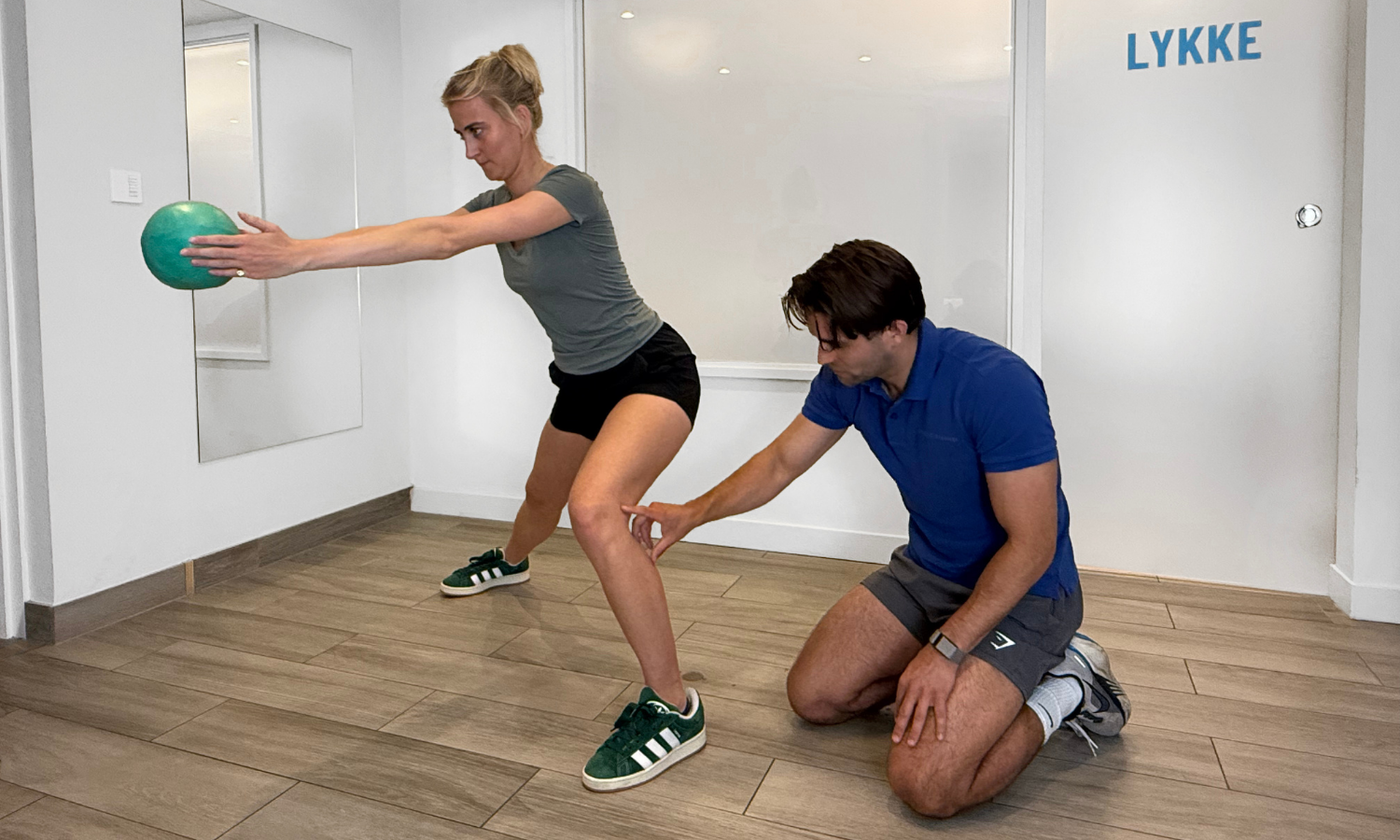
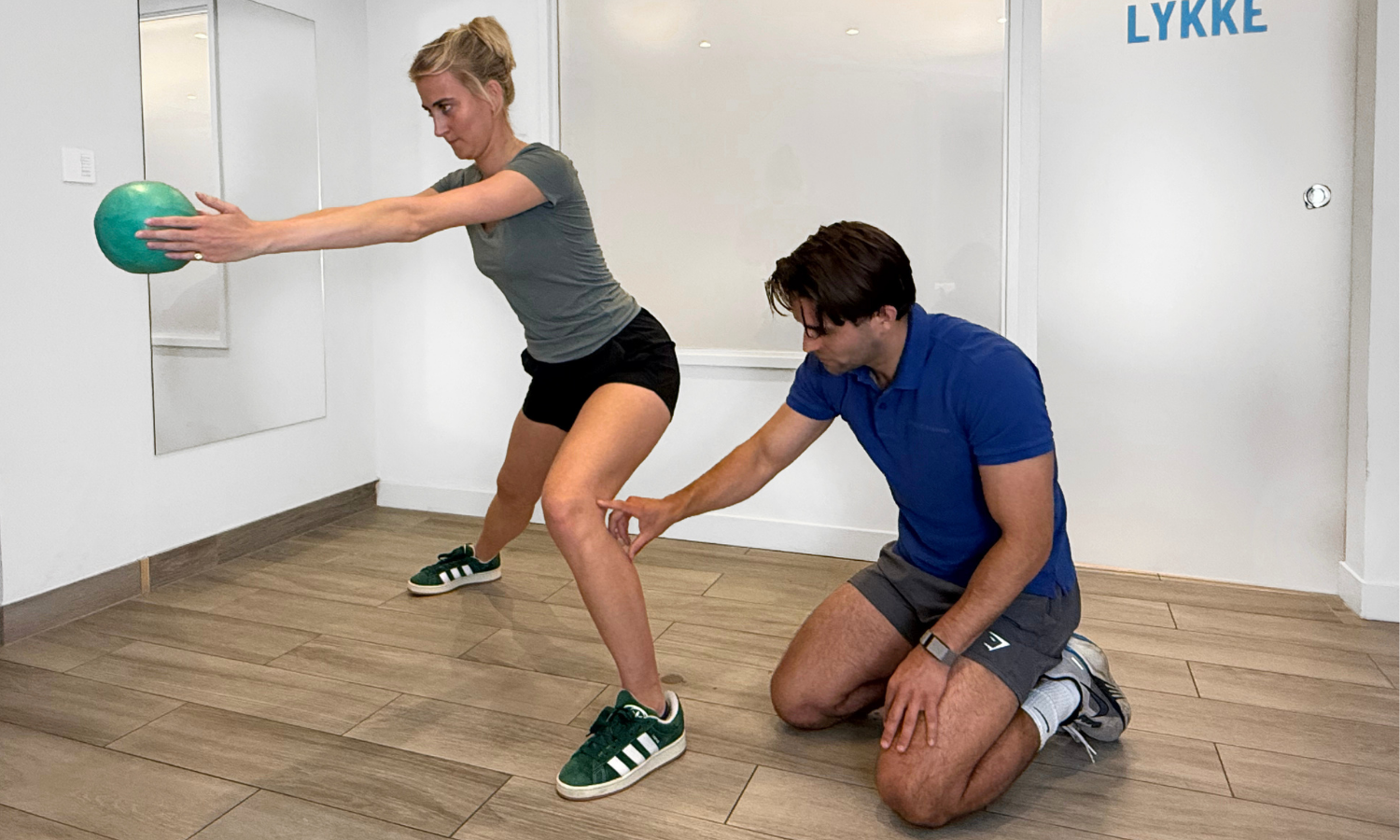
As symptoms settled and strength improved, the rehabilitation became progressively more demanding. Controlled strengthening progressed to hopping, jumping, and more explosive movements. These exercises increased the amount and speed of load passing through the lower leg, helping bridge the gap between isolated strength work and the repeated impact of running. The progression was guided by the patient’s response rather than simply by the number of weeks remaining.
Six-Week Posterior Tibial Tendon Rehabilitation
-
Weeks 1–2: Managing pain and training load
The first stage focused on making running more manageable while beginning to address the weakness found during assessment. Training was adjusted rather than stopped completely, while targeted calf and lower-leg strengthening was introduced. The priority was to reduce unnecessary irritation without losing the training base already built.
-
Weeks 2–4: Building strength and impact tolerance
As the lower leg became more comfortable and stronger, rehabilitation progressed. Strength exercises became more demanding, and jumping movements were introduced to prepare the leg for greater impact. This marked an important shift. Rehabilitation no longer focused mainly on settling symptoms; it began to reproduce more of the forces the leg would experience during running.
-
Weeks 4–6: Preparing for race day
With the marathon approaching, running and rehabilitation continued alongside one another. Pooja adjusted the training plan according to how the lower leg was responding, while strength and impact-based exercises remained part of the programme.
Hands-on treatment continued where useful for managing stiffness. At this stage, the focus shifted to whether the leg could tolerate the demands of sustained running, rather than simply whether it felt comfortable during treatment.
London Marathon outcome
Six weeks after posterior tibial tendon pain had begun casting doubt over the patient’s first marathon, they reached the London Marathon start line. The lower leg that had initially felt weak, stiff in the mornings and painful during hopping and running now had to tolerate 26.2 miles. The patient completed the full London Marathon without lower-leg pain.
After six weeks of rehabilitation, the patient had:
- Completed their first London Marathon without lower-leg pain
- Continued marathon training while recovering
- Progressed from painful single-leg and jumping movements towards higher-load rehabilitation
- Rebuilt strength and tolerance through the calf and lower leg
- Successfully managed increasing running demands through to race day
The result was not simply that the tendon felt better. The more meaningful outcome was that the patient could tolerate the demands that mattered to them, in this case, completing their first marathon.
Managing posterior tibial tendonitis in runners
This case also highlights an important point about running injuries: pain does not always mean you have to stop running. Where appropriate, adjusting training load while progressively rebuilding strength can allow rehabilitation and running to continue together. That decision depends on the individual injury, symptoms and assessment. For this patient, understanding what the lower leg could currently tolerate made it possible to adapt training rather than abandon it.
As capacity improved, rehabilitation became progressively closer to the demands of running. If pain interferes with running, an assessment can help identify what may be contributing, how much load your body can currently manage and what needs to change to help you keep progressing. Contact our physiotherapy team today.