Physiotherapy
Patient Profile

Condition / Injury
Fractures & dislocations
Patient type:

Treatment duration:
Tibia and fibula fracture in a young rugby player
Before the injury, the patient played and trained for rugby for about eight hours a week. Sport was a significant part of his normal routine. That changed suddenly when he fractured both the tibia and fibula during a rugby match.
An emergency hospital visit followed. The medical team attempted to realign the bones without surgery using ultrasound guidance. The patient then spent six weeks in a cast using crutches, followed by a further four weeks in a rigid moon boot.
For someone used to being active most days, the restriction was a major adjustment. Rugby stopped, everyday movement became more difficult, and the sudden drop in activity affected his mood and the family’s usual routine. Rehabilitation therefore started with a simple question: what could the patient safely continue doing while the fractured leg remained protected?
Physiotherapy for tibia and fibula fracture recovery
The fractured leg needed time to heal, but complete inactivity was not the only option.
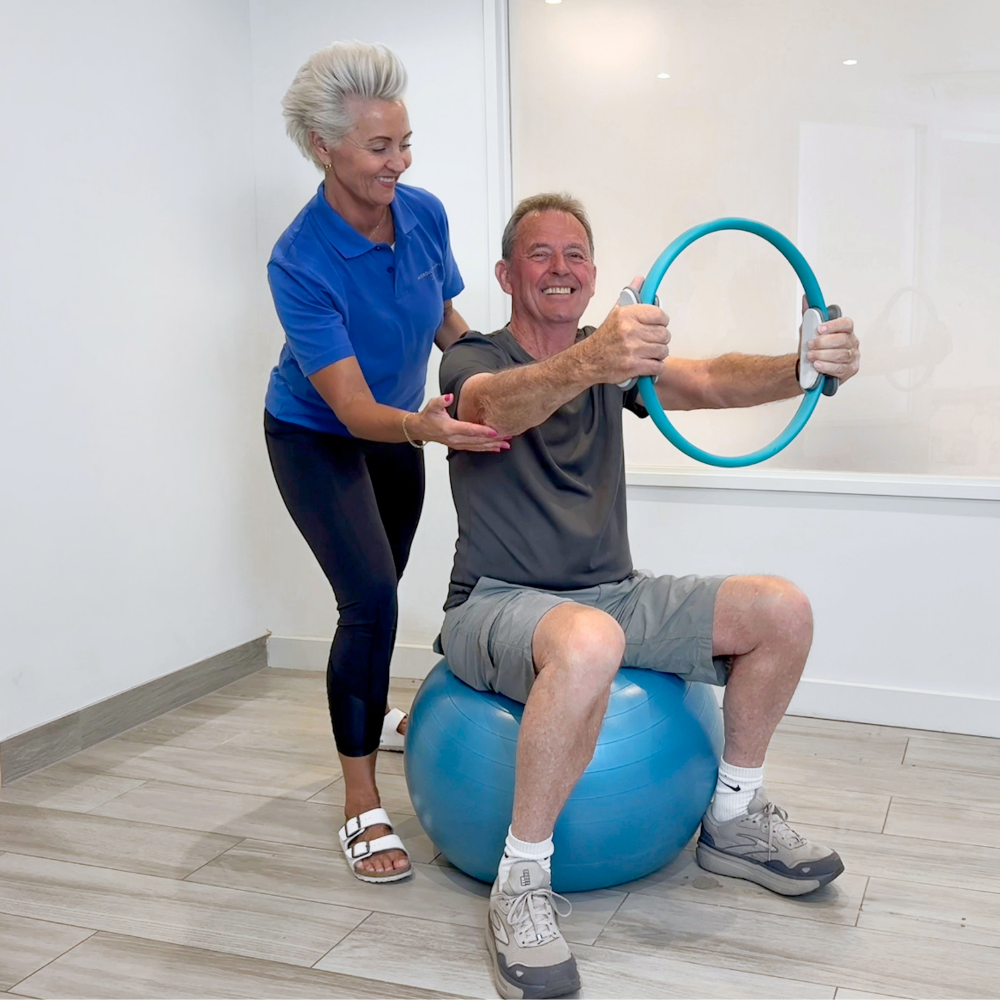
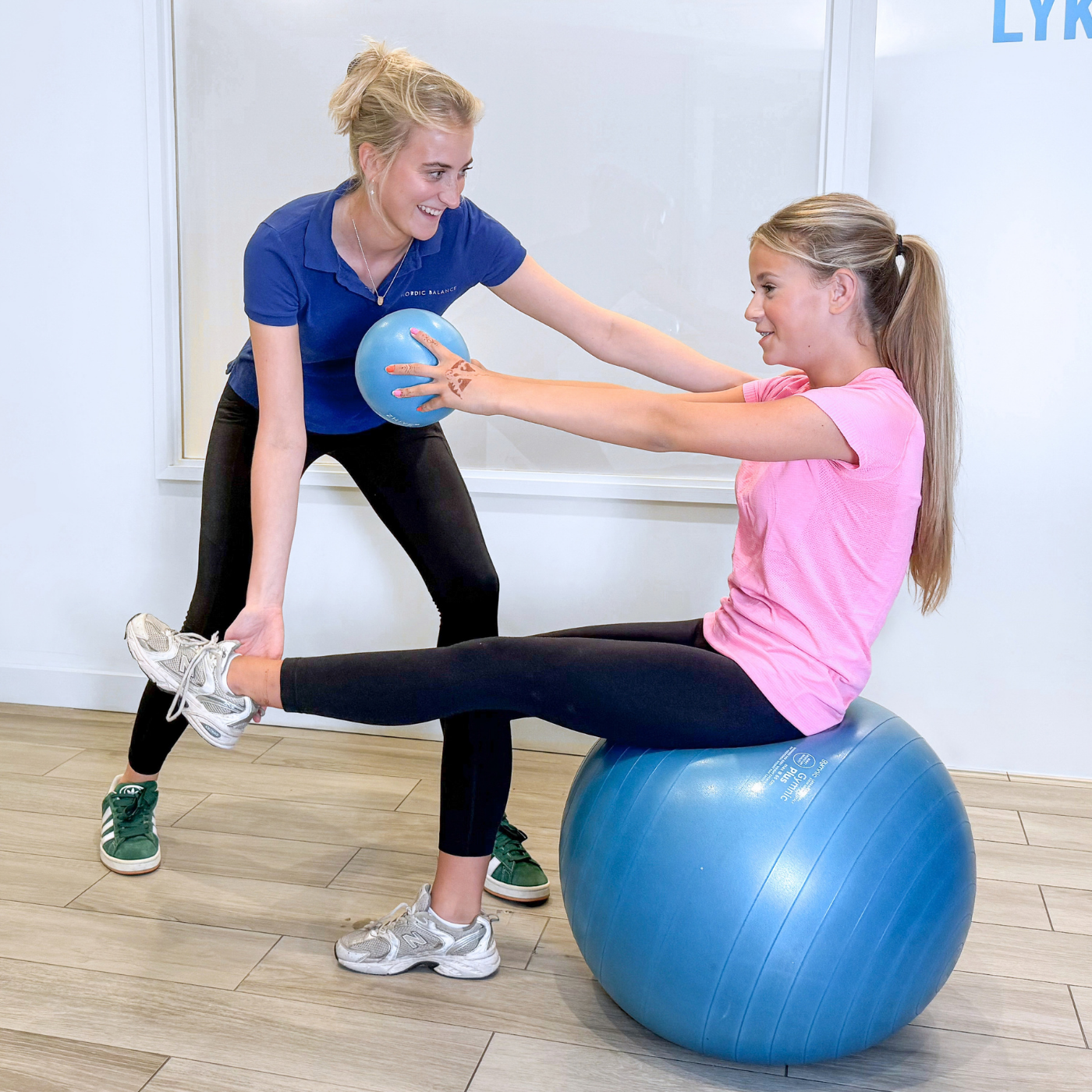
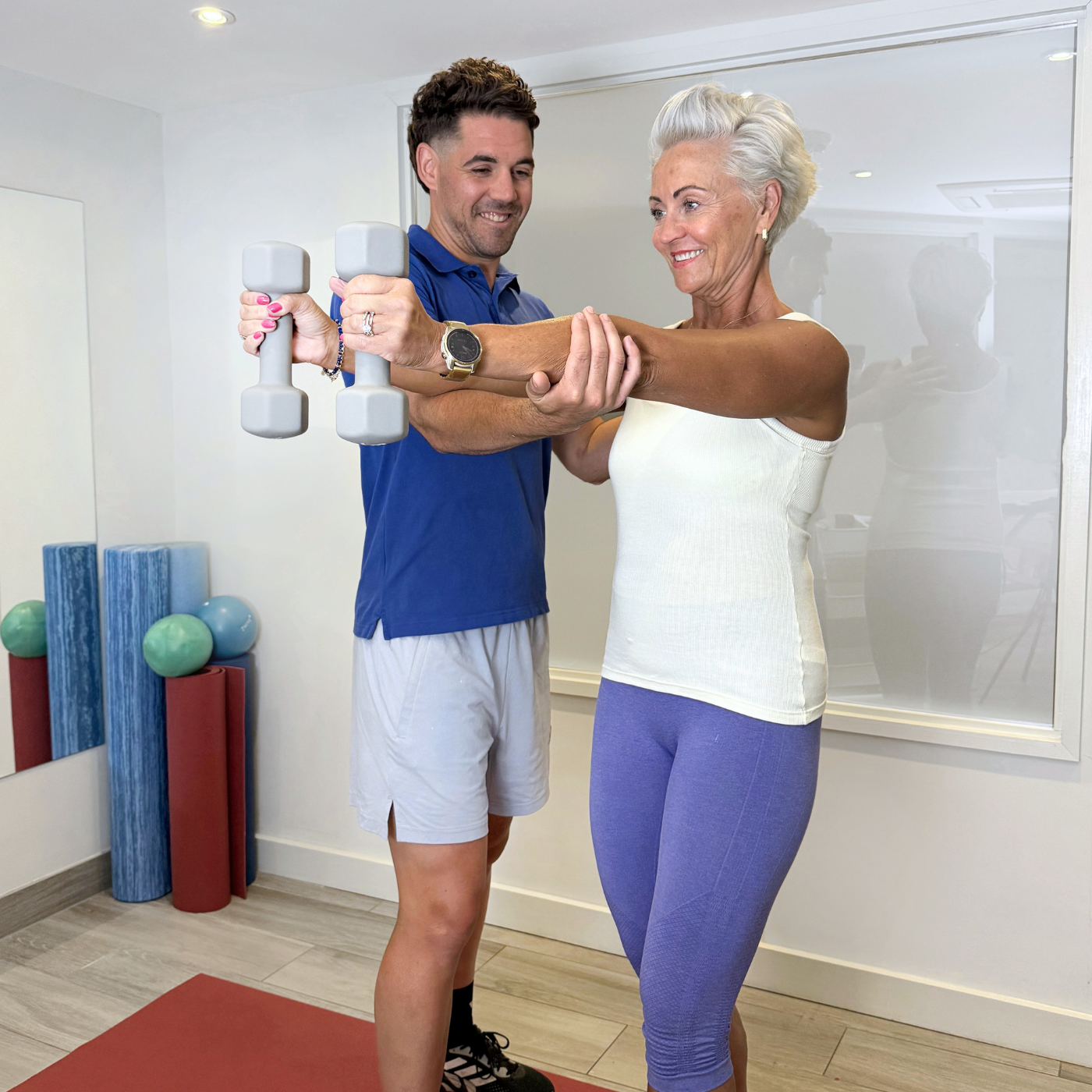
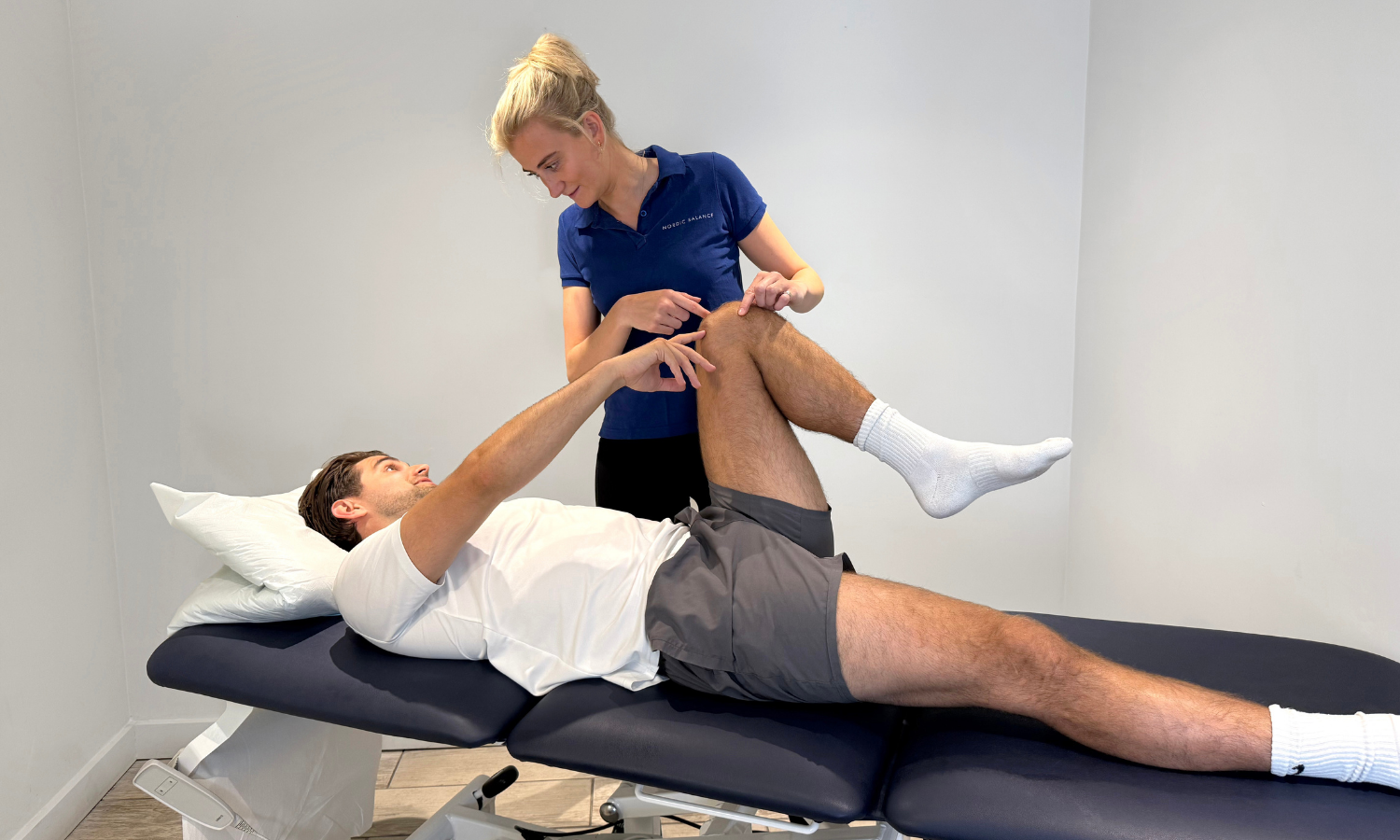
With support from Nordic Balance physiotherapists, the patient continued exercising in ways that worked around the injury’s restrictions. His programme included upper-body training and exercises for the unaffected leg while the fractured side remained immobilised.
This allowed him to stay physically engaged without asking the injured leg to do more than it was ready for, for a young athlete accustomed to regular training, and it also gave the early stages of recovery some structure. Instead of six weeks being purely about waiting for the cast to come off, he still had things to work on.
Maintaining strength whilst in a cast for 6 weeks
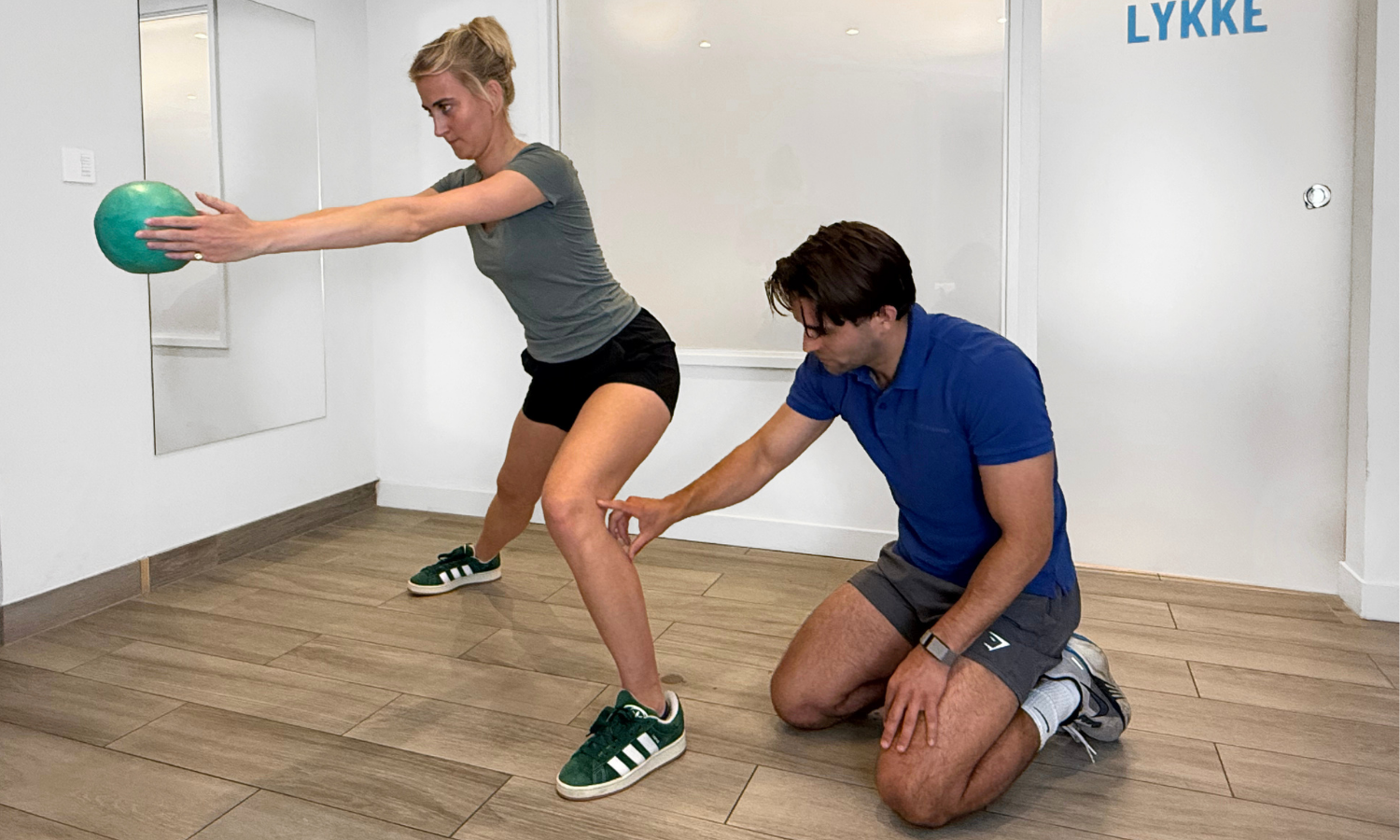
Part of the early programme involved unilateral exercise, where one side of the body is trained independently. Because the injured leg needed to remain protected, the patient could work on the healthy leg alongside upper-body exercises. The aim was not to rush the fracture recovery. It was to maintain as much general strength and activity as possible while respecting the restrictions set by the hospital team. That distinction shaped the first phase of rehabilitation: protect what needed to heal while continuing to train what could be used safely.
Physiotherapy after cast removal
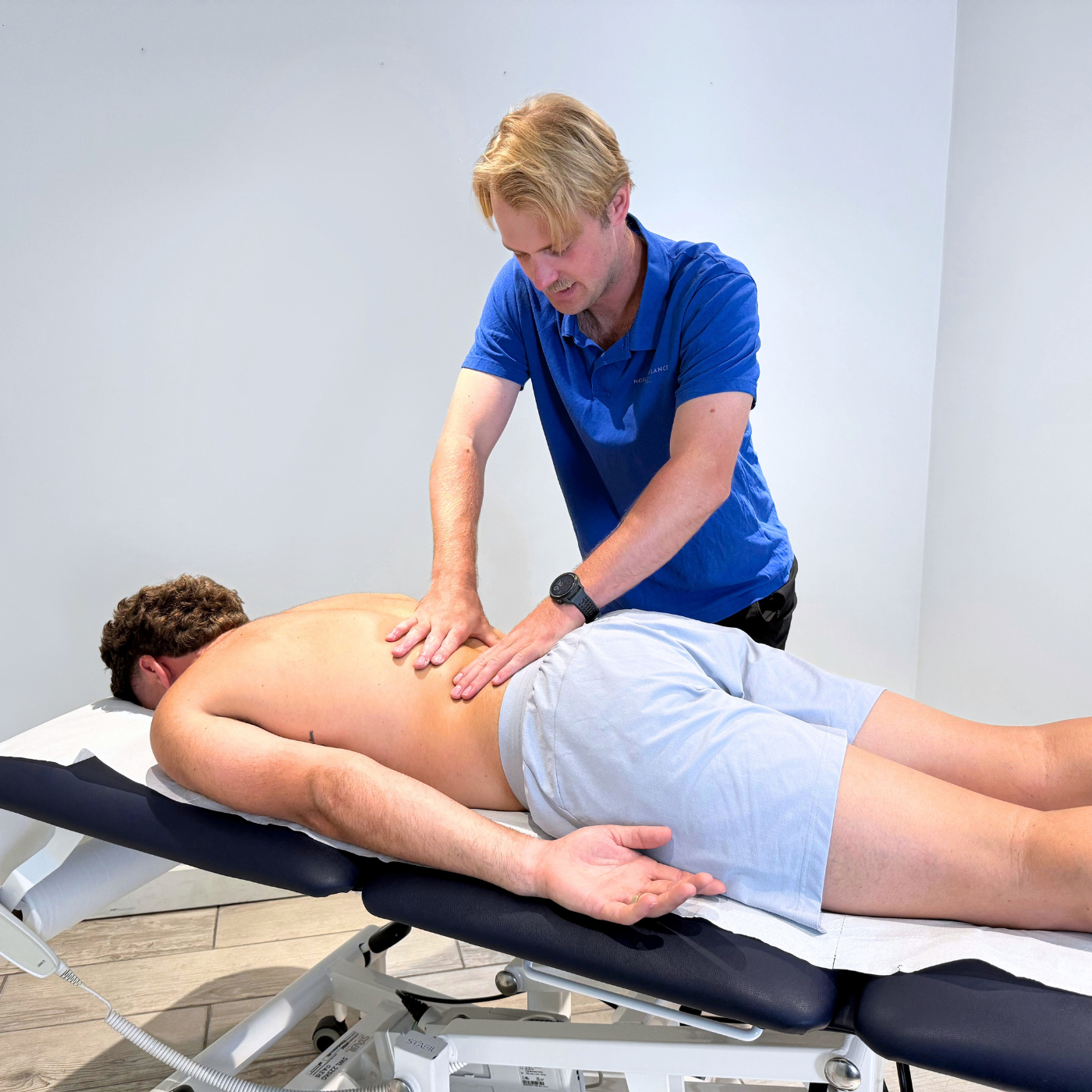
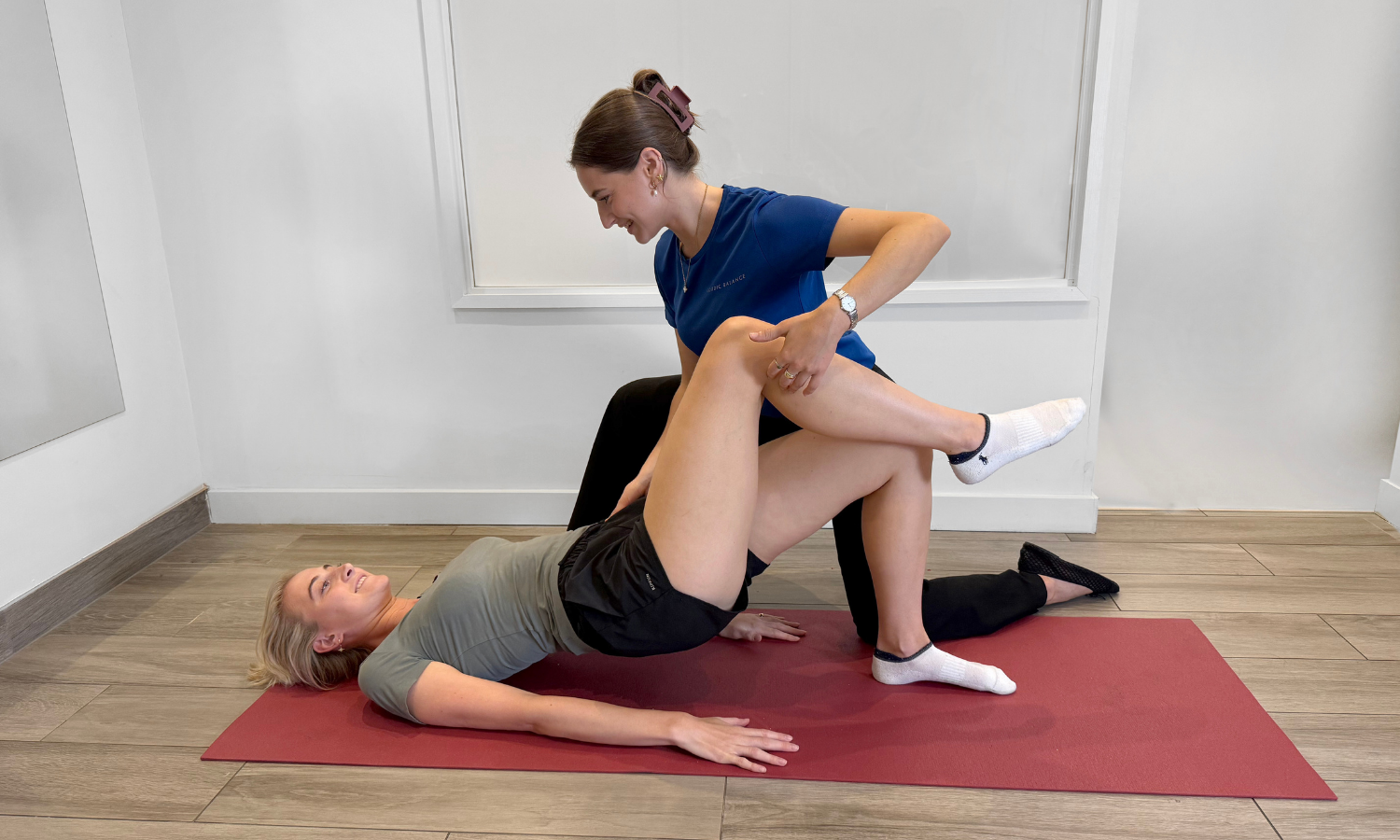
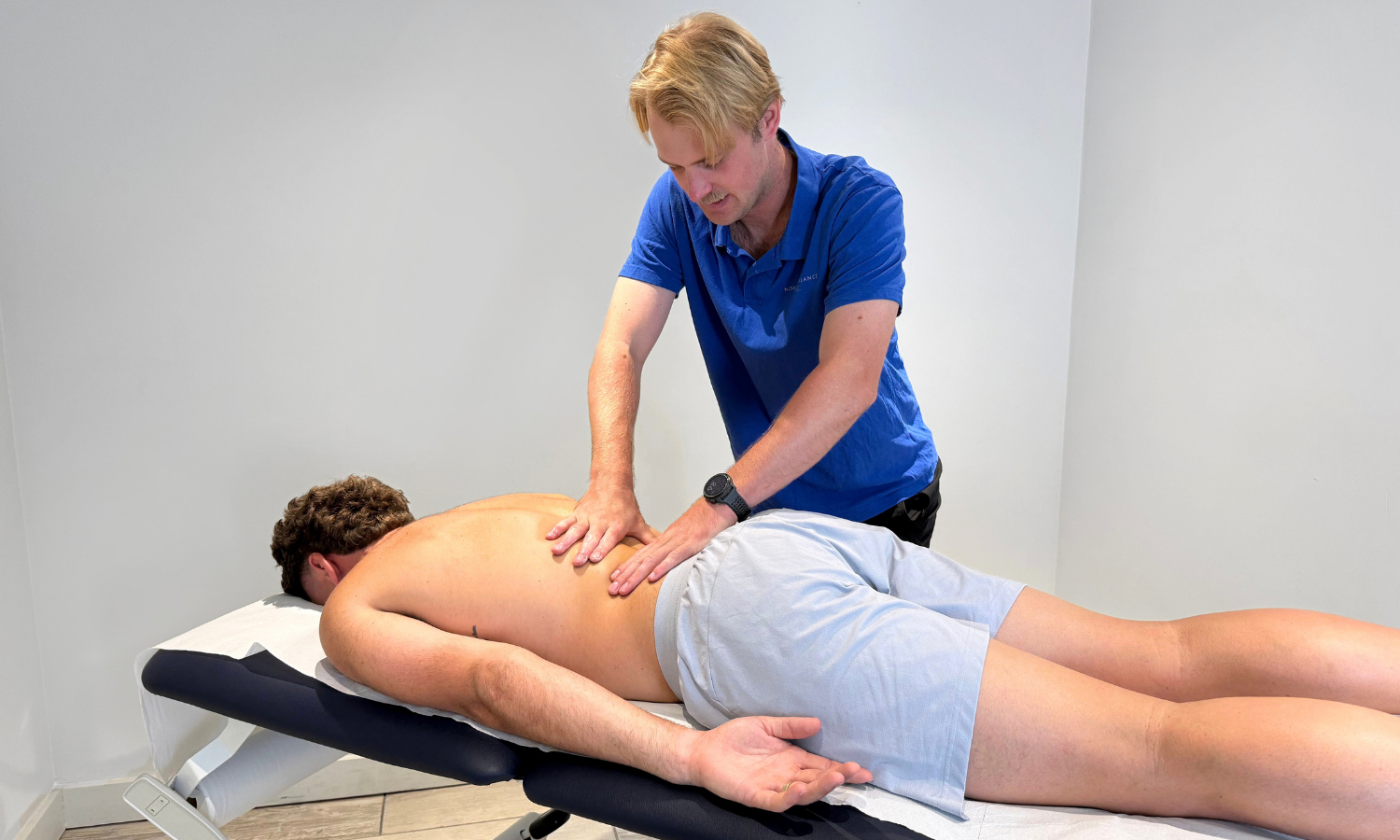
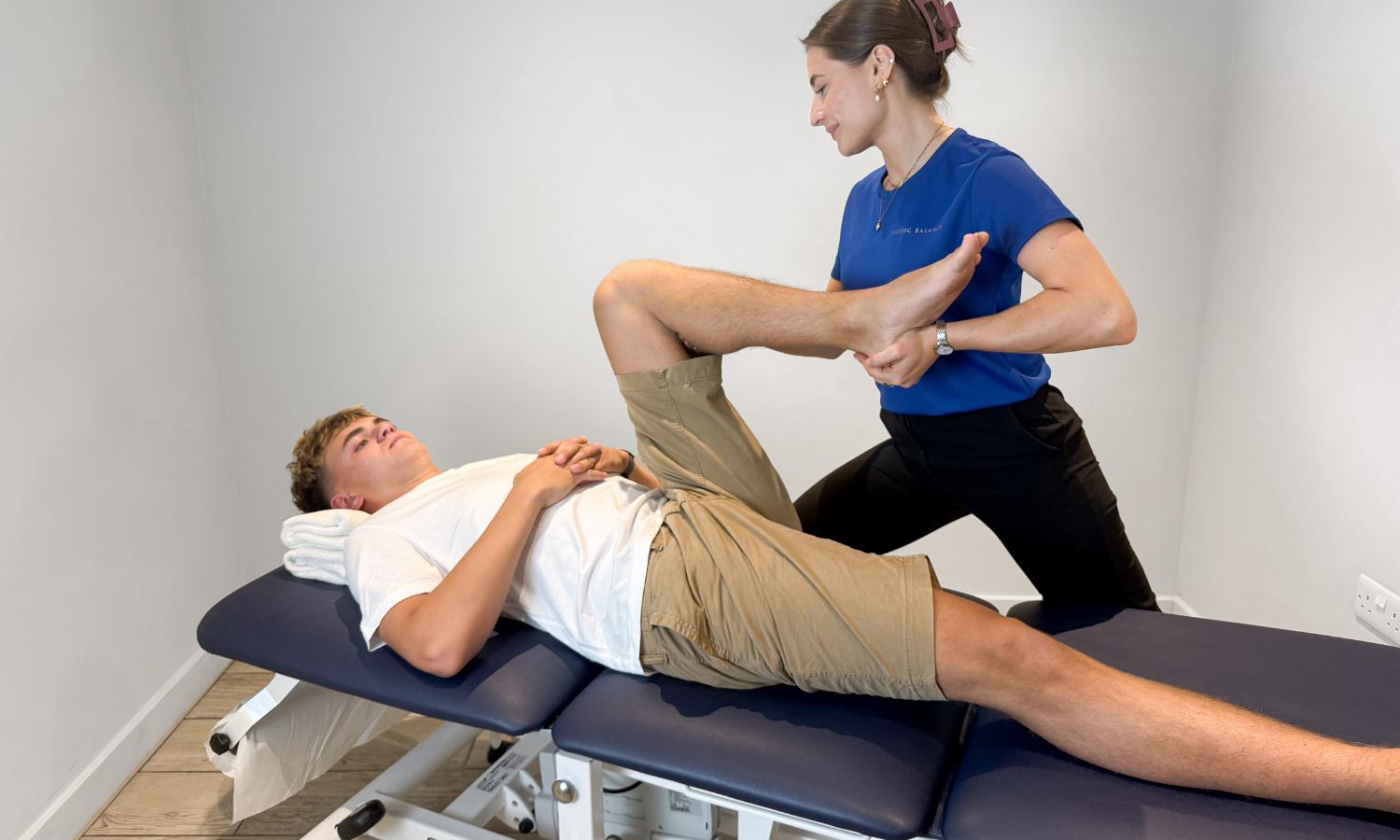
Coming out of the cast was an important milestone, but it was only the beginning of getting the injured leg moving normally again. After six weeks of very limited movement, the patient needed time to feel comfortable using the leg again. Once the cast was removed, the physiotherapy programme began to place more emphasis on mobility. Gentle exercises were introduced, while ice and elevation were used to help manage swelling. Hands-on manual treatment was also incorporated as the patient progressed.
Restoring mobility
The priority was to restore movement gradually. Rather than jumping straight from immobilisation back into sport, the patient began with movements appropriate to this stage of recovery. As mobility improved, physiotherapy could progressively ask more of the leg. For the patient, this shift mattered. Rehabilitation was no longer mainly about working around the injury. The focus could shift toward rebuilding the leg itself.
Rebuilding strength in the fractured leg
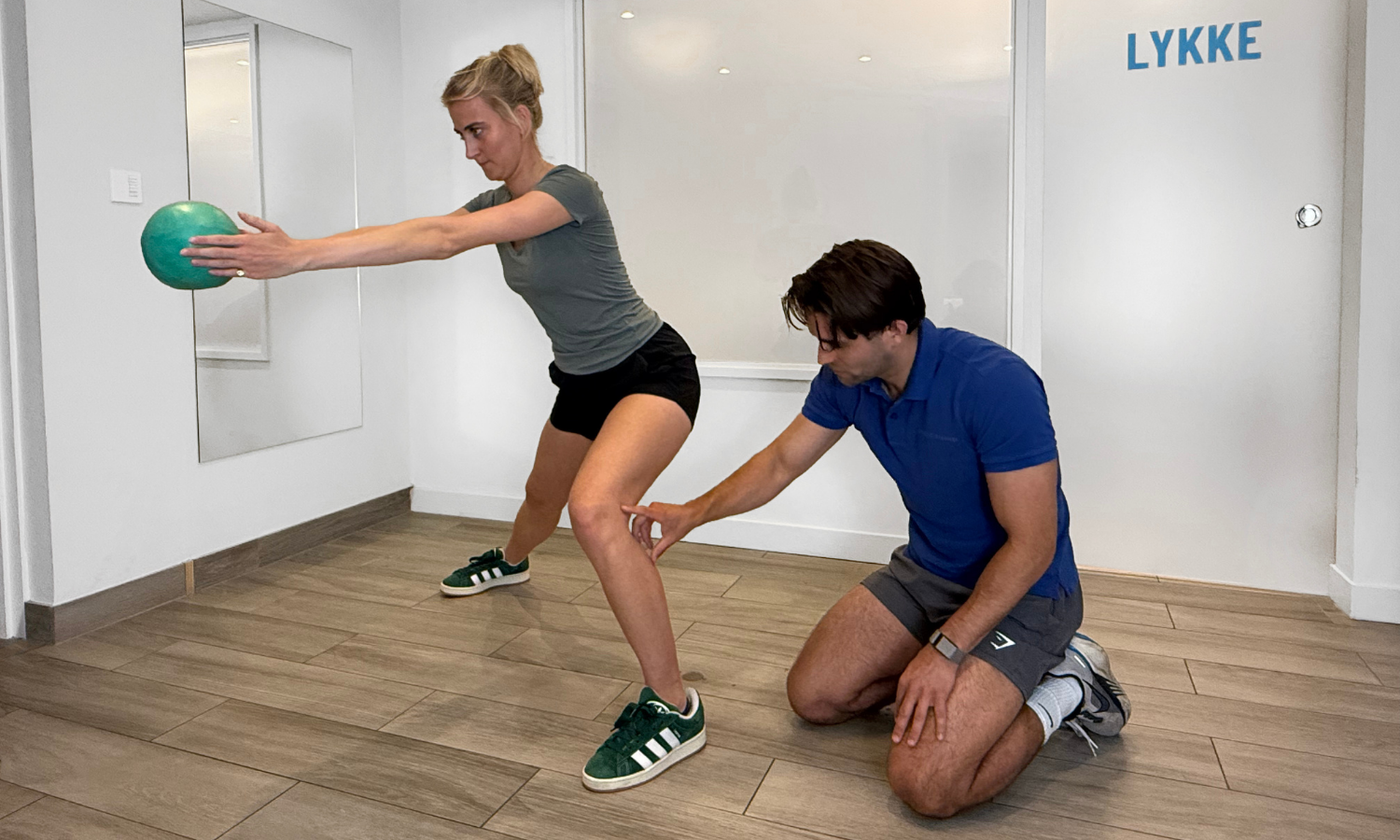
Strength was gradually reintroduced as the patient recovered. The demands at this stage were very different from rugby. Before thinking about running, tackling or changing direction, the leg first needed to become more capable during normal movement and exercise. Progression therefore happened in stages as the patient moved from immobilisation to gentle mobility work to increasingly active rehabilitation as the leg became ready to tolerate more.
Three months of rehabilitation after a tibia and fibula fracture
The full rehabilitation process lasted three months. Over that time, the patient’s physiotherapy needs changed considerably. Early rehabilitation focused on staying active while protecting the fracture. After the cast came off, attention shifted towards mobility and restoring use of the injured leg. Strength could then be rebuilt progressively as recovery continued. This progression mattered because getting out of a cast was never the final goal – the patient wanted to get back to rugby.
Progressing from everyday movement to sport
Moving comfortably in everyday life was an important step, but rugby would eventually demand much more from the leg. Running, accelerating, stopping, changing direction and coping with contact all place very different demands on the body from normal walking.
Rehabilitation therefore needed to build capacity progressively, rather than treating the disappearance of everyday symptoms as proof that the patient was ready for sport. Each stage created the foundations for the next: movement first, then strength, then greater physical demands as recovery allowed.
Preparing for a return to rugby
As strength and movement returned, the longer-term focus was preparing the patient for rugby again. At the stage described in the original case, his recovery was progressing well, but he still had further rehabilitation ahead before returning to contact sport. The plan remained deliberately gradual rather than rushing the final stages.
For a young rugby player, the aim was not simply to get the leg feeling better. It was to rebuild enough strength, movement and confidence for the body to eventually cope with what the sport would ask of it again.
Supporting a young athlete during sports injury rehabilitation
The injury affected more than the patient’s leg. His parent described the sudden shift from about eight hours of rugby each week to near inactivity as a difficult adjustment for the whole family. Keeping the patient involved in appropriate exercise gave him something constructive to work on during the early stages.
As the cast came off and his options expanded, the focus could shift again. The patient, family, physiotherapists, and hospital team each had a role in supporting recovery without losing sight of the restrictions that were still necessary.
Preparing for return to sport after a tibia and fibula fracture
Over six months of rehabilitation, the patient moved from complete leg immobilisation to progressively rebuilding movement and strength, with the longer-term goal of returning to rugby.
Treatment outcomes included:
- Maintained appropriate physical activity while the fractured leg was immobilised
- Continued upper-body and unaffected-leg strengthening during the casting period
- Completed six weeks in a cast followed by four weeks in a moon boot
- Gradually restored movement after the cast was removed
- Progressively rebuilt strength in the injured leg
- Increased what the leg could tolerate as rehabilitation continued
- Worked towards the physical demands required for rugby
- Completed six months of structured rehabilitation.
The significant change was not simply getting out of the cast. At every stage, rehabilitation gave the patient something appropriate to work towards. Initially that meant staying active without interfering with the injured leg. Later it meant restoring movement, rebuilding strength and preparing the body for more demanding activity. For a young athlete, that creates a much more useful goal than simply waiting for enough time to pass.
If a sports injury has taken your child away from the activity they love, physiotherapy can help. Contact Nordic Balance today.