Physiotherapy
Patient Profile

Condition / Injury
Cervical disc problems
Patient type:
42-year-old, office worker and father
Treatment duration:
Four monthsSlipped disc symptoms and nerve pain
For 18 months, this 42-year-old father had been living with symptoms that were becoming increasingly difficult to ignore. It was not simply an aching neck or back. He described tingling, burning and electrical sensations affecting his arms and legs, particularly around his fourth and fifth fingers and his toes. The symptoms started in his lower leg before spreading to both legs and arms.
Long days at a desk made things worse. He was regularly sitting for eight to ten hours, with symptoms also increasing during stressful periods and more vigorous exercise. Eventually, the problem began affecting the parts of life that mattered far beyond work. His sleep was being disturbed. Going to the gym and running had become difficult. Even picking up and playing with his son had become something he approached cautiously.
After 18 months of symptoms, that uncertainty can become limiting in itself. Movements that were once automatic start requiring thought: Will lifting make it worse? Can I exercise? Is this sensation something I should be worried about? Previous physiotherapy had provided temporary relief, but the symptoms had returned. He came to Nordic Balance seeking a better understanding of what was happening and a plan to help him return to normal life.
Assessing cervical and lumbar disc herniation
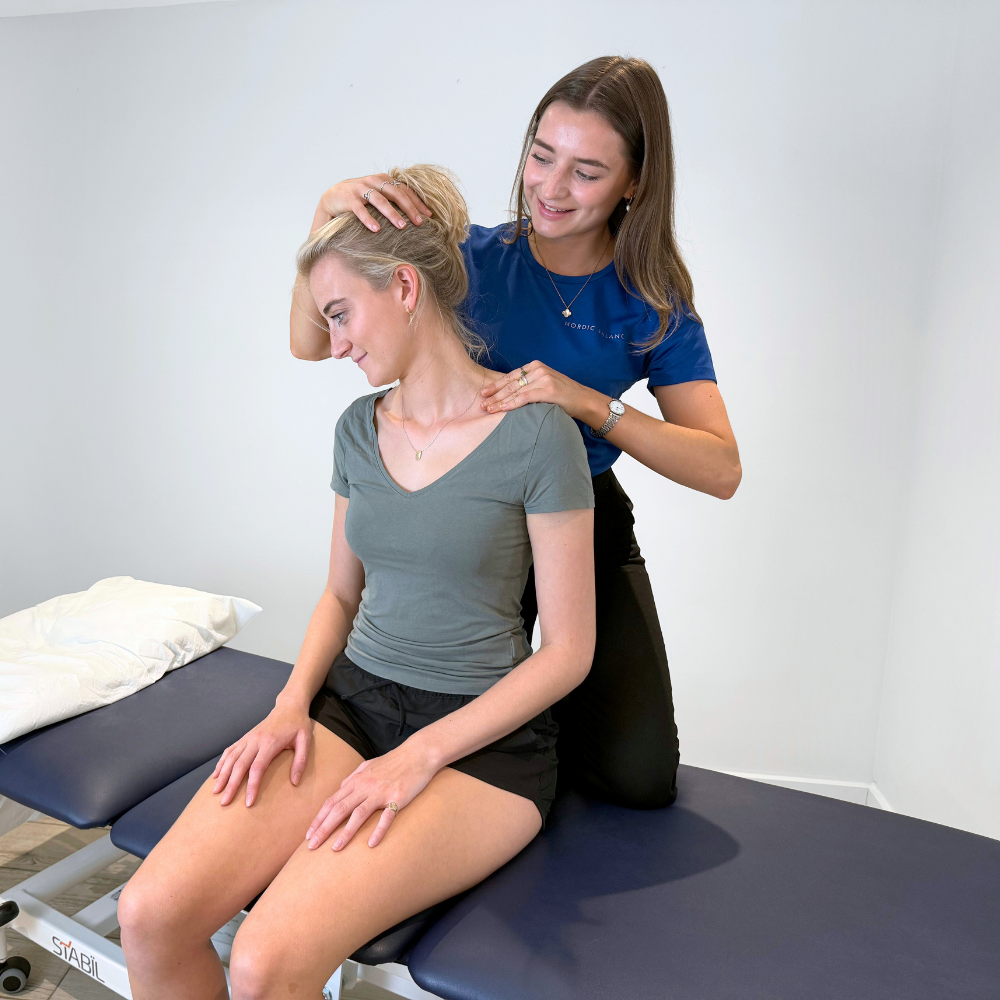
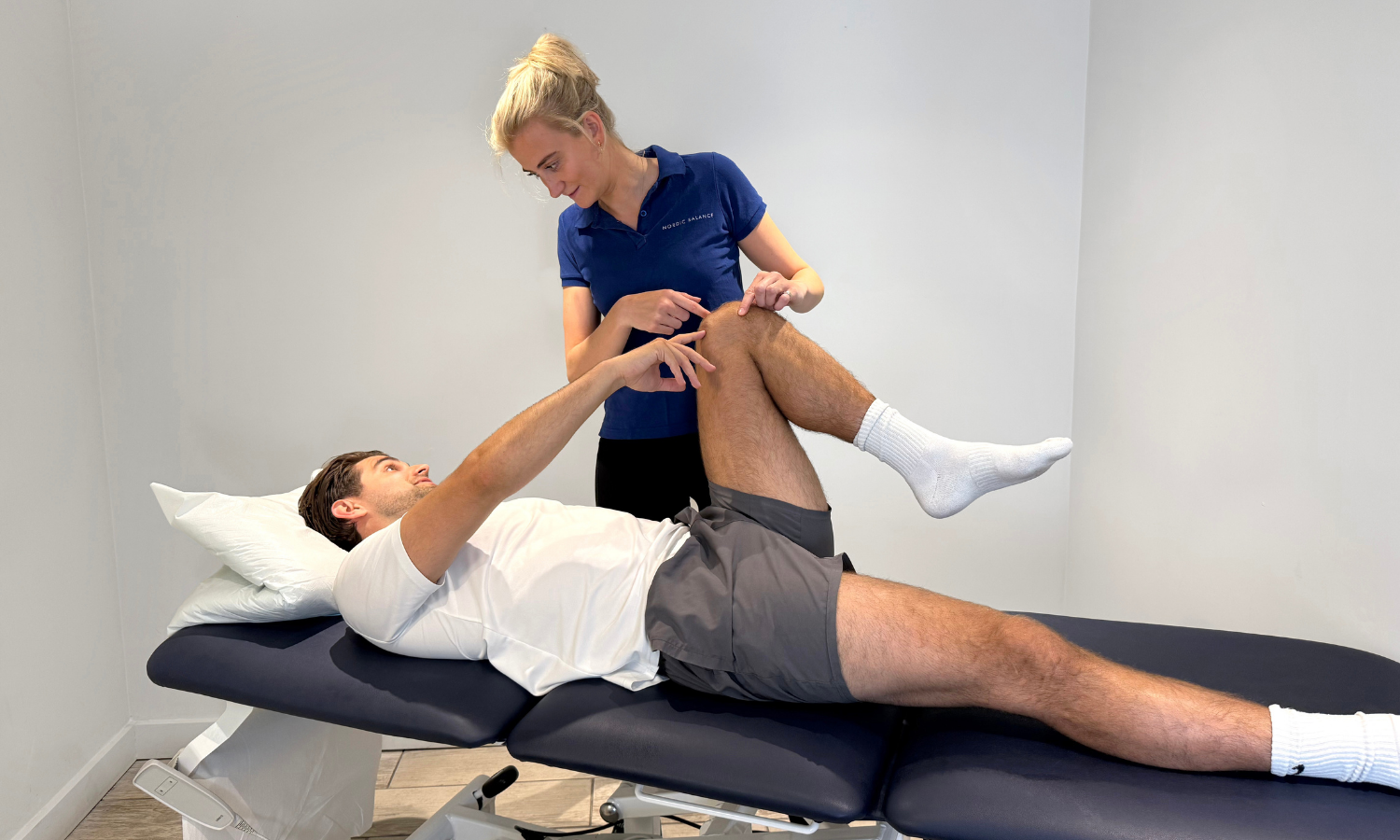
Pooja began by looking at the full symptom pattern rather than treating the neck and back as separate problems. The assessment found stiffness through the neck, particularly on the right side. Nerve tension testing reproduced the electrical sensations travelling down the legs, while spinal extension movements also brought on symptoms in the arms and legs. Strength testing remained normal in both the upper and lower limbs. The patient did, however, report changes in sensation around the fingers and tingling from around knee level downwards.
Together with the 18-month history and distribution of symptoms, Pooja’s clinical impression was spinal disc herniation with nerve involvement affecting both the cervical and lumbar regions. That gave rehabilitation two priorities. The first was to reduce the nerve-related symptoms and restore more comfortable movement. The second was to progressively rebuild enough strength and physical capacity for the demands that had become difficult: sitting through the workday, lifting his son, going to the gym, and eventually running again.
Slipped disc treatment and nerve pain relief
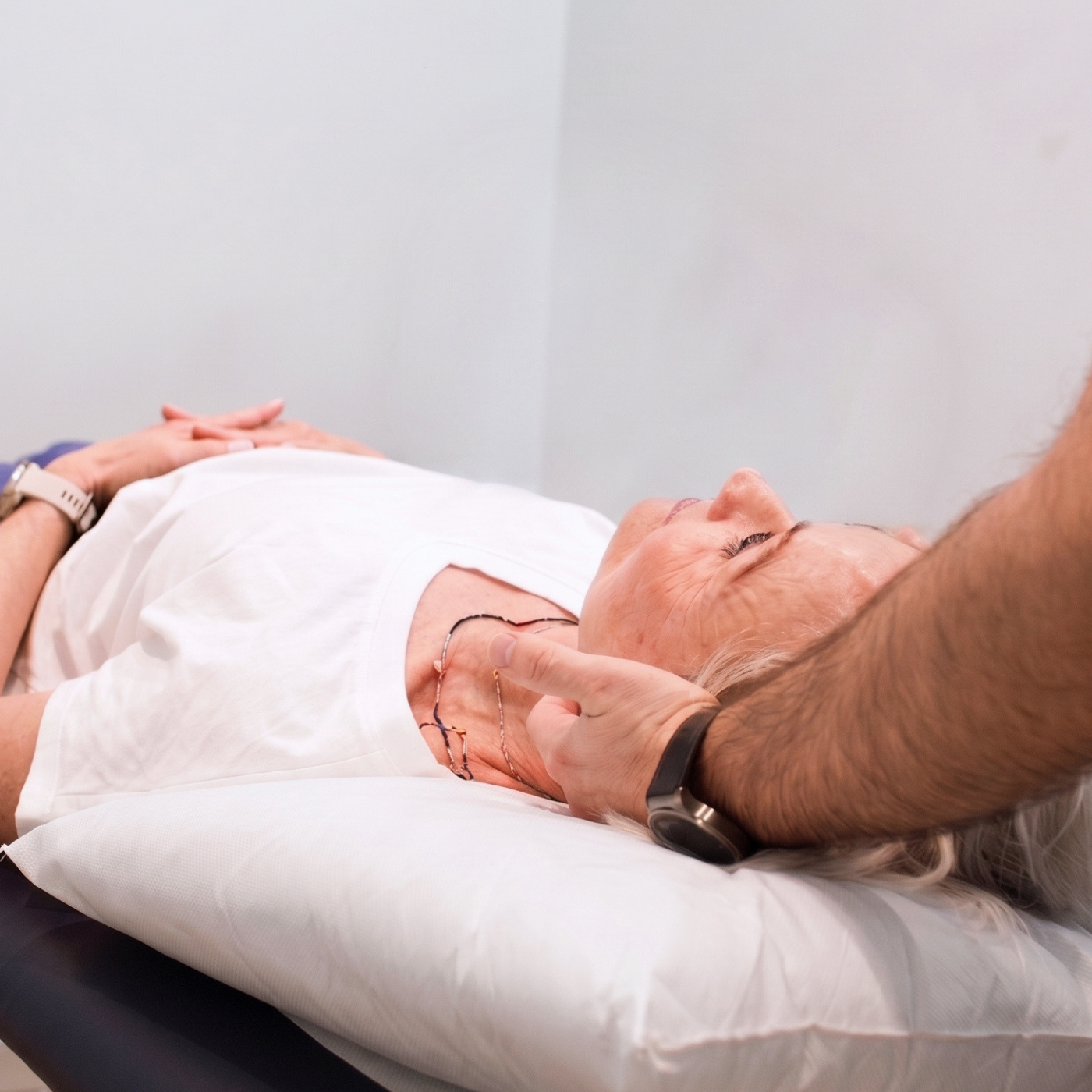
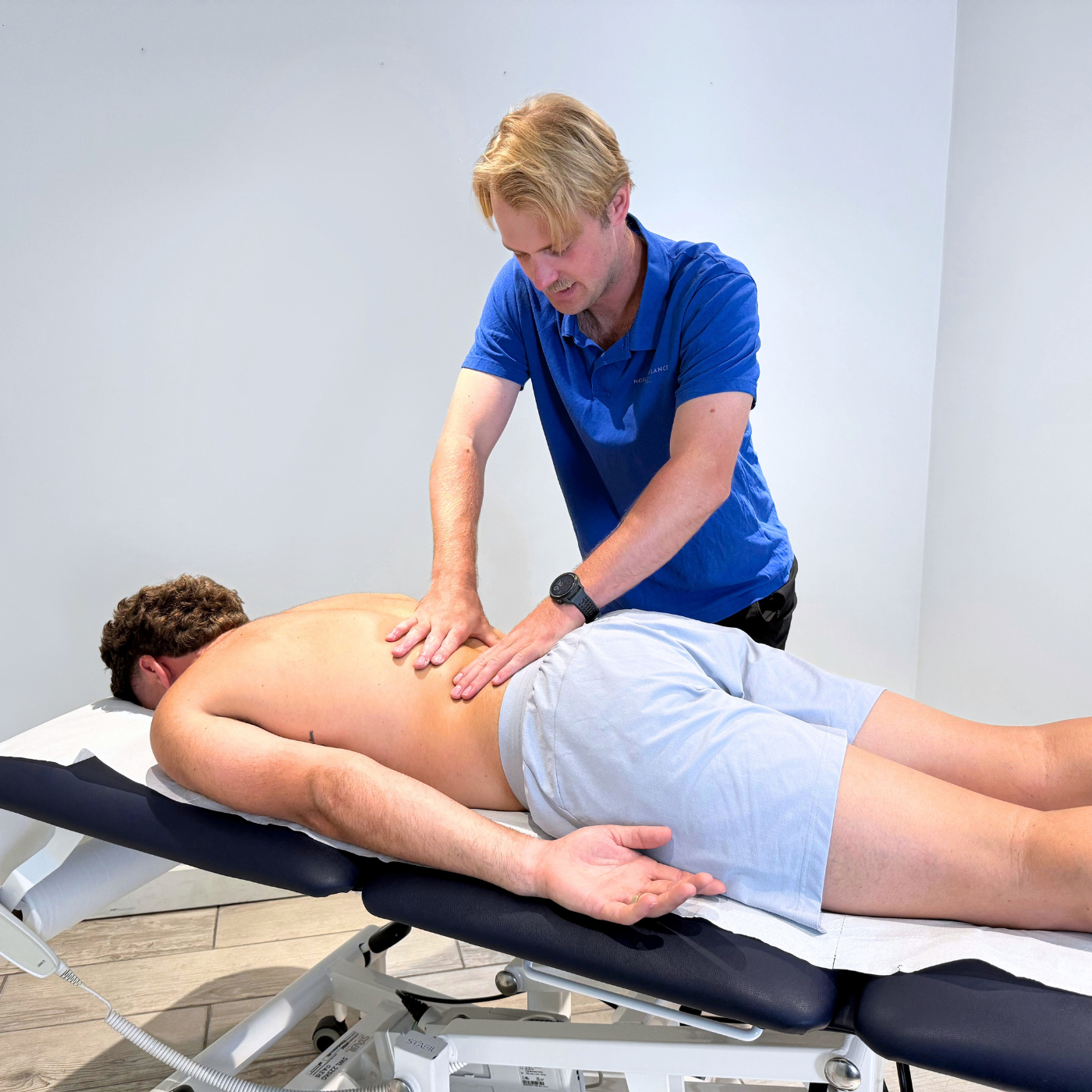
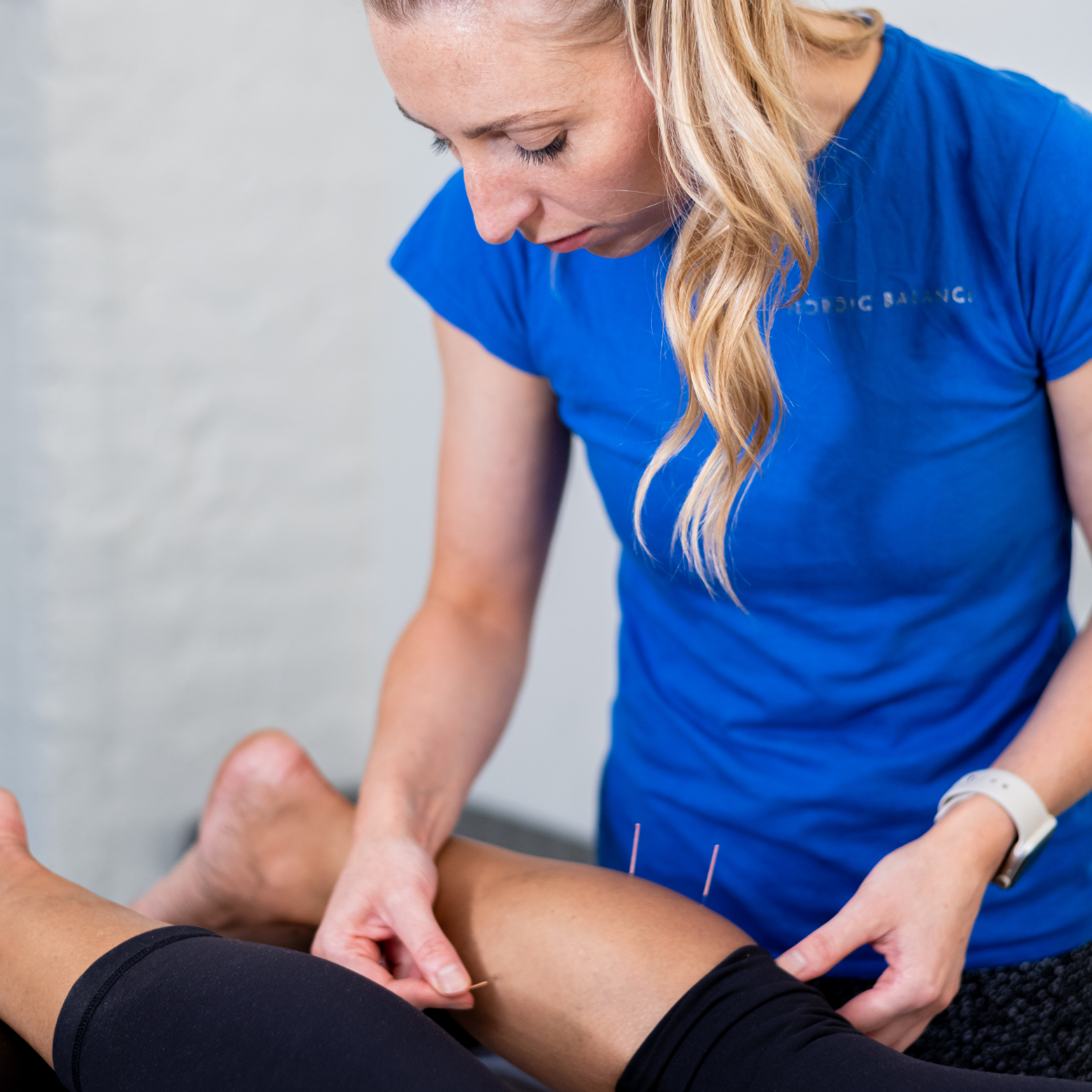
Early treatment focused on making symptoms more manageable. Pooja used soft tissue treatment and dry needling to help manage muscular discomfort alongside mobility exercises for the neck and back. Nerve-flossing exercises were introduced as part of the home programme to work gently with the nerve-related symptoms.
But with up to ten hours a day spent sitting at a desk, clinic treatment was only part of the picture. Pooja also reviewed the patient’s work environment and offered practical ergonomic advice for prolonged sitting. They discussed pillow positioning because his symptoms were affecting sleep. Even picking up his son became part of the treatment conversation. Rather than simply avoiding lifting, the patient was advised on how to approach it while symptoms settled and strength gradually returned. The aim was to make everyday life feel less restricted while creating a foundation for more demanding rehabilitation.
Four months of slipped disc rehabilitation
-
Weeks 1–3: Reducing nerve pain and restoring movement
The first few weeks focused on settling the nerve-related symptoms and improving movement through the neck and back. Mobility exercises and nerve-flossing were part of the home programme, while hands-on treatment helped manage pain and muscular tension. The immediate objective was to make everyday movement more comfortable and create enough tolerance to begin strengthening.
-
Weeks 3–6: Rebuilding core, glute and neck strength
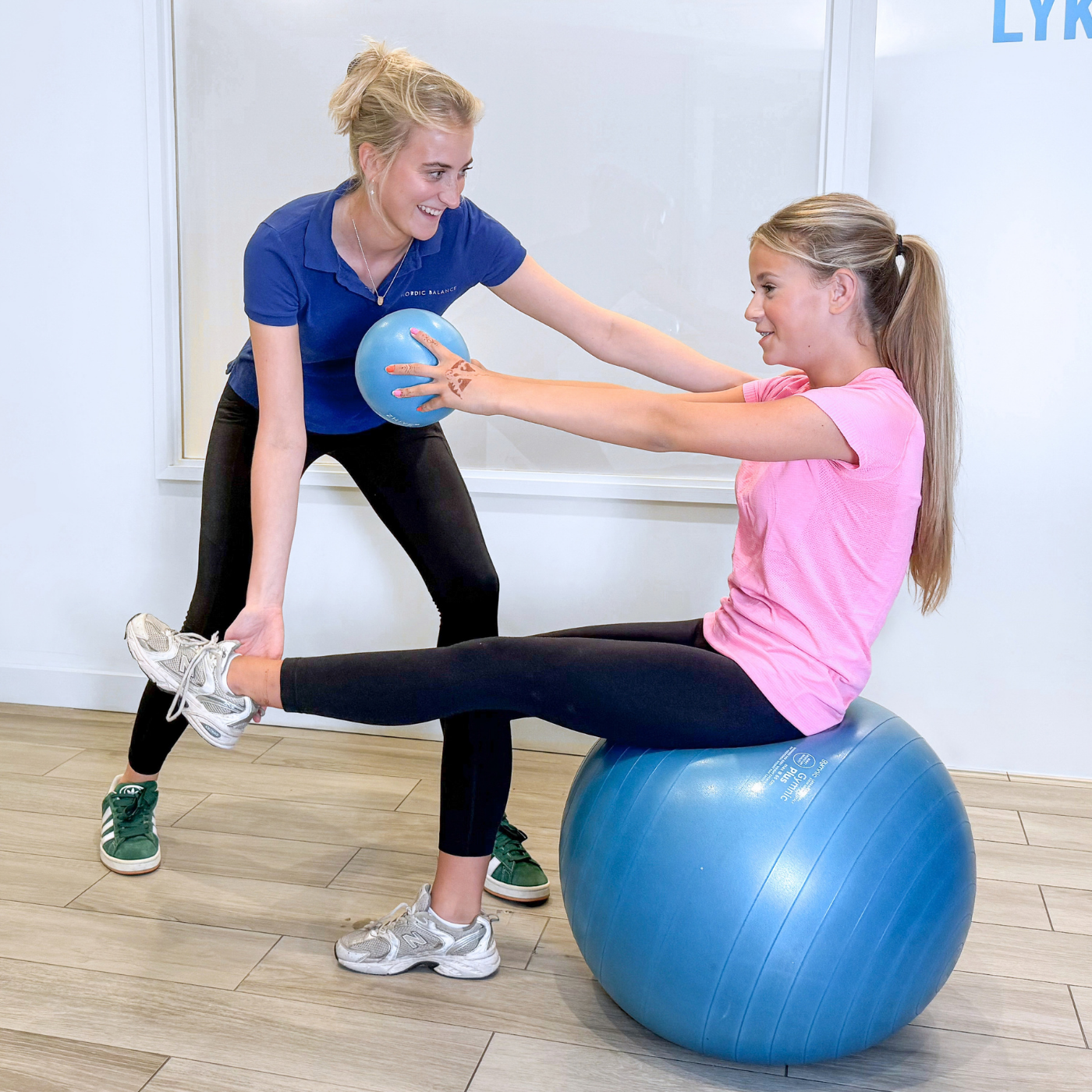
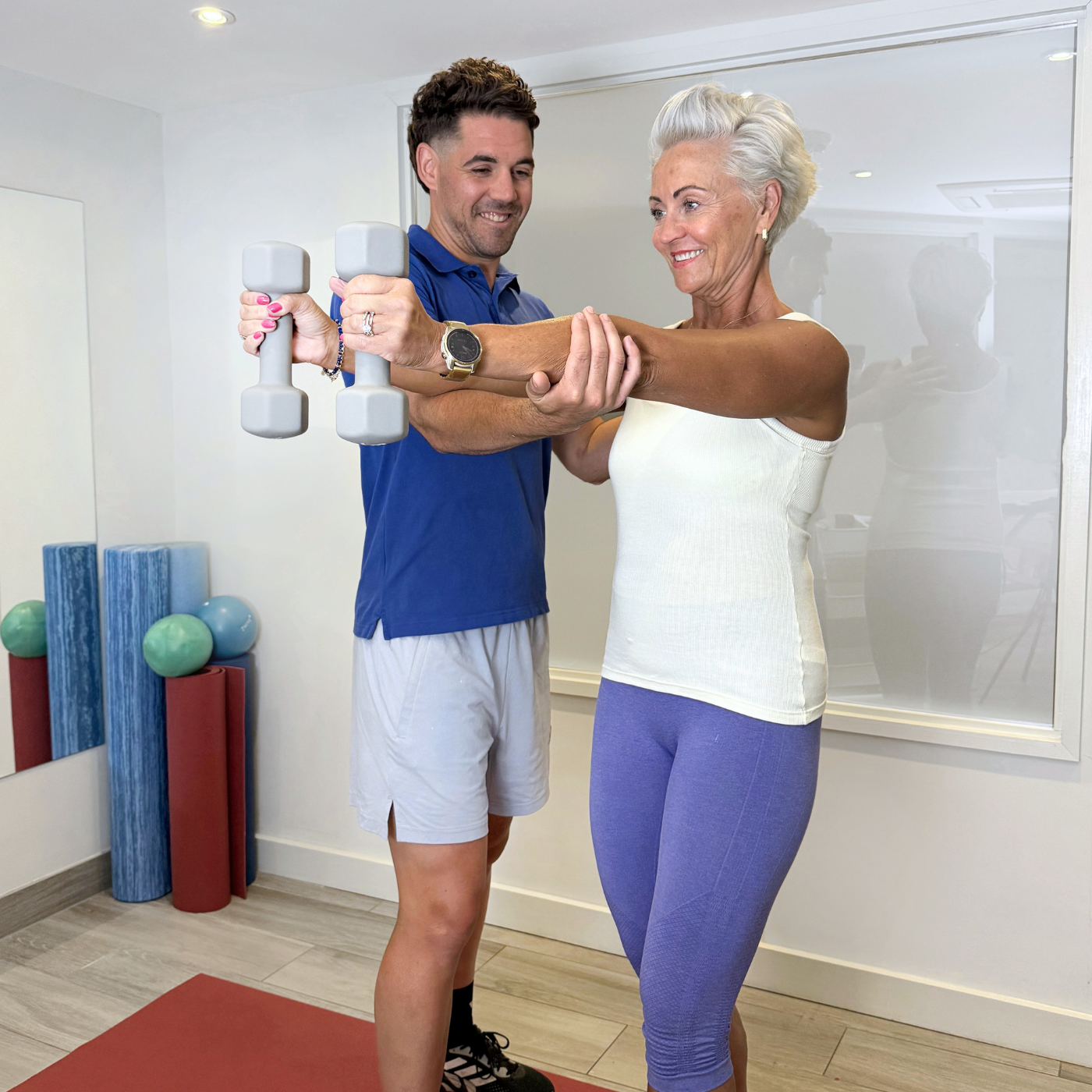
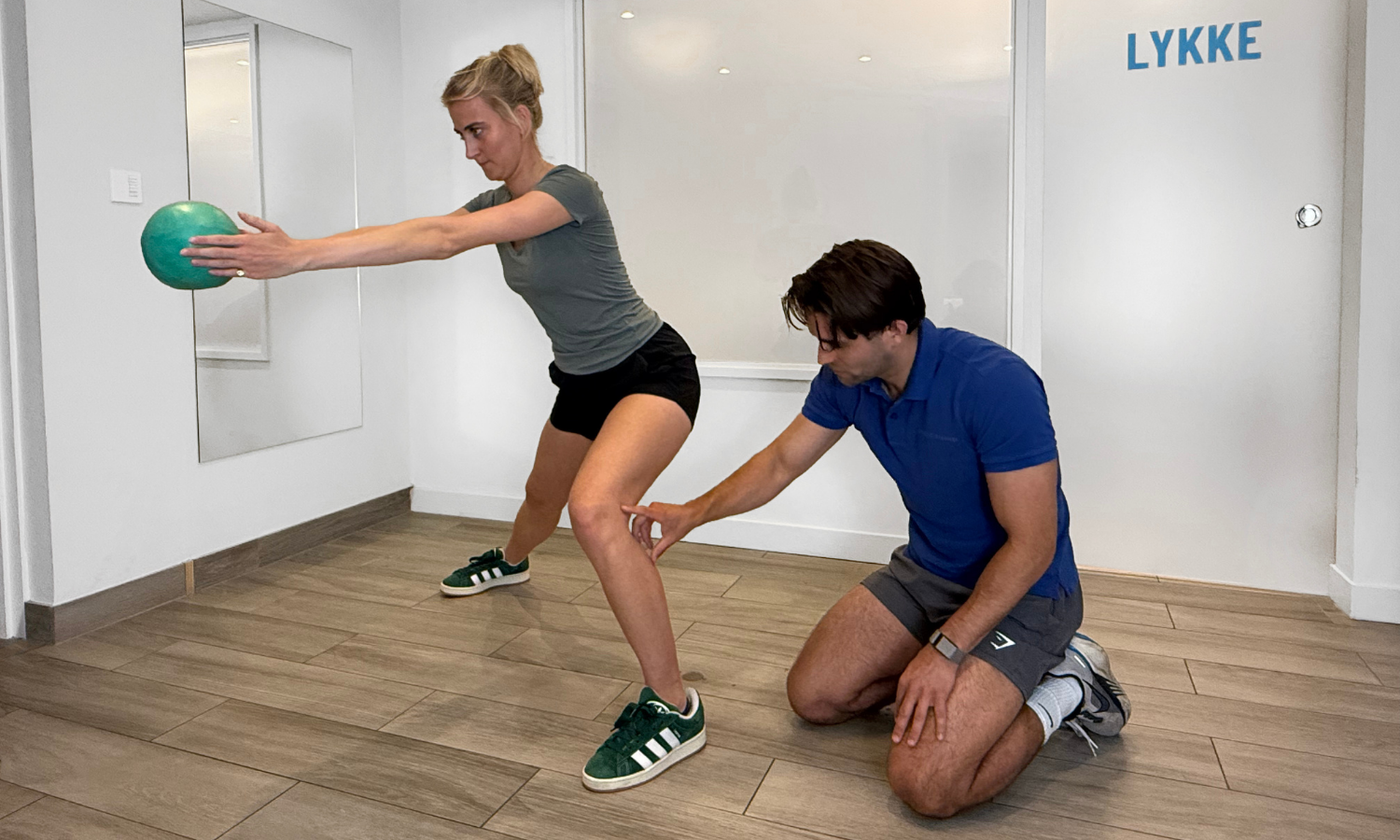
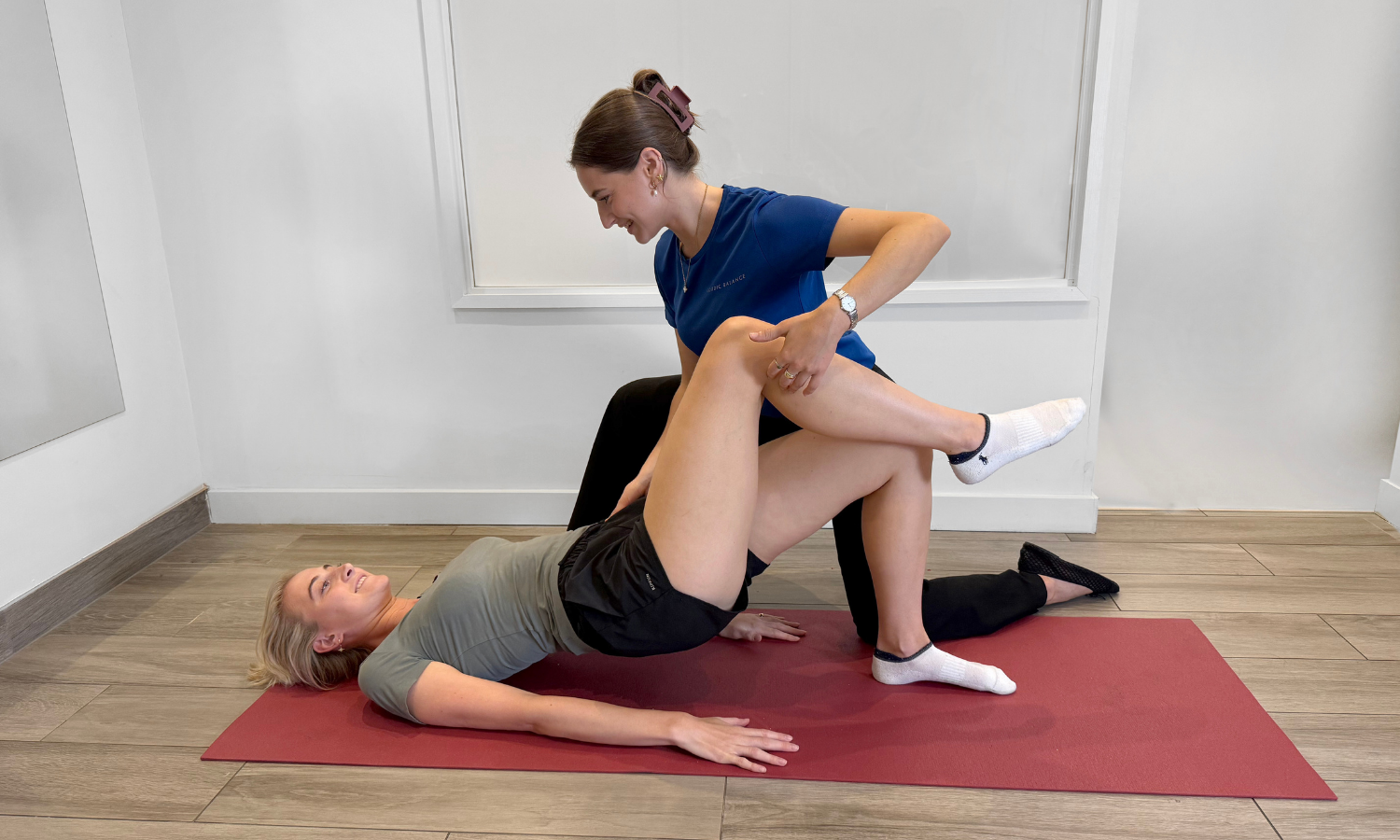
As symptoms became more manageable, rehabilitation progressed beyond mobility. Pooja introduced strengthening for the trunk, glutes, neck and muscles around the shoulder blades. Resistance bands allowed the load to increase gradually while monitoring how the patient responded.
This was an important shift in the rehabilitation. The focus was no longer simply on reducing symptoms. It was on rebuilding the strength needed for work, lifting and exercise.
-
Week 6 onwards: Returning to gym strength training
As his capacity improved, he progressed from bodyweight exercises to weighted gym exercises. For someone who had previously found vigorous exercise aggravated his symptoms, returning to the gym was an important milestone.
Gym training was gradually reintroduced rather than treated as something he needed to avoid because of his history of neck and back pain. The emphasis remained on progressive loading, good movement control and monitoring how his symptoms responded as the exercises became more demanding.
-
Progressing towards running
Once gym-based strength work was well established, rehabilitation moved towards the next goal: running. Plyometric exercises were introduced to prepare the body for the faster loading and repeated impact involved.
By this point, rehabilitation had moved a long way from the early focus on pain relief and mobility. The question was no longer simply whether his neck and back felt better. It was whether his body was becoming capable of doing the things he had stopped doing.
Slipped disc recovery and return to daily life
After four months, the biggest changes showed up in everyday life. His neck and back pain had gone. Long periods of sitting at his desk could still leave his lower back stiff, but he managed it with the mobility exercises he learned during treatment. Most importantly, he could pick up his son without the caution that had previously accompanied it.
He had also returned to weighted gym training and was working through plyometric rehabilitation towards running again. After 18 months of tingling, burning, electrical sensations and uncertainty around movement, those changes represented more than simply becoming pain-free. They meant everyday activities were becoming normal again.
Returning to exercise after a slipped disc
This case shows why slipped disc rehabilitation doesn’t necessarily end when the pain settles. Reducing symptoms was the first stage. From there, Pooja progressively rebuilt strength through the trunk, hips, neck, and shoulders before introducing weighted gym exercises and, eventually, the higher demands of running.
The rehabilitation also stayed connected to what mattered to the patient. He needed to tolerate long periods at work. He wanted to lift and play with his son without worrying about his back. And he wanted the confidence and physical capacity to train and run again. That meant progress could not be measured by pain alone. Being able to live normally, exercise and trust his body again became the more meaningful measure of recovery.
If neck or back pain, tingling, or nerve symptoms are beginning to limit your work, exercise or everyday activities, an assessment can help establish what may be contributing and what your next stage of rehabilitation could involve.