
Knee Pain Treatment
Knee Pain Getting in the Way of Walking, Running or Everyday Life?
When knee pain starts changing how you walk, take the stairs, train or simply move through your day, it’s hard to ignore. Whether it followed a knee injury, came on after exercise or has gradually built up, we’ll help you understand what may be contributing and what to do next. At Nordic Balance, we offer knee pain treatment across our St. James’s, Wimbledon Village, Clapham and Battersea clinics in London.

Common Knee Pain and Knee Injuries We Treat
-
ACL tear injury
A sudden twist, landing or change of direction can injure the ACL and affect stability. -
Ligament & meniscus injuries
Twisting or impact injuries may cause pain, swelling, instability or restricted knee movement. -
Runner’s knee
We assess what’s driving it, rebuild strength and get you running again safely and as quickly as possible. -
Why Knee Pain Can Be Difficult to Understand
Knee pain does not always point neatly to one structure or one cause. The same symptom can be influenced by strength, training load, movement, previous injury, or how the hip, knee, and ankle work together. A detailed assessment helps separate what is relevant from what is not, so treatment can focus on the factors most likely to help you move forward.
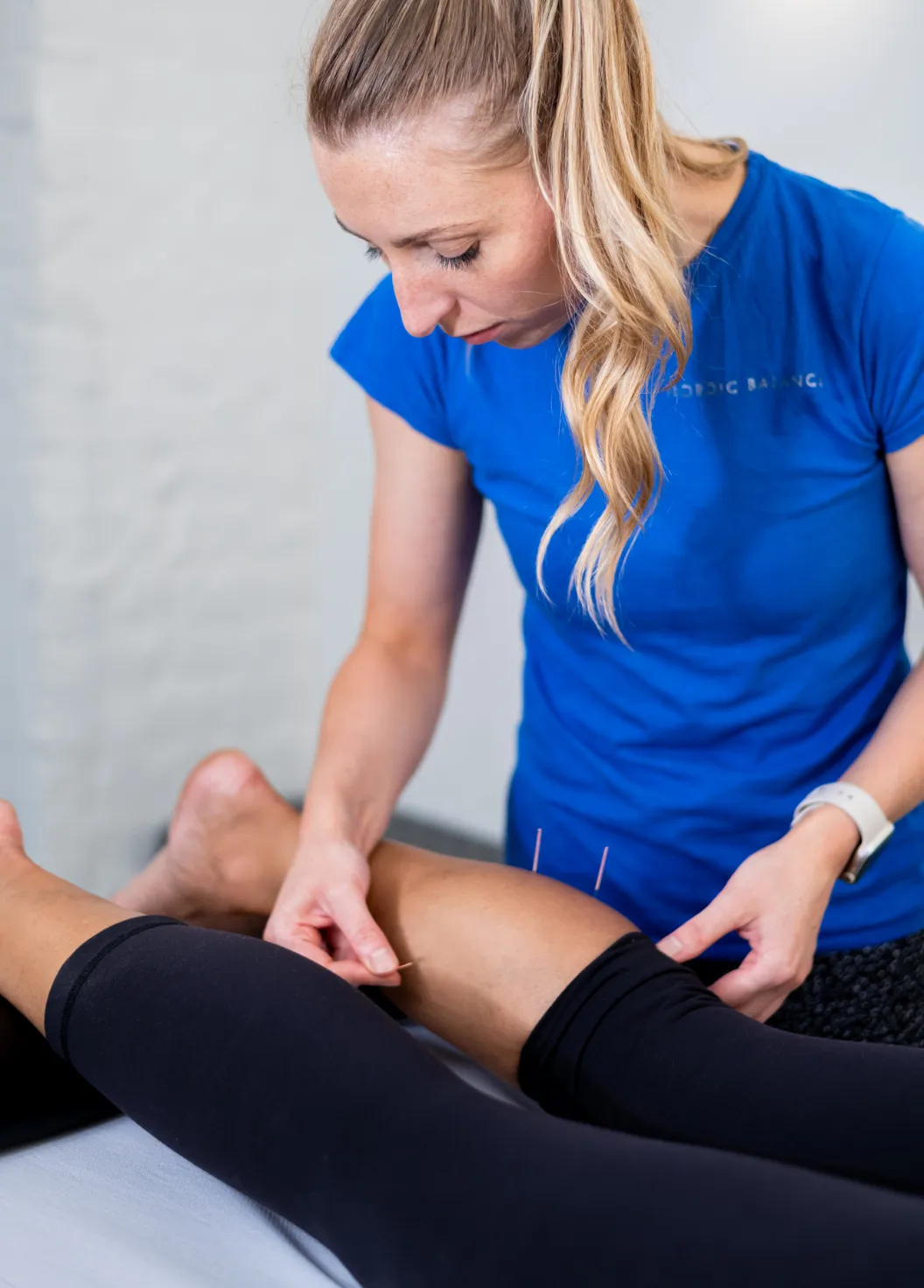
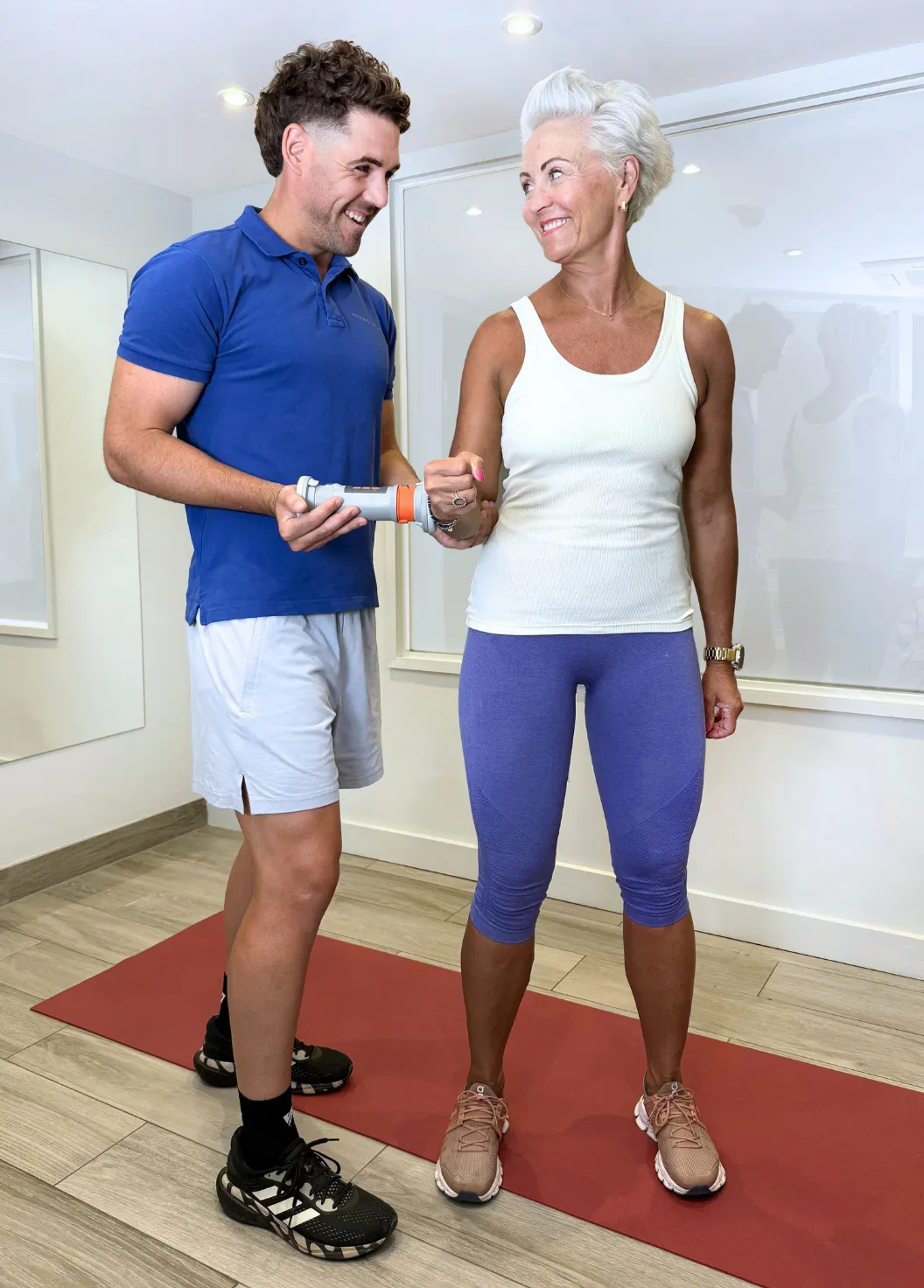
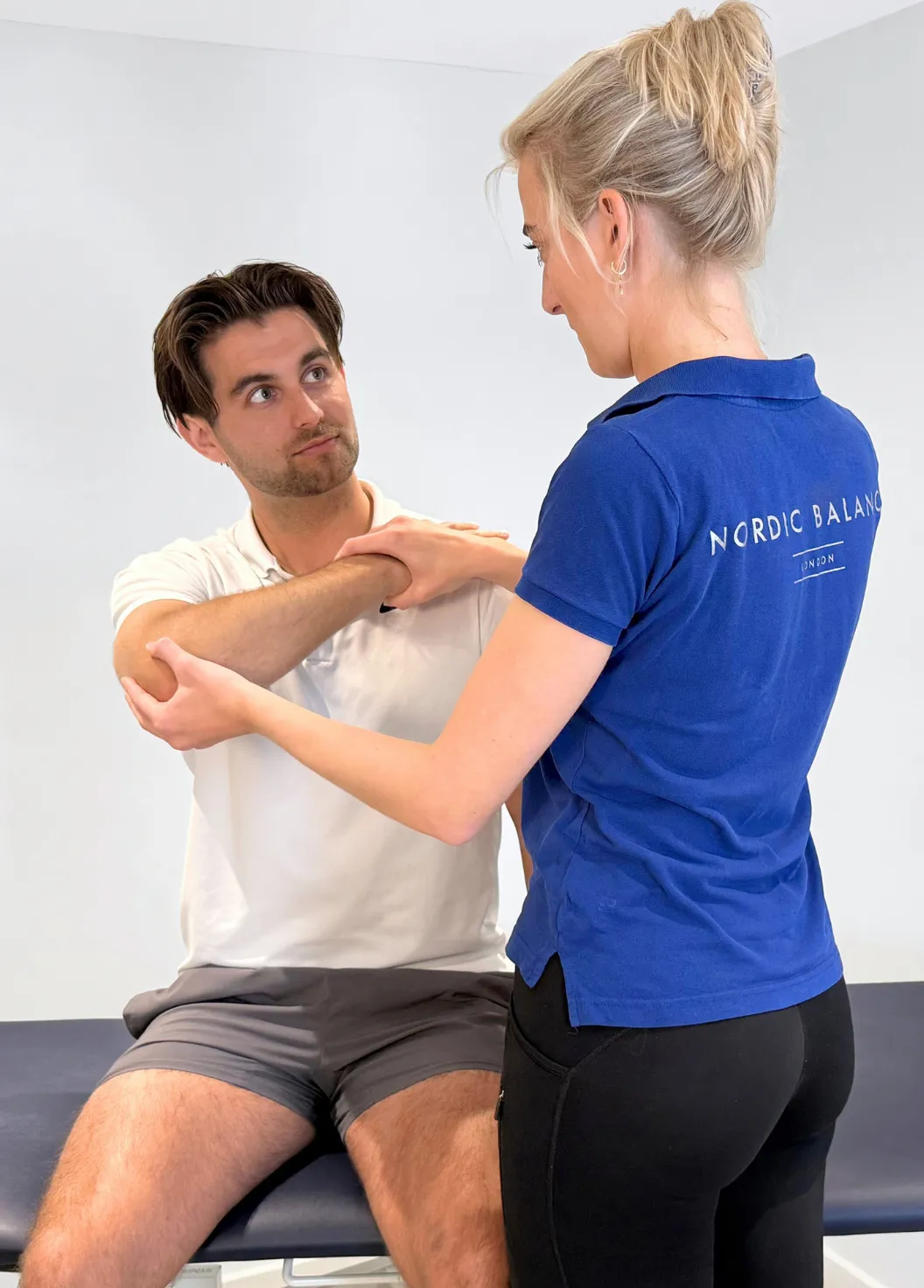
Treatment For Knee Pain
Find rapid pain relief and build long-term strength to support the back. Whether it’s desk-related stiffness, a lifting or sports injury, or post-pregnancy back pain, we’ll help you find the right treatment to ease symptoms, restore movement and rebuild strength.

Accepted health insurance providers





Knee Pain Clinics in Central and South West London
Choose a Nordic Balance clinic near you, with knee pain assessment and treatment available in St. James’s, Clapham, Wimbledon Village and Battersea.





Still have questions about knee pain?
Sometimes, yes. You may be able to keep running while adjusting distance, pace, or frequency. The key is how the knee responds during and after training. If symptoms keep returning, an assessment can help you find a running level your knee can tolerate while you rebuild strength.
Possibly, but it depends on what is causing the pain and how your knee responds to load. You may be able to keep some training going while reducing or adapting the movements that aggravate it. An assessment can help you work out what to keep, what to change and how to build back up safely.
Yes. A good return-to-running plan is usually gradual. We look at what your knee can tolerate now, rebuild strength where needed and increase running load in stages, rather than simply waiting for the pain to disappear.
No. Some ACL injuries can be managed without surgery, depending on the extent of the injury, knee stability and what you need to return to. A detailed assessment can help determine whether rehabilitation alone is appropriate or whether surgical input is needed.
Crunching or clicking does not automatically mean something is damaged. It can happen for several reasons and is common even in pain-free knees. If it comes with pain, swelling, or loss of function, an assessment can help determine what is relevant and whether strength or load management needs attention.
Your foot, ankle, knee and hip all work together when you walk, run or train. If the way you move is increasing demand on the knee, we can assess the wider leg and bring in podiatry input where it is likely to help.
If the pain settles with rest but returns as soon as you increase training again, the knee may not yet have the capacity for that level of load. Treatment can help you rebuild strength and tolerance gradually so you are not repeatedly starting and stopping.
Knee problems do not always fit neatly into one treatment box. Physiotherapy may lead the rehabilitation, while sports massage, chiropractic care or podiatry can be useful where other factors are contributing. If another practitioner can add value, we can bring in that expertise.
If pain is changing how you walk, run, use stairs, or train; keeps returning; or is accompanied by swelling, instability, or loss of movement, it is worth getting assessed. The aim is to understand what is limiting you before the problem starts dictating more of what you can do.
Begin your journey to recovery, today
Book your first appointment today and take the first step towards feeling better.