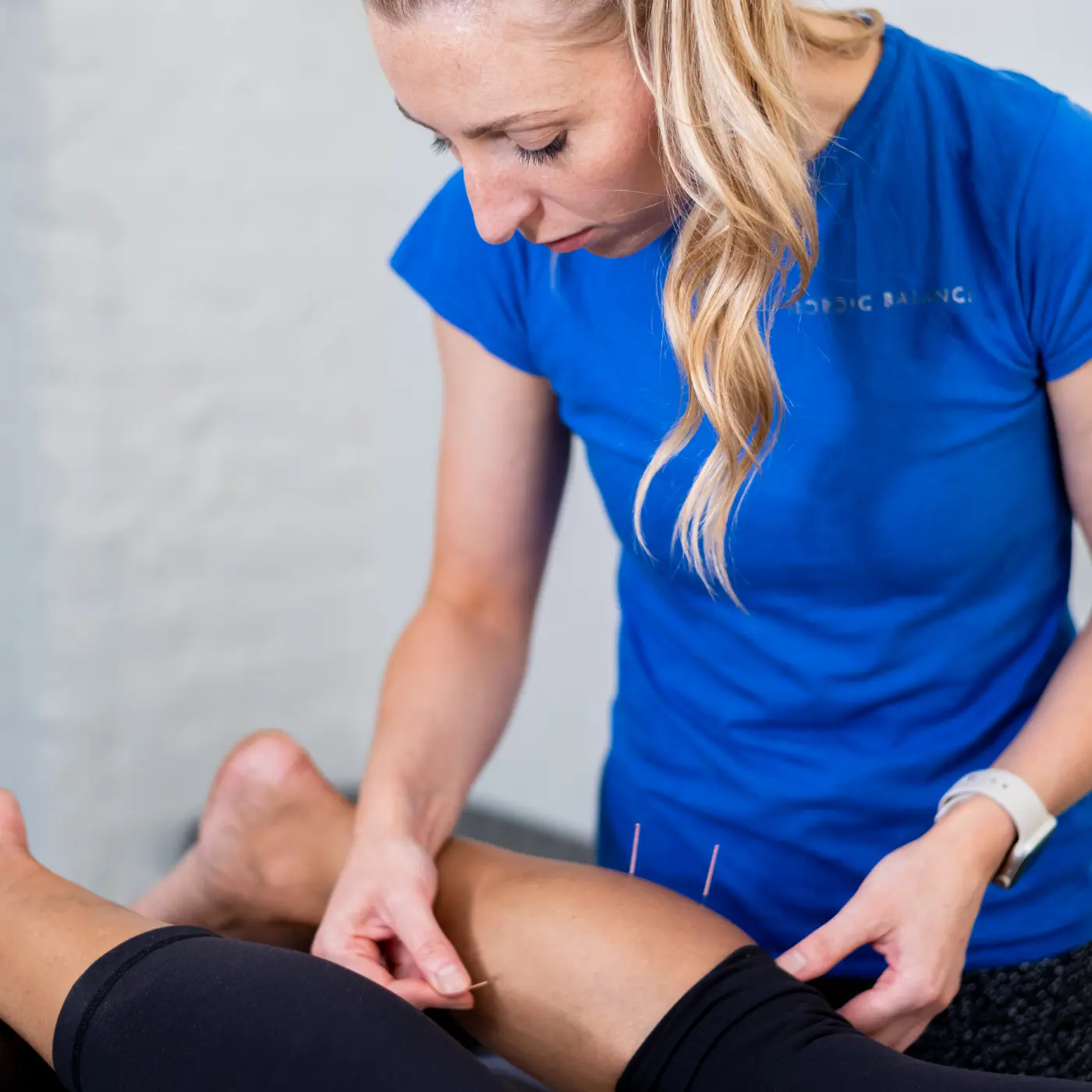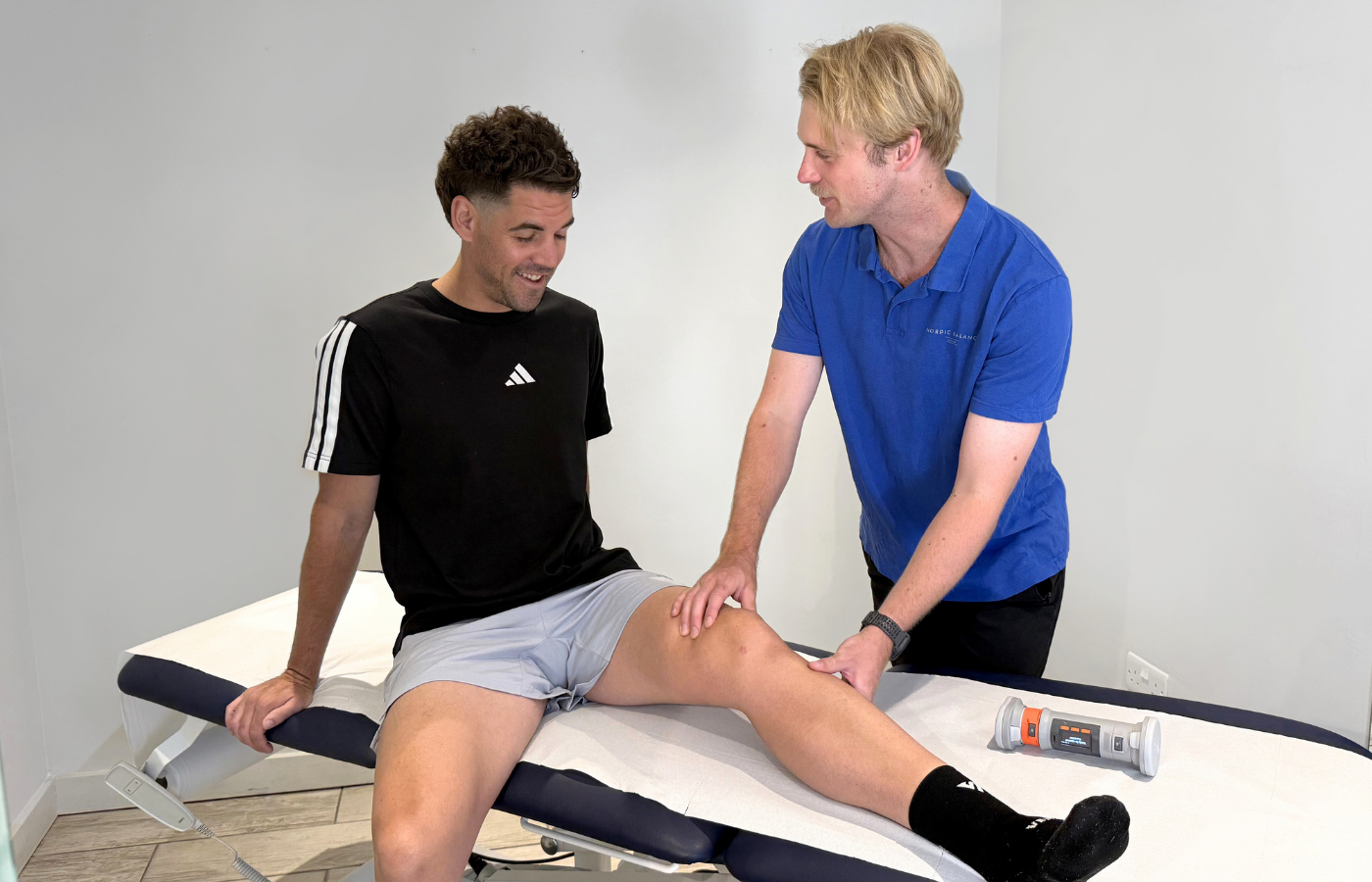
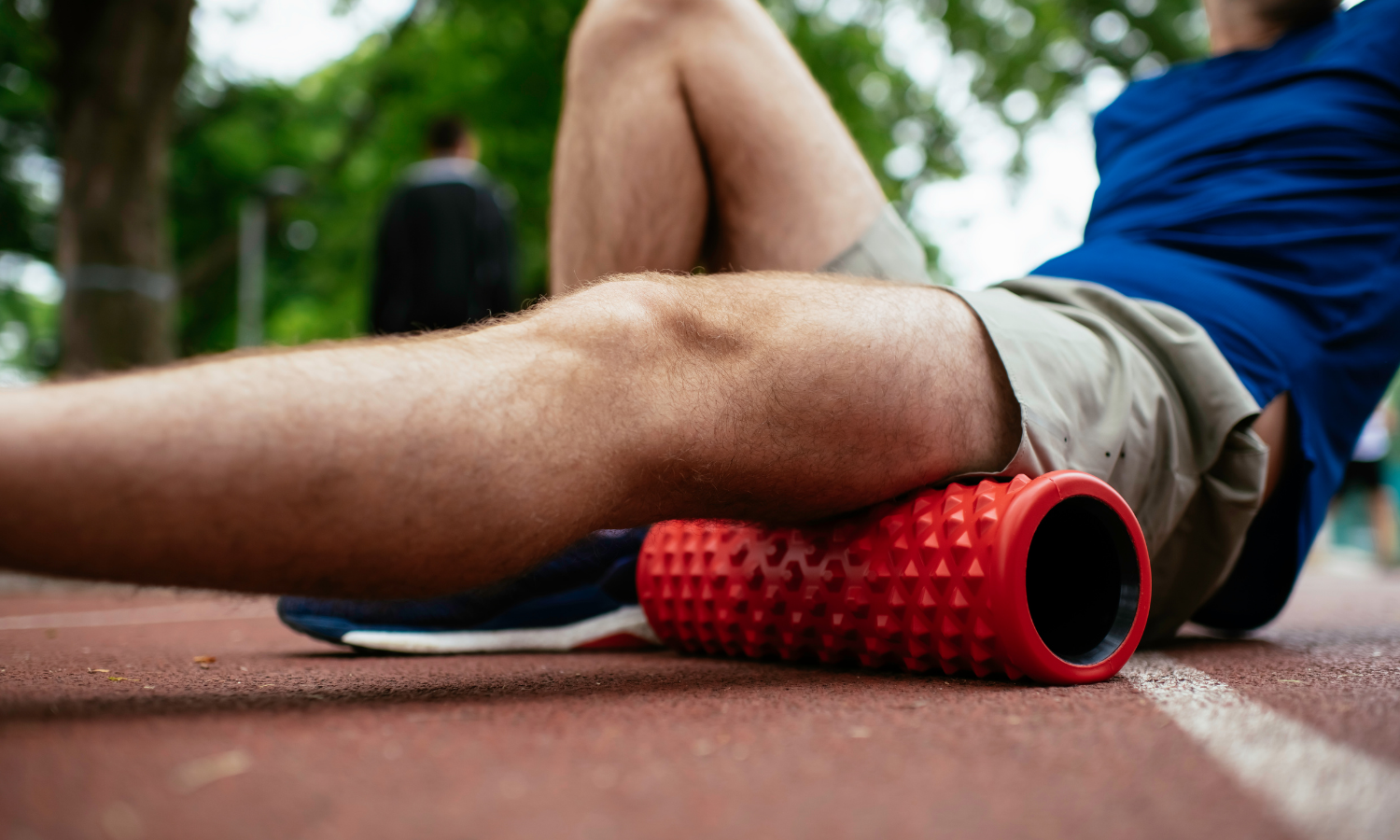
An ACL tear can change your plans quickly. Running, training and sport may stop overnight, while conversations about scans, surgery and months of rehabilitation suddenly take their place. If ACL reconstruction has been recommended, knowing what recovery is likely to involve can make the process feel considerably more manageable.
Rehabilitation is not simply about waiting for the reconstructed ligament to heal. It is about progressively restoring movement, rebuilding strength and preparing your knee for the activities you eventually want to return to.
This guide follows the phased, criteria-led rehabilitation approach originally developed by sports physiotherapists Randall Cooper and Mick Hughes and used by our clinical team. Progress is based on how your knee is recovering, not just the number of weeks since surgery.
Quick links
- What is an ACL tear?
- Common symptoms of an ACL injury
- ACL rehabilitation starts before surgery
- ACL rehabilitation based on progress
- The six phases of ACL rehabilitation
- Phase 1: restoring movement after ACL surgery
- Phase 2: rebuilding strength and knee control
- Phase 3: Preparing to run, jump and change direction
- Phase 4: returning to sport after ACL reconstruction
- Phase 5: staying strong after your return to sport
- How do you know when you are ready to progress?
- ACL rehabilitation is more than getting rid of pain
- ACL rehabilitation
What is an ACL tear?
The Anterior Cruciate Ligament, or ACL, sits inside the knee and plays an important role in controlling movement, particularly during activities involving twisting, pivoting, sudden stopping and changes of direction. ACL tears often happen during sport following an awkward landing, sudden change of direction or direct contact with the knee.
Not every ACL tear follows the same path, and not every tear requires surgery. This guide focuses specifically on rehabilitation before and after ACL reconstruction for patients whose clinical team has recommended surgery.
The rehabilitation plan can also change if other structures in the knee, such as the meniscus or cartilage, were injured or treated at the same time. In those cases, early movement and loading may need to follow additional restrictions from your surgeon.
Common symptoms of an ACL injury
An ACL injury can feel dramatic, although symptoms vary from person to person.
Common signs include:
- A pop or sudden sensation in the knee at the time of injury
- Rapid swelling during the following hours
- A feeling that the knee is unstable or may give way
- Pain when standing or walking
- Difficulty fully bending or straightening the knee
These symptoms are not exclusive to an ACL tear, so an assessment is important if you have sustained a significant knee injury. Once an ACL tear is confirmed and surgery is being recommended, rehabilitation can begin before the operation.
ACL rehabilitation starts before surgery
It can be tempting to think that the real recovery begins after ACL reconstruction. In practice, what you do beforehand matters too. The pre-operative phase focuses on settling the knee, restoring movement and rebuilding as much strength as possible before surgery. Within the Cooper and Hughes framework used in the original guide, the aim includes working towards full knee movement and strong quadriceps and hamstrings, with strength compared against the unaffected leg where appropriate. Current clinical guidance also supports pre-operative rehabilitation, particularly for improving knee movement and quadriceps strength before reconstruction.
Preparing the knee for ACL reconstruction
Before surgery, rehabilitation may focus on:
- Reducing swelling
- Restoring knee straightening and bending
- Regaining good quadriceps control
- Rebuilding leg strength
- Walking as normally as your injury allows
- Understanding what the first stages after surgery will involve
This is sometimes called prehabilitation. The aim is not to prove how much you can do on an injured knee. It is to go into surgery with the knee in the best position possible for the rehabilitation that follows.
ACL rehabilitation based on progress
This is one of the most important things to understand about ACL rehabilitation. There are approximate timelines for different stages of recovery, but time alone doesn’t tell us whether your knee is ready. Two patients can have surgery on the same day and progress differently.
Your physiotherapist will also be looking at factors such as:
- Swelling
- Knee movement
- Strength
- Walking
- Balance and control
- How the knee responds to increasing load
- Running and jumping ability later in rehabilitation
- Confidence in the knee
- The demands of the activity or sport you want to return to.
Modern ACL rehabilitation has increasingly moved towards this criteria-based approach. Time since surgery remains important because the graft needs biological healing, but it should be considered alongside physical and psychological readiness. Many ACL reconstruction rehabilitation programmes extend across nine to twelve months or longer, particularly for someone returning to demanding sport. The important point is that reaching month nine does not automatically mean rehabilitation is complete.
The six phases of ACL rehabilitation
The guide follows six stages: preparation before surgery, followed by five progressive phases after reconstruction. They provide a useful map of recovery, but they should not be treated as a rigid calendar.
Phase 1: restoring movement after ACL surgery
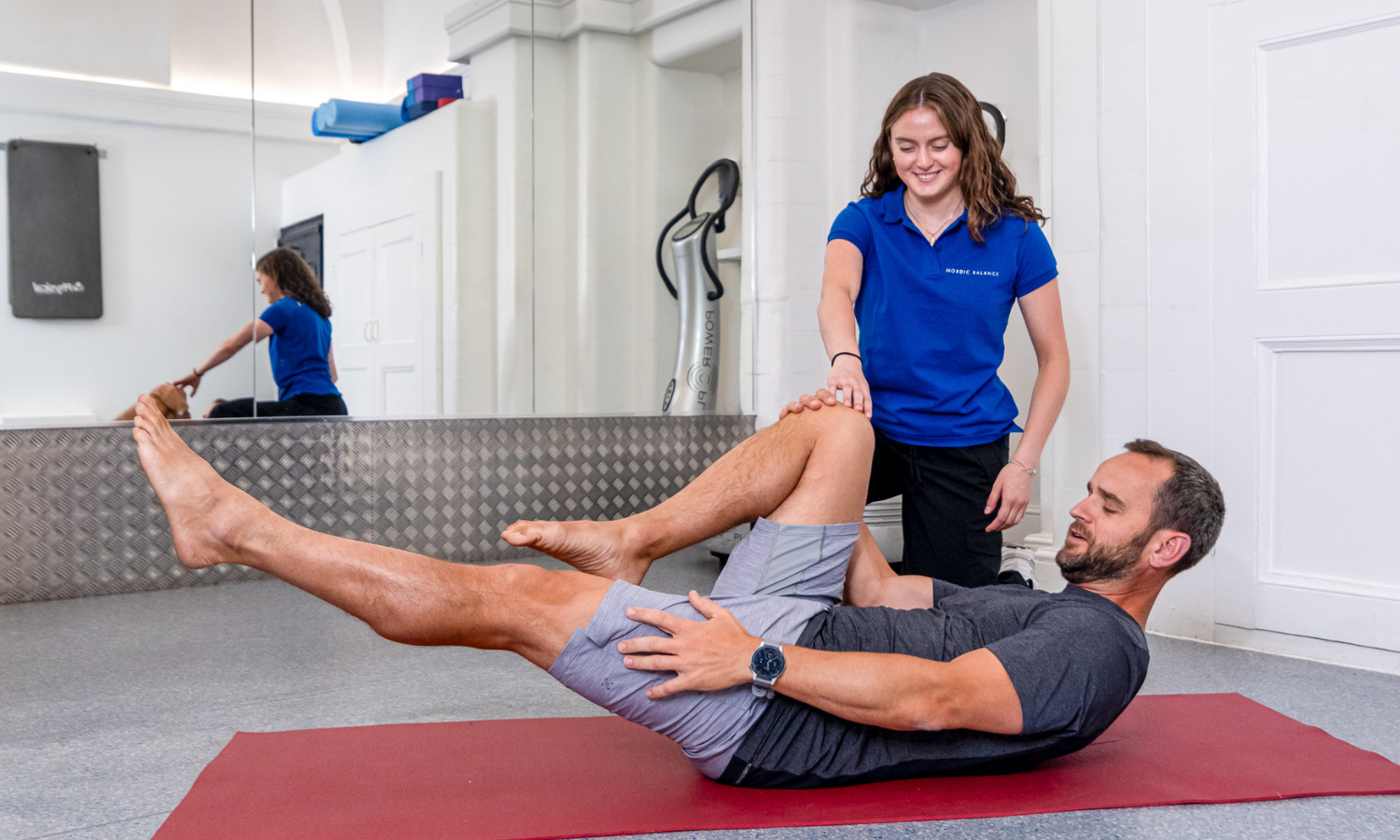
The first stage after reconstruction is about getting the knee moving and the muscles working again. During the early weeks, rehabilitation commonly focuses on restoring knee extension, managing swelling and reactivating the quadriceps. Your surgeon and physiotherapist will guide weight-bearing, movement, and exercise based on your specific operation.
Getting the quadriceps working again
The quadriceps can lose strength and become difficult to activate surprisingly quickly after knee surgery. Early exercises therefore have an important purpose. They begin reconnecting the muscle with the movements it will need for walking, stairs and the more demanding strength work that comes later.
The exercises may look simple at this point, but that does not make them unimportant. Restoring good knee extension and quadriceps function creates foundations for almost everything that follows.
Phase 2: rebuilding strength and knee control
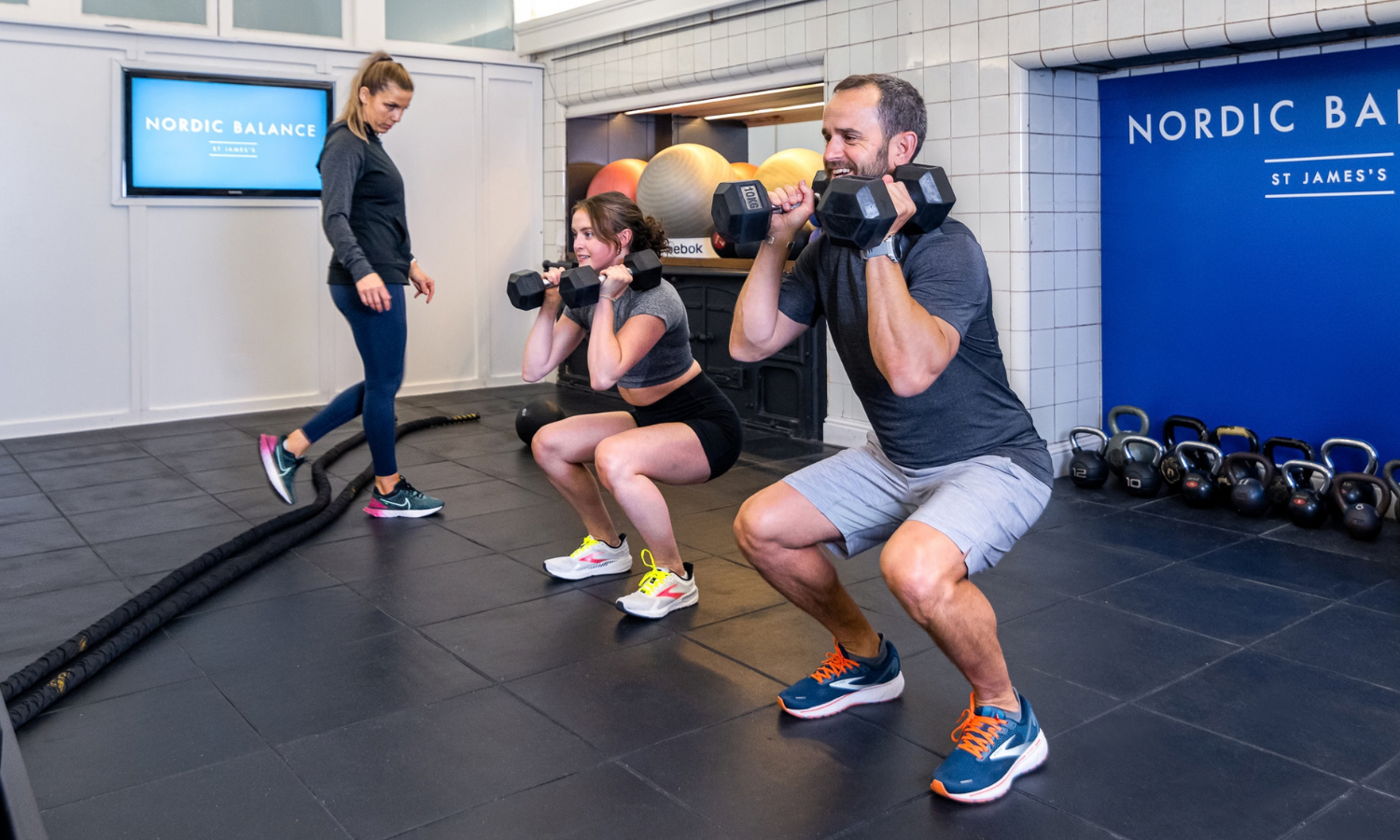
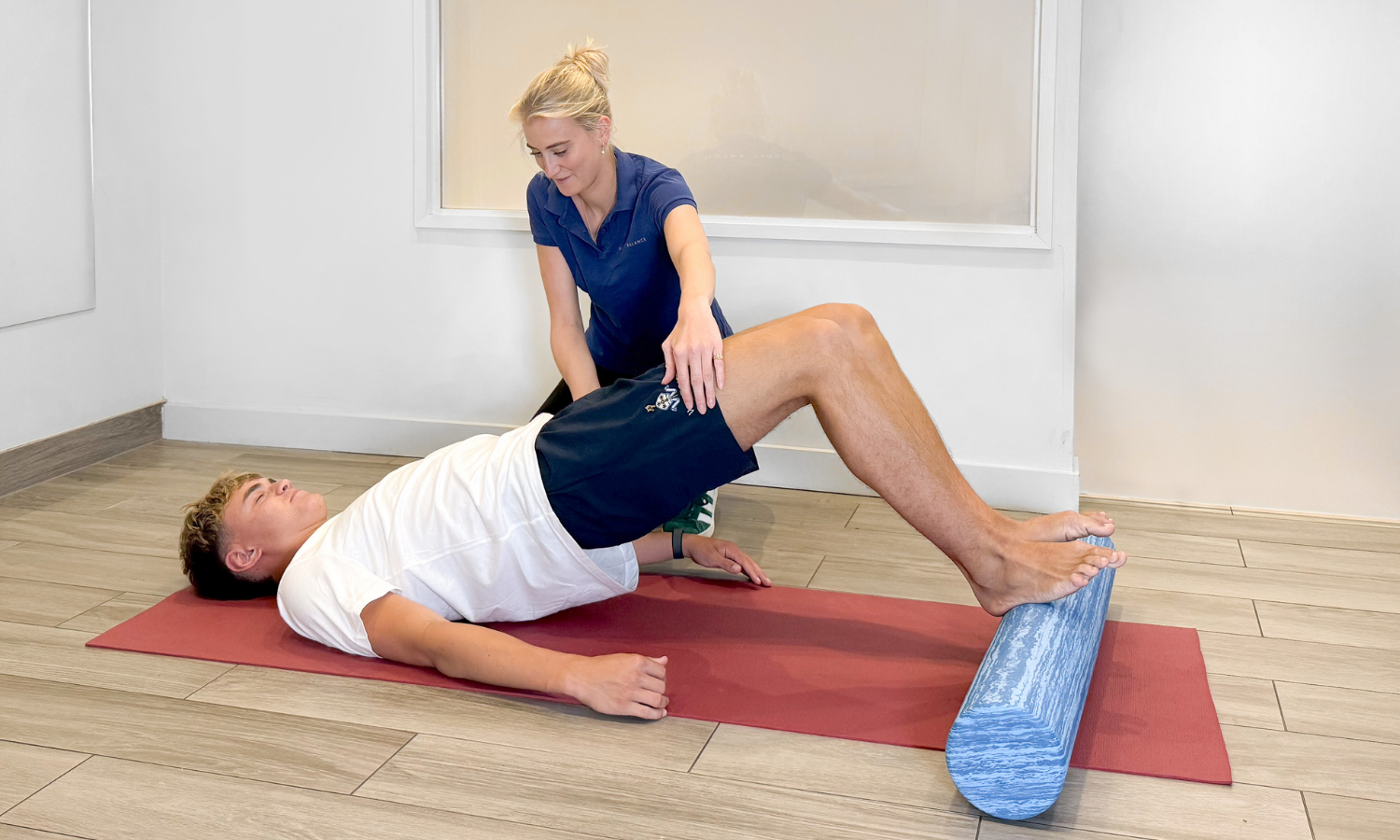
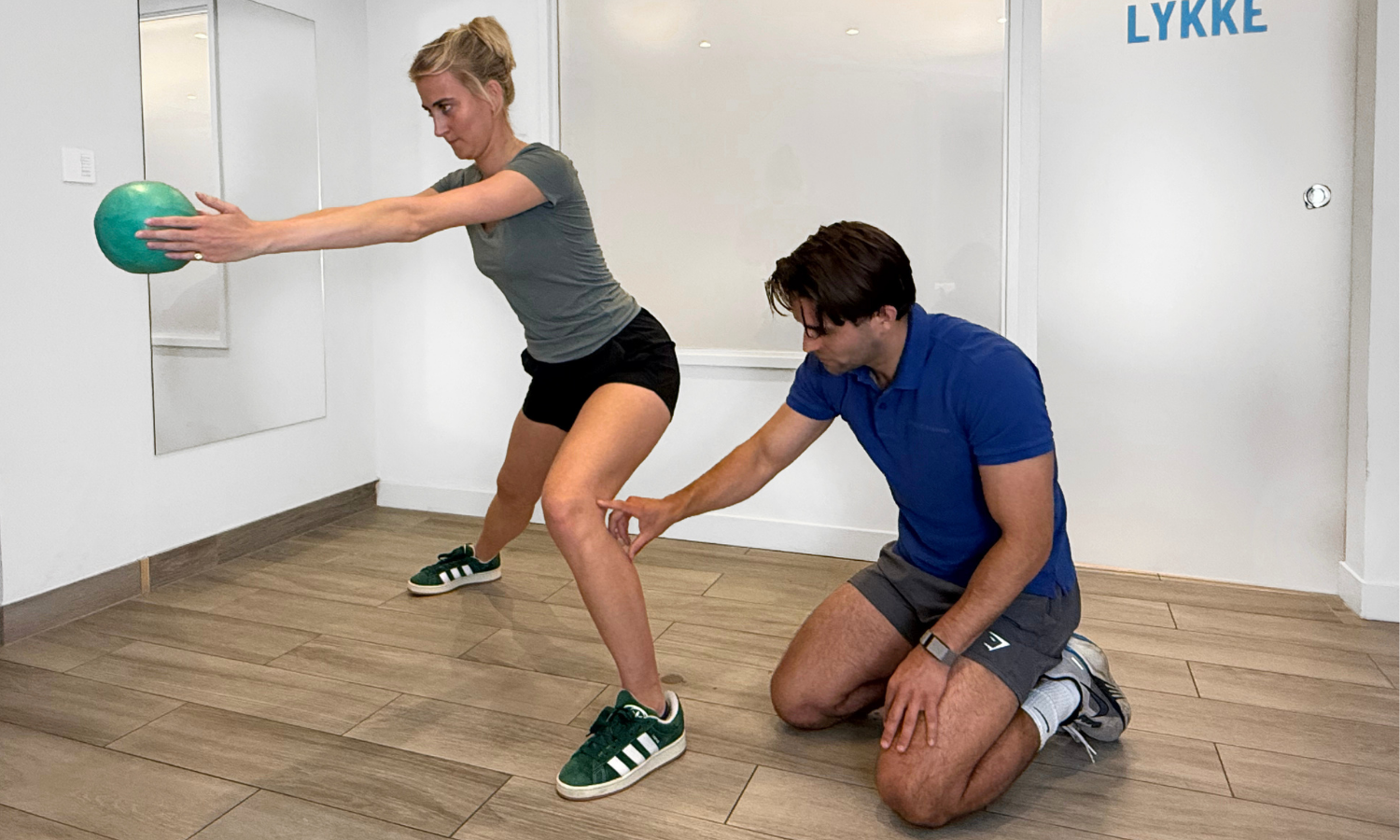
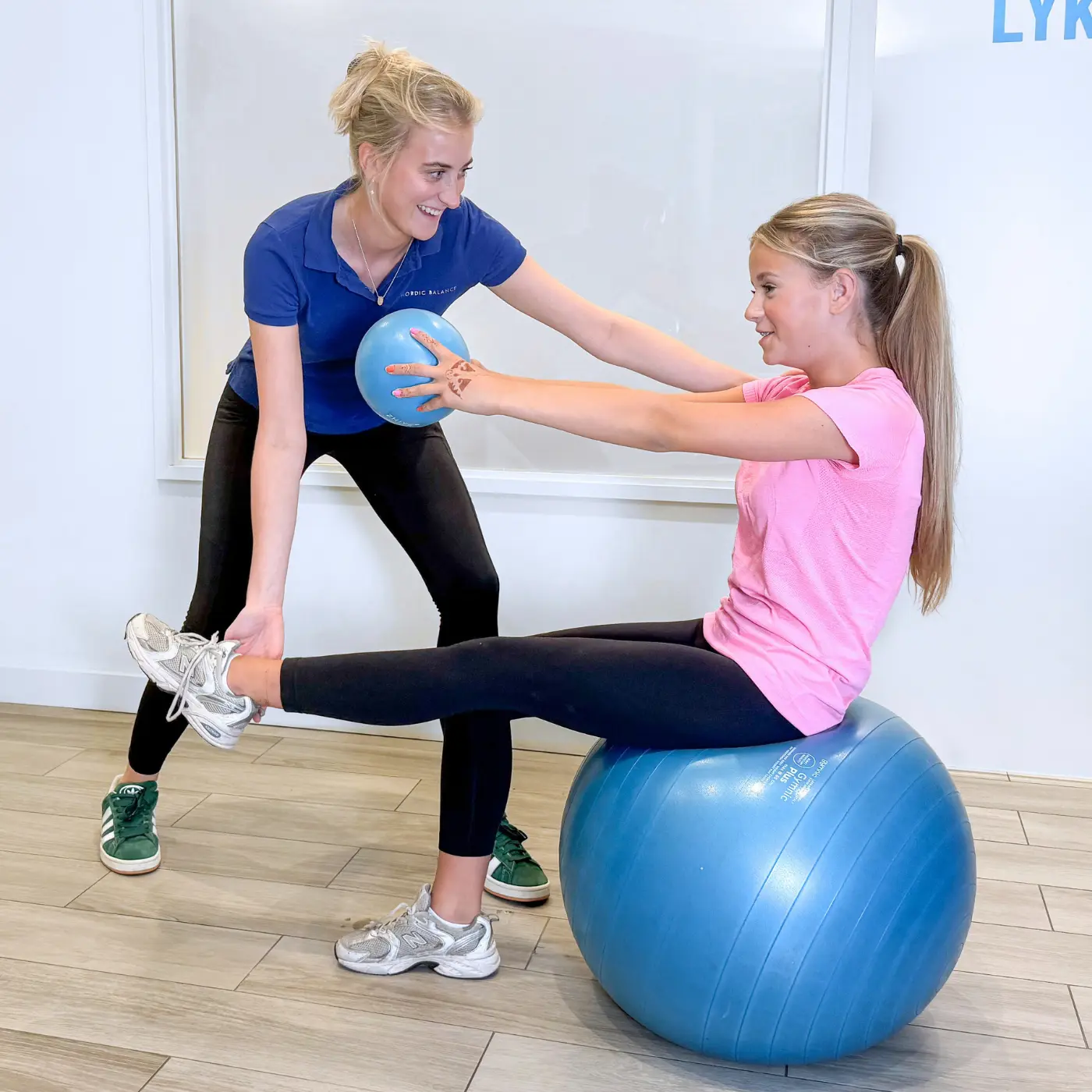
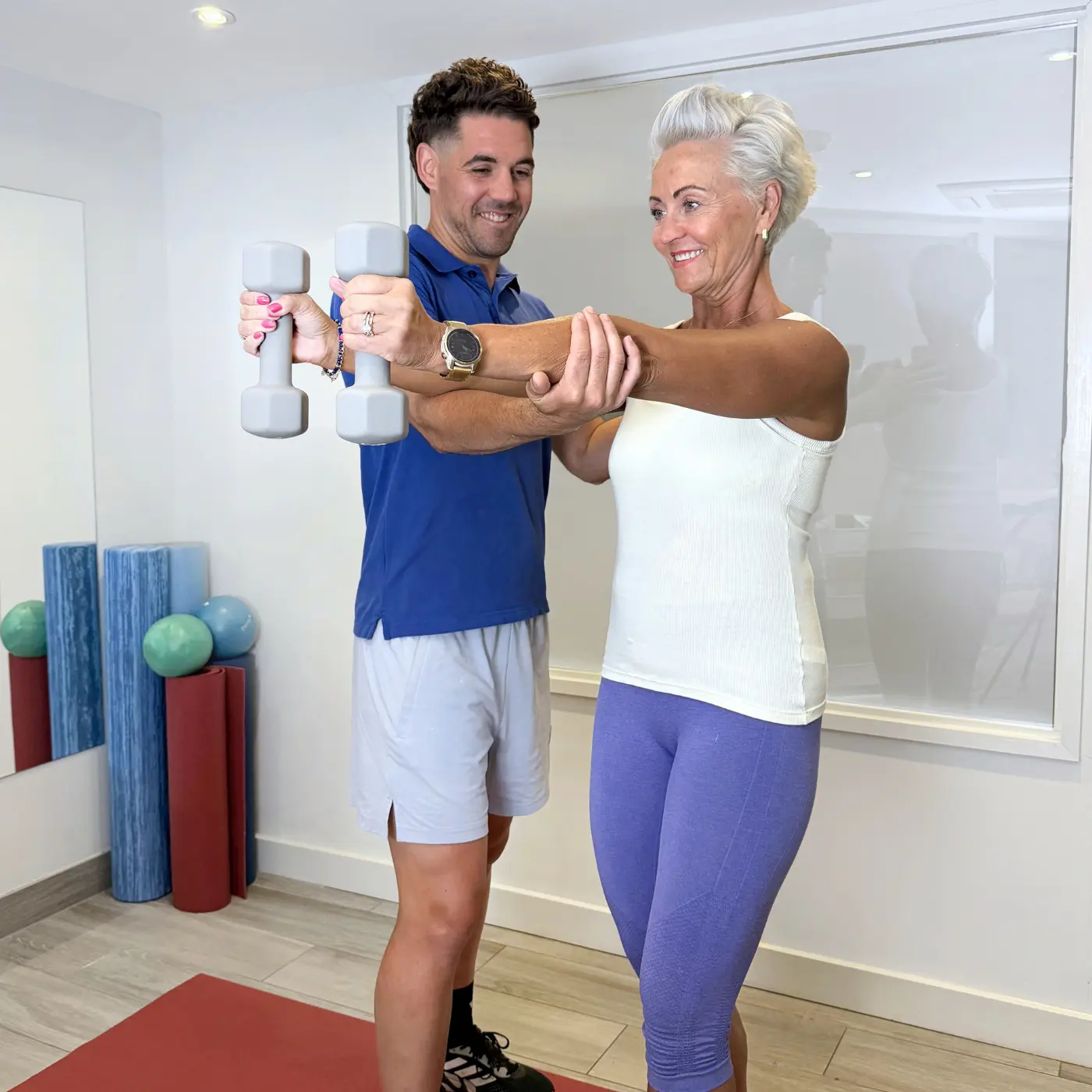
Once the knee is settling and movement is improving, rehabilitation can begin asking the leg to do more. The original programme includes progressive strengthening and balance work using exercises such as squats, lunges and bridges, alongside suitable low-impact cardiovascular exercise.
The exact exercises, resistance and range used will depend on your operation and progress. Current guidance places exercise at the centre of ACL reconstruction rehabilitation, with strength and motor-control training working alongside one another rather than being treated as separate goals.
Strength needs to be measured
One challenge after ACL reconstruction is that a leg can feel considerably better before it has regained its previous strength. That is why rehabilitation should involve more than asking: “How does the knee feel?”
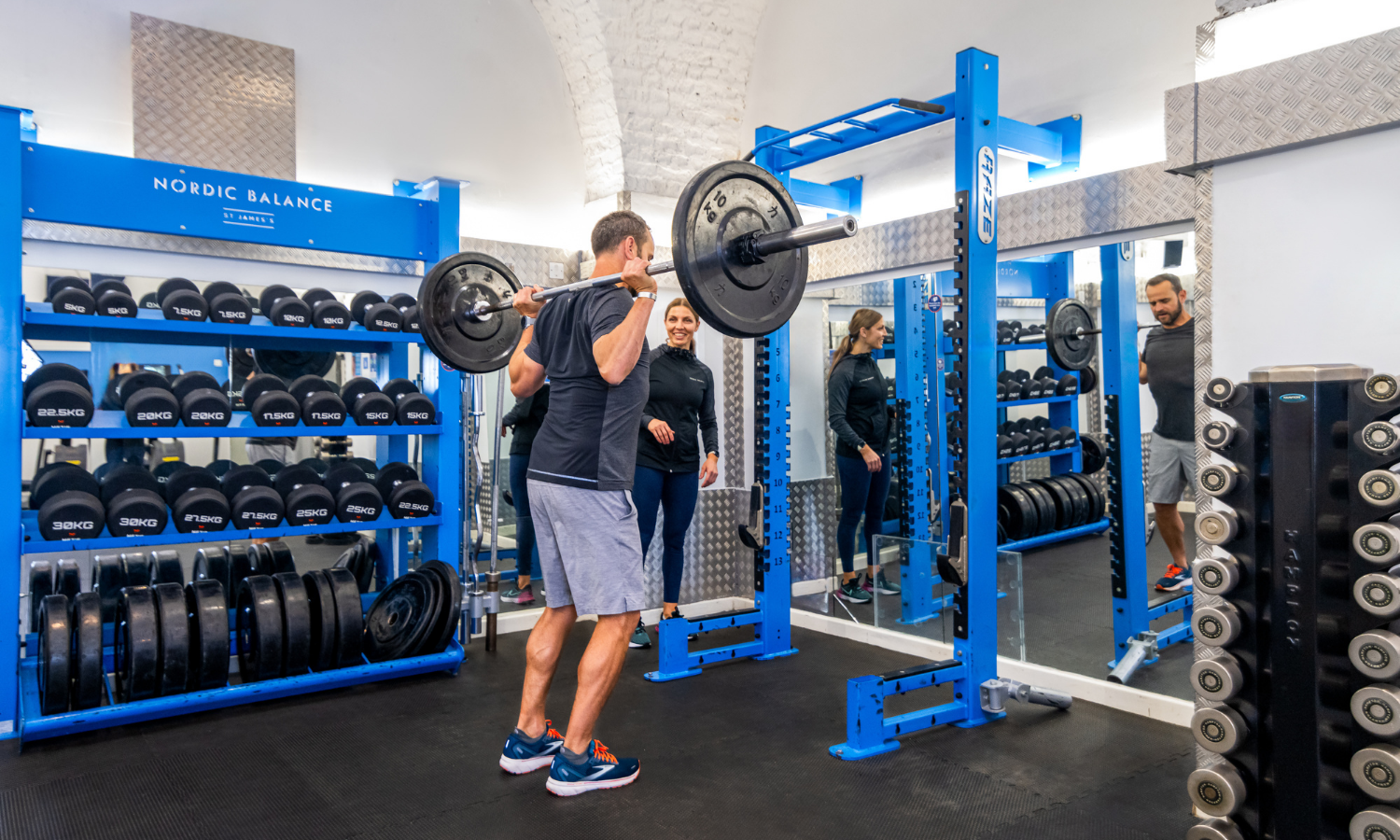
Strength testing helps your physiotherapist see how the recovering leg compares with the other side and whether the quadriceps, hamstrings, and wider lower limb are developing as expected. Those measurements become increasingly valuable as the goal moves from normal movement towards running and sport.
Phase 3: Preparing to run, jump and change direction
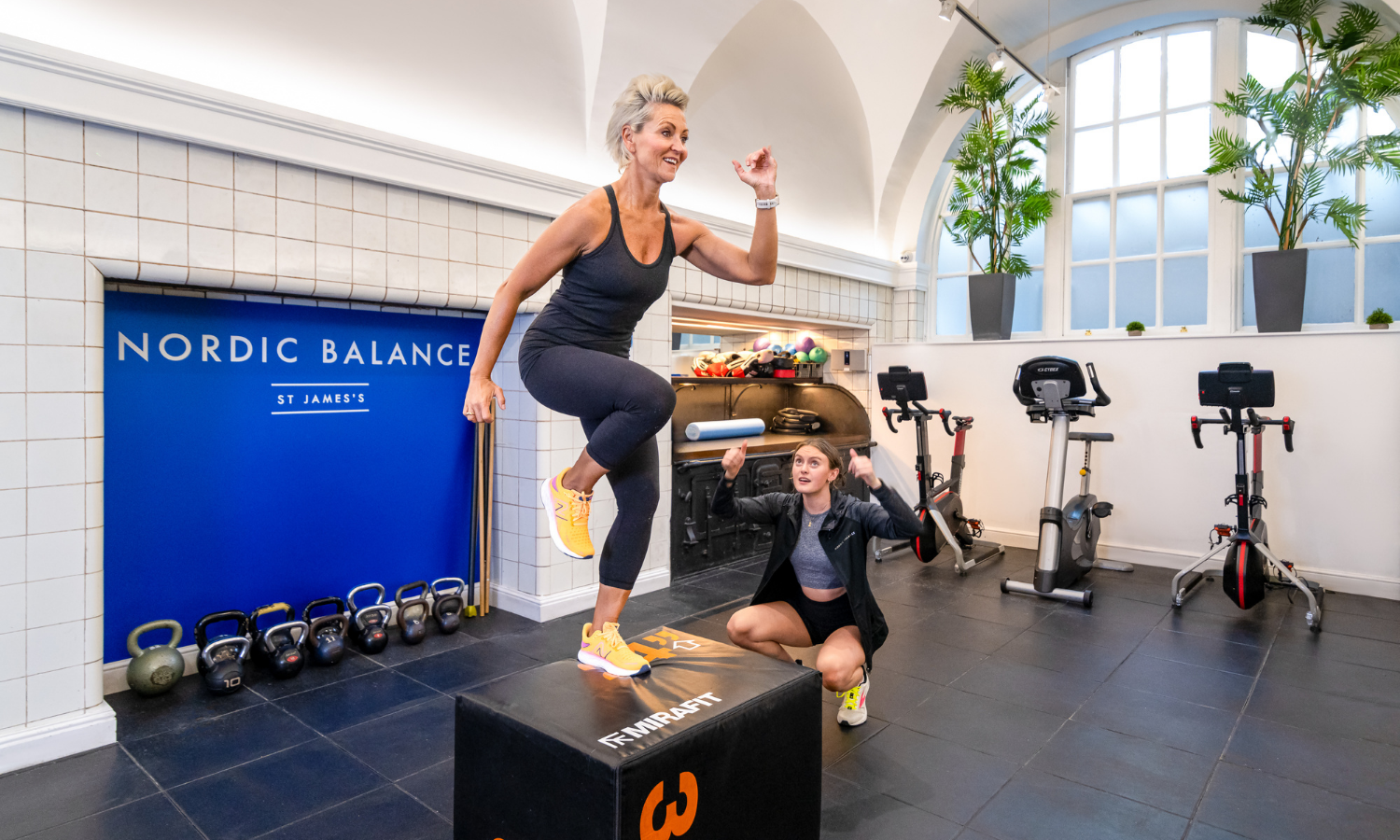
Running is a significant milestone after ACL reconstruction. But being able to walk comfortably or perform a strong squat does not automatically mean the knee is ready for repeated running loads. As strength and control improve, rehabilitation becomes more dynamic. You can gradually introduce running, hopping, jumping, landing, and agility work based on how the knee is progressing.
Returning to running after ACL surgery
Rather than choosing a running date purely from the calendar, your physiotherapist may consider a combination of knee movement, swelling, strength and your ability to tolerate repeated single-leg activity. Current ACL guidelines recommend combining time, clinical assessment and functional testing when making return-to-running decisions. For the patient, the principle is simpler: Running should be the next logical progression of rehabilitation, not a test to see whether the knee survives it.
Rebuilding landing and change-of-direction skills
Running forwards is only part of what many sports require. Football, rugby, netball, tennis, skiing and martial arts can involve rapid deceleration, jumping, landing, pivoting and reacting to unpredictable situations. Rehabilitation therefore needs to progressively expose you to those demands.
The aim is not to create one supposedly “perfect” landing technique. It is to build the strength, control and physical options needed to cope with increasingly demanding movement.
Phase 4: returning to sport after ACL reconstruction
Getting back onto the pitch, court or training floor is often the goal that has driven months of rehabilitation. It should not be reduced to a date in the diary. Recent international consensus on return to play after ACL reconstruction specifically advises against relying on time alone. Clinical assessment, strength and functional testing, psychological readiness and the demands of the individual sport should all contribute to the decision.
Feeling ready matters too
Physical testing is only part of the picture. After a significant knee injury, it is completely understandable to hesitate before a first hard landing, change of direction or contact situation. Confidence therefore needs rebuilding alongside strength.
The original rehabilitation framework recognises psychological readiness as an important part of returning to sport, and contemporary guidance continues to emphasise it. Confidence often develops by progressively practising the movements you worry about in a controlled rehabilitation environment before facing them unpredictably in competition.
Returning to training is not the same as returning to competition
Another useful distinction is between returning to training and being ready to perform fully. Your first controlled sports session differs greatly from playing an entire competitive match. Current ACL guidance treats return to sport as a progression, not a single event.
After clinical rehabilitation, exposure to training volume, speed, fatigue, decision-making and competitive demands still needs to build gradually.
Phase 5: staying strong after your return to sport
Rehabilitation should not necessarily disappear the moment you return to activity. The original programme includes an ongoing phase of strength, balance, plyometric and movement work after return to sport. I would describe this as reducing future injury risk, rather than promising injury prevention. No programme can eliminate the possibility of another ACL injury. But maintaining the physical qualities developed during rehabilitation can help prepare your body for the demands it continues to face.
Depending on your sport, that may include:
- Lower-limb strength
- Single-leg control
- Jumping and landing
- Plyometric exercise
- Change-of-direction work
- Sport-specific conditioning
- Regular exposure to the movements your sport demands
The objective is not simply to finish rehabilitation. It is to keep enough of what you built during rehabilitation to support the activity you returned to.
How do you know when you are ready to progress?
One of the hardest parts of ACL recovery is knowing whether you are genuinely ready for the next stage.
Progress may include:
- Swelling settling
- Regaining full or near-full knee movement
- Walking normally
- Increasing quadriceps and hamstring strength
- Improving balance and single-leg control
- Tolerating heavier strength work
- Running without the knee reacting afterwards
- Progressing through hopping and jumping tasks
- Handling changes of direction
- Completing sport-specific training
- Feeling increasingly confident in the knee.
Not every patient needs the same tests or targets. A recreational runner and a competitive rugby player are preparing their knees for very different jobs. That is why criteria should be interpreted against what you want to get back to, rather than pursued as numbers for their own sake.
ACL rehabilitation is more than getting rid of pain
A knee that no longer hurts isn’t necessarily a knee ready for sport. Likewise, having good strength on one test does not automatically mean you are ready for every movement your activity demands. Successful ACL rehabilitation brings several pieces together: movement, strength, control, physical capacity, confidence and gradual exposure to your sport or activity. That is what makes the process long. It is also what makes each phase meaningful. You are not simply waiting for your ACL reconstruction to reach a particular age. You are progressively rebuilding what your body needs to do next.
ACL rehabilitation
ACL rehabilitation can take many months, and what you need from your physiotherapist will change significantly over time. Early on, the priority may be swelling, movement and quadriceps activation. Later, appointments may involve heavier strength work, running, jumping and objective testing. Eventually, the conversation shifts from the knee itself to whether your body is ready for the demands of your sport.
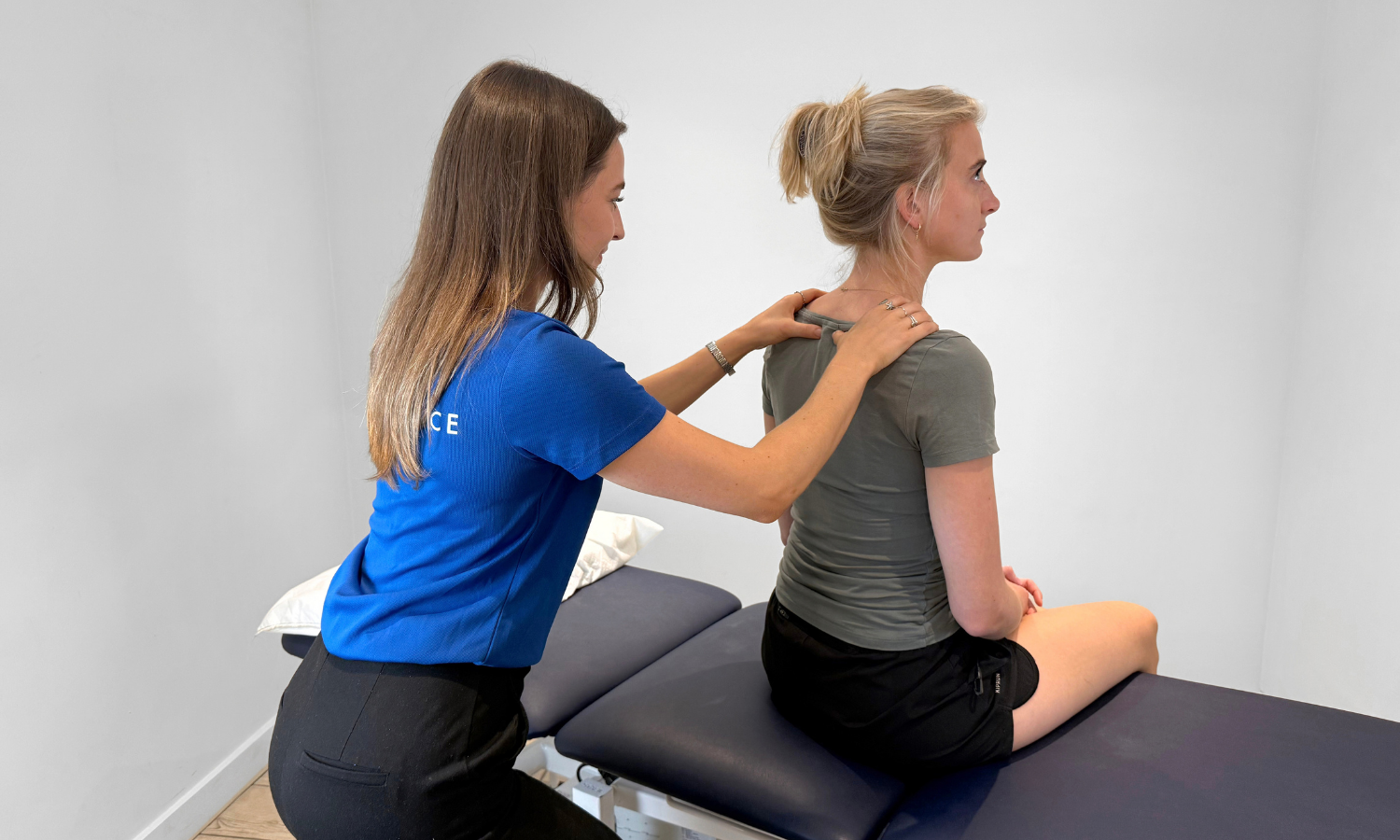
At Nordic Balance, our physiotherapists work with you through those stages, adjusting rehabilitation according to your progress, goals, and your surgeon’s requirements, where relevant. Contact us today for more information.