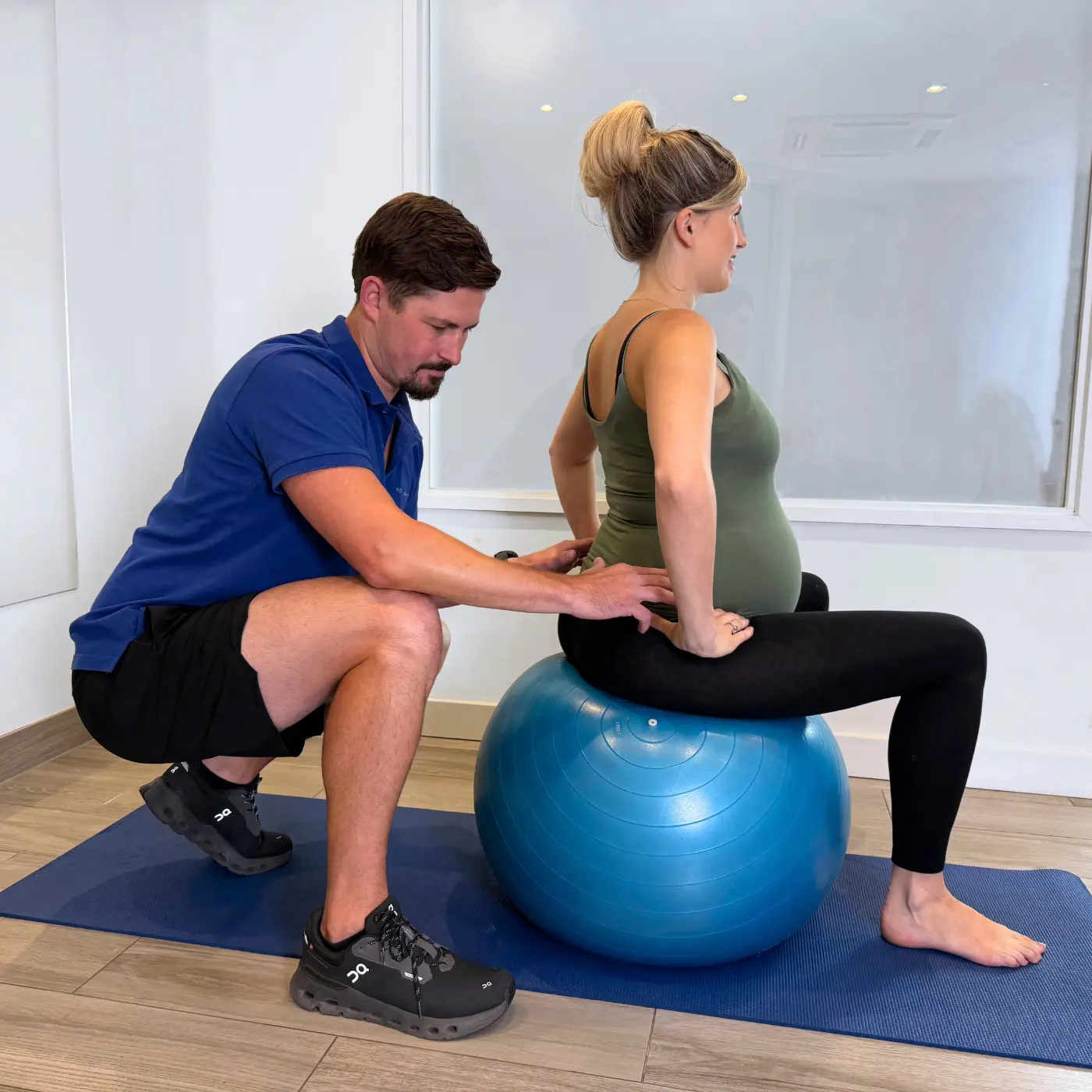

Lower back pain can make everyday movement harder than it should be. Sitting, lifting, exercising, or even getting comfortable at the end of the day can become something you start thinking about far too much. Building strength can help your back cope with the demands you place on it, but that doesn’t mean back pain is simply the result of a “weak core”. Pain often comes from several factors rather than a single cause. Your activity levels, previous injuries, strength, sleep, stress and how much time you spend in particular positions can all play a part.
Core training is one useful piece of that picture. These five exercises can help build strength and control through your trunk, hips and surrounding muscles, giving your body more capacity for everyday movement and exercise.
Core strength and lower back pain
Your core is much more than your abdominal muscles. It includes muscles around your abdomen, back, pelvis and hips that work together whenever you walk, lift, bend, run or exercise. You do not need to keep these muscles permanently tense or “brace your core” throughout the day. The aim is to develop enough strength and control for them to respond when your body needs them.
For someone experiencing lower back pain, strengthening can be part of a wider plan that also considers movement, activity levels, and the specific things that aggravate or improve symptoms. No single core exercise will prevent lower back pain. A more useful goal is to gradually build your body’s capacity to handle the movements and loads of your daily life.
Core exercises to ease lower back pain
The plank
The plank challenges several core muscles at once. Start on your forearms and knees or toes, depending on your current strength.
Keep your body controlled and breathe normally while holding the position. Instead of trying to hold it as long as possible, stop when you can no longer maintain the position comfortably.
As your strength develops, gradually increase the duration or progress to a more challenging version.
Glute bridge exercise
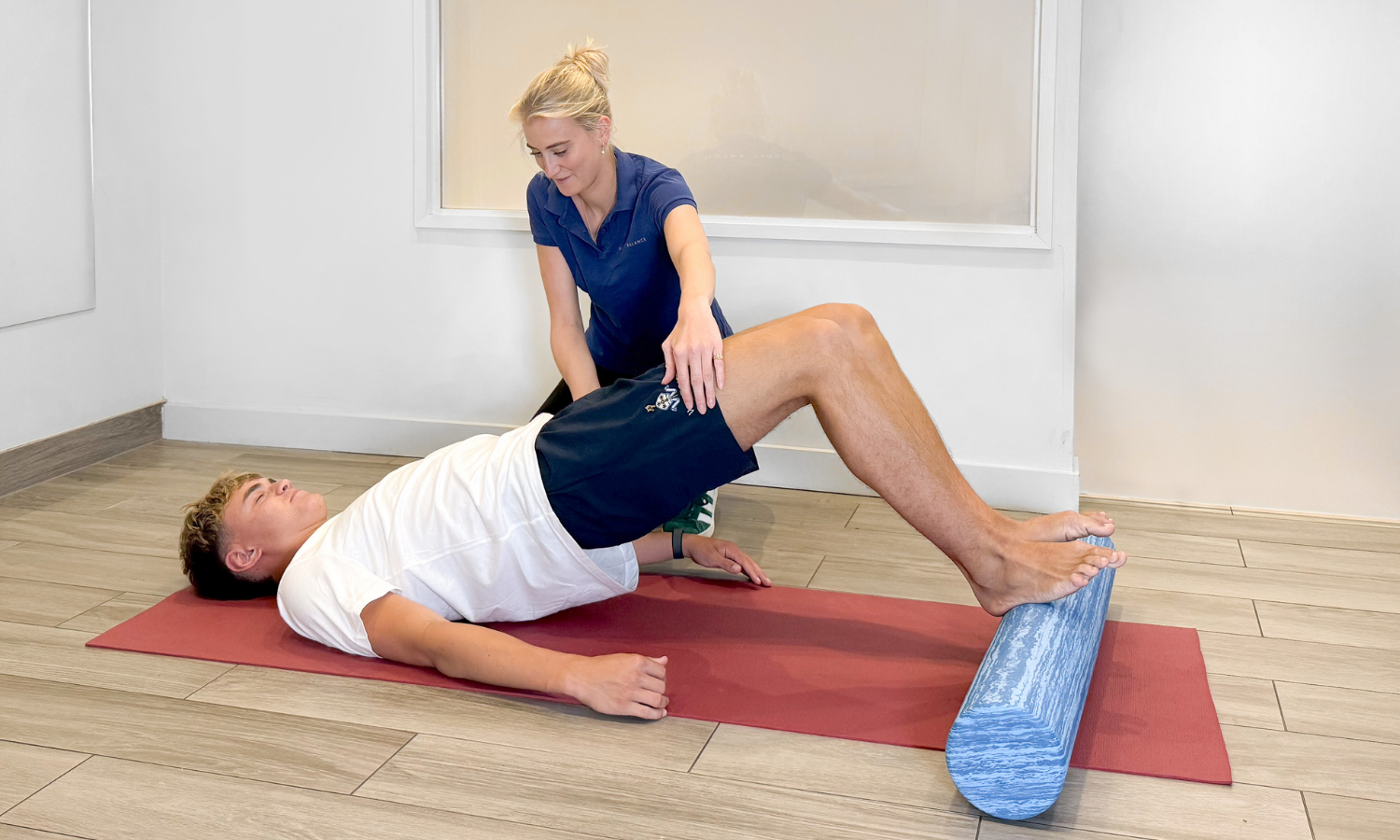
Glute bridges strengthen the muscles around the hips and help you practise producing force through the lower body while controlling the trunk.
Lie on your back with your knees bent and feet flat on the floor. Press through your feet and lift your hips until your body forms a comfortable line from your shoulders towards your knees. Pause briefly before lowering with control.
Once the basic movement feels easy, you can increase the challenge by adding resistance, slowing the movement, or progressing to single-leg variations.
Bird-dog exercise
The bird-dog challenges trunk control while you move your arms and legs.
Start on your hands and knees. Slowly extend one arm forward and the opposite leg back while keeping the rest of your body as still as possible. Return to the starting position before changing sides.
Avoid worrying about making the movement as large as possible. Controlled movement is more important than how high you can lift your arm or leg.
Dead bug exercise
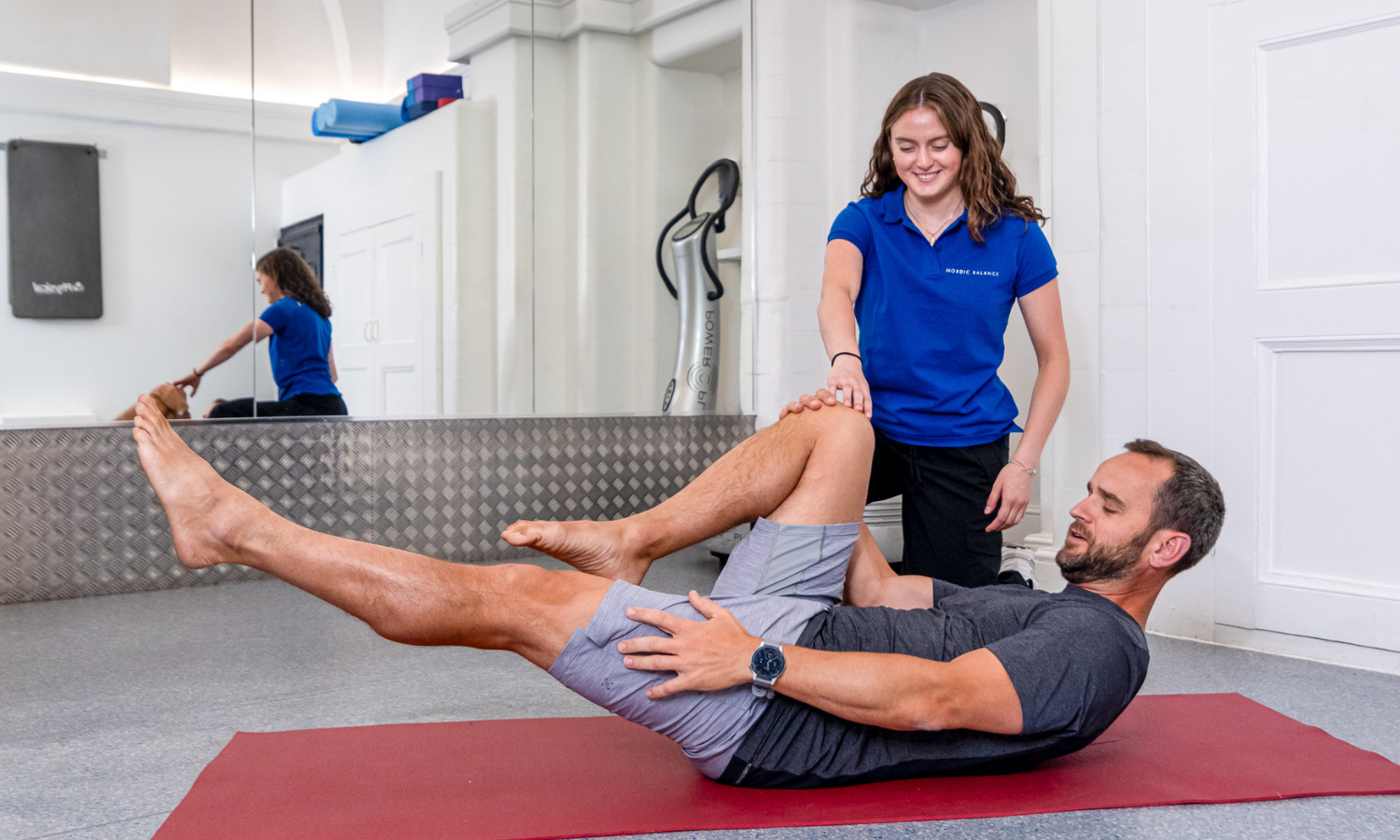
The dead bug is another useful way to strengthen the trunk while the arms and legs move independently.
Lie on your back with your arms pointing upwards and your hips and knees bent. Slowly lower one arm and the opposite leg away from your body, only moving as far as you can comfortably control. Return to the starting position and repeat on the other side.
As your strength improves, you can make the movement larger, slower, or more heavily resisted
Side plank exercise
The side plank adds a different challenge by working the muscles around your trunk and hips.
Lie on your side and support yourself on your forearm. Start with your knees bent if needed, then lift your hips off the floor while keeping the position controlled.
As you become stronger, progress towards performing the exercise with your legs straight. Then increase the hold time or add movement, rather than simply trying to stay still longer.
Progressing your core strength
The exercises above are starting points, not a complete back-strengthening programme. Once they become comfortable, the next step is usually to increase the challenge.
That might mean:
- adding resistance
- increasing the range of movement
- introducing more single-leg exercises
- carrying weights
- squatting or deadlifting
- adding rotation
- increasing the demands of the activities or sports you enjoy
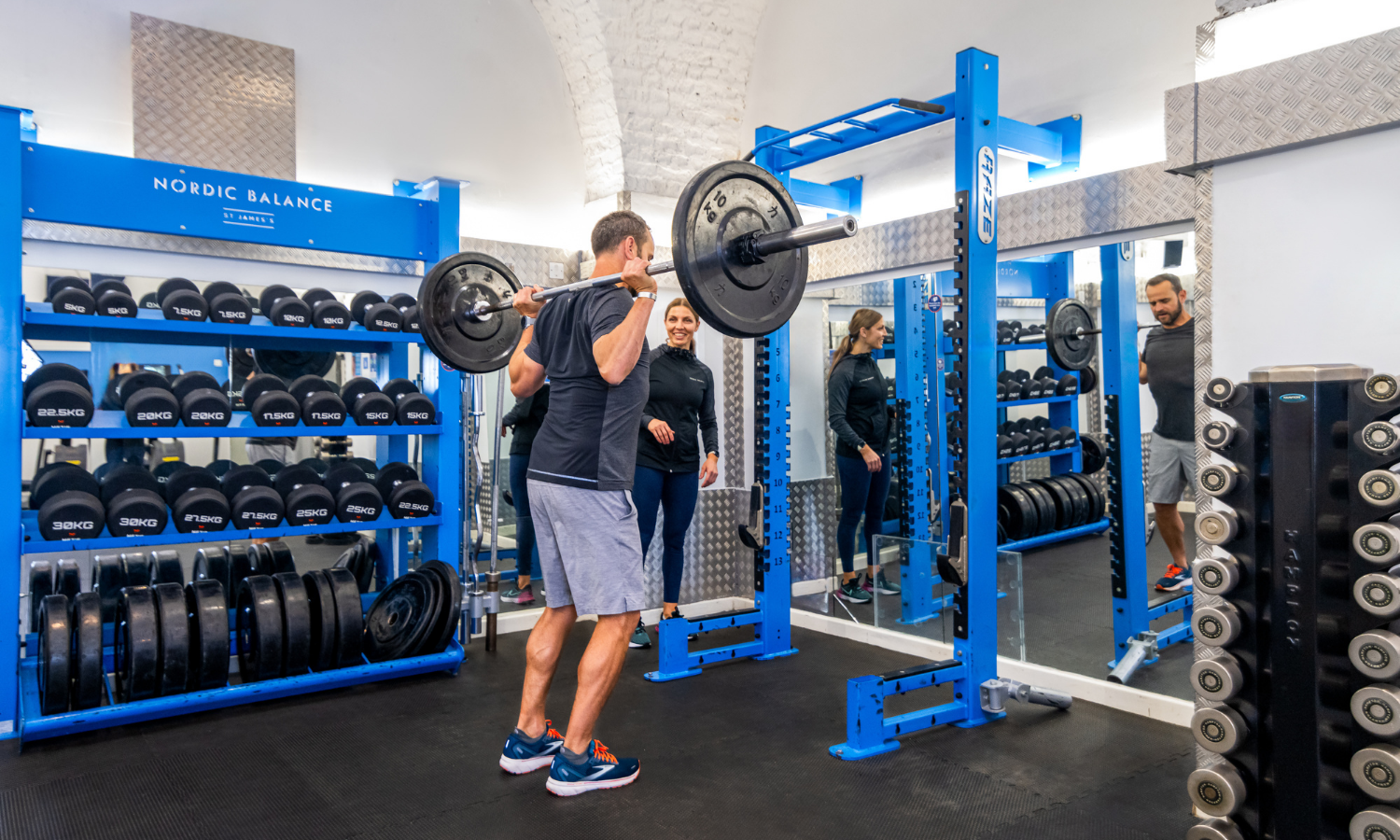
Your back is designed to move and tolerate load. The aim of strengthening is not to protect it from every movement, but to progressively prepare it for more. If an exercise consistently increases your pain, causes new symptoms, or you are unsure how to progress, an assessment can help establish what may be contributing and which exercises are most appropriate for you.
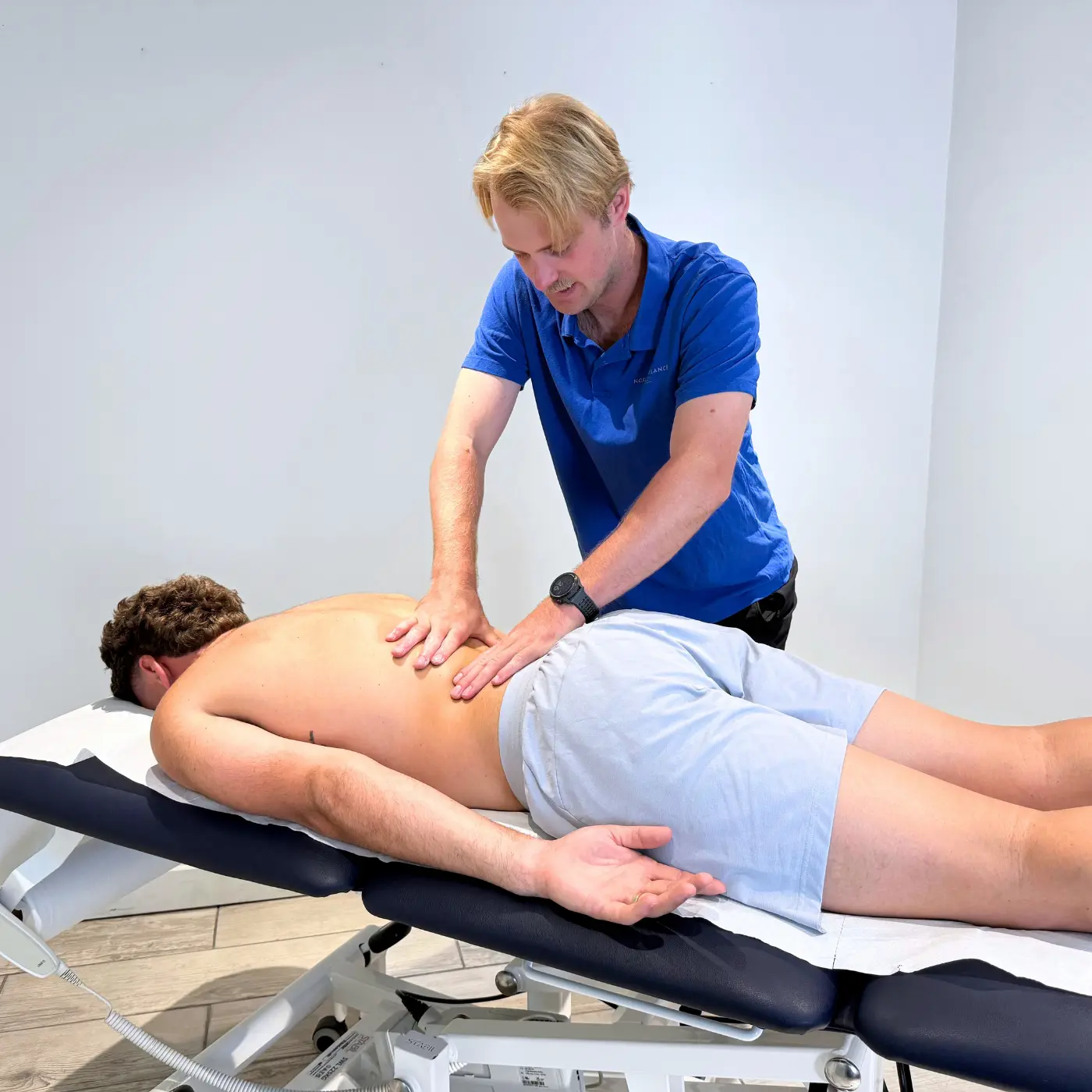
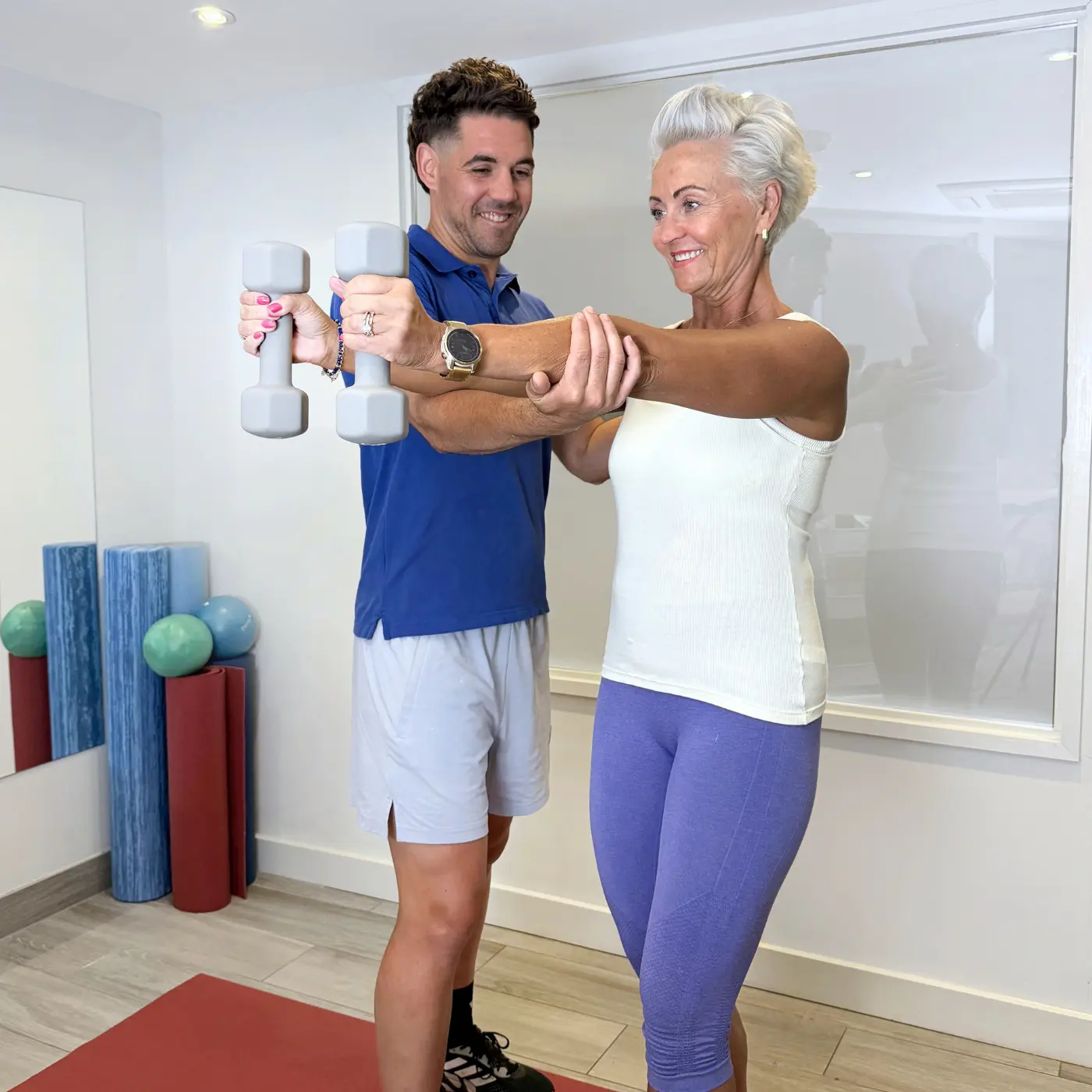
At Nordic Balance, treatment and exercise rehabilitation can be combined within one plan, so strengthening can progress alongside any hands-on care you need.