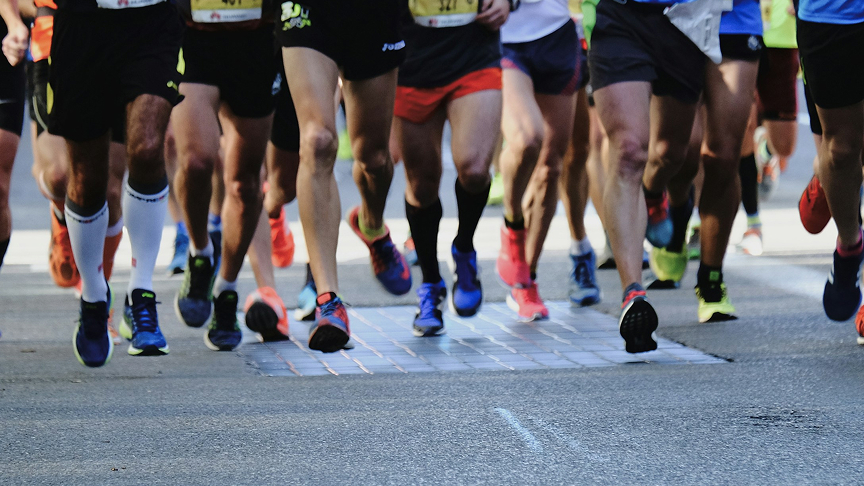
Every London Marathon runner arrives at the start line with a different reason for being there. Some are chasing a personal best. Others are raising money for a cause close to them, running their first marathon, or seeing if they can handle 26.2 miles.
For the past three years, Nordic Balance has supported more than 400 London Marathon participants through our free London Marathon Recovery Giveaway. Across our London clinics, our physiotherapists and sports therapists have welcomed runners through the doors after race day to help them begin their recovery.
The campaign has grown, but the idea behind it has stayed simple: celebrate runners, support the community around our clinics, and make experienced recovery advice accessible after one of the biggest physical challenges many people take on.
Our work with runners does not begin at the finish line either. Throughout the year, we help people manage running injuries, build strength, prepare for increasing training demands and return to running with confidence.
This is the story of how the campaign has grown, the runners and communities behind it, and what we have learned from supporting marathon recovery year after year.
Supporting South London’s marathon running community
Race day lasts a few hours, but preparation takes months. Behind every finisher are early starts, long weekend runs, increasing mileage, tired legs and training fitted around work, family and everyday life.
Our London Marathon Recovery Giveaway began to recognise that commitment and give something back after the race. It also allowed our clinicians to meet runners from across London, hear the stories behind their marathon, and offer practical support when recovery suddenly becomes the priority. Over time, the giveaway has become part of our connection with the running communities surrounding our clinics.
“The dedication, energy and perseverance required to conquer the 26.2 miles of the London Marathon are nothing short of extraordinary. This is our way of saying congratulations and helping you get back on your feet, feeling refreshed and ready for your next challenge!” – Pierre Meyer, Nordic Balance
The London Marathon recovery giveaway
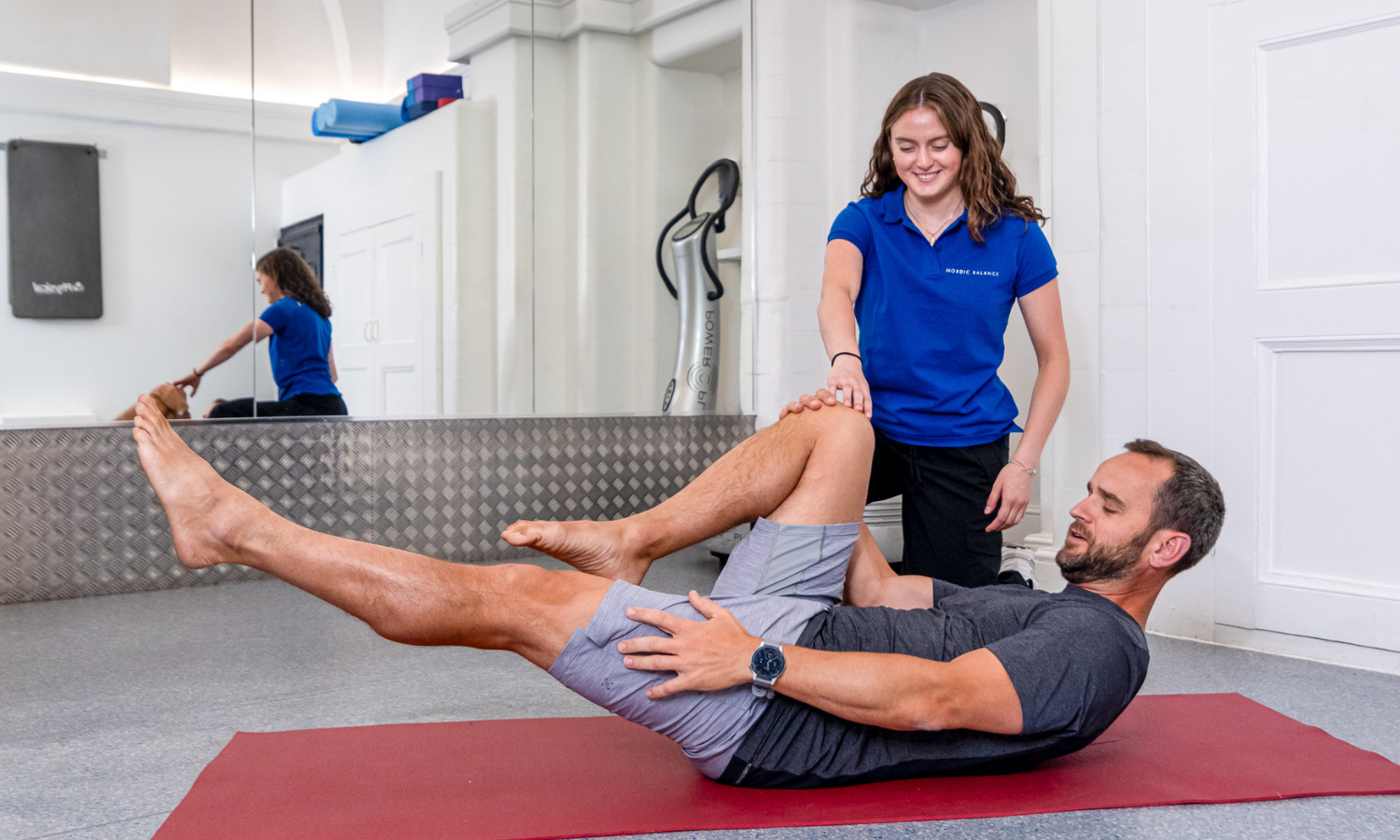
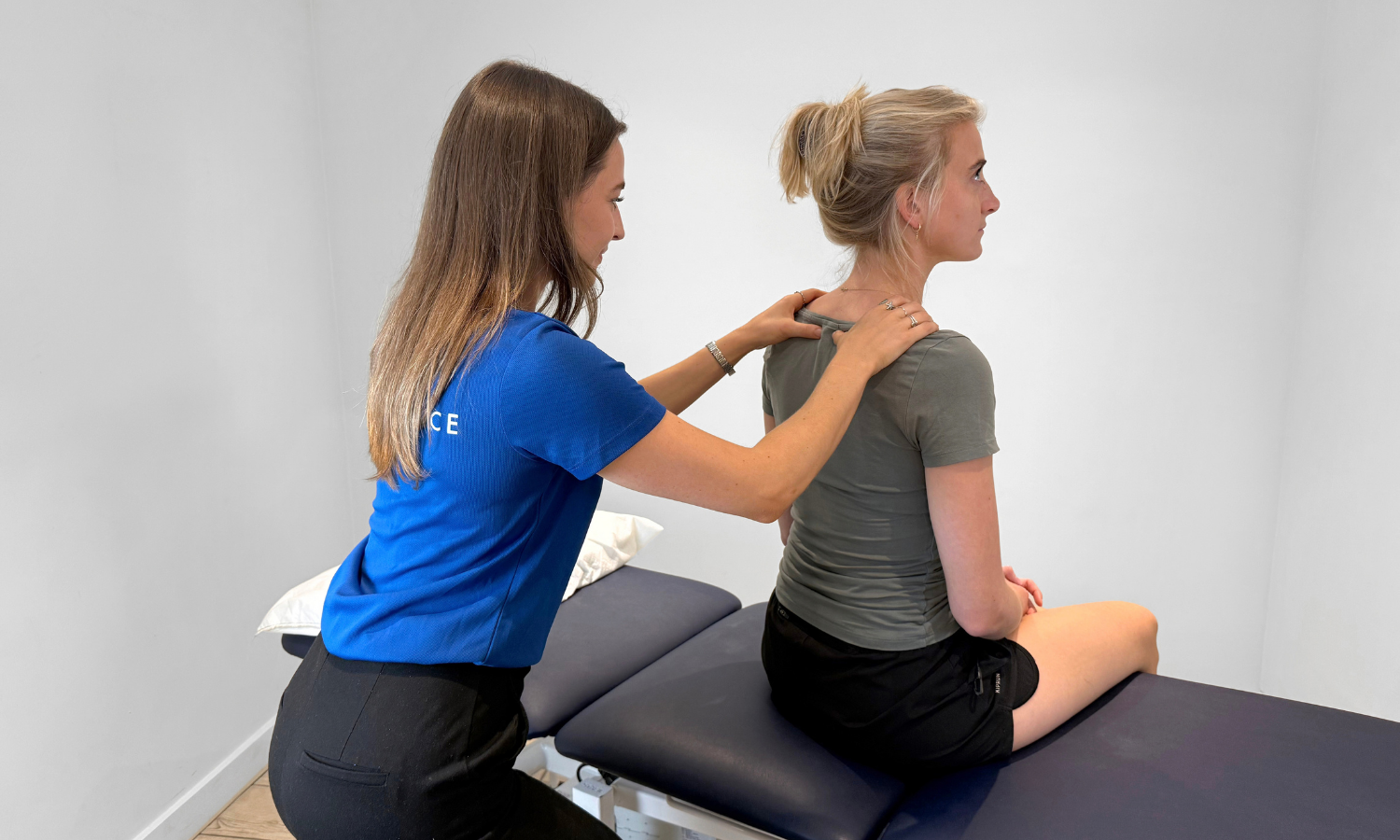
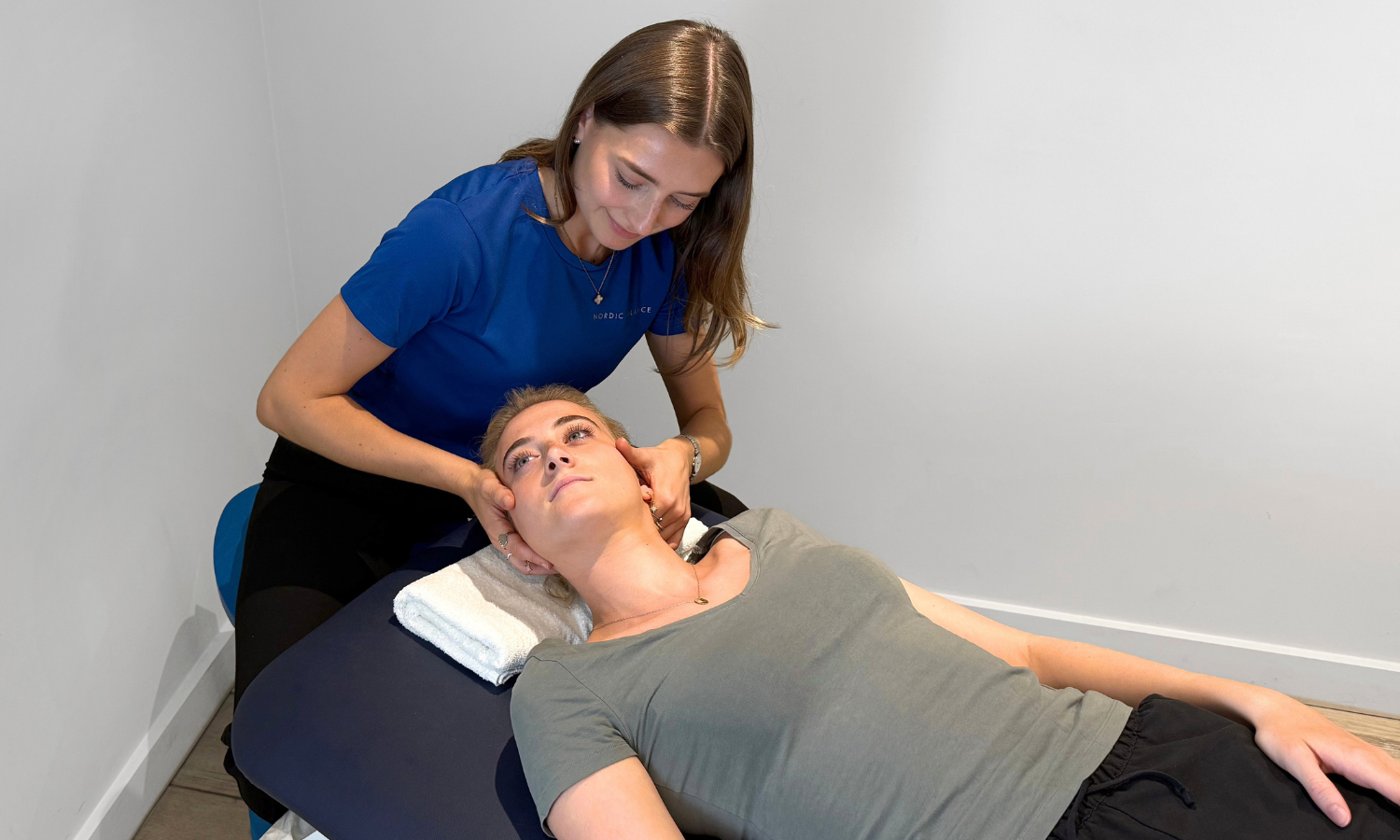
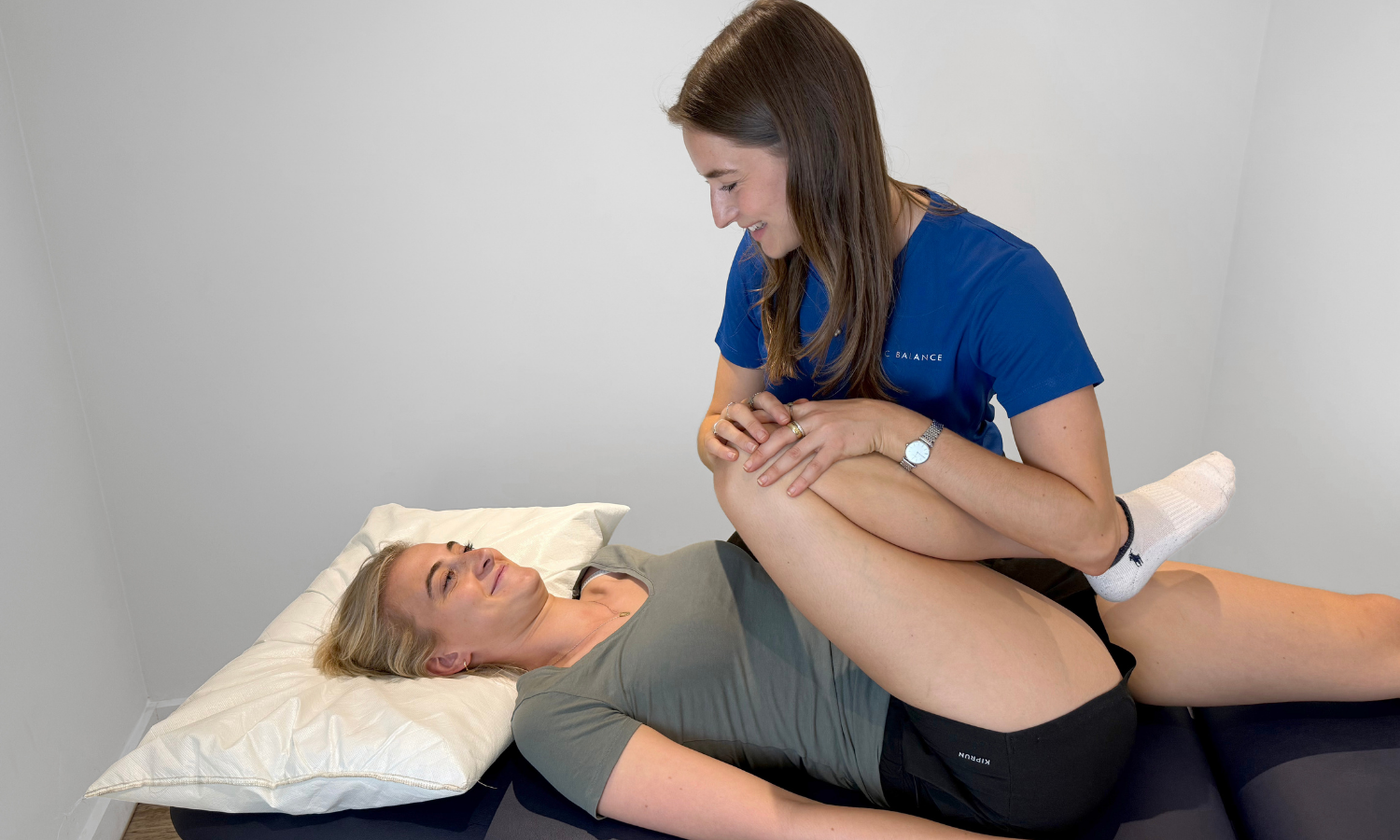
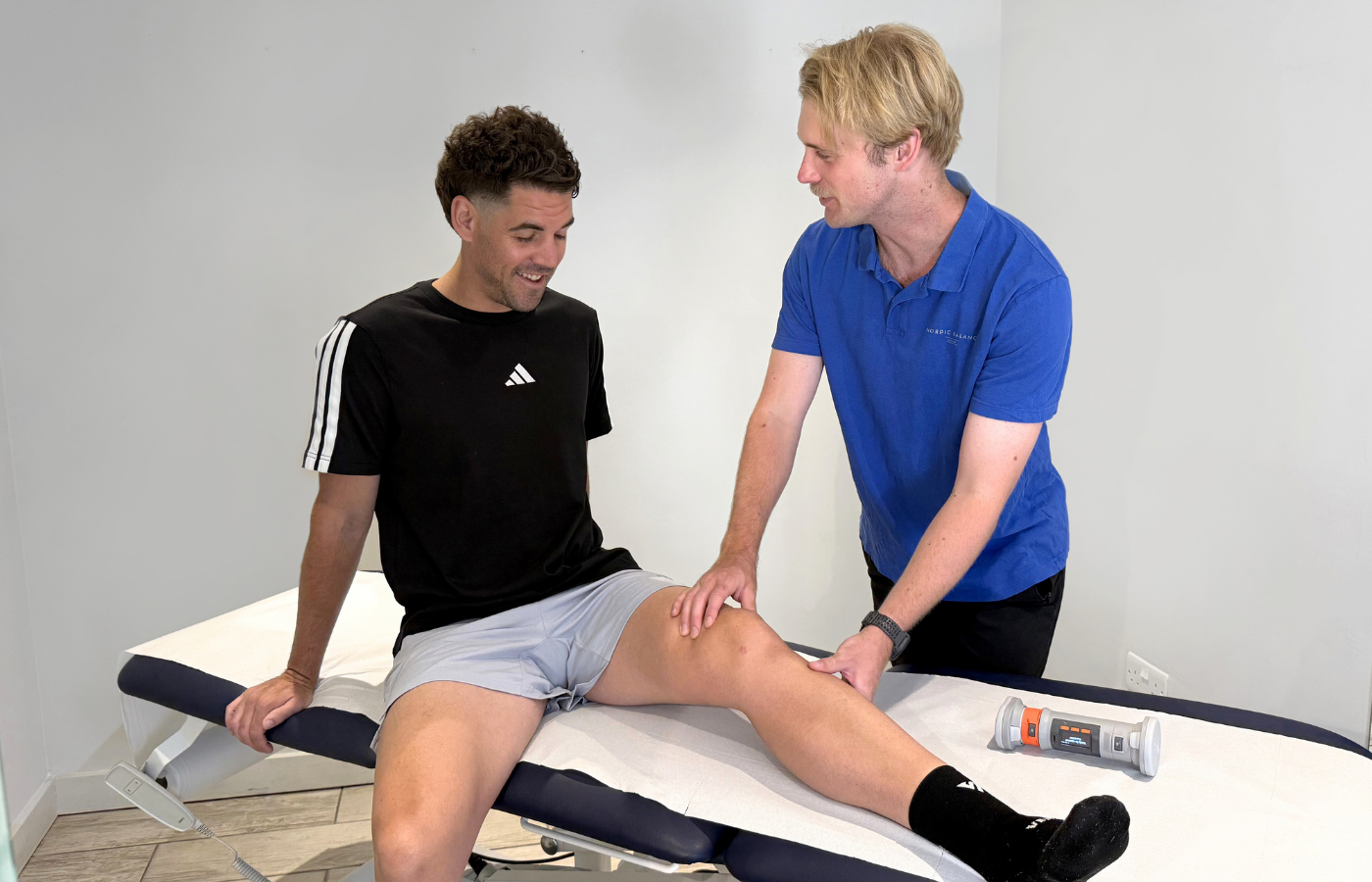
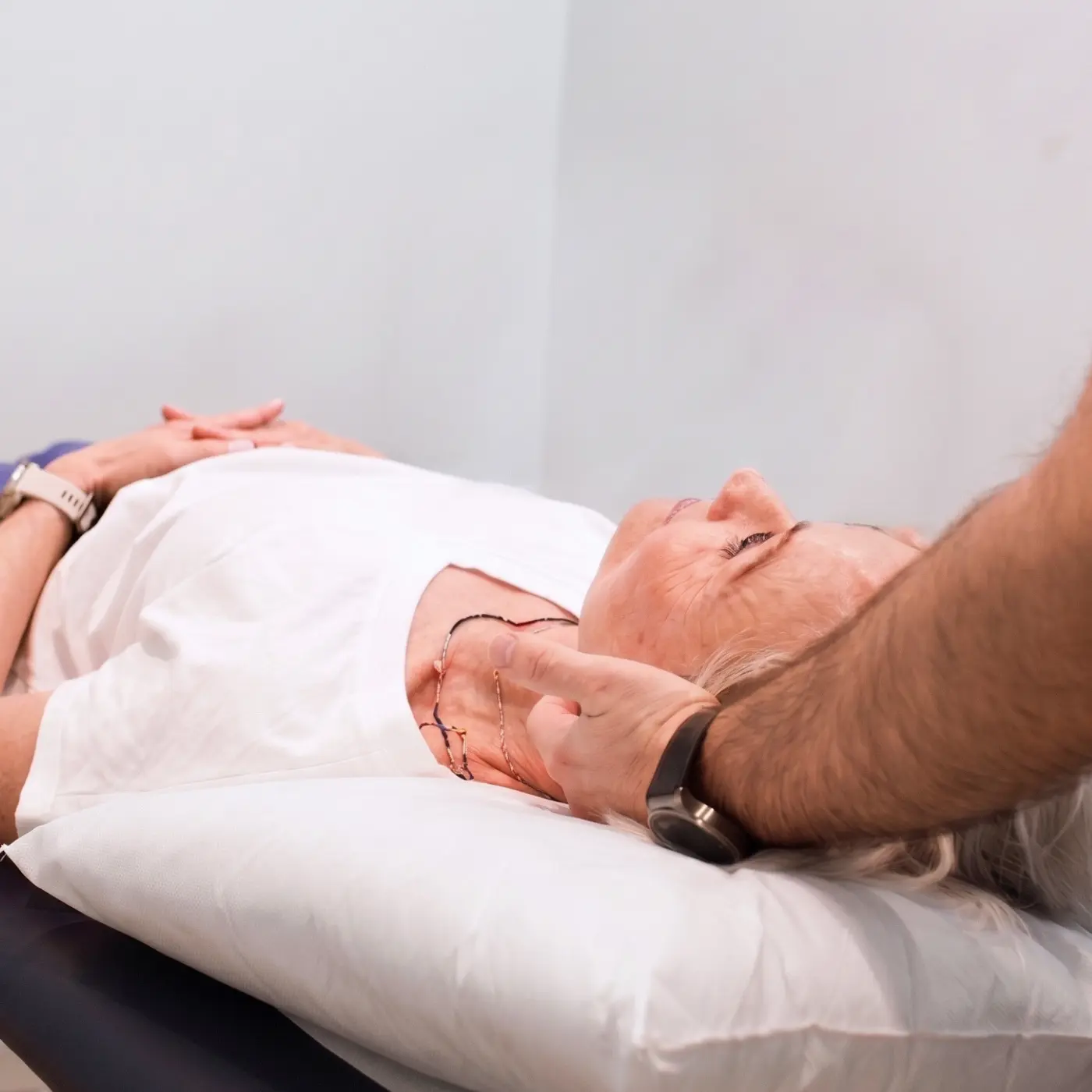
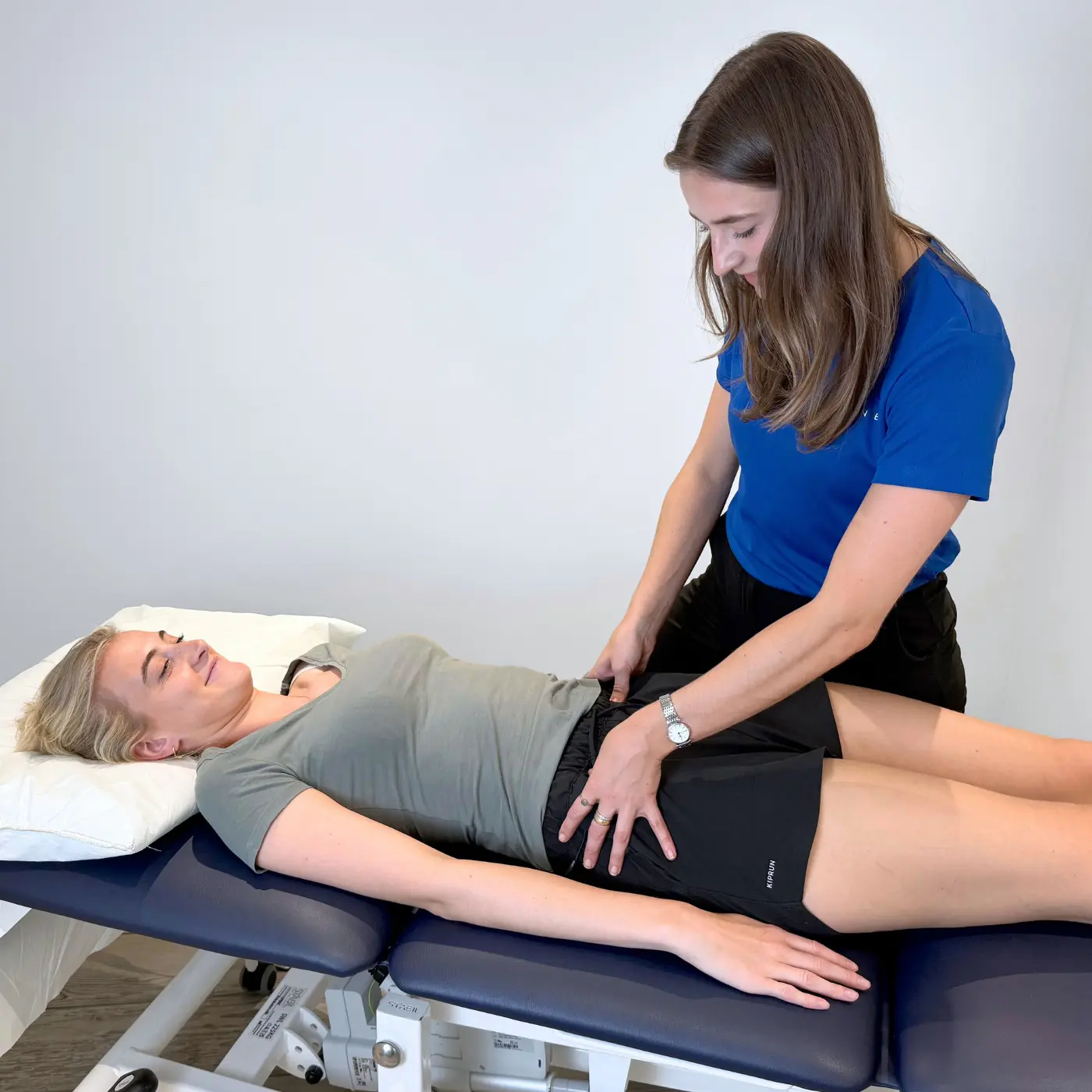
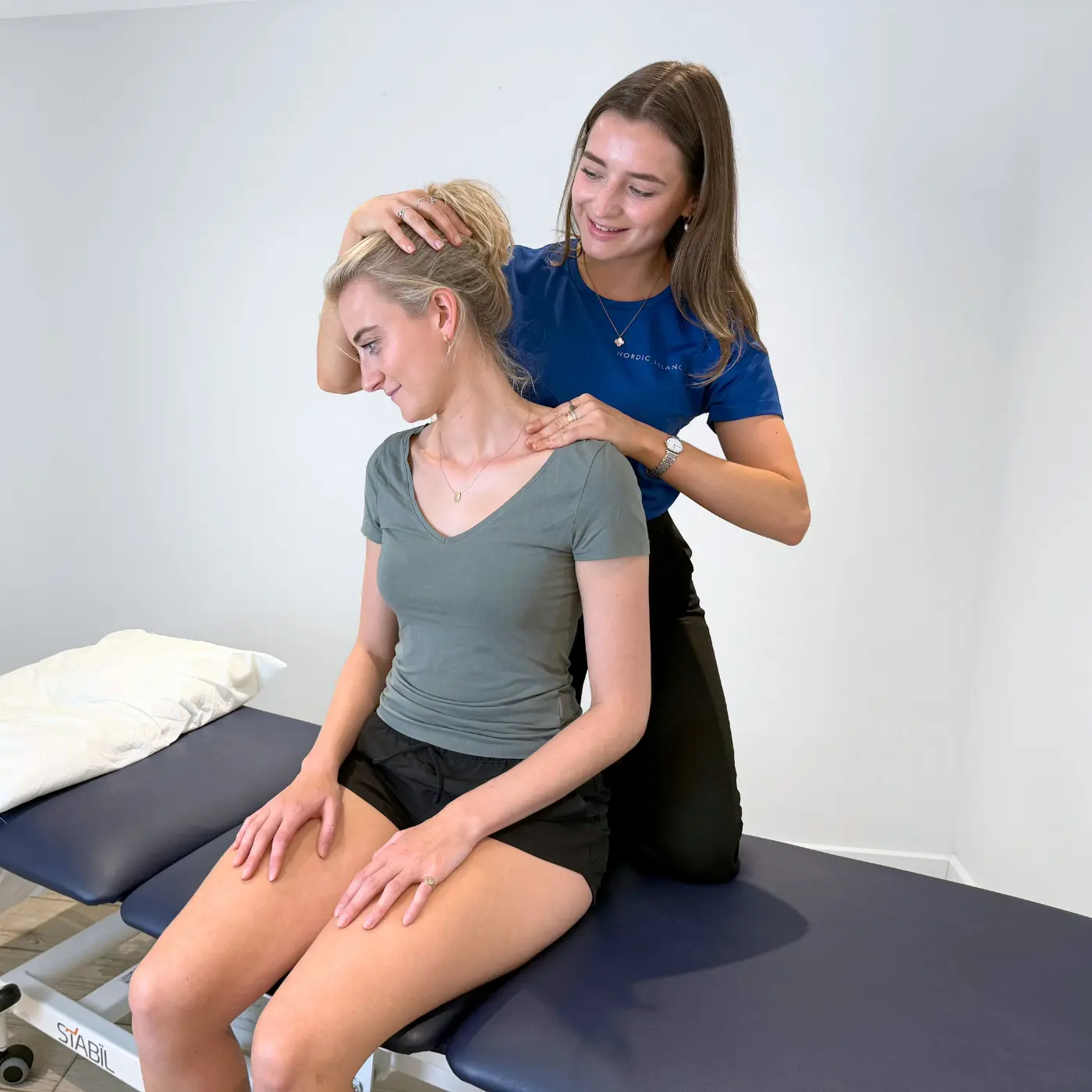
Each year, London Marathon participants are invited to book a complimentary 30-minute recovery session with one of our physiotherapists or sports therapists. Every runner arrives feeling different, so the session doesn’t follow a standard formula. It begins with a brief assessment and conversation about how the runner is feeling after the race. From there, the practitioner can adapt the session to what is most useful at that point.
The aim is not to promise a quick fix for tired legs. It is to give each runner appropriate support, answer questions and help them make sensible decisions about what comes next.
Three years of marathon recovery support
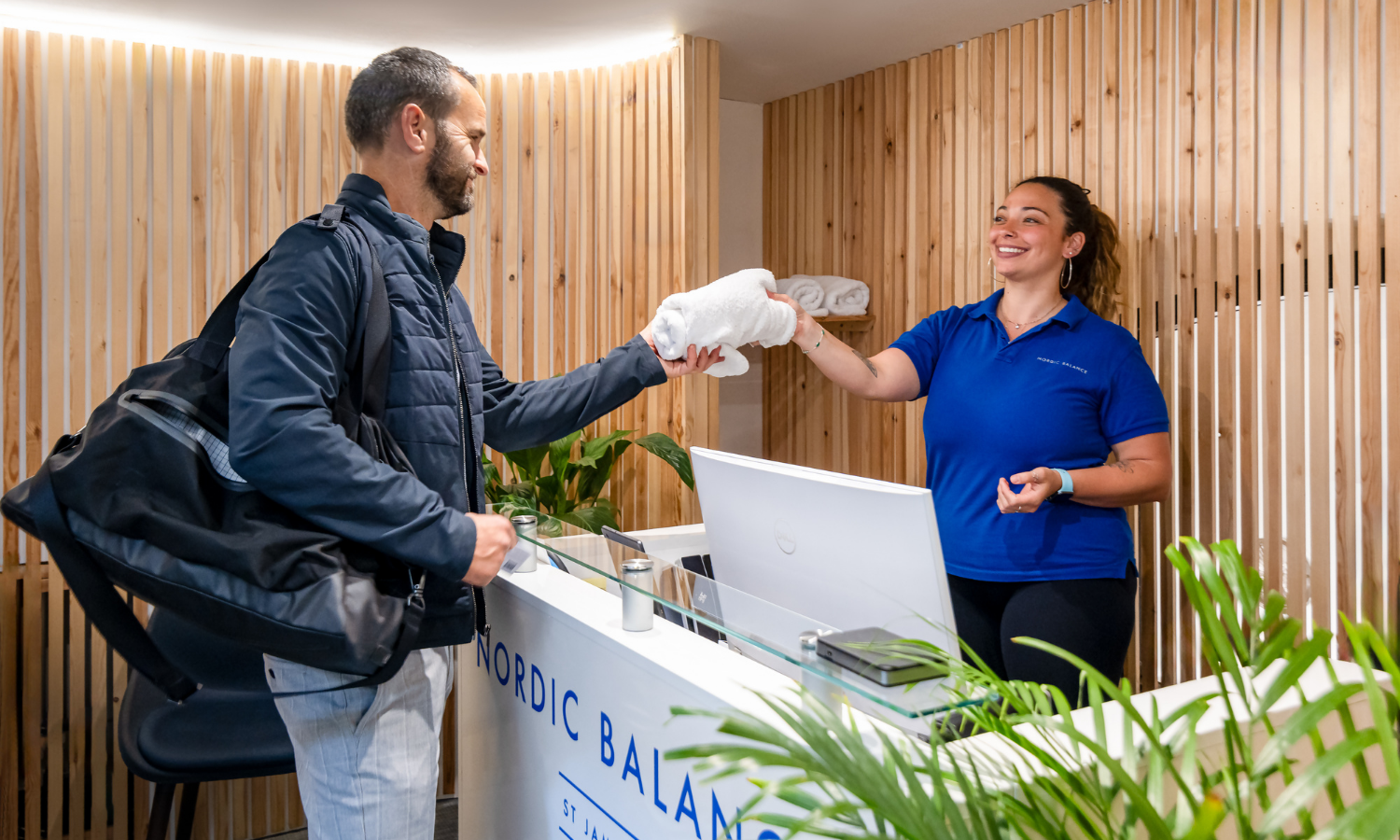
The campaign has grown considerably since it began. Our first giveaway welcomed 85 marathon runners. More than 120 took part in 2024, and 180 participants joined us in 2025. Across the three years, Nordic Balance has now supported more than 400 London Marathon participants. As our clinic network has grown, we have also been able to make more appointments available across St. James’s, Clapham, Wimbledon Village and Battersea.
Runner feedback has been an important reason for continuing the campaign. After taking part, marathon runner Mary Dolan said:
“I received a great assisted stretch and massage; it really helped! The team was so friendly as well.”
Another participant, Louise Tidey, was still “buzzing” after completing the marathon and thanked the Nordic Balance team for supporting her recovery afterwards. For our team, those conversations are as much a part of the campaign as the treatment itself.
Post-marathon recovery and treatment
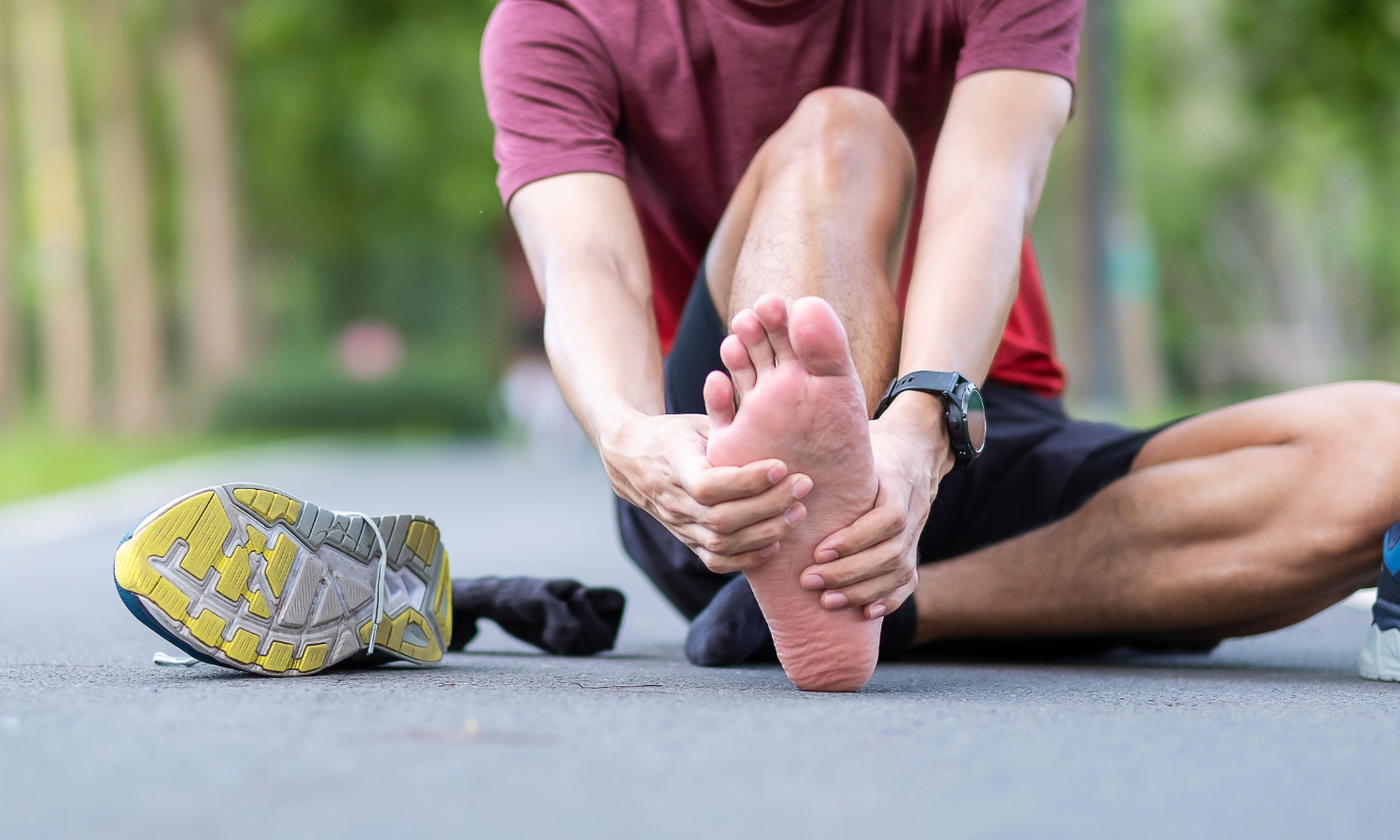
Completing 26.2 miles places a substantial demand on the body, but how you feel afterwards can depend on your training history, race effort, sleep, nutrition, previous injuries and whether anything became painful during the race. Some runners leave the finish line simply exhausted. Others are dealing with a problem that began weeks earlier and became more noticeable over the distance.
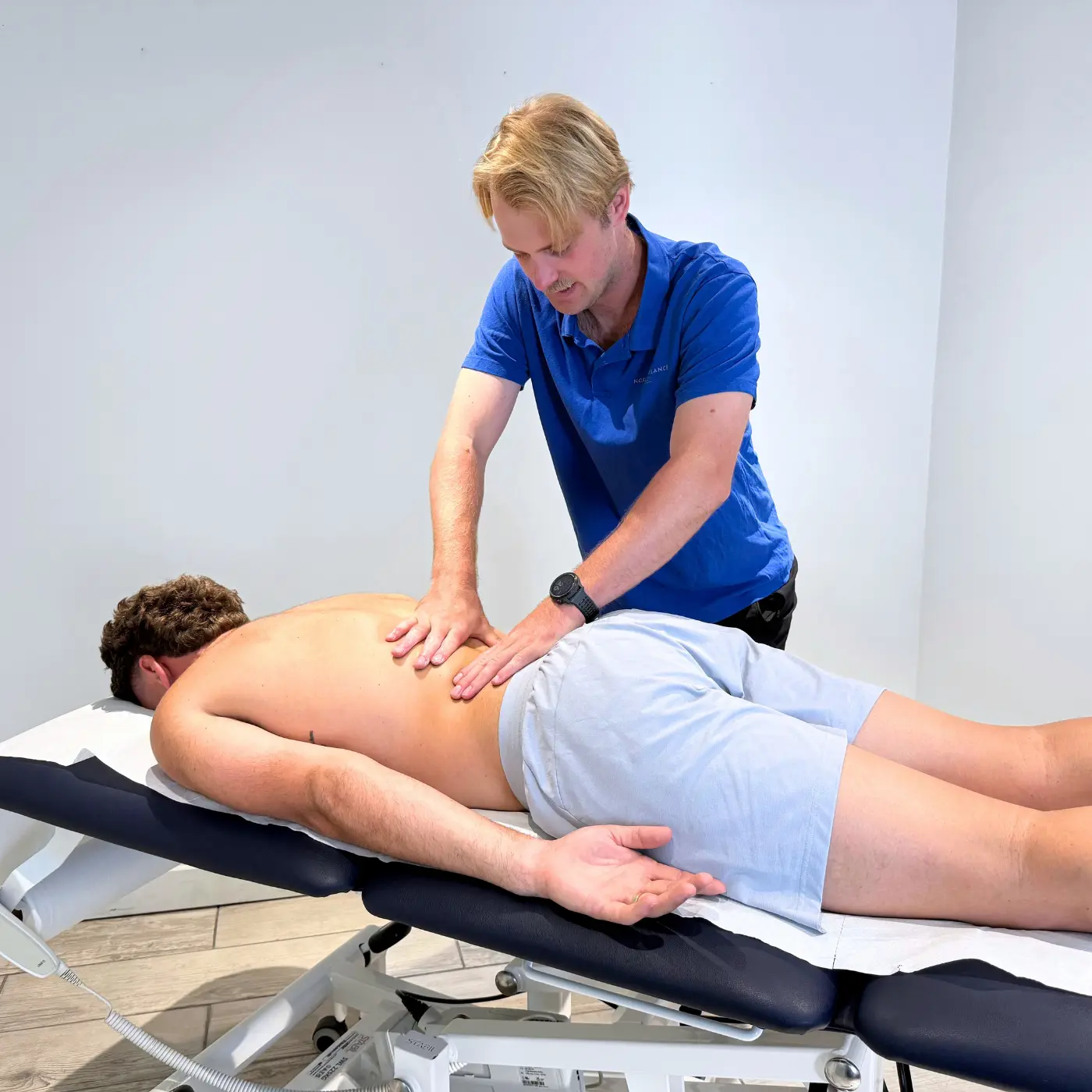
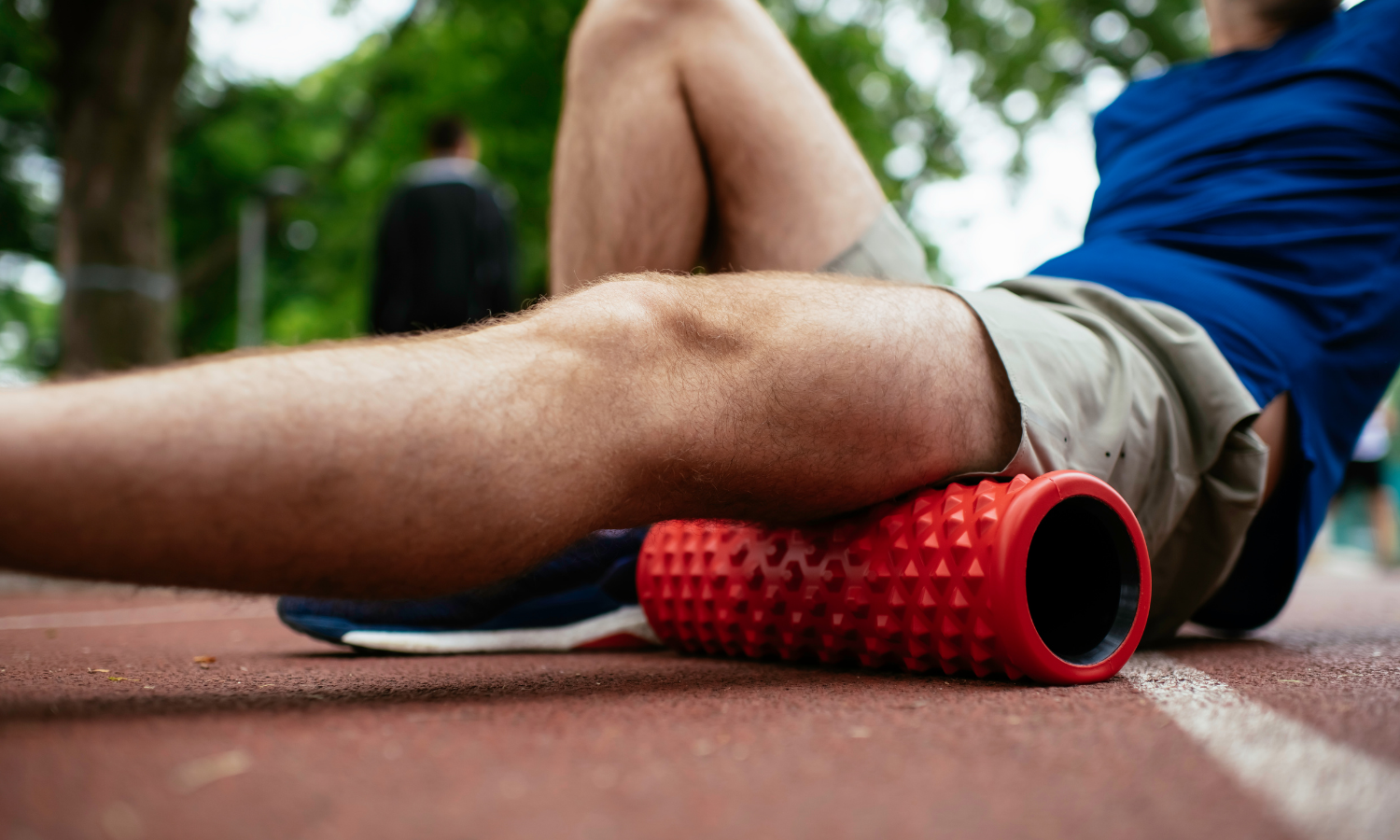
That is why our recovery sessions start with the individual rather than a predetermined treatment. Hands-on treatment, mobility and stretching may help someone feel more comfortable in the short term, but recovery also depends on giving the body time to respond to what it has just done.
One of the most common questions is when to start running again. There are no rules for recovery. How you feel, whether you have pain, what your training looked like before the marathon, and what you are planning next all matter. The priority is recovery. Next is rebuilding toward whatever comes after.
The runners behind the 26.2 miles
Some of the most memorable parts of the Recovery Giveaway have had very little to do with finish times. In 2025, we met Jerry after he completed his fifth London Marathon, alongside several other marathons elsewhere. We also met Jasmine, who was completing her first marathon and raising money for Samaritans in memory of a friend she had lost the previous year. Their motivations were completely different, and we see that every year.
Some runners are pursuing a personal record. Some have waited years for a ballot place. Others are running for charities, family members or causes that mean far more to them than the number on the clock.
The wider London community has helped us reach those runners too. Wandsworth Runners, BatterseaBeat, Wimbledon Village Group, and NappyValley are among the groups and communities that have supported and shared the campaign over the years. More than 400 runners later, that community involvement remains one of the things that makes the campaign worth bringing back.
Physiotherapy for marathon training and recovery
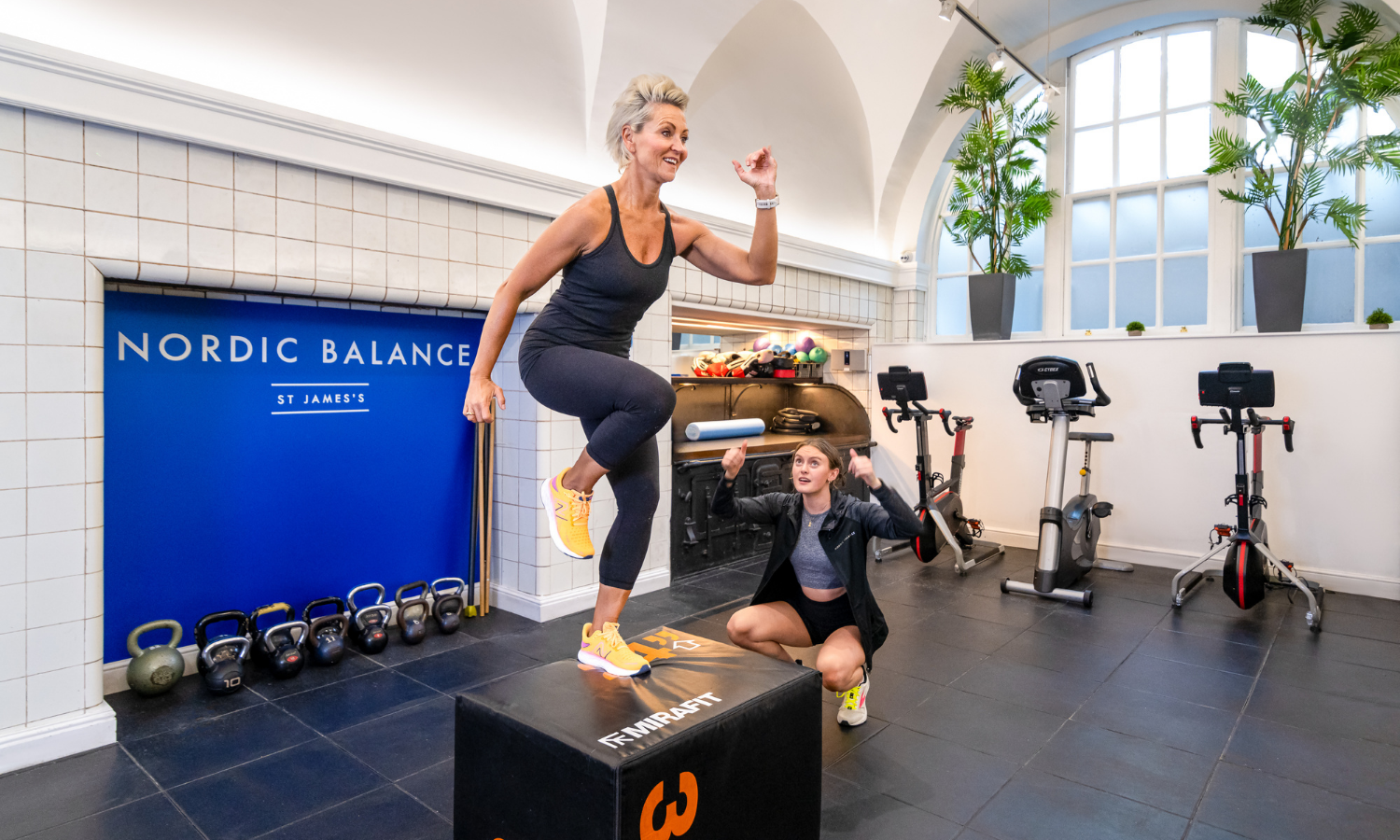
Our experience with marathon runners extends well beyond the days following the race. Marathon training steadily asks more of the body as mileage and long runs increase, making recovery between sessions more important. Small problems that were manageable at lower training volumes can become harder to ignore.
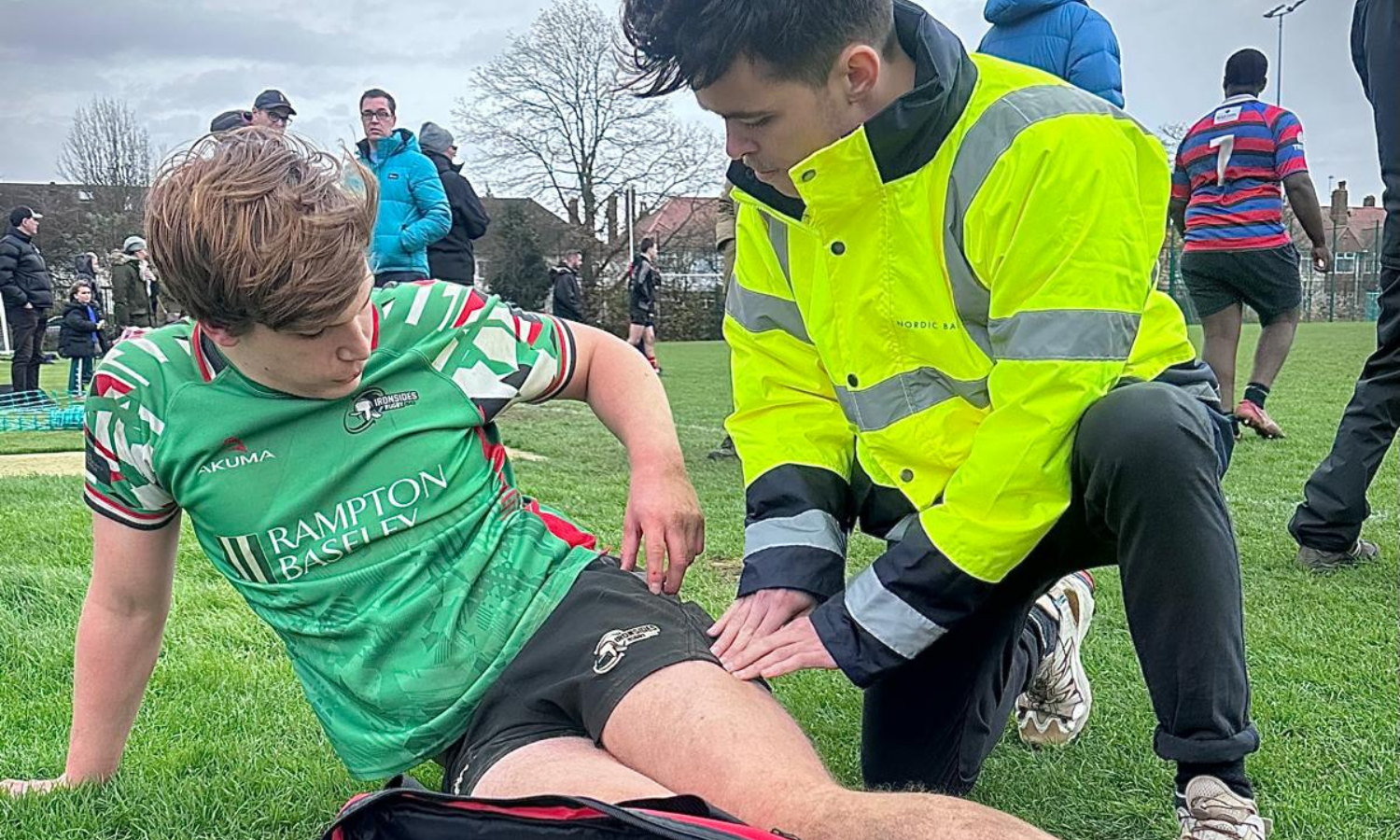
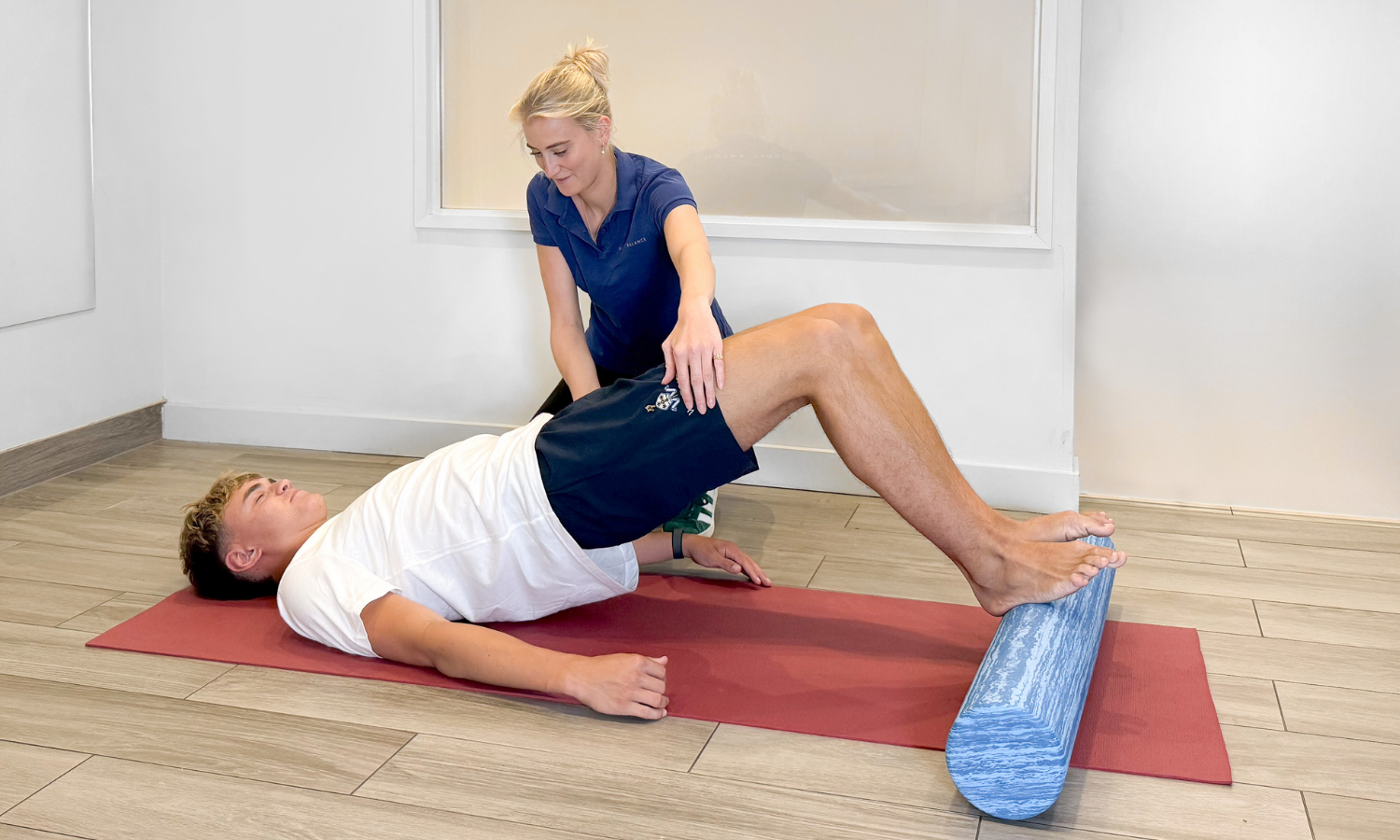
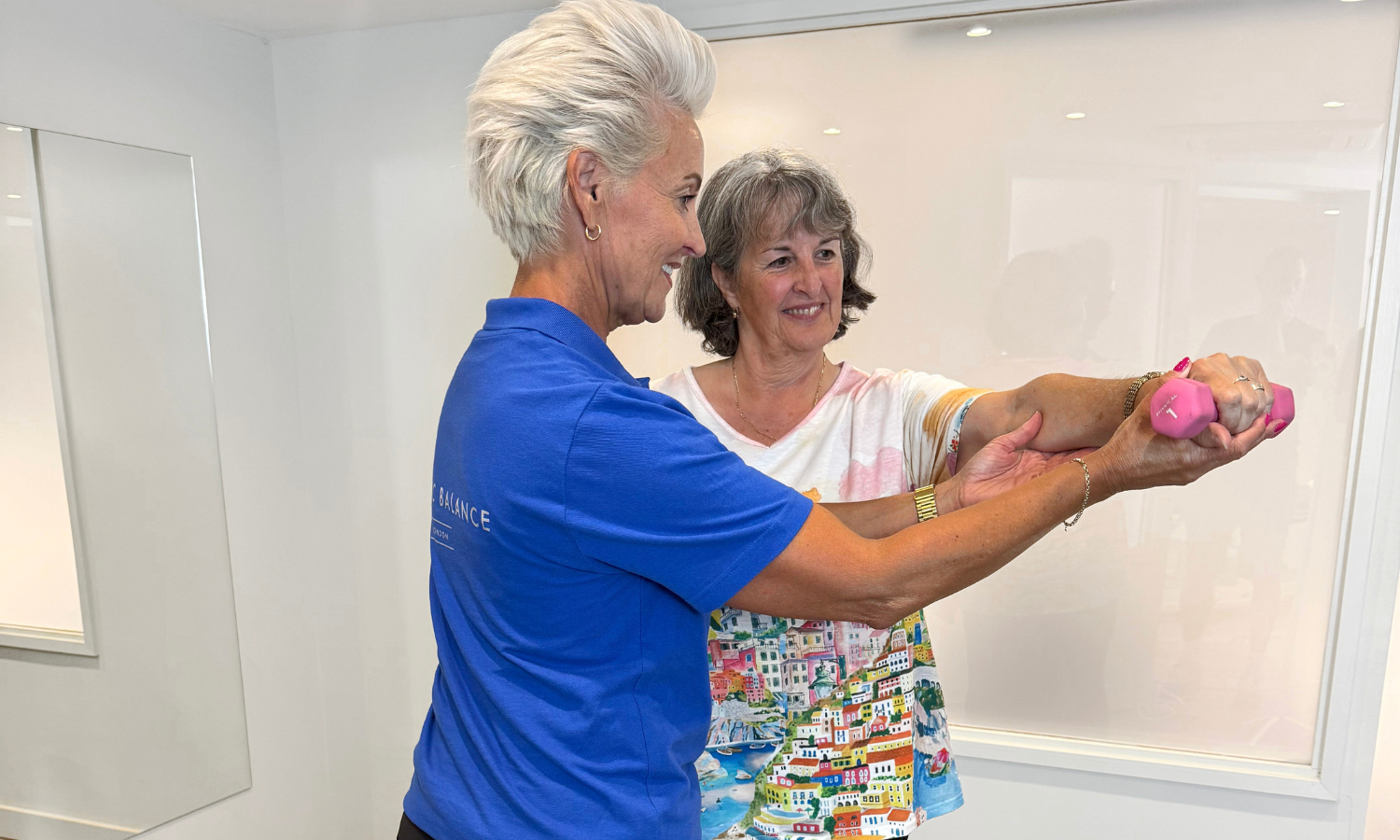
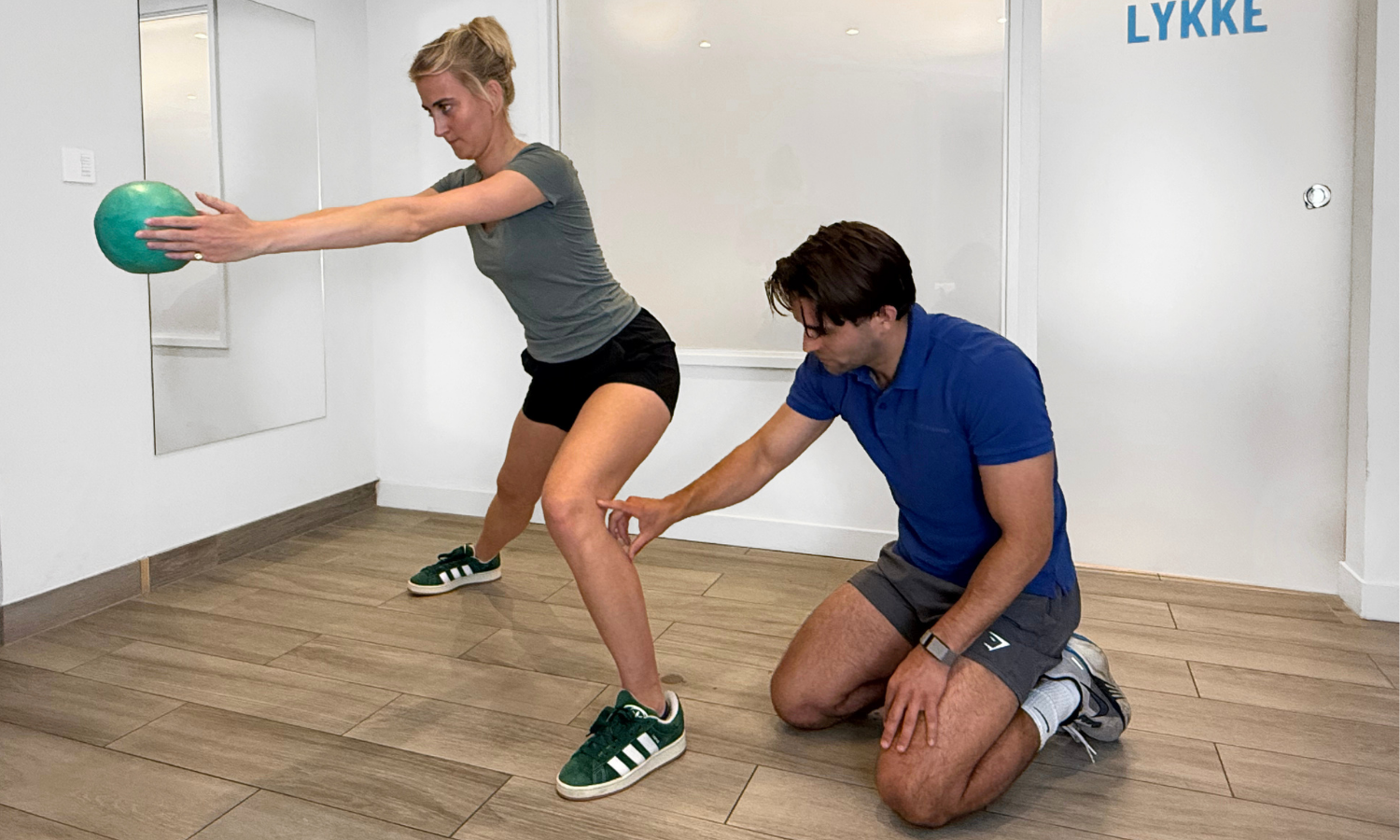
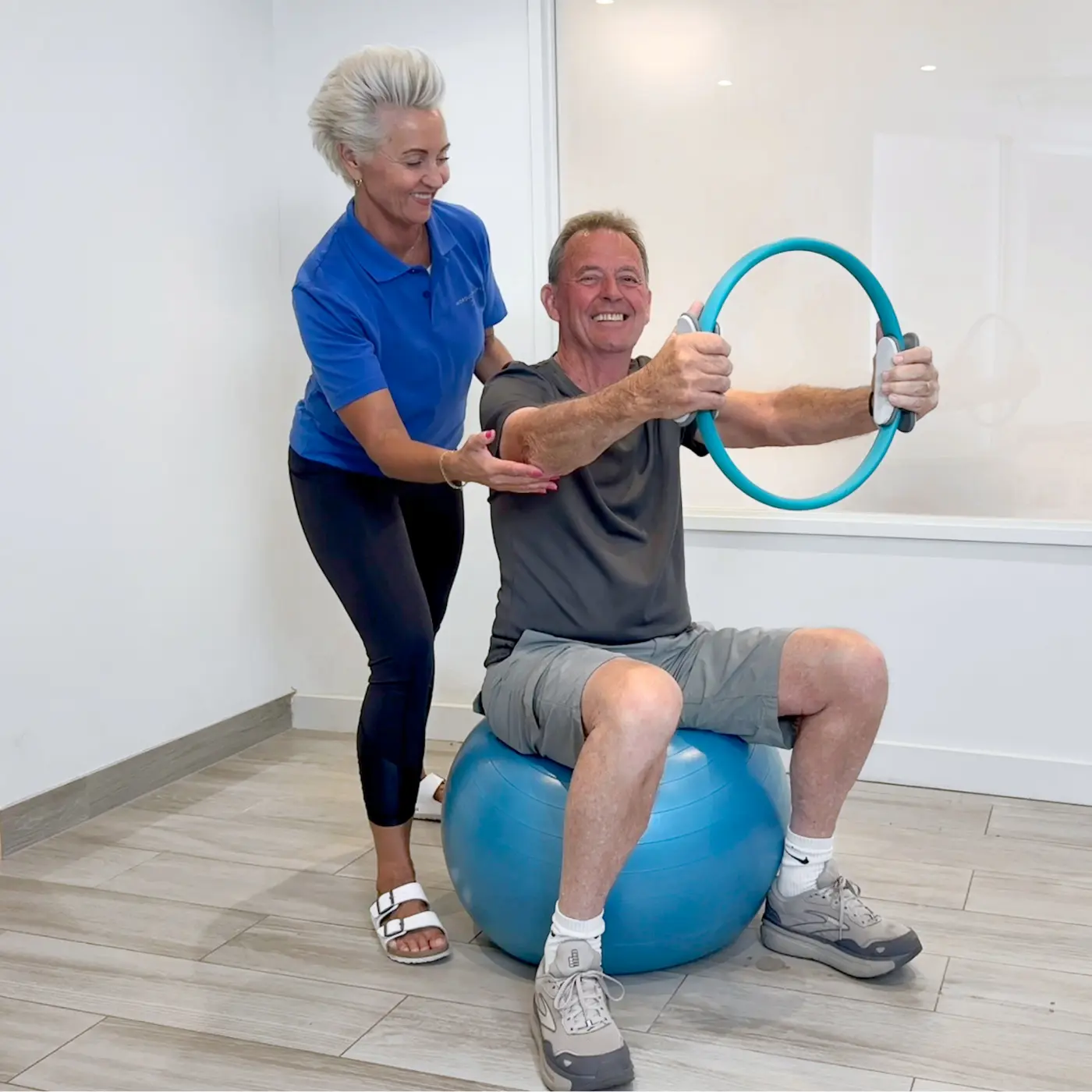
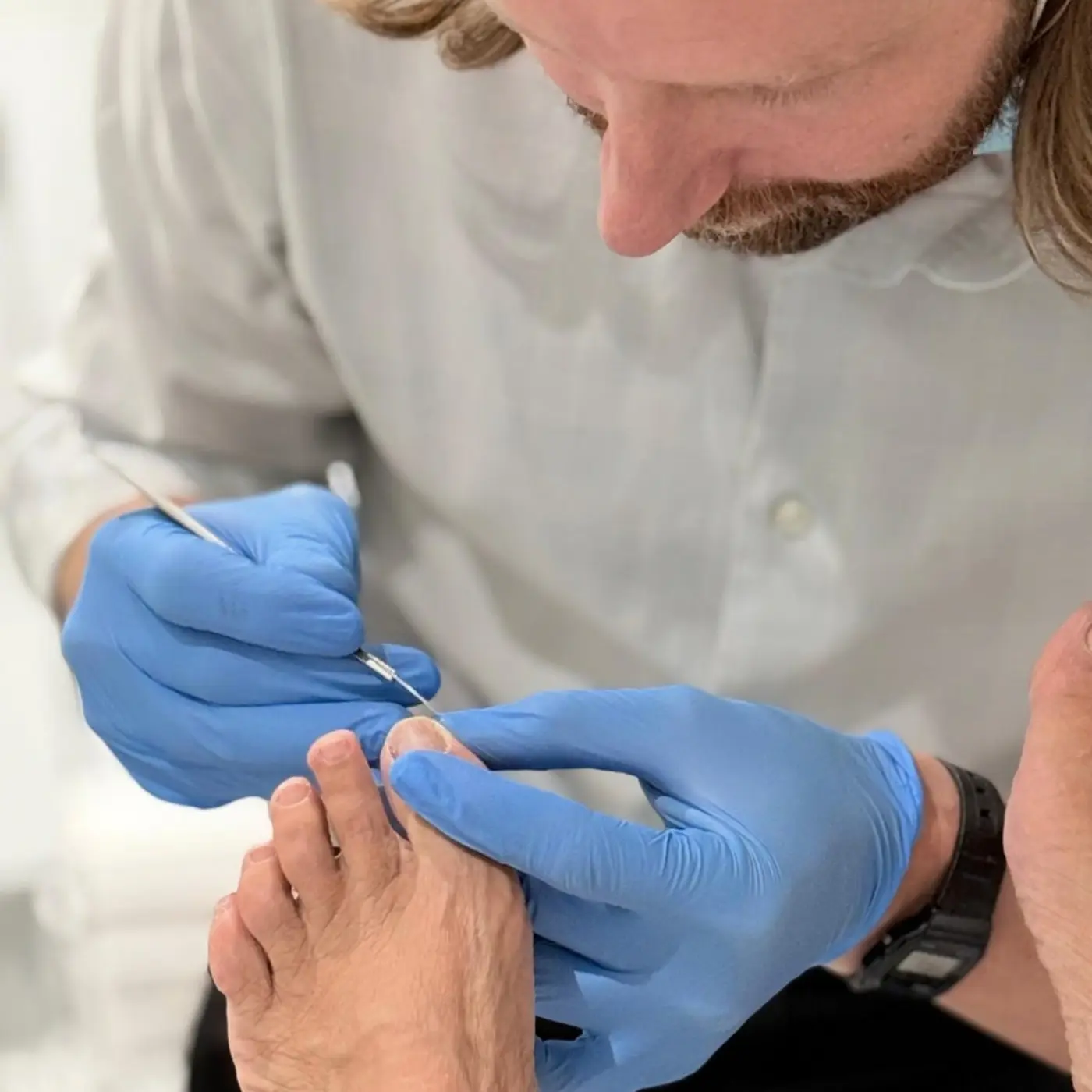
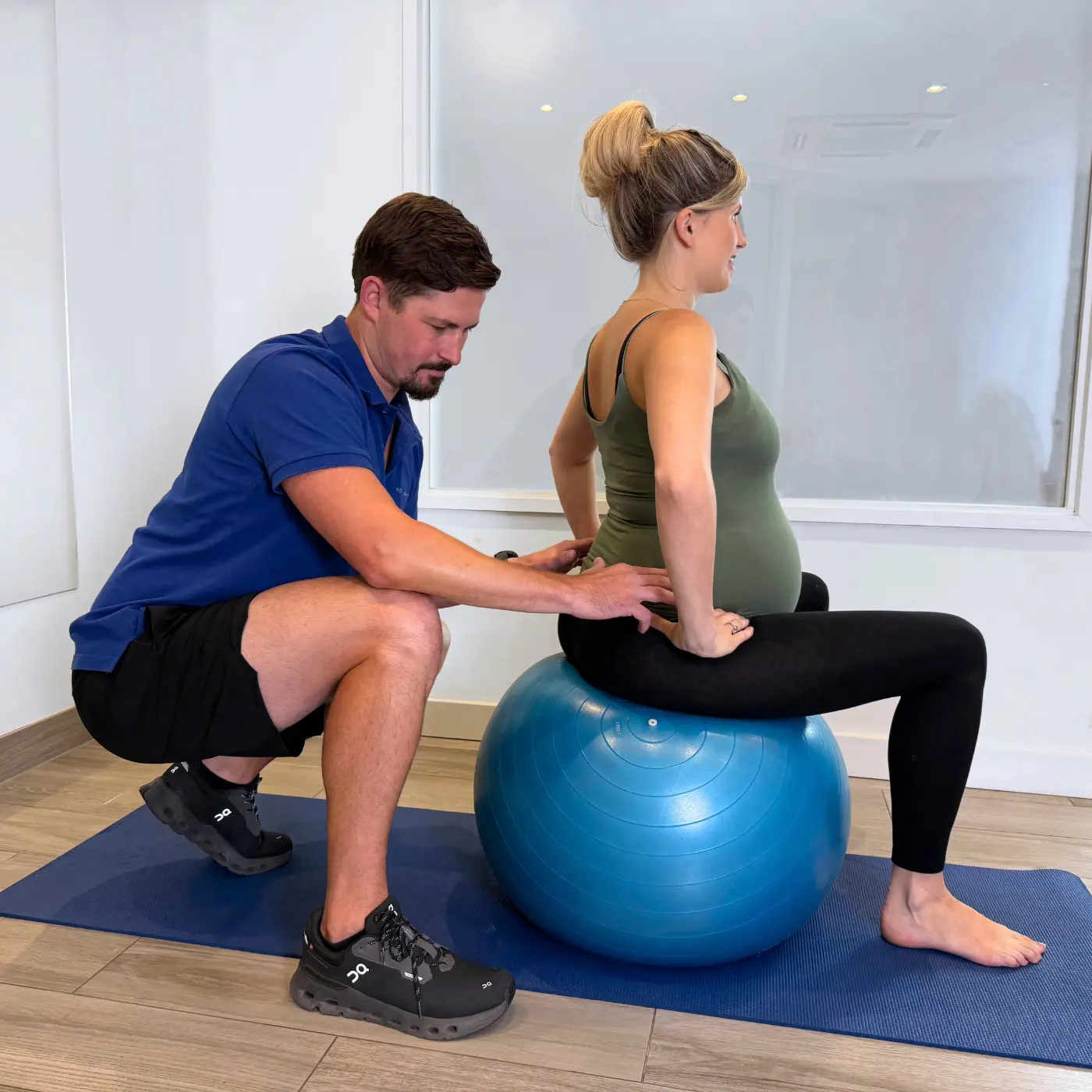
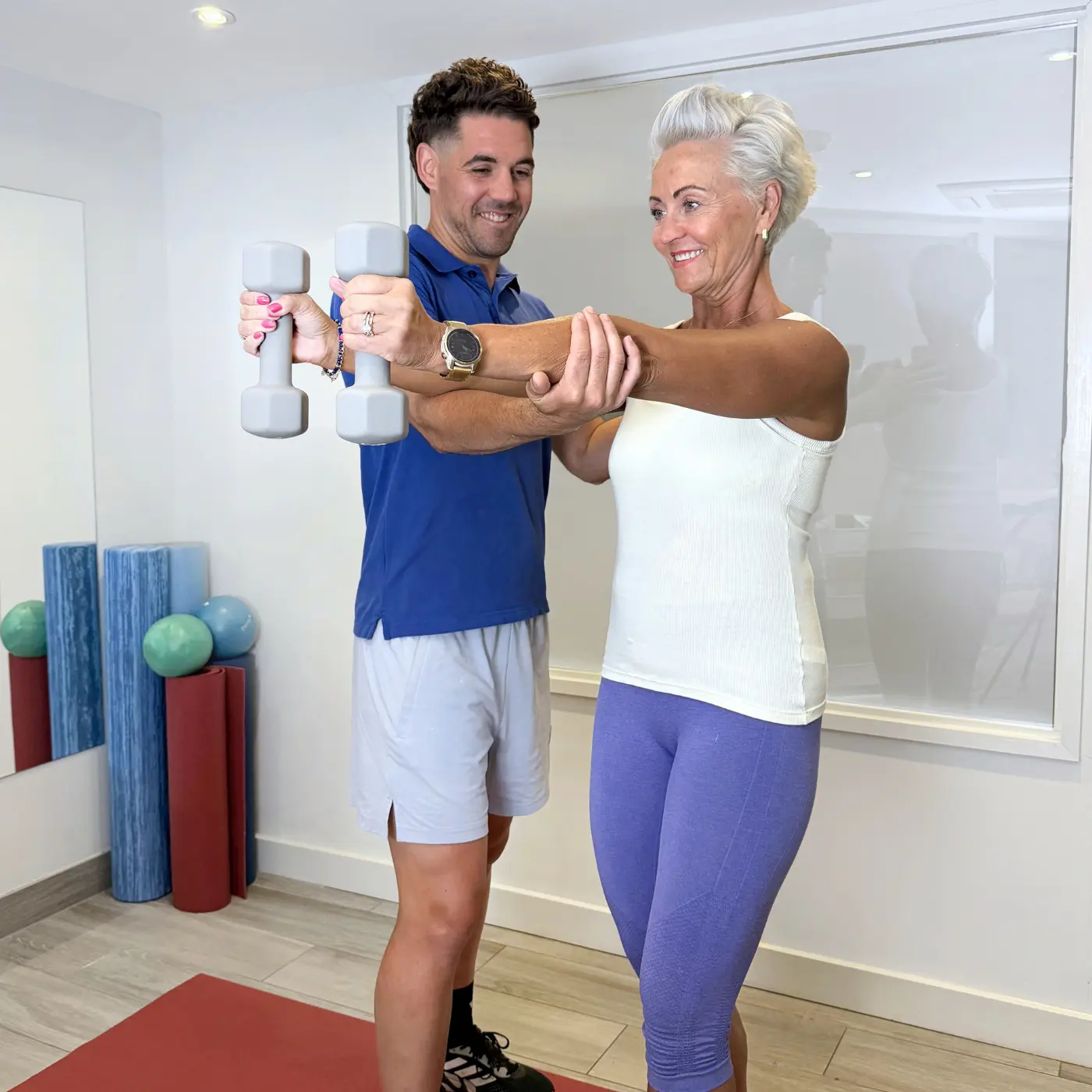
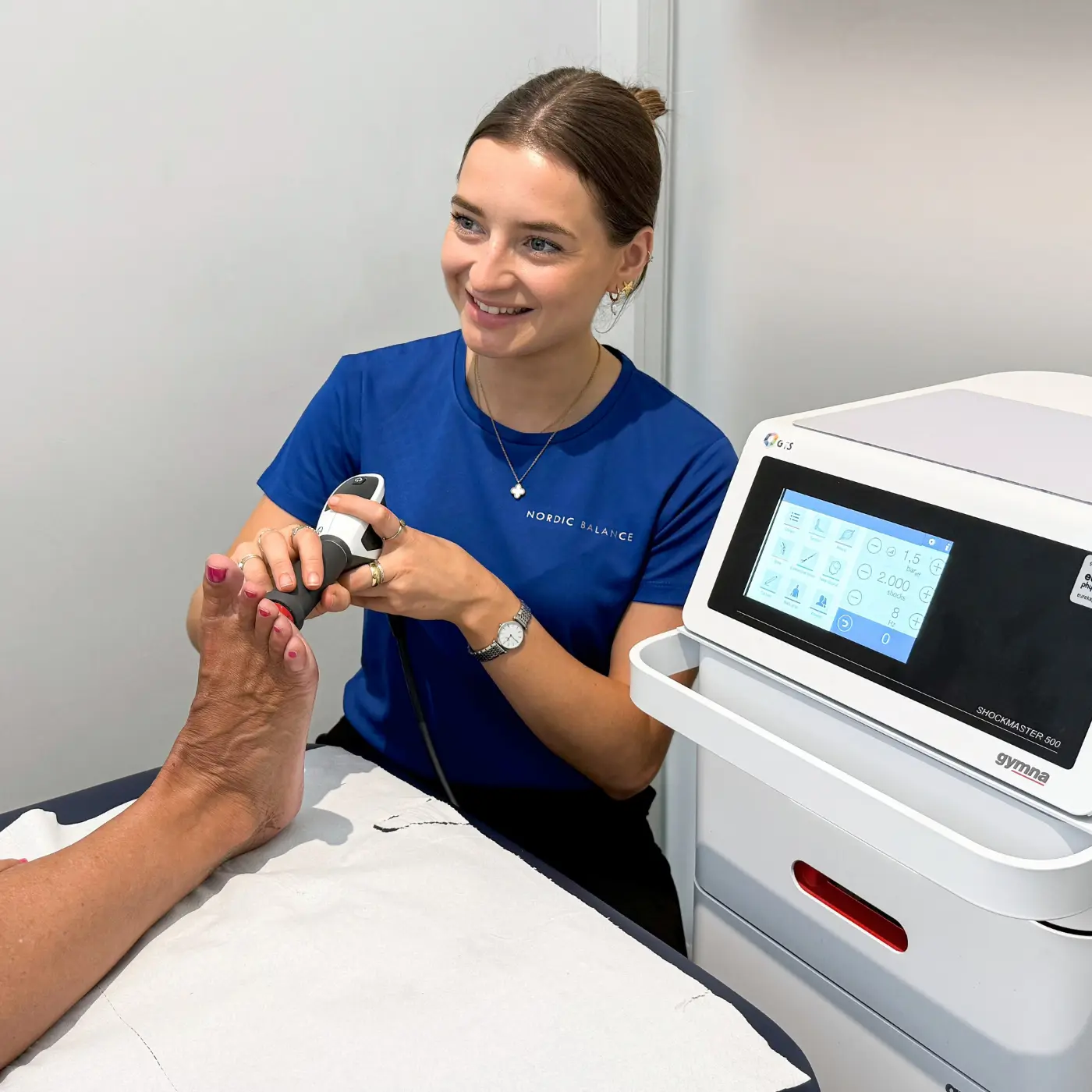
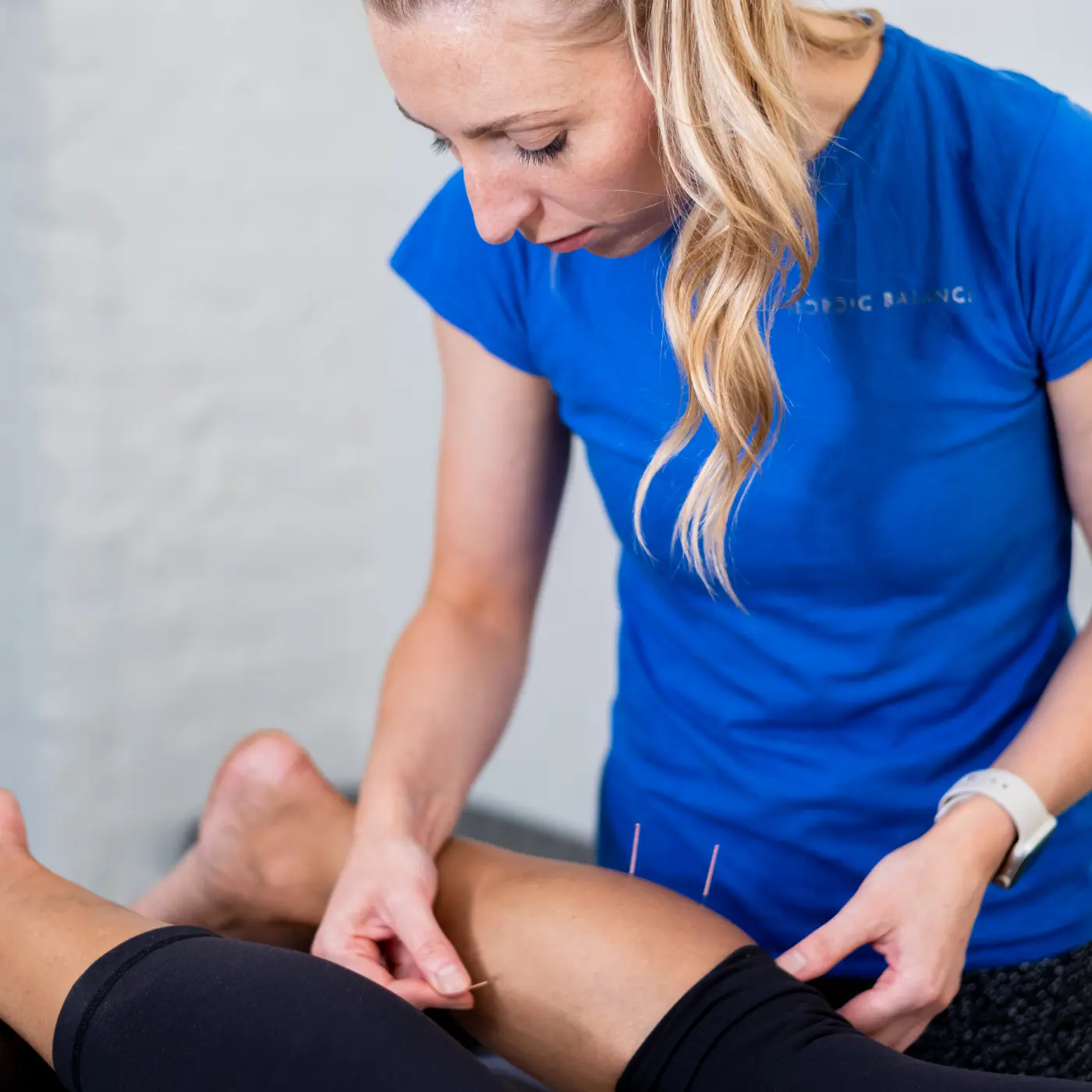
Physiotherapy and sports rehabilitation can help when something begins to interfere with that progress. An assessment can help identify what contributes to pain, measure strength and movement where relevant, and establish what your body currently needs to tolerate the demands of running. Treatment might include hands-on care, exercise rehabilitation, strength work and practical advice around training load. The balance depends on the runner and the problem, rather than a one-size-fits-all programme. That can mean helping someone continue training while managing an injury, rebuilding capacity after time away from running or preparing their body for the increasing demands of marathon training.
After race day, the priorities change again. Recovery comes first, followed by a gradual return to normal training, another event or simply a well-earned period of doing something other than marathon preparation.
If pain or injury is affecting your training, our physiotherapists and sports therapists can help you understand what is limiting you and build a plan around the running you want to do.
Book in with our running experts today.