
Tweaked something? Pulled a muscle? Woke up with a stiff back and wondering whether you need ice or heat?
Here’s the simple version:
Fresh injury with swelling or bruising? Use ice.
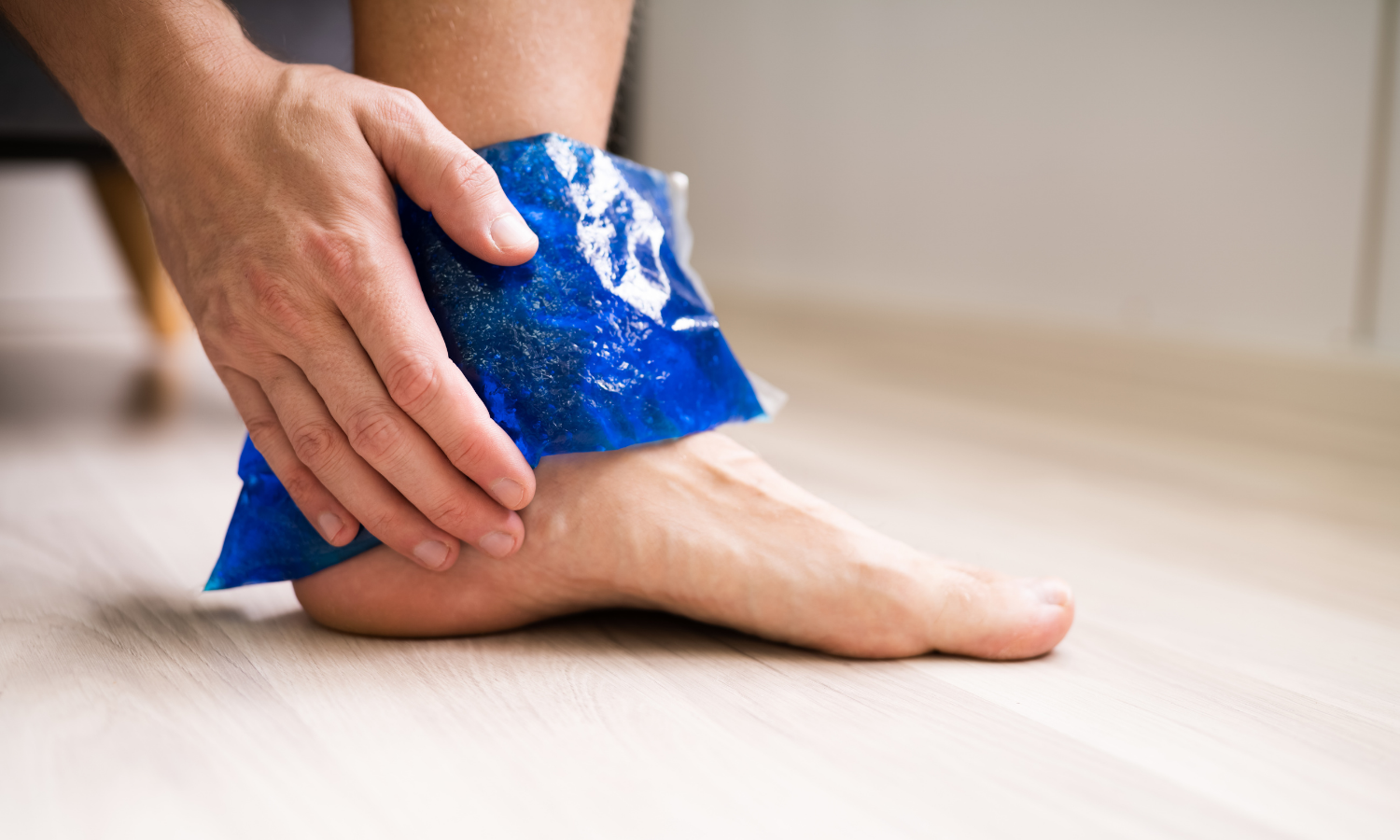
Ice can help ease pain and manage swelling after a new sprain or strain. NHS guidance recommends using it for up to 20 minutes every 2 to 3 hours during the first 2 to 3 days.
Stiff, tight or spasming muscles? Try heat.
Gentle heat can help reduce pain and muscle spasm and make movement feel easier.
Fresh and swollen? Avoid heat for now.
The NHS advises avoiding hot baths and heat packs during the first couple of days after a new sprain or strain.
When to use ice for an injury
If you just rolled an ankle, strained a muscle, or injured a joint and it is swollen, bruised, or painful, ice can help make the area more comfortable. Wrap an ice pack or bag of frozen peas in a towel and apply it for up to 20 minutes every two to three hours during the first two to three days. Never place ice directly onto your skin. Ice helps with pain and swelling. It is not the whole treatment. As soon as pain allows, start gently moving the injured area again rather than keeping it completely still.
When to use heat for an injury
Heat is generally more useful when the problem feels stiff, tight or spasming, rather than newly swollen. A warm pack or hot water bottle may help relax muscles and reduce pain, making movement or exercise feel easier. Keep it comfortably warm, not hot, and always protect your skin with a towel or cover. If the injury has only just happened and there is obvious swelling or bruising, avoid heat until that early stage has settled.
Ice or heat for back pain
Back pain is a little less clear-cut than a sprained ankle. If your back feels stiff or is in muscular spasm, heat may make it easier to move. NHS guidance also suggests either an ice pack for pain and swelling or a heat pack for stiffness and muscle spasm. You don’t need to spend too much time deciding whether your back is technically “inflamed”. Use whatever feels soothing, keep moving gently, and focus more on whether the pain is improving than on choosing the perfect pack.
Ice or heat for tendon pain
No simple ice-first, heat-later rule applies to tendon pain. If ice makes an irritated Achilles, elbow, or shoulder feel more comfortable, it can help with short-term relief. If warmth makes an area feel less stiff, that may help too. But neither changes the bigger question: Why does the tendon keep becoming painful when you load it? If the same pain returns every time you run, lift or play sport, the answer is unlikely to be another round of ice or heat alone.
How long should you use ice or heat?
For a fresh sprain or strain, NHS guidance recommends using ice for up to 20 minutes at a time, every two to three hours during the first couple of days. For heat, follow the product instructions. WWL NHS guidance recommends that a hot water bottle should be only warm to the touch and wrapped in several layers of towel. You do not need marathon sessions with either. If ten or fifteen minutes gives you the comfort you wanted, that is enough.
How to use ice and heat safely
A few simple rules matter more than the brand of pack you buy:
- Avoid putting ice directly against your skin
- Keep heat comfortably warm rather than very hot
- Use a towel or protective layer
- Check your skin regularly
- Stop if pain increases
- Do not use heat over broken or infected skin
- Be cautious with either if you have reduced sensation or circulation.
WWL NHS guidance specifically advises against heat if you cannot reliably distinguish hot from cold in the area being treated.
When to get an injury assessed
Get medical advice if the pain or swelling is getting worse, you cannot put weight through the area or use it normally, or it is not improving with self-care. Seek urgent help if the injured area has changed shape, you heard a crack at the time of injury, or you develop numbness, pins and needles, unusual skin colour or coldness around the injury.
New injury? For expert guidance, book a free 15-minute video call with one of our London physiotherapists.