
Neck Pain Treatment for Strains, Stiffness and Nerve Pain
Reclaim Your Quality of Life With Expert Neck Pain Diagnosis & Treatment
Neck pain can have different causes, so the first step is understanding what’s driving your symptoms. Our team assesses how your neck moves and what may be contributing. From there, we tailor treatment to help you move more freely and get back to work, training, and everyday life. At Nordic Balance, we offer neck pain treatment across our St. James’s, Wimbledon Village, Clapham and Battersea clinics in London.
Common Neck Pain Problems We Treat
-
Cervical disc problems
Changes to a cervical disc can irritate surrounding nerves and cause numbness in limbs. -
Cervical spondylosis
Age-related changes in the neck can sometimes contribute to stiffness, pain or reduced mobility. -
Muscle strain and tension
Overuse, prolonged screen time or awkward sleeping can leave neck muscles sore and restricted. -
Whiplash or impact injury
A sudden jolt can strain neck tissues, causing pain, stiffness and reduced movement. -
Why Neck Pain Can Affect More Than Your Neck
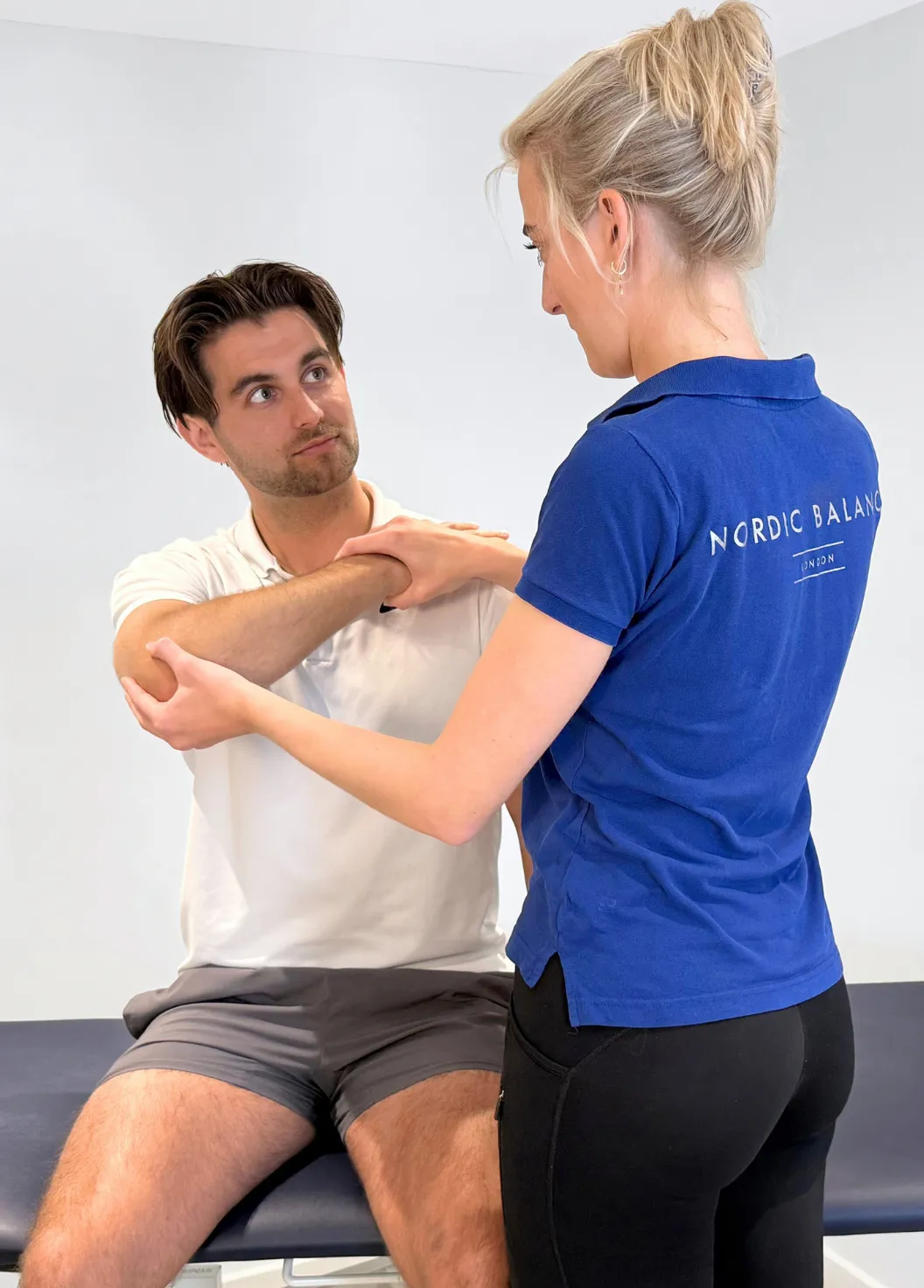
Your neck works alongside your shoulders, upper back and arms whenever you turn, reach, lift or hold a position. That means the painful area does not always tell the whole story. A detailed assessment looks at movement, strength, nerve symptoms and the demands of your work or training.
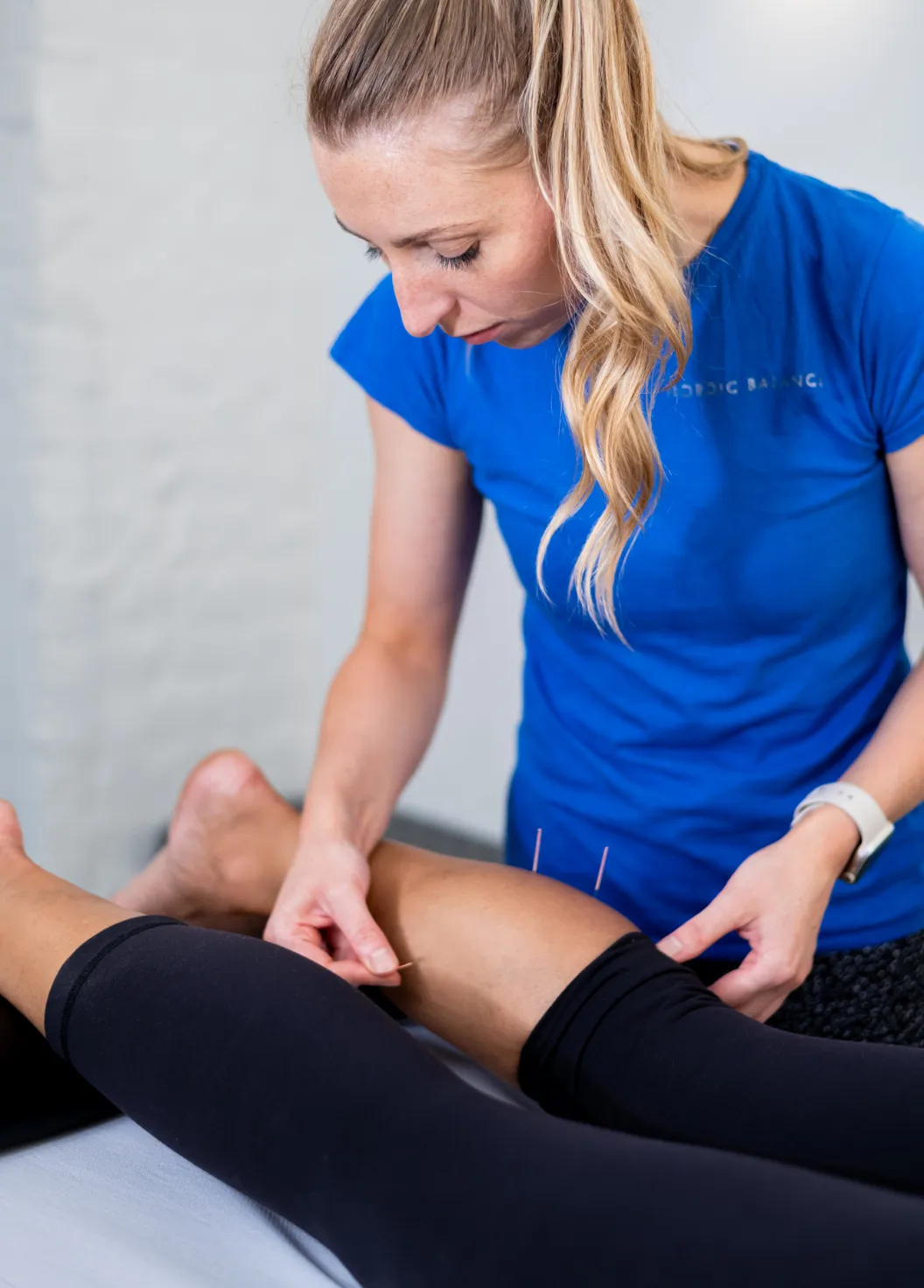
Treatment for Neck Pain & Strains
You don’t need to know which treatment you need before you contact us. The right knee injury treatment depends on how the problem started, your symptoms, how the knee is moving and what you want to get back to.
Accepted health insurance providers





Neck Pain Clinics in Central and South West London
Find neck pain assessment and treatment near you at Nordic Balance clinics in St. James’s, Clapham, Wimbledon Village and Battersea.






Still have questions about neck pain? Read our FAQ’s
Yes, particularly when muscular tension through the neck, shoulders or upper back is contributing to the problem. Sports massage can help ease tightness and improve freedom of movement. If your neck pain keeps returning, follows an injury or includes symptoms into the arm, we’d recommend a clinical assessment first.
Long hours at a laptop can leave the neck and shoulders feeling stiff, tired and tense. Treatment can help ease that build-up, but we’ll also look at movement, working habits and what your neck needs to cope with a full working day rather than simply telling you to “sit up straight”.
Recurring neck pain is worth looking at more closely. Instead of treating each flare-up in isolation, we assess what repeatedly puts demand on your neck and build treatment around improving movement, strength, and how well it copes with work, training, and everyday life.
If your main problem is muscular tightness or tension, sports massage may be a good starting point. Physiotherapy is usually more appropriate when pain keeps returning, movement is restricted, the problem followed an injury, or you have symptoms such as tingling, numbness or weakness. If you’re unsure, we can help you choose.
It can. The jaw, neck and surrounding muscles work closely together, and clenching or grinding may sometimes accompany tension through the face, head and neck. If both areas are bothering you, tell us at your assessment so we can look at the wider pattern rather than treating them as unrelated problems.
Yes. Neck and shoulder symptoms often overlap, so we do not automatically treat them as two separate problems. Your practitioner will assess how both areas are moving and identify what is most relevant to your symptoms.
Yes. If training is leaving your neck or shoulders repeatedly tight or uncomfortable, treatment can help manage muscular tension while also looking at the loads and movements involved. The aim is to keep you training where possible rather than simply telling you to stop.
That depends on what is causing the problem and how long it has been there. Some clients notice an early change in movement or discomfort, while recurring or longer-standing neck pain may need a more gradual approach. We’ll review how you are responding and only recommend further treatment when it is useful.
Begin your journey to recovery, today
Book your first appointment today and take the first step towards feeling better.