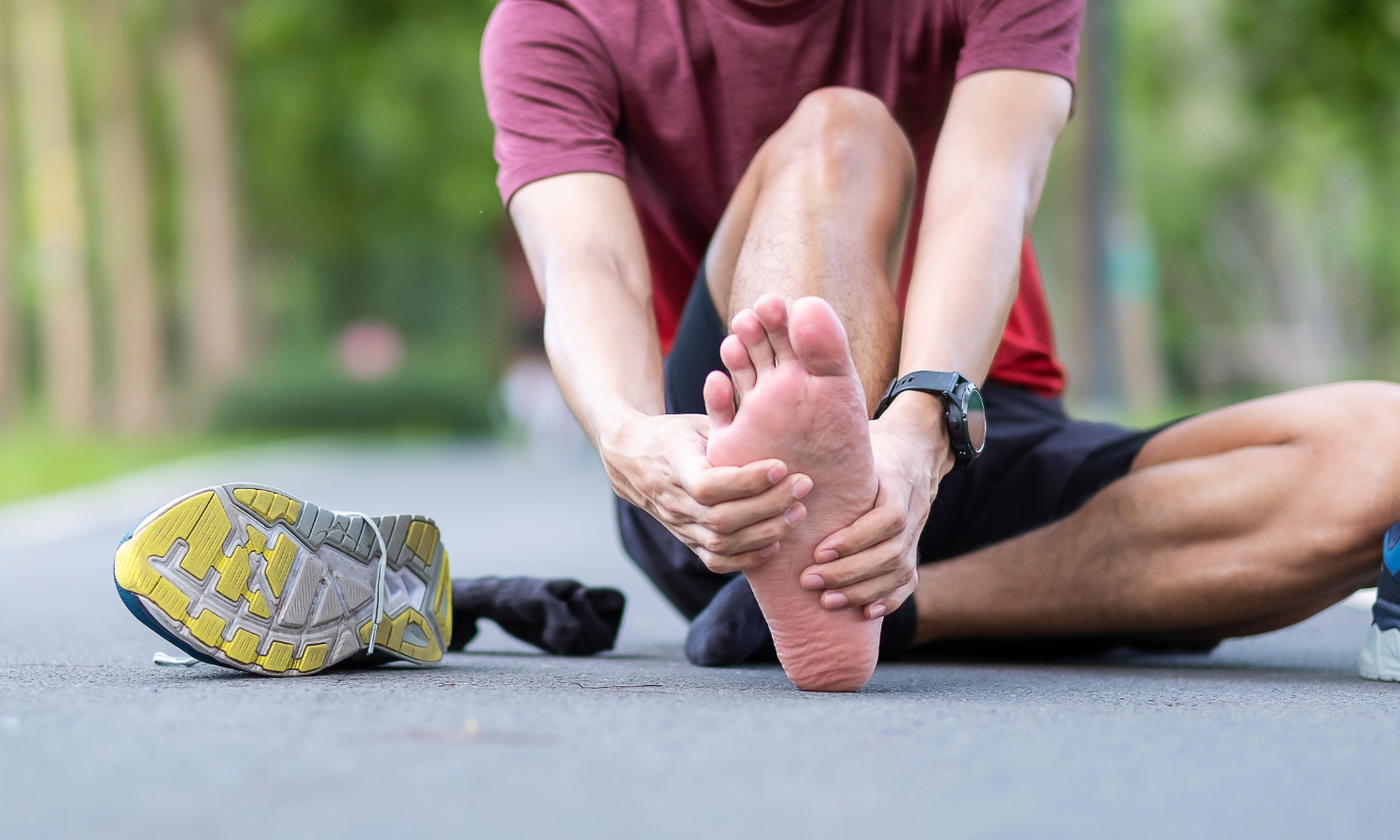

A sore foot or shin after a hard session is not unusual. Pain that keeps returning in the same spot, gets worse the longer you run or starts affecting ordinary walking deserves more attention.
A stress fracture develops when repeated load on a bone builds faster than the bone can recover and adapt. It often starts gradually, which is why runners and active people can spend weeks assuming they are dealing with a stubborn muscle ache.
Catching it early matters. Bone stress injuries exist on a spectrum, and continuing to load an increasingly painful area can allow a relatively early stress reaction to progress into a more significant fracture.
This guide will help you recognise the signs, understand what may have contributed and know what recovery needs to achieve before you get back to walking, running or sport.
Quick Links
- What is a stress fracture?
- Symptoms of a stress fracture
- Where stress fractures happen
- Causes of stress fractures
- How stress fractures are diagnosed
- Stress fracture treatment
- Returning to walking, running and sport
- How long does a stress fracture take to heal?
- Reducing your risk of another stress fracture
What is a stress fracture?
Bones are not static. They respond to the loads you put through them and, with enough recovery, adapt to handle them better. Problems can start when repeated loading outpaces that recovery. Early changes are often described as a bone stress reaction. If the bone continues to be overloaded, that can progress further along the bone stress injury spectrum and eventually develop into a stress fracture. Unlike a fracture caused by one major fall or collision, a stress fracture usually develops through repeated loading over time. Running is a common example, but the same principle can apply to jumping sports, high-volume gym training, military training or a sudden increase in everyday walking.
The important point is that activity itself is not necessarily the problem. Often, it is how much the load changed and whether your body had enough time and resources to adapt.
Symptoms of a stress fracture
Stress fracture symptoms often become more obvious as the injury progresses. Initially, you may only notice an ache towards the end of a run or training session. It settles with rest, so carrying on can seem reasonable. Then the pattern changes. The pain may appear earlier during activity, become more focused in one particular spot or linger after you stop. Eventually, a more significant bone stress injury can make ordinary walking uncomfortable.
Signs worth paying attention to
- Pain that increases with running, jumping or weight-bearing
- Tenderness focused over a particular area of bone
- Pain that initially settles with rest but keeps returning
- Swelling around the painful area
- Pain starting earlier in training than it previously did
- Discomfort during normal walking
- Limping as symptoms become more significant.
One useful distinction is how localised the pain feels. A tired muscle may ache across a broad area. Bone stress injuries often become increasingly tender in a specific spot, although symptoms alone cannot confirm the diagnosis. If pain is starting to affect normal walking, repeatedly testing it with another run is unlikely to tell you anything useful.
Deep hip or groin pain also deserves particular attention because some bone stress injuries around the femoral neck are considered higher risk and need prompt assessment. Other locations can carry greater risk too, so the site of the pain matters.
Where stress fractures happen
Stress fractures are particularly common in bones repeatedly exposed to load during walking, running and jumping.
Common locations include:
- The tibia or shin
- Metatarsals in the foot
- Fibula
- Bones around the ankle and midfoot
- Femur and femoral neck around the hip.
But a stress fracture is not simply a stress fracture. Where it is can change how carefully it needs to be managed.
Some tibial and metatarsal injuries tend to have a more straightforward recovery. In contrast, certain injuries of the femoral neck, navicular, anterior tibia and other sites can have a greater risk of delayed healing or progression.
That is one reason getting the diagnosis right matters. The location can influence whether you simply modify activity, temporarily reduce weight-bearing, need imaging follow-up or require specialist medical input.
Causes of stress fractures
There is rarely one neat cause. A stress fracture usually reflects a mismatch between what the bone is being asked to tolerate and its current ability to recover from that load. Several factors can contribute.
A sudden increase in training
This is the obvious one, but also one of the most important. Contributors include:
- Increased weekly running mileage
- Added another training day
- Introduced speed or hill sessions
- Returned quickly after time away
- Started more jumping or HIIT
- Significantly increased your daily steps.
The body can adapt to large training loads. It needs time to do it. A sudden change in training volume is commonly seen around bone stress injuries.
Not enough recovery
Training provides the stimulus. Recovery lets your body adapt. If demanding sessions keep arriving without enough recovery between them, the balance can begin to shift in the wrong direction. That does not mean you need to fear consecutive training days. It means the total mix of load, recovery, sleep and fatigue matters.
Not fuelling enough for your activity
Bone adaptation also requires energy. Consistently taking in less energy than your body needs for training and everyday function can affect bone health. In sport, this can form part of Relative Energy Deficiency in Sport, or RED-S, which can affect both women and men and is associated with impaired bone health. This becomes especially important when someone has experienced repeated bone stress injuries.
Bone health
Other factors can reduce how much load a bone can tolerate, including:
- Low bone density
- Osteoporosis
- Some nutritional deficiencies
- Hormonal or menstrual changes
- Certain health conditions or medications
- A previous bone stress injury.
If a stress fracture appears after relatively little activity, or keeps happening, blaming your running shoes or training plan may miss something important.
How stress fractures are diagnosed
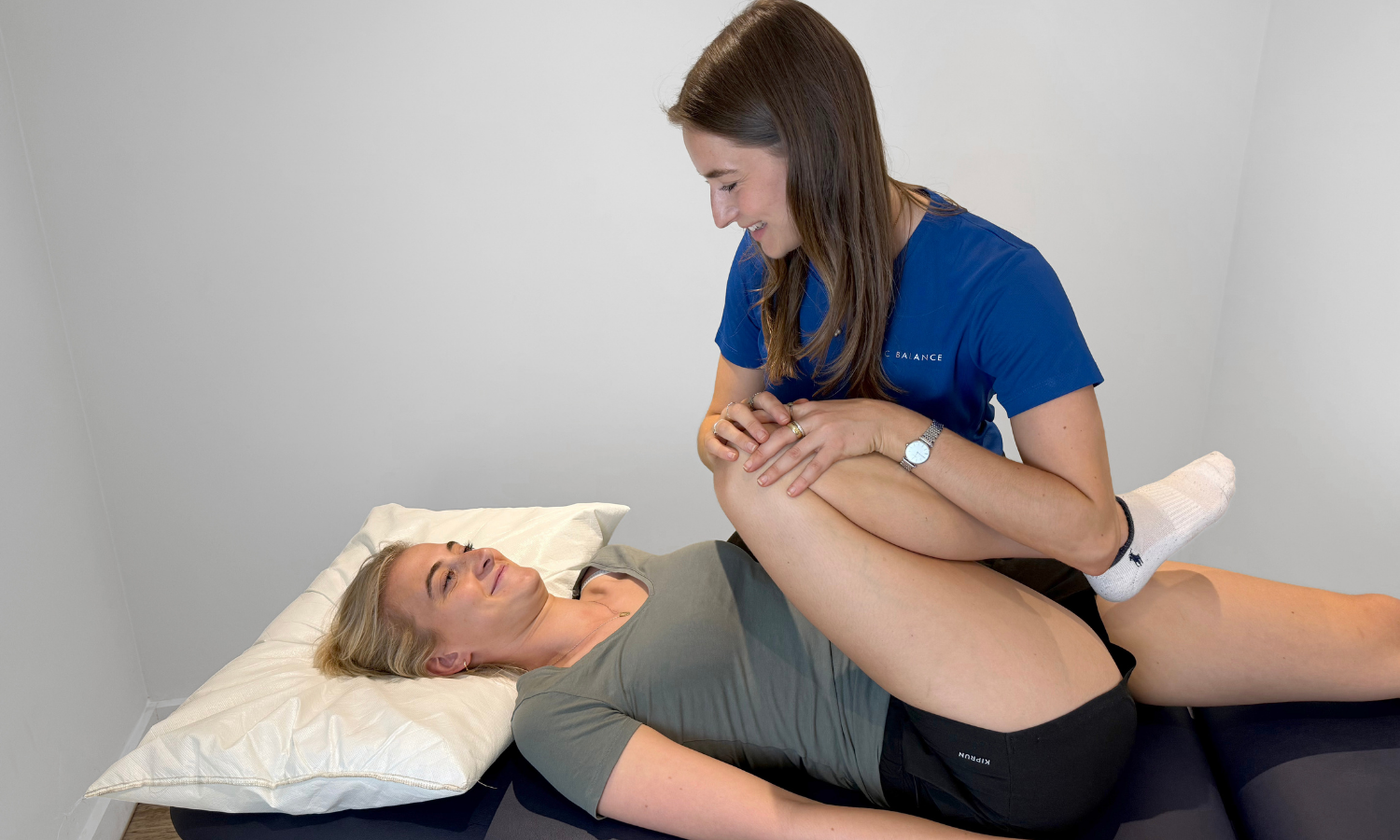
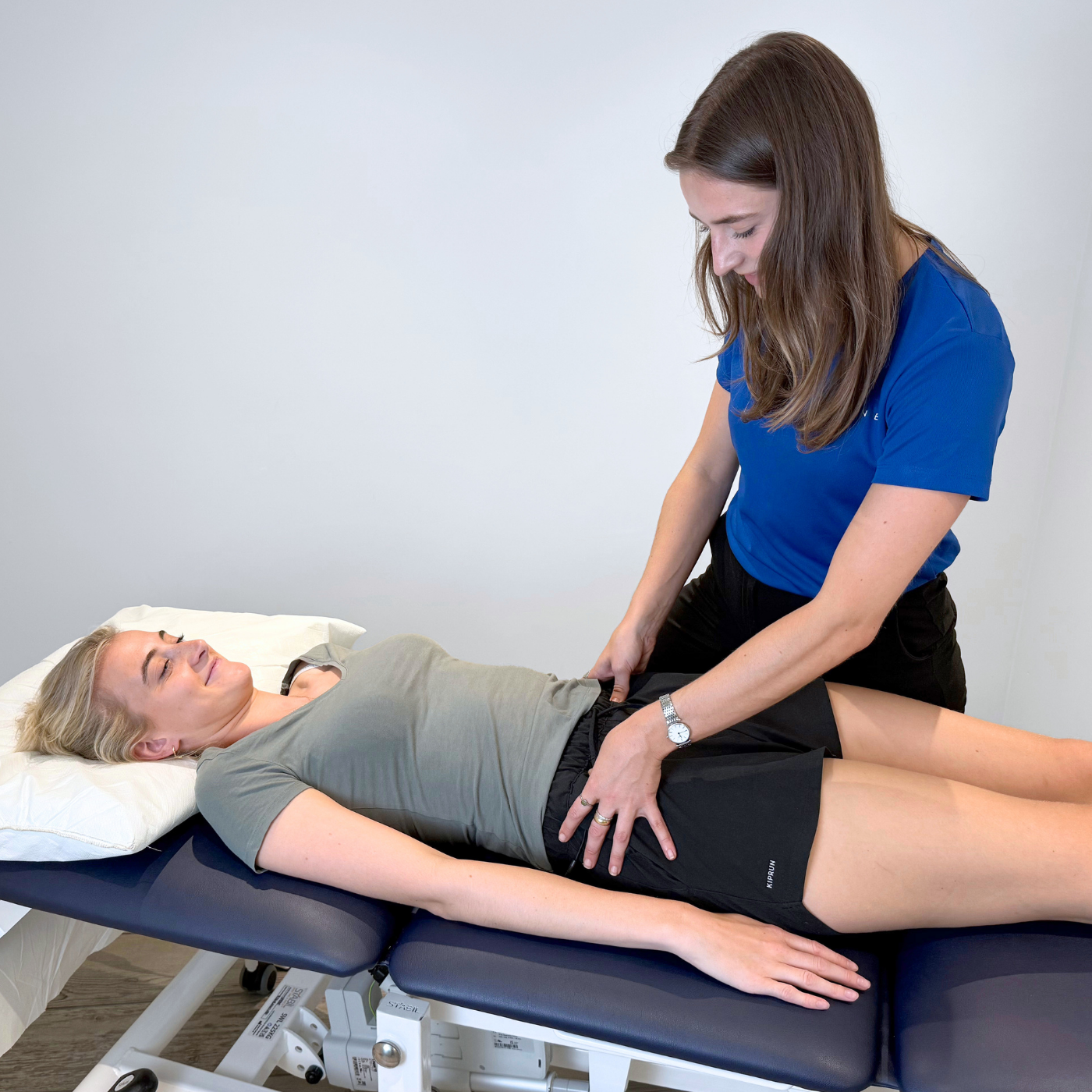
Diagnosis starts with understanding your symptom pattern. Your clinician will ask where the pain is, when it began, whether your training or activity levels have changed, and whether the pain is becoming more localised or affecting your walking.
They’ll also consider any previous bone stress injuries before examining the painful area and looking at how you move. If they suspect a bone stress injury, they may need imaging to confirm the diagnosis. X-rays are commonly used as the first imaging investigation for a suspected stress fracture, but an early bone stress injury may not yet be visible.
If symptoms and examination still strongly suggest a bone stress injury, MRI is particularly useful for detecting changes that an X-ray can miss. Imaging can also show the injury’s location and severity, which may influence treatment and return to activity. A normal early X-ray does not necessarily mean you should ignore persistent focal bone pain.
Stress fracture treatment
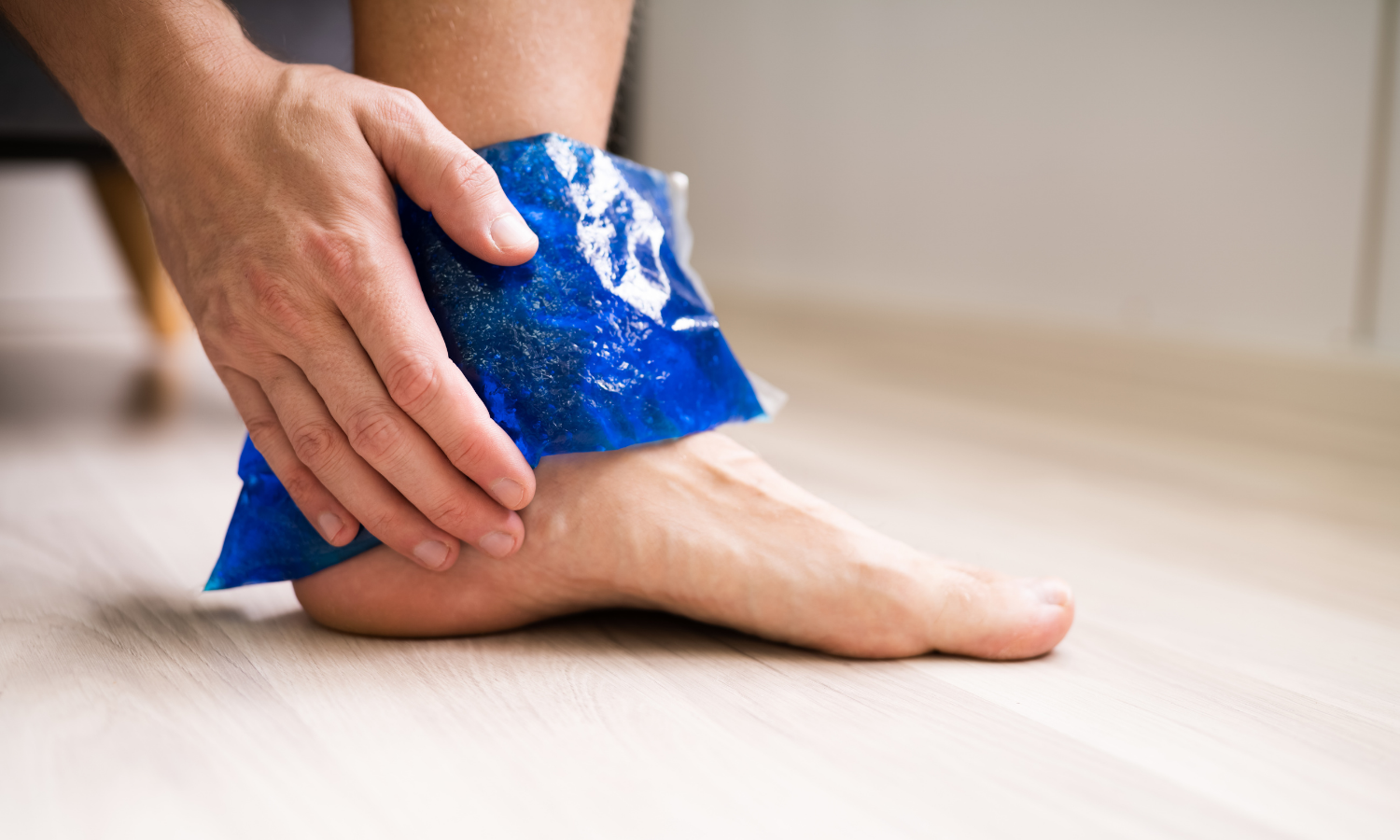
The first goal is straightforward: give the bone enough relief from the load that is aggravating it so healing can begin. What that looks like depends on the injury. For a lower-risk stress fracture, temporarily stopping running and reducing painful walking may be enough. A more irritable or higher-risk injury may require crutches, a walking boot or closer medical management.
The useful principle is not simply “rest until it stops hurting.” It is: Protect the bone now, while preserving what you safely can, then progressively rebuild its capacity.
You may not need to stop everything
A stress fracture can interrupt one activity without necessarily removing every form of exercise. Depending on the location and severity of the injury, your rehabilitation might still include:
- Upper-body strength work
- Strengthening unaffected areas
- Suitable non-weight-bearing exercise
- Swimming
- Cycling
- Other forms of cardiovascular training that do not aggravate the injury.
The exact options need to match the fracture. Something safe for one bone stress injury may be inappropriate for another.
Strength becomes more important as healing progresses
Once the bone is ready for greater load, rehabilitation changes. Strength work may progressively target the calf, foot, ankle, quadriceps, hamstrings and hips depending on the injury and what you want to return to.
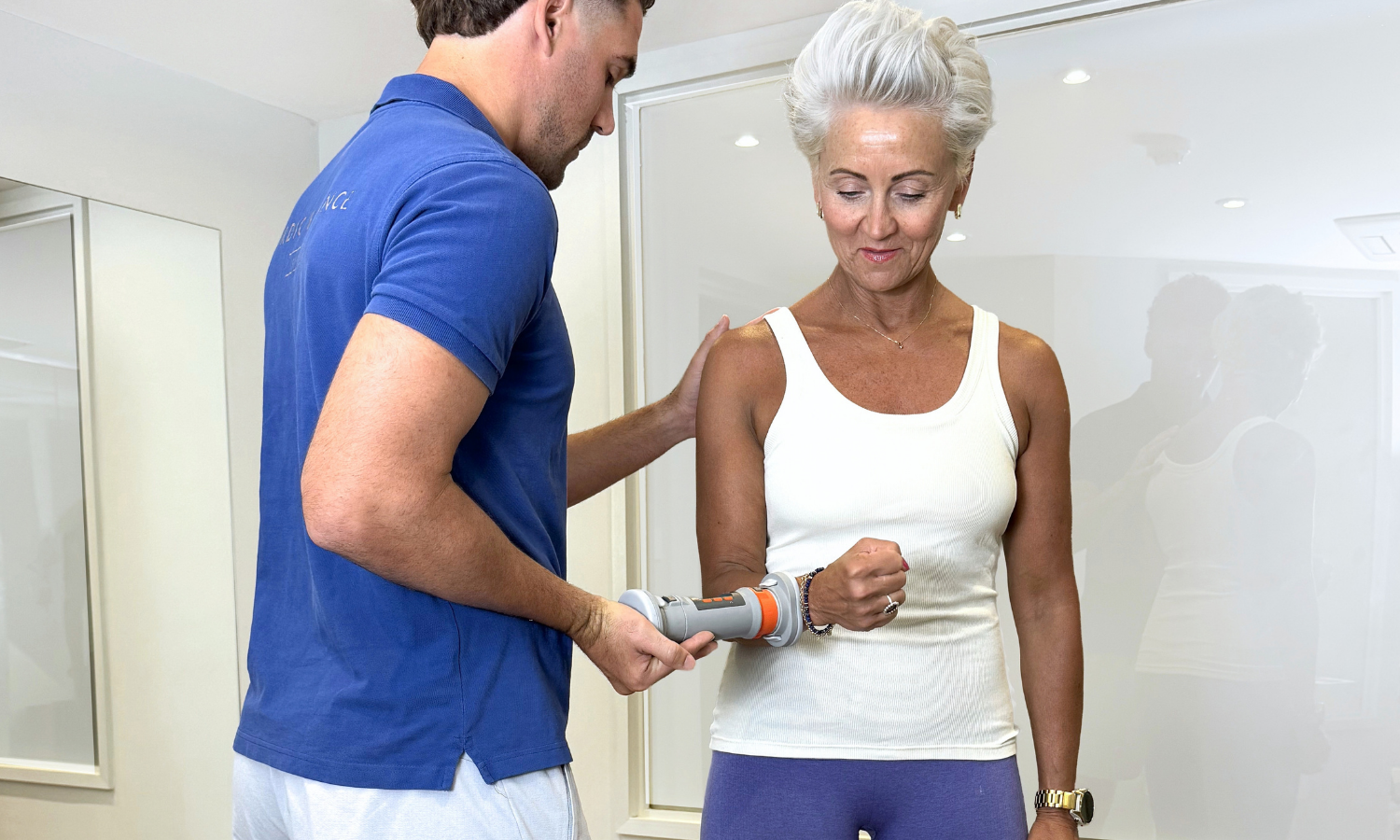
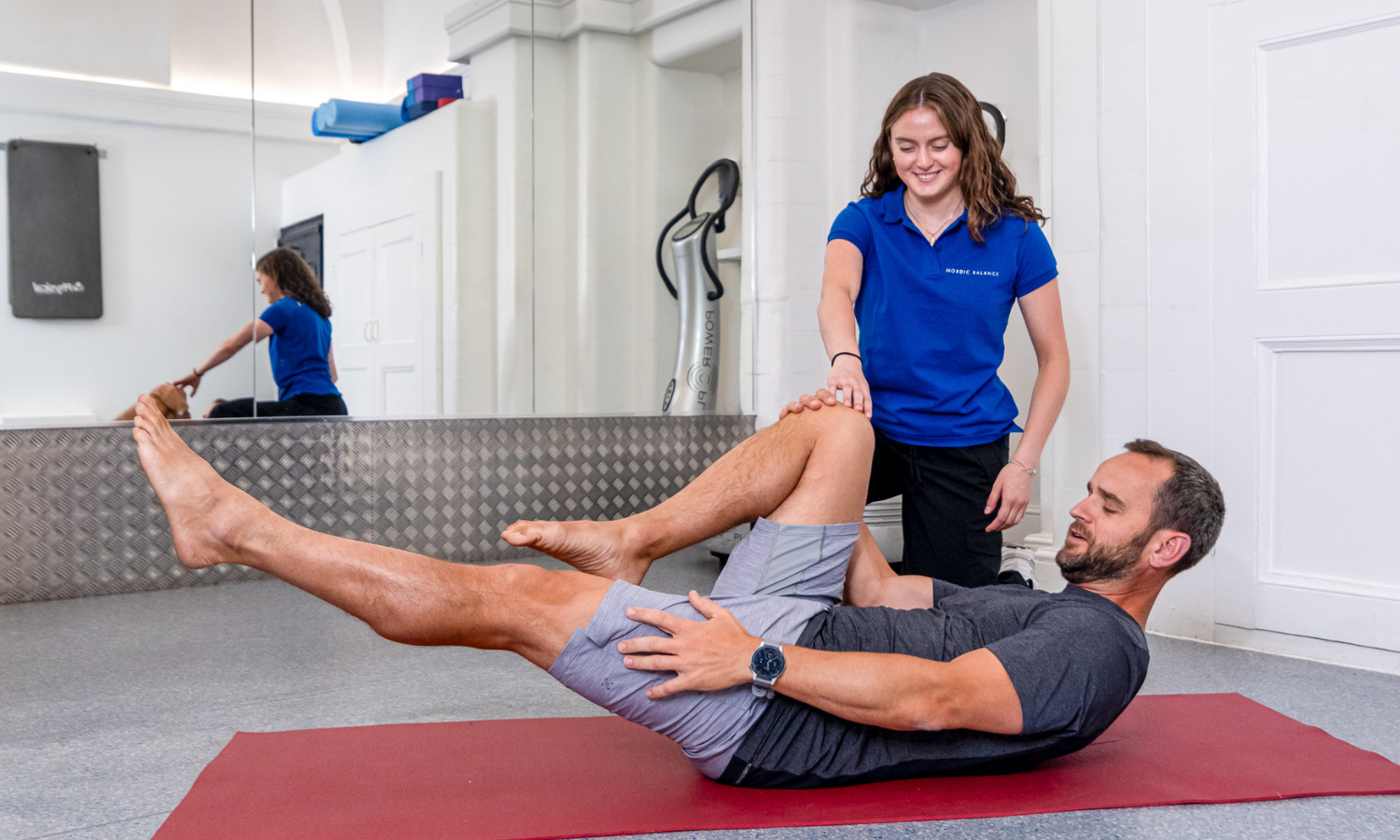
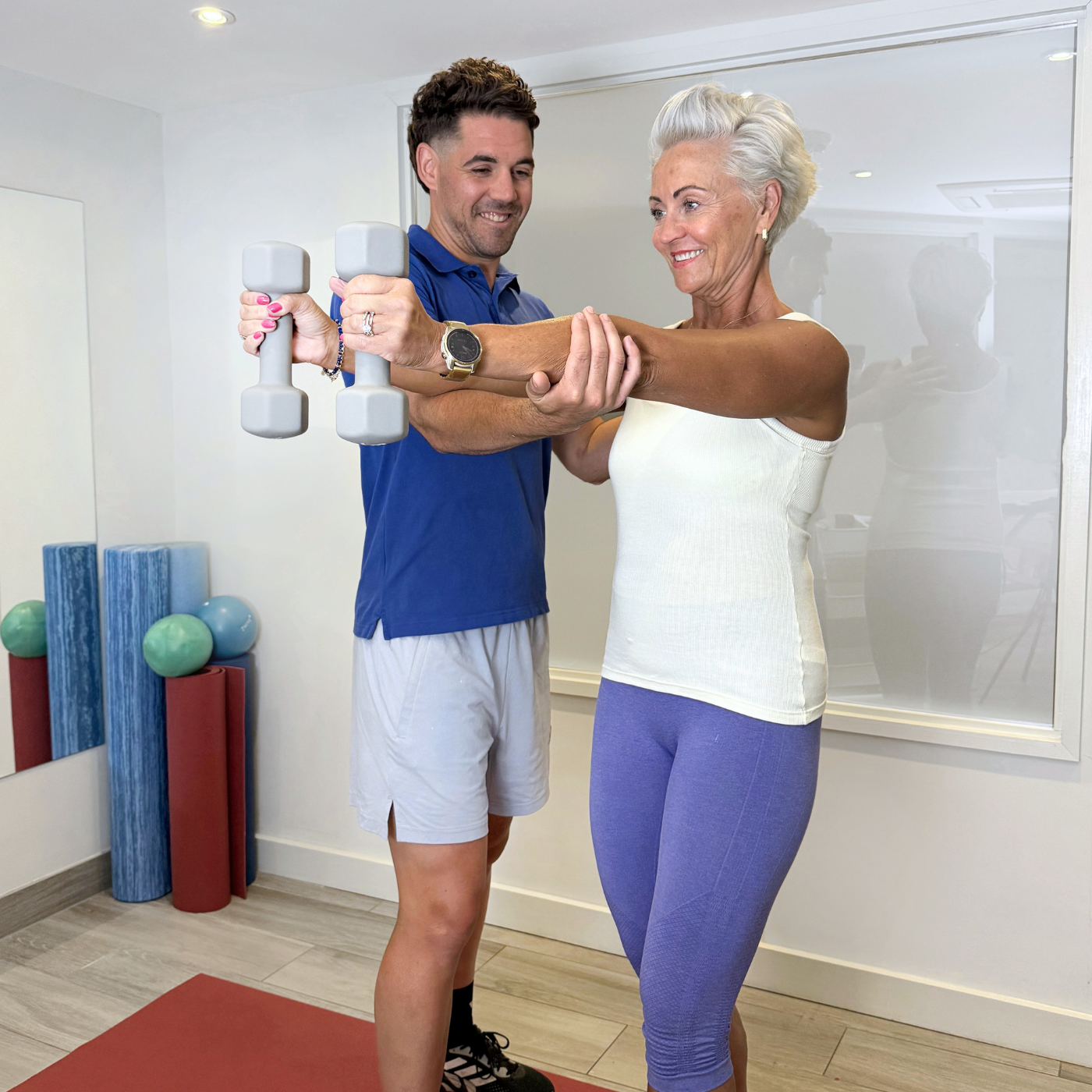
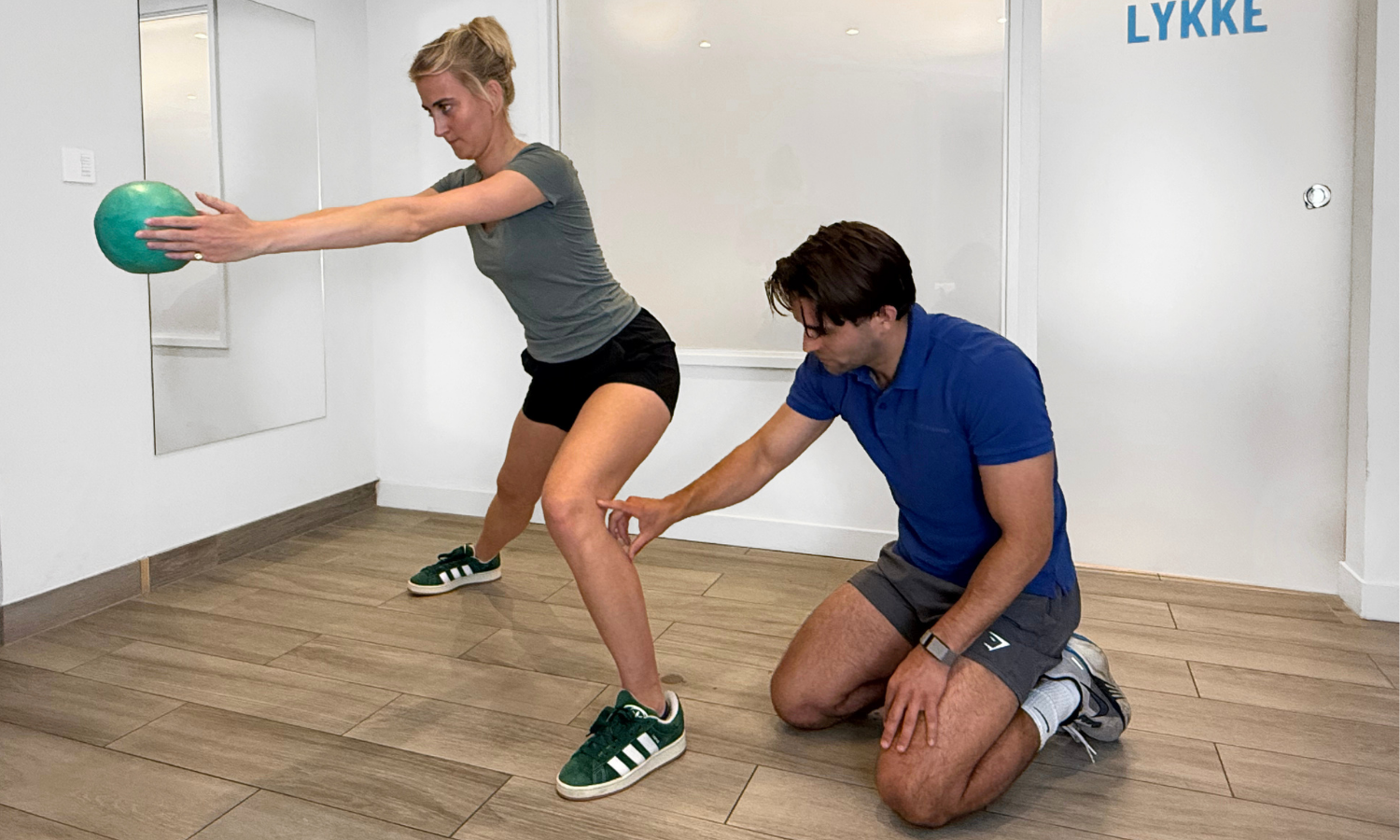
The goal isn’t simply to strengthen the spot that hurt. It is to rebuild the physical capacity needed to absorb and produce force when you return to walking, running, jumping or sport. Objective strength testing, including tools such as VALD where appropriate, can add useful information about progress rather than relying entirely on how the leg feels.
Returning to walking, running and sport with a stress fracture
One of the first questions after diagnosis is usually: “When can I run again?” Often, a date on the calendar is only part of the answer. A 2024 review of return-to-running decisions after tibial bone stress injuries identified several useful considerations before running resumes: bony tenderness should have settled, walking should be pain-free, strength and functional capacity should be appropriate, contributing factors should be addressed, and higher-risk injuries may need imaging evidence of healing.
Walking comes before running
Comfortable everyday walking is an important milestone. If normal walking still aggravates the injured area, repeated running loads are unlikely to be the sensible next step. Once walking is comfortable and the injury is progressing appropriately, you can gradually introduce greater loads.
Return to running
Return to running often starts with short walk-run intervals rather than immediately heading out for your normal 5K. From there, you can build running progressively based on how your body responds. We generally recommend building running distance before speed and intensity, while monitoring symptoms during and after loading. The exact progression will depend on the injury and the individual.
Return to competitive & contact sports
Running in a straight line is not the same as returning to football, tennis, netball, CrossFit or another demanding sport. If your activity includes jumping, fast changes of direction or repeated high-impact work, rehabilitation needs to prepare you for those demands too, progressively. The goal isn’t merely to prove the bone has healed it is to get your body ready for what you actually want to do again.
How long does a stress fracture take to heal?
How long a stress fracture takes to recover depends on:
- Which bone is injured
- Whether the site is considered lower or higher risk
- How far the bone stress injury has progressed
- How quickly it was identified
- Whether normal walking needs to be restricted
- Bone health and energy availability
- What activity you are trying to return to
Some lower-risk injuries may recover over a matter of weeks. Higher-grade or higher-risk injuries can take considerably longer. Another distinction is worth making: bone healing and a full return to sport are not necessarily the same date. You may reach the point where the bone can tolerate normal activity before you have rebuilt enough strength and impact tolerance for your previous running or sporting load. Recovery is therefore better judged by what the bone and body can safely tolerate than by counting down to an arbitrary week.
Reducing your risk of another stress fracture
A previous bone stress injury is useful information. Instead of simply waiting for it to heal and returning to the same routine, rehabilitation allows you to ask what might need changing.
That could involve:
- Progressing training more gradually
- Avoiding sudden jumps in running or impact volume
- Building lower-limb strength
- Giving demanding sessions enough recovery
- Eating enough to support your activity
- Looking at bone health where appropriate
- Reviewing repeated injuries with a healthcare professional
- Building running intensity only after you’ve tolerated easier volume.
The aim is not to remove load from your life. Bones need load to adapt and stay strong. The goal is to build that load at a rate your body can keep up with.
If the same localised pain keeps returning, your walking has become painful, or you are concerned about a possible stress fracture, an assessment can help work out what needs protecting now and what needs rebuilding next.
At Nordic Balance, our physiotherapists can assess your movement and strength, guide rehabilitation, and help coordinate further medical investigation when needed. Contact us for a tailored treatment plan.