
You probably don’t notice how much you use your jaw until eating, talking or even yawning starts to hurt. Clicking, stiffness, or headaches can make you very aware of a joint you probably never thought about before.
These symptoms can all be linked to the temporomandibular joint, or TMJ, which connects your lower jaw to your skull. Problems affecting this joint and the surrounding muscles are technically known as temporomandibular disorders, or TMD. As these problems are more commonly referred to as TMJ, we’ll use that term throughout this guide for simplicity.
There isn’t always one obvious reason your jaw starts causing problems. Teeth grinding, jaw clenching, stress, injury, joint conditions, and the way your jaw and teeth come together can all play a part.
The good news is that many TMJ problems can be managed without invasive treatment. Simple changes to reduce jaw strain, exercises, physiotherapy, and, in some cases, acupuncture can all help.
This guide explains what may be causing your symptoms, what you can do to ease them and when it is worth getting your jaw assessed.
Causes of TMJ problems
TMJ problems don’t always have a single cause. Several factors can strain the joint or the surrounding muscles, and more than one may contribute to your symptoms.
Common contributors include:
- Teeth grinding and jaw clenching
- Stress and muscle tension
- Jaw alignment and bite
- Trauma or injury
- Arthritis and joint conditions
A jaw that is sore because the muscles are constantly overworking may need a different approach from a joint affected by injury or arthritis. Understanding what is contributing to your symptoms helps guide what to do next.
Symptoms of TMJ
TMJ problems do not always feel like obvious jaw pain. Common symptoms include:
- Pain or tenderness around the jaw
- Clicking, popping or grinding when opening or closing your mouth
- Difficulty chewing or pain while eating
- Stiffness or reduced jaw movement
- Jaw becoming stuck or locked
- Pain around the face, temple or ear
- Headaches
Symptoms can range from mild discomfort that comes and goes to persistent pain that starts interfering with eating, speaking or normal jaw movement.
A clicking jaw on its own does not necessarily mean you need treatment. But if it comes with pain, locking or difficulty opening your mouth, it is worth paying more attention to.
TMJ and headaches
Jaw pain does not always stay in the jaw. The muscles involved in chewing extend around the temples and work closely with muscles through the face and head. When the jaw muscles become tight or overworked, pain can also be felt around the temples, forehead or behind the eyes.
TMJ-related headaches are often described as a dull, aching pain, particularly when they occur alongside jaw tenderness, clenching, clicking or discomfort when chewing. Unlike migraines, they are less commonly associated with symptoms such as nausea or sensitivity to light and smell.
More recent research has also found a strong association between TMD and migraines, so the two can sometimes occur together. If headaches are persistent, severe or unusual, it is worth having them properly assessed.
How to ease TMJ symptoms
If your symptoms are mild, start by reducing strain on your jaw. Pay attention to habits that keep it working when it does not need to. Chewing gum, biting your nails, clenching your teeth or regularly eating very hard or chewy foods can all irritate an already sensitive jaw.
When your jaw is resting, your teeth do not need to be tightly together. Becoming aware of unconscious clenching can be particularly useful during stressful periods or long stretches of concentration.
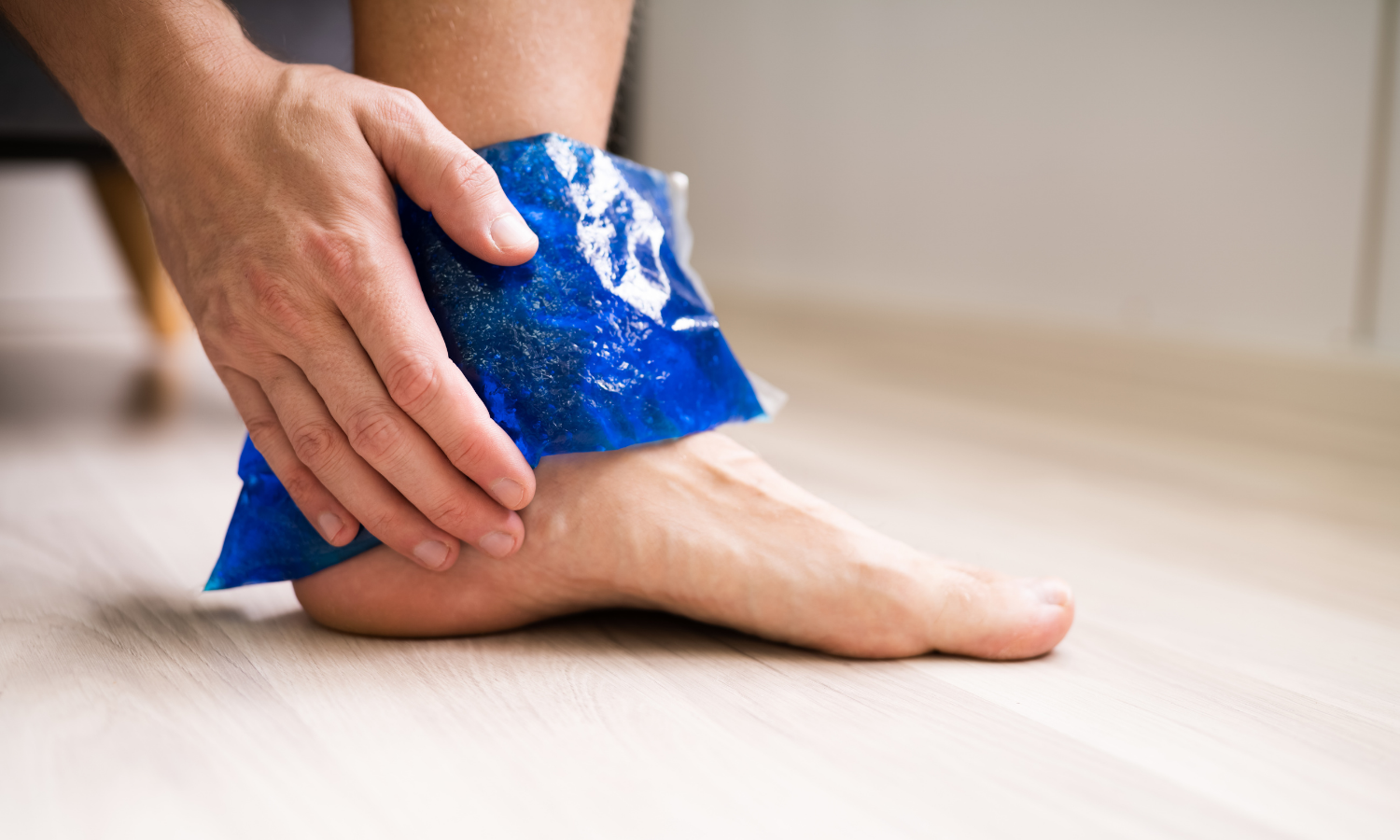
Stress management techniques such as breathing exercises, meditation or mindfulness may also help if you notice that tension and clenching tend to happen together. Warm or cold compresses can provide some relief from pain and tight muscles. Gentle exercises can then help with jaw movement, control and strength.
TMJ exercises for pain relief
TMJ exercises can help in different ways, from relaxing an overworked jaw to improving movement, control and strength. The six exercises below target these areas in slightly different ways. They should feel controlled, not painful. More pressure is not necessarily better.
Resisted mouth-closing
Place your thumbs under your chin and your index fingers between the ridge of your mouth and the bottom of your chin. Apply gentle downward pressure as you slowly close your mouth. Hold for three to six seconds, then release. Repeat five times.
Resisted mouth-opening
Place two fingers under your chin. Slowly open your mouth while applying gentle upward pressure with your fingers. Hold for three to six seconds, then slowly close your mouth. Repeat five times.
Tongue lifts
Keep your tongue touching the roof of your mouth. Slowly open and close your mouth while keeping your tongue in contact. Repeat ten times.
Controlled jaw opening
Gently close your mouth without clenching your teeth. Place the tip of your tongue behind your upper front teeth, then slide it backwards towards your soft palate until it cannot go any further. Keep your teeth together and slowly open your mouth until your tongue pulls away. Hold for five seconds, then close your mouth and relax. Repeat for five minutes twice a day.
Jaw slide side to side
Gently bite down on a thin object, such as a pencil or lolly stick. Slowly move your jaw from side to side. As the movement becomes easier, gradually increase the object’s thickness. Repeat ten times.
Jaw forward movement
Gently hold a thin object between your front teeth. Move your lower jaw forward so that your bottom teeth sit in front of your top teeth. Hold for five seconds, then return to the starting position. Repeat ten times.
These exercises should not be painful. If you experience discomfort, reduce the intensity. If your jaw locks, pain persists, or the exercises consistently worsen your symptoms, stop and seek guidance from a physiotherapist.
Physiotherapy for TMJ
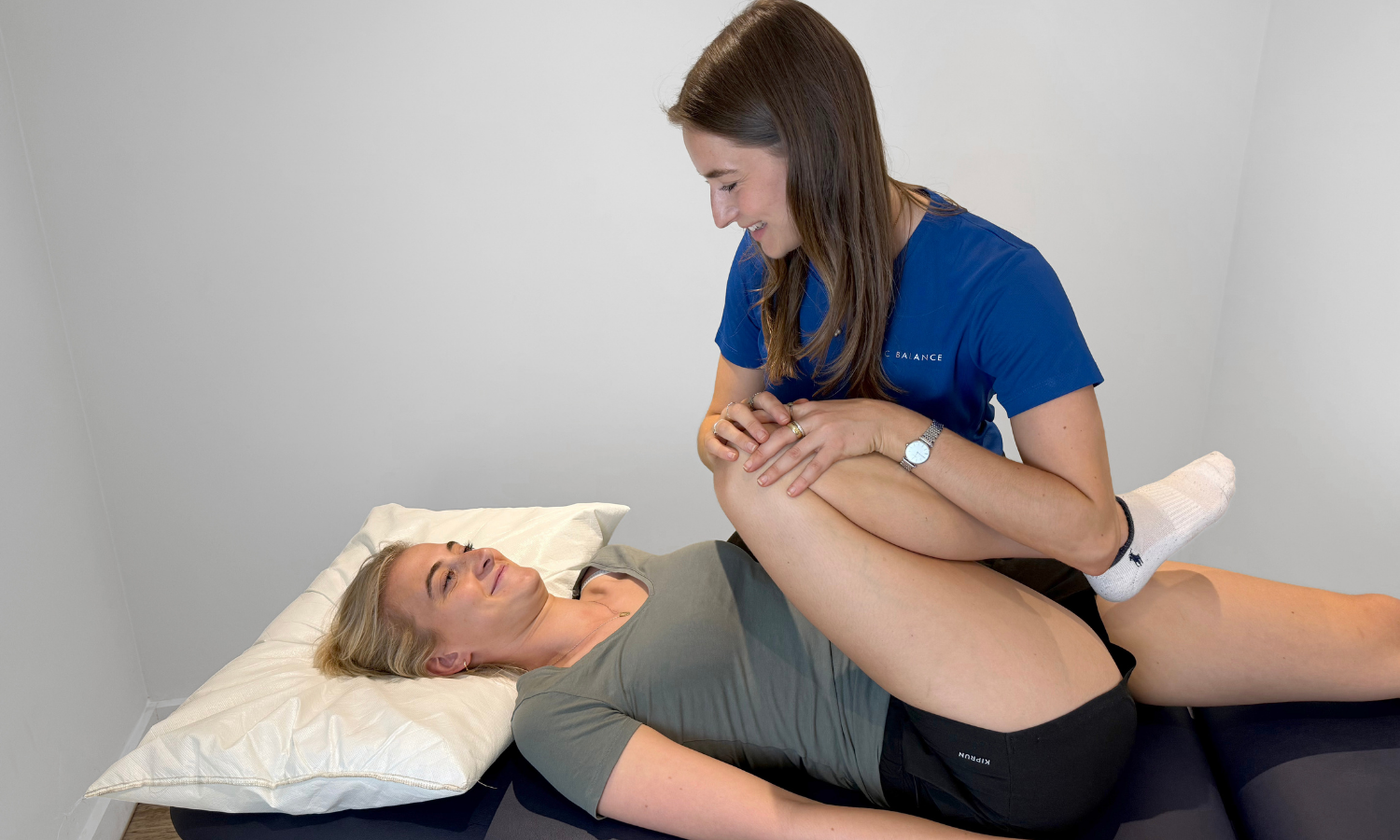
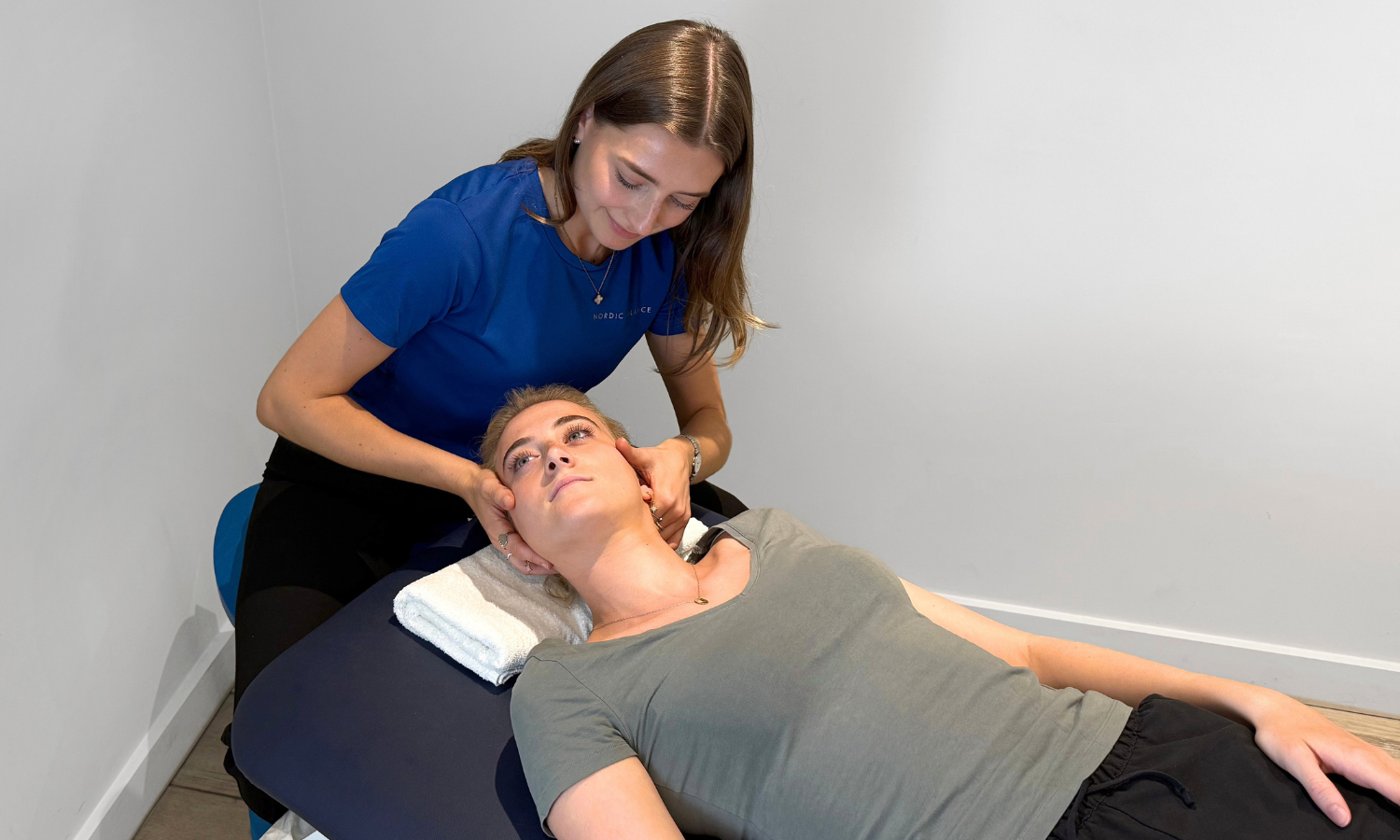
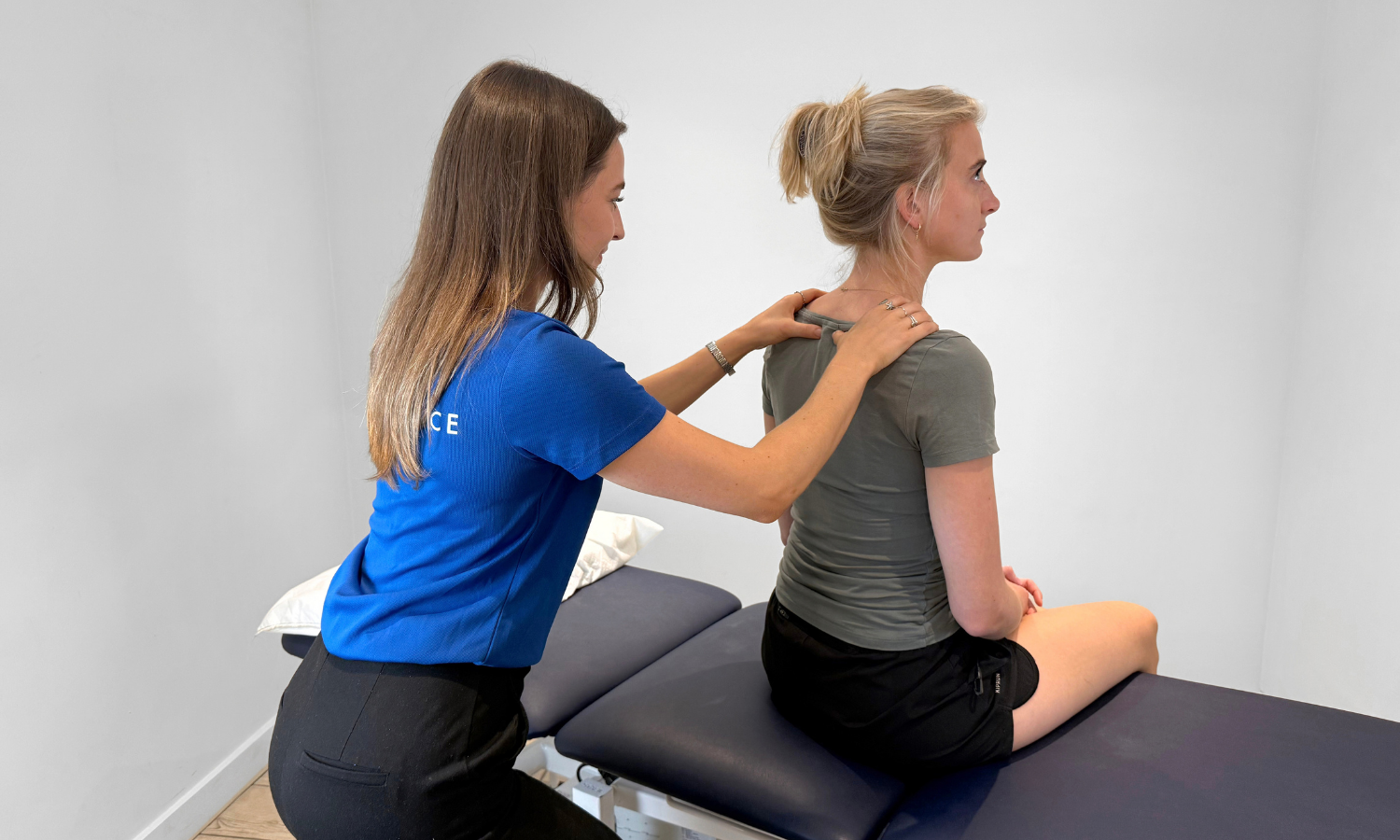
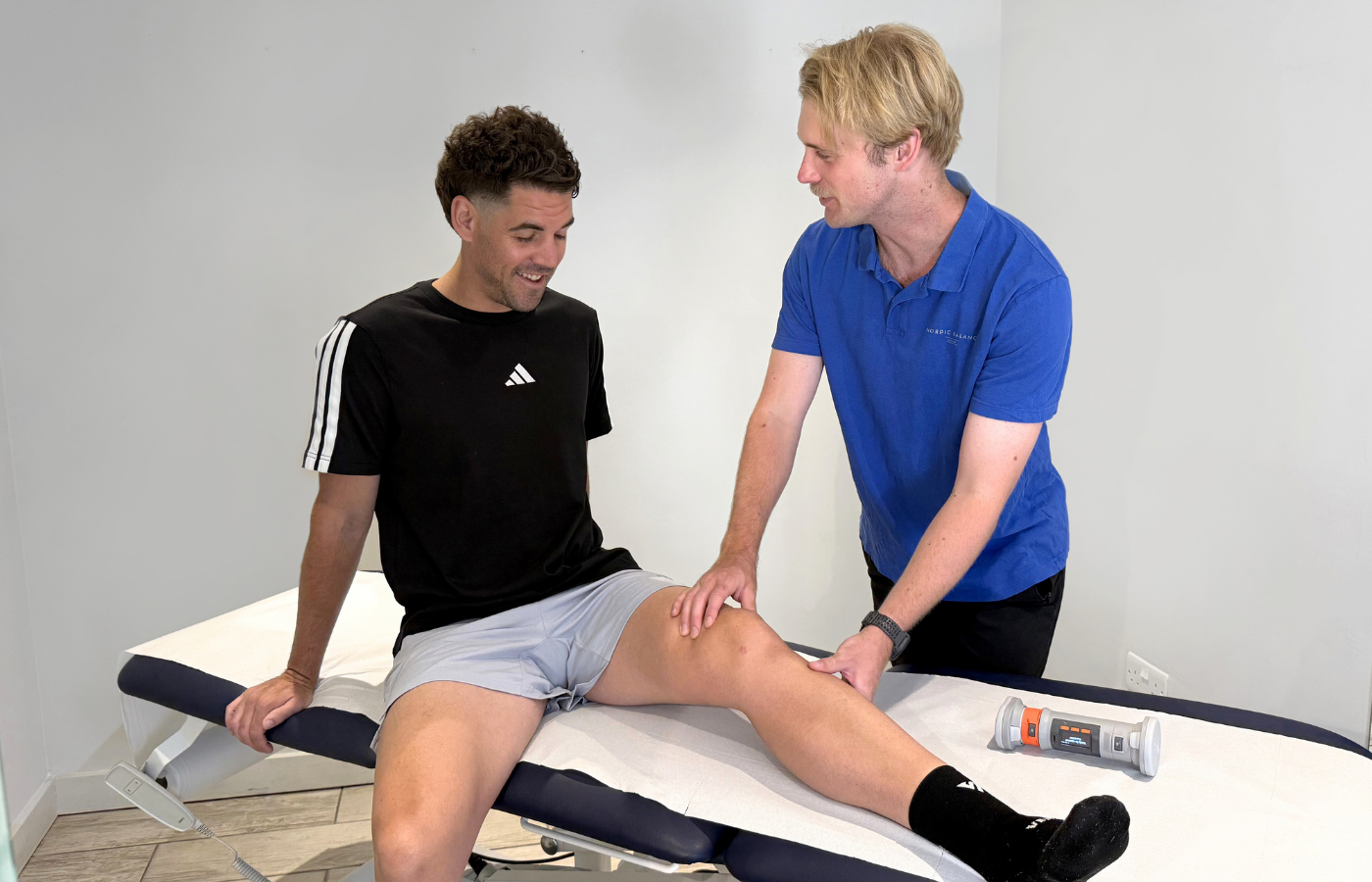
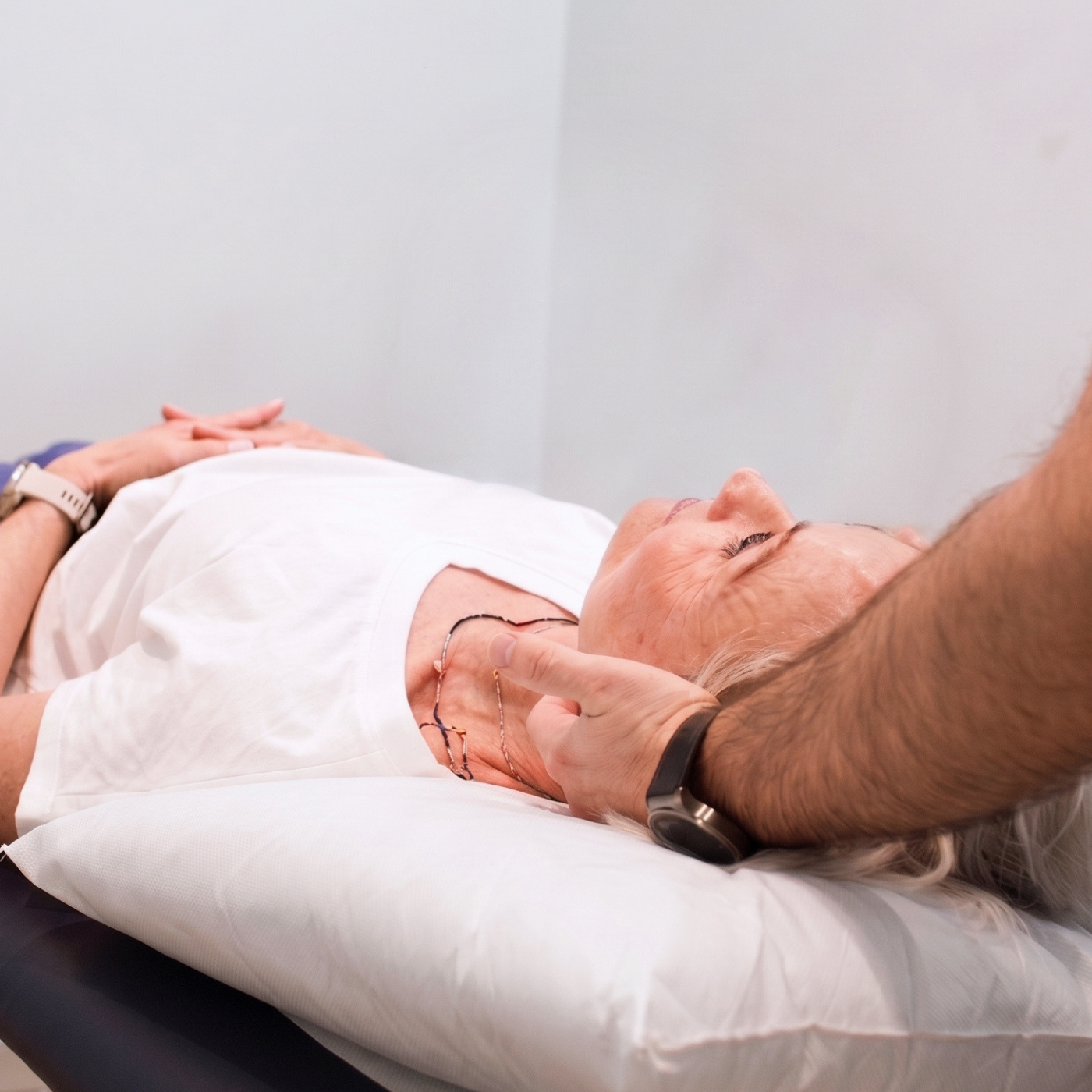
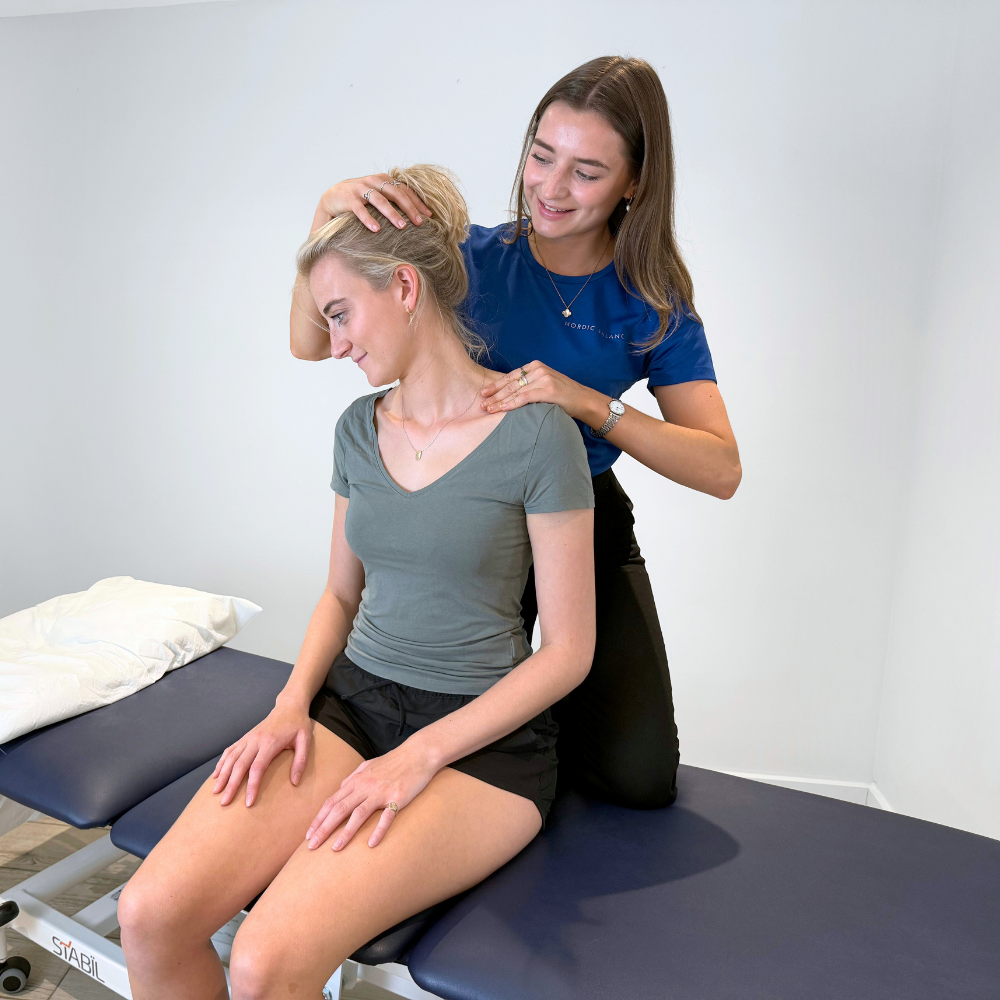
If pain keeps returning despite reducing strain and improving jaw movement, it may be worth looking at what keeps the problem going. A physiotherapy assessment can look at how your jaw moves, which muscles are tight or overworking, and whether areas such as your neck are also contributing.
Treatment may include manual therapy to reduce muscle tension and improve movement, exercises to restore control, strength and mobility, and advice around habits or activities that repeatedly aggravate your symptoms.
Acupuncture for TMJ pain
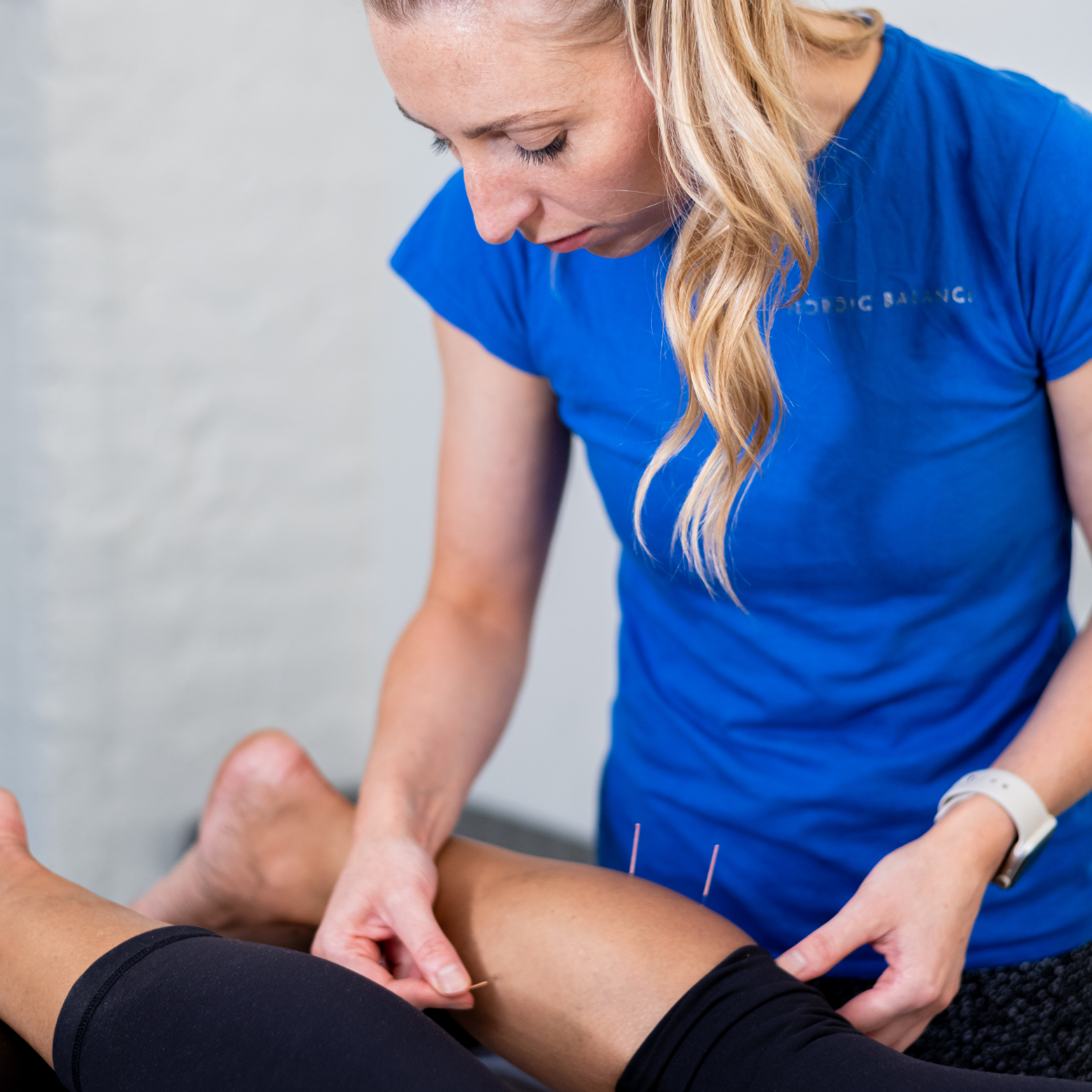
Acupuncture can also be used as part of treatment for TMJ pain, particularly where pain and muscle tension are prominent symptoms. Treatment can involve points around the jaw and face, as well as points elsewhere on the body, selected based on where your pain and tension are most pronounced.
Recent research supports its use for pain relief, particularly as part of a broader treatment approach. This means acupuncture may help settle a painful or tense jaw, while exercises, physiotherapy and changes to habits such as clenching can address the movement, muscle function and everyday factors contributing to your symptoms.
Getting TMJ assessed
An occasional painless click or short period of jaw tension does not necessarily need treatment.
It is worth getting your jaw assessed if:
- Pain lasts for several weeks or keeps returning
- Symptoms are becoming more frequent or painful
- You are struggling to open your mouth normally
- Your jaw repeatedly locks or gets stuck
- Eating or speaking is becoming uncomfortable
- Headaches or facial pain regularly occur alongside your jaw symptoms
- Exercises and simple changes are not helping
Persistent TMJ problems can start to affect everyday life, from recurring pain and headaches to difficulty eating, speaking or moving your jaw normally.
If symptoms keep returning or are getting in the way of everyday life, a physiotherapist can assess what is contributing to the problem and guide your next steps.
If you need help with persistent jaw pain, book a physiotherapy appointment with the Nordic Balance team.