
Menopause does not suddenly start with a hot flush. Menopause is a journey: It includes perimenopause, menopause, and postmenopause, and symptoms can start years before menopause is reached and continue afterwards. Changes to your periods, sleep, mood or concentration can start during perimenopause, often before you realise they could be connected.
Symptoms can look different from one woman to the next and can change as you move through perimenopause, menopause and postmenopause. Understanding these stages can make it easier to recognise what you are experiencing and find the right support.
This guide explains the stages of menopause, some of the most common symptoms and the lifestyle changes and treatments that can help you manage them.
Stages of menopause
The menopause transition includes perimenopause, menopause and postmenopause. Understanding what happens during each stage can help you recognise when symptoms may begin, change or continue.
Perimenopause
Perimenopause is the time leading up to menopause, when hormone levels begin to change. It often begins in your 40s, although the timing varies from one woman to the next.
One of the first signs is often a change in your usual periods. They may become more or less frequent, heavier or lighter. Other symptoms, such as hot flushes, mood changes, sleep problems and brain fog, can also begin during this stage. These changes can continue for several years as your body moves towards menopause.
Menopause
Menopause is reached when you have not had a period for 12 consecutive months and are not using hormonal contraception that affects your periods. It usually happens between the ages of 45 and 55, but it can happen earlier. Menopause before 45 is called early menopause, while menopause before 40 is called premature menopause. Reaching menopause does not mean symptoms suddenly begin or end. Many symptoms will already have started during perimenopause and can continue afterwards.
Postmenopause
Postmenopause describes the time after menopause. Some symptoms may improve, while others can continue or change. Symptoms of Menopause and perimenopause usually last around seven to nine years, sometimes longer. Hot flushes and night sweats may improve while other symptoms become more noticeable. Joint pain and vaginal dryness can also continue after menopause. Looking after your longer-term health also becomes important during and after menopause, particularly your bone health as hormone levels change.
Common symptoms of menopause
Menopause can affect much more than your periods. You may experience several symptoms at once or only a few, and what you notice can change throughout the different stages.
Common symptoms can include:
- changes to your usual periods
- hot flushes and night sweats
- problems sleeping and fatigue
- mood changes, anxiety or low mood
- brain fog and difficulty concentrating
- headaches or migraines
- joint and muscle aches
- heart palpitations
- vaginal dryness or urinary changes
You may also experience other physical or emotional changes. To find out more about symptoms associated with perimenopause and menopause, visit the NHS menopause and perimenopause guide.
Hot flushes and night sweats
Hot flushes and night sweats are among the most recognisable menopause symptoms. A hot flush can cause a sudden feeling of heat, often around the face, neck and chest, while night sweats can interrupt sleep and leave you feeling tired the following day. Wearing light layers, keeping your bedroom cool and choosing lightweight bedding or sleepwear may make them easier to manage. Some women also find that reducing caffeine and alcohol helps.
Mood changes, anxiety and low mood
Mood changes can become more noticeable during perimenopause and menopause. You may experience mood swings, anxiety, irritability or periods of low mood. Regular exercise can support mood and help reduce stress. Talking with someone you trust or a therapist about how you feel may also help, especially if mood changes are starting to affect everyday life.
Sleep problems and fatigue
Hormone changes can affect sleep, and symptoms such as night sweats can make it harder to stay asleep. Keeping a regular sleep routine can help. Relaxation techniques such as yoga, meditation and mindfulness may also make it easier to wind down and manage stress.
Brain fog and forgetfulness
Losing your train of thought, struggling to concentrate or finding yourself more forgetful than usual can happen during perimenopause and menopause. Brain fog can affect work, relationships and confidence, particularly when combined with poor sleep and fatigue. If it becomes difficult to manage, discuss your symptoms with a healthcare professional.
Vaginal and urinary changes
Hormonal changes during menopause can cause vaginal dryness and discomfort. Some women also experience urinary changes, such as needing to urinate more often or experiencing recurring urinary tract infections. Vaginal moisturisers or lubricants can help with dryness, while vaginal oestrogen may be recommended for some women. Pelvic floor changes can also contribute to bladder control problems or pelvic discomfort.
Joint and muscle aches
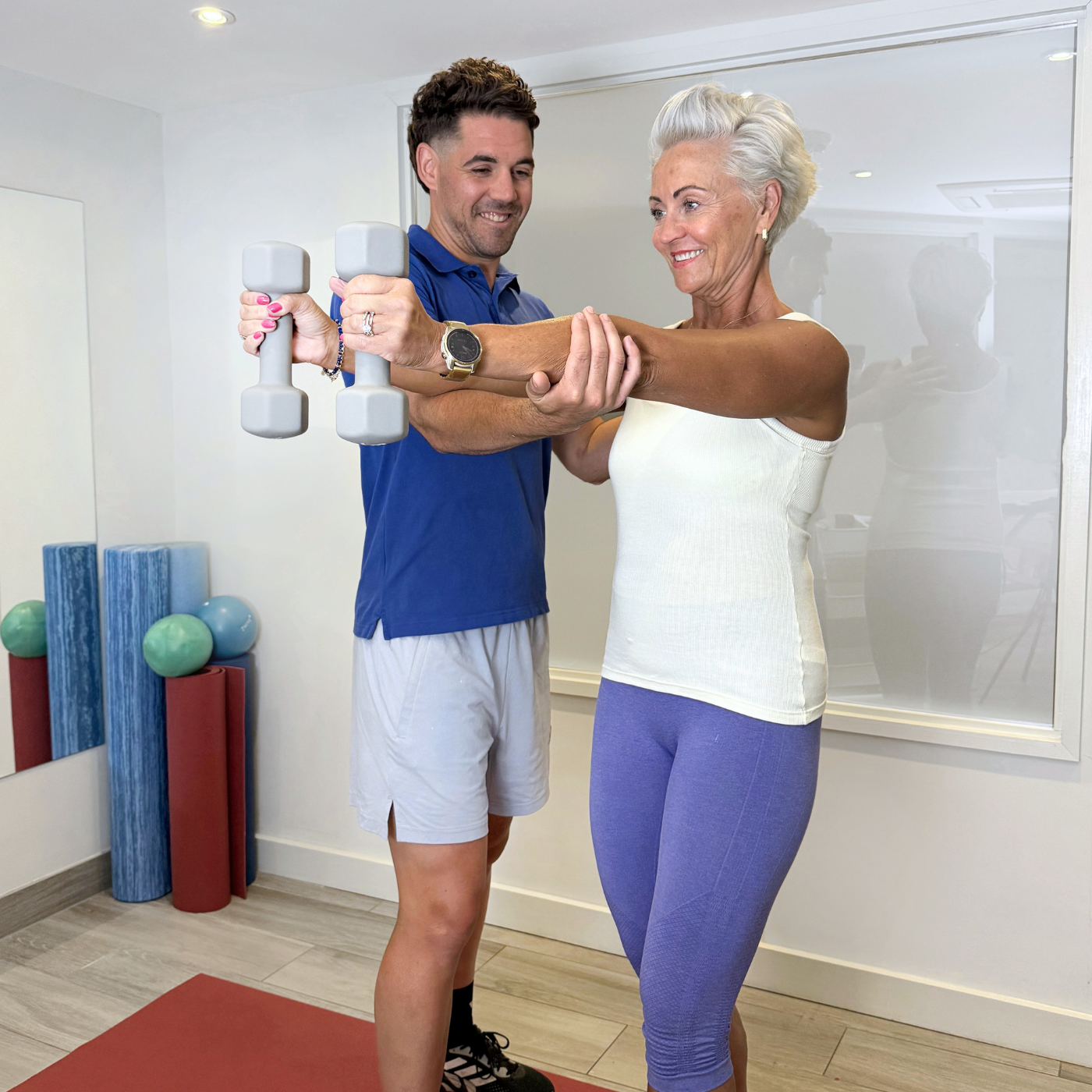
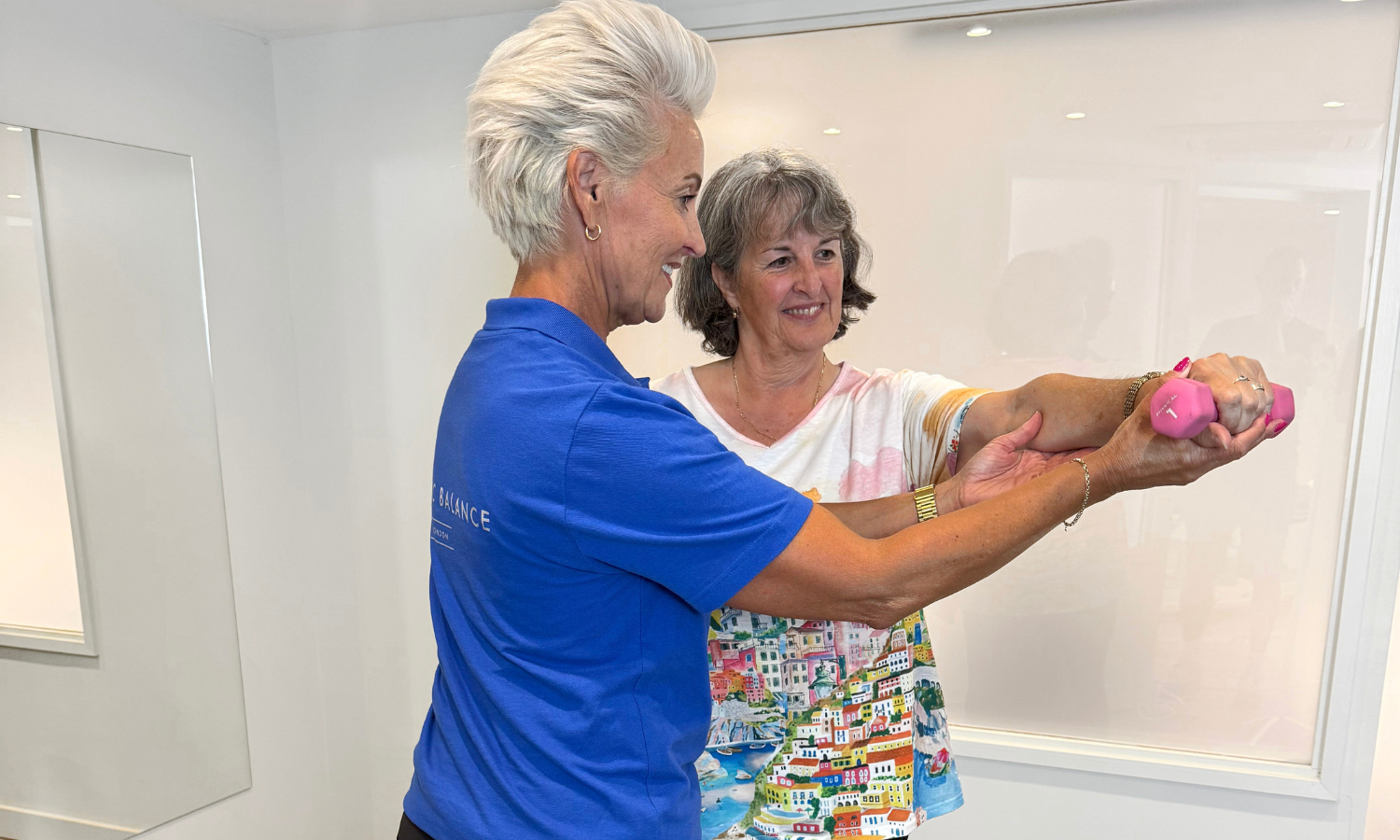
Joint aches, muscle pain and stiffness can occur during menopause, with areas such as the wrists, shoulders, neck and hips commonly affected. Regular movement can help maintain strength and mobility. Joint pain can also continue after menopause, so it is not necessarily a symptom that disappears once your periods have stopped.
Simple ways to self-manage menopause symptoms
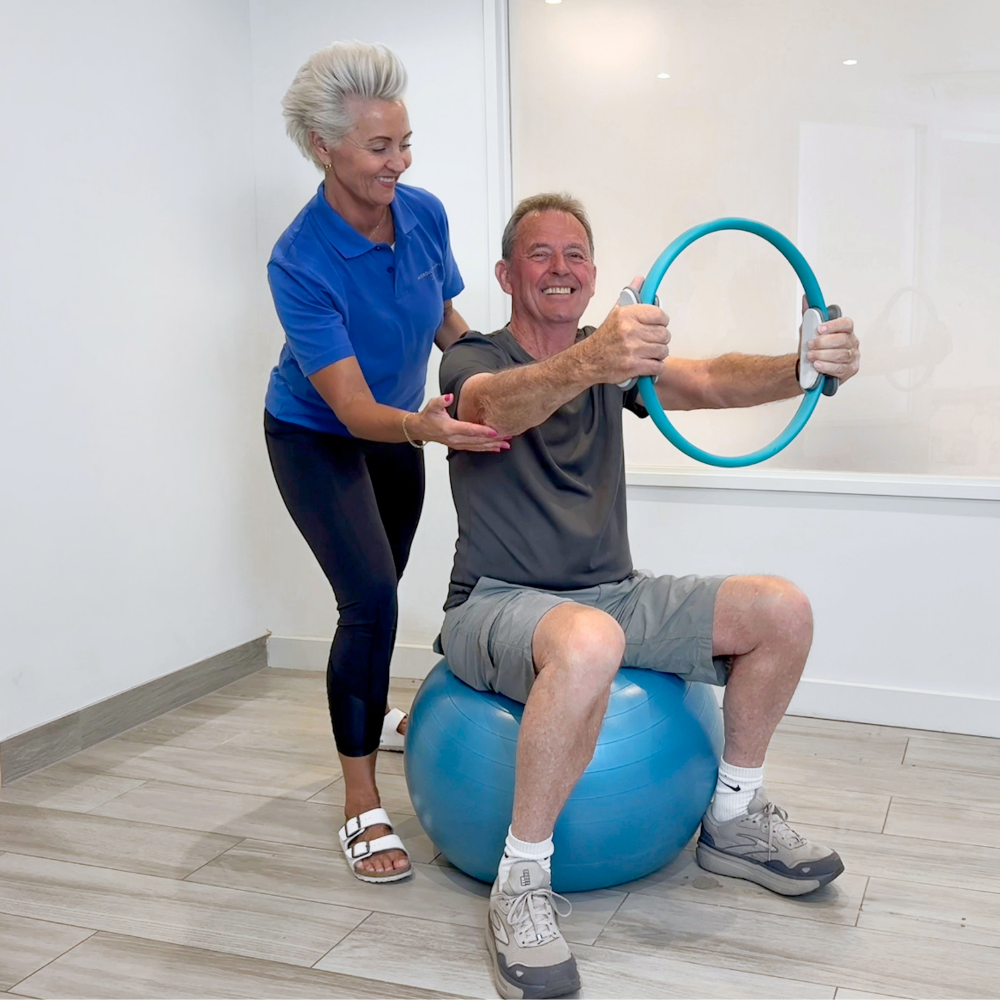
No single approach suits every woman. What helps depends on your symptoms, how much they affect everyday life, and where you are in the menopause transition. Regular exercise can support mood, sleep, muscle and joint health. Weight-bearing exercise is particularly useful for maintaining bone strength and reducing the risk of osteoporosis. At the same time, lower-impact activities such as walking or swimming are another way to stay active.
A balanced diet and regular sleep routine can also support your health during menopause. If hot flushes or night sweats are a problem, pay attention to whether alcohol, caffeine or a warm sleeping environment makes them more noticeable. Yoga, meditation, and mindfulness can help manage stress and support sleep. Lifestyle changes can help, but they are not your only option. If symptoms affect everyday life, treatments can help manage them.
Common Treatments for menopause symptoms
Treatment depends on your symptoms, preferences, age, medical history, and individual risk factors. For some women, lifestyle changes may make symptoms more manageable, while others may benefit from medical treatment or additional support.
Hormone replacement therapy (HRT)
Hormone replacement therapy, or HRT, is one of the main treatments for symptoms of perimenopause and menopause. It works by replacing hormones that decline during the menopause transition. HRT can help with symptoms including hot flushes, night sweats, mood changes and vaginal dryness. Treating these symptoms can also help improve sleep and overall quality of life.
There are different types of HRT and different ways of taking it. What suits you depends on your symptoms, age, medical and family history, and individual risk factors. For many women, the benefits of HRT can outweigh the risks. However, some types of HRT can increase the risk of breast cancer. The risk of blood clots and stroke can also vary depending on the type of HRT and how it is taken. Discuss your individual risks and benefits with your doctor or an appropriate healthcare professional.
To find out more about the benefits and risks of HRT, read the current NICE guidance on menopause identification and management.
Treatment for vaginal and urinary symptoms
Vaginal oestrogen can help with vaginal dryness and discomfort as well as some urinary symptoms associated with menopause. It is available in different forms, and you can discuss it with your GP or another healthcare professional if these symptoms are affecting you.
Non-hormonal treatments
There are also non-hormonal options for managing menopause symptoms. Cognitive behavioural therapy (CBT) can help with hot flushes and night sweats and may also help with sleep problems associated with menopause.
Antidepressants may be recommended for depression or anxiety associated with perimenopause or menopause. Other prescription medicines may also be considered for hot flushes and night sweats.
Complementary treatments and herbal remedies are also available, although evidence around their effectiveness and safety varies. Some can interact with other medicines, so speak to a healthcare professional before taking them.
Treatment is individual, and what is appropriate will depend on your symptoms and medical history. To find out more about the different medical and non-hormonal options available, visit the NHS guide to menopause treatment.
Pelvic floor physiotherapy
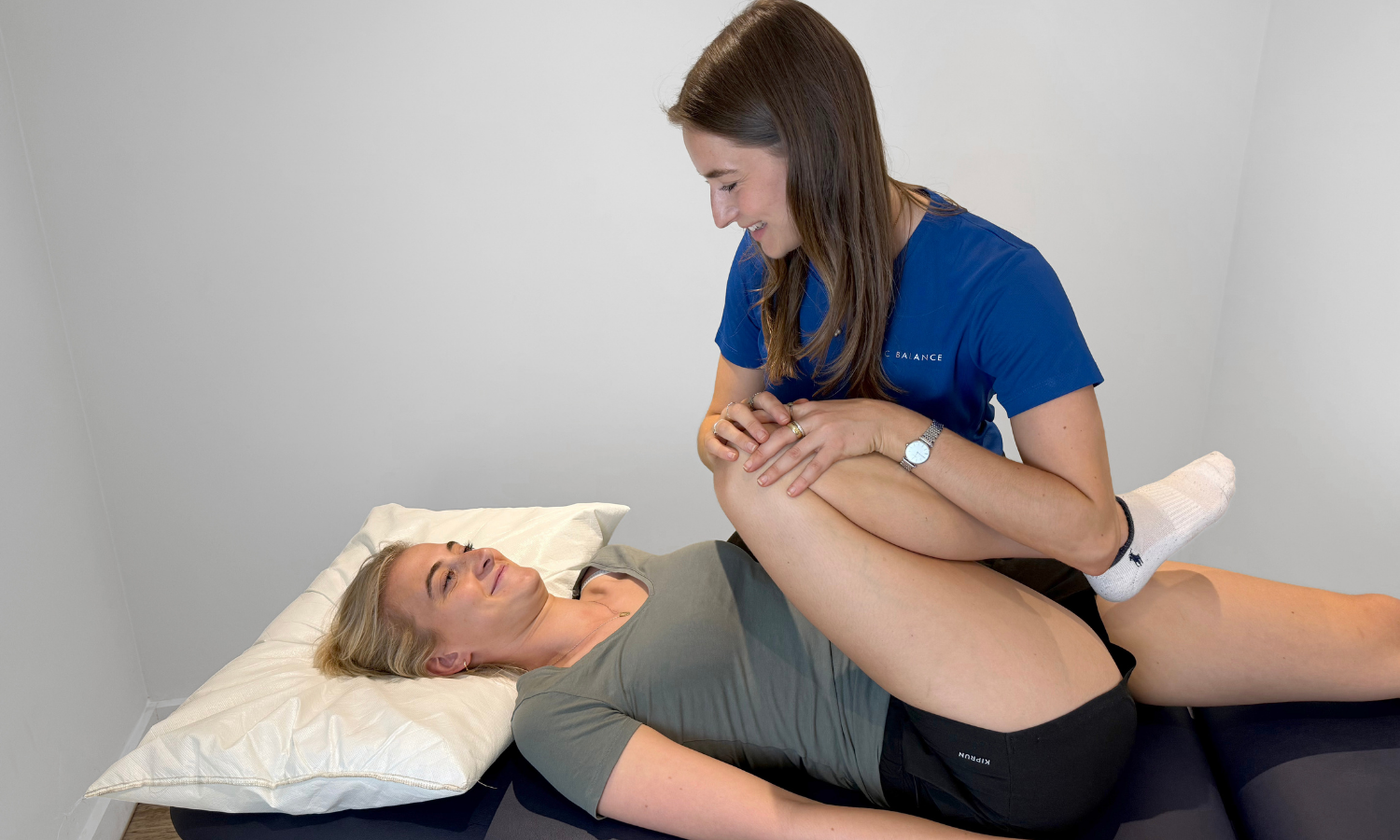
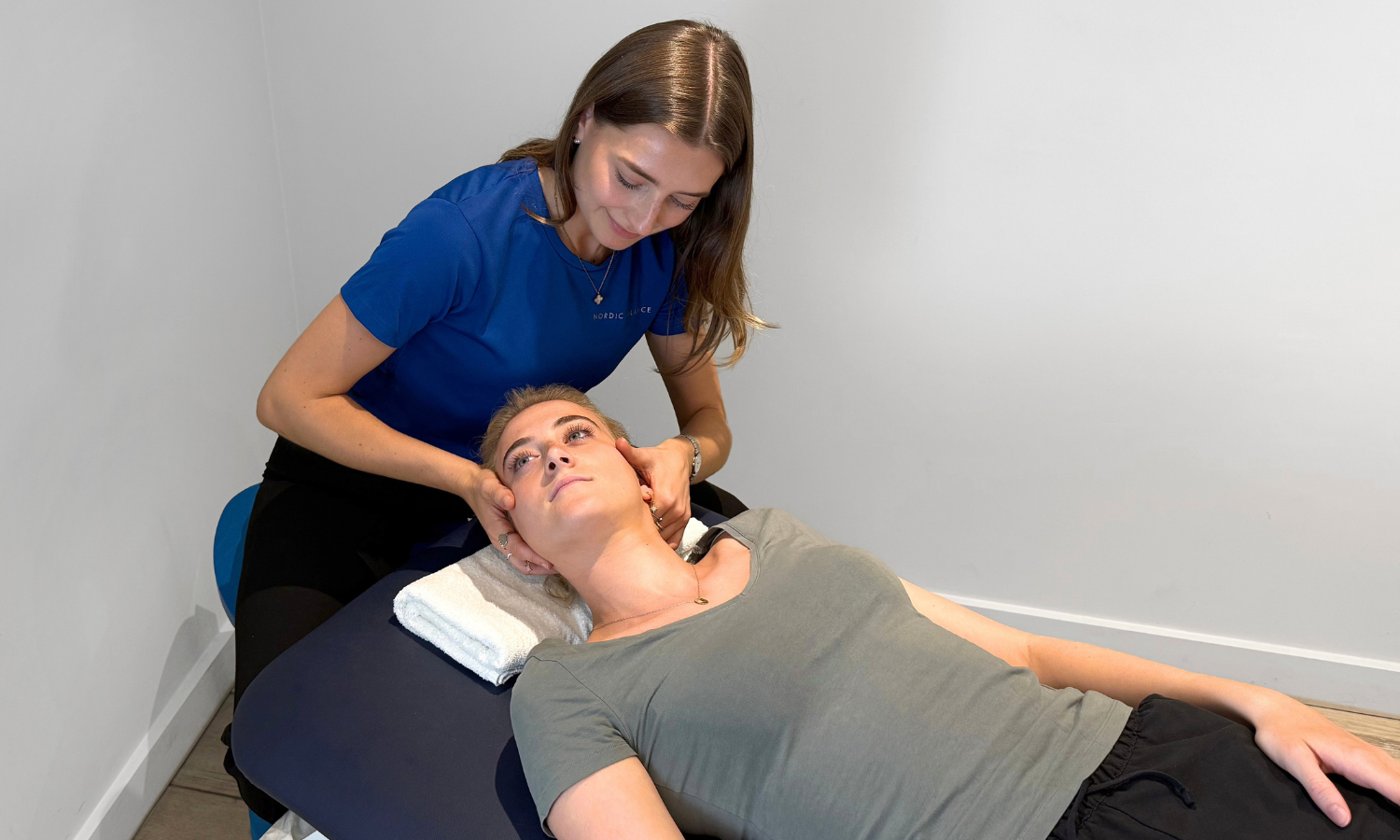
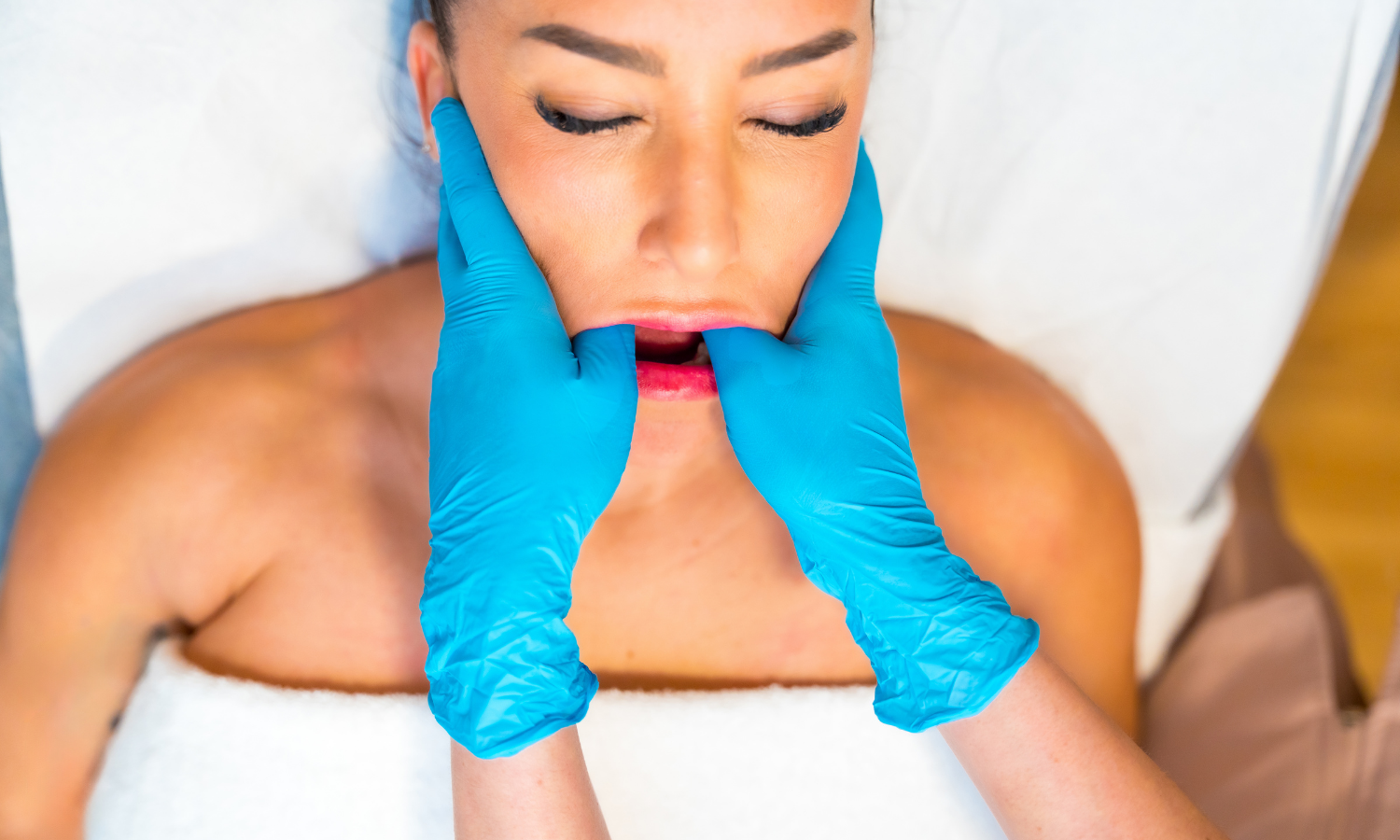
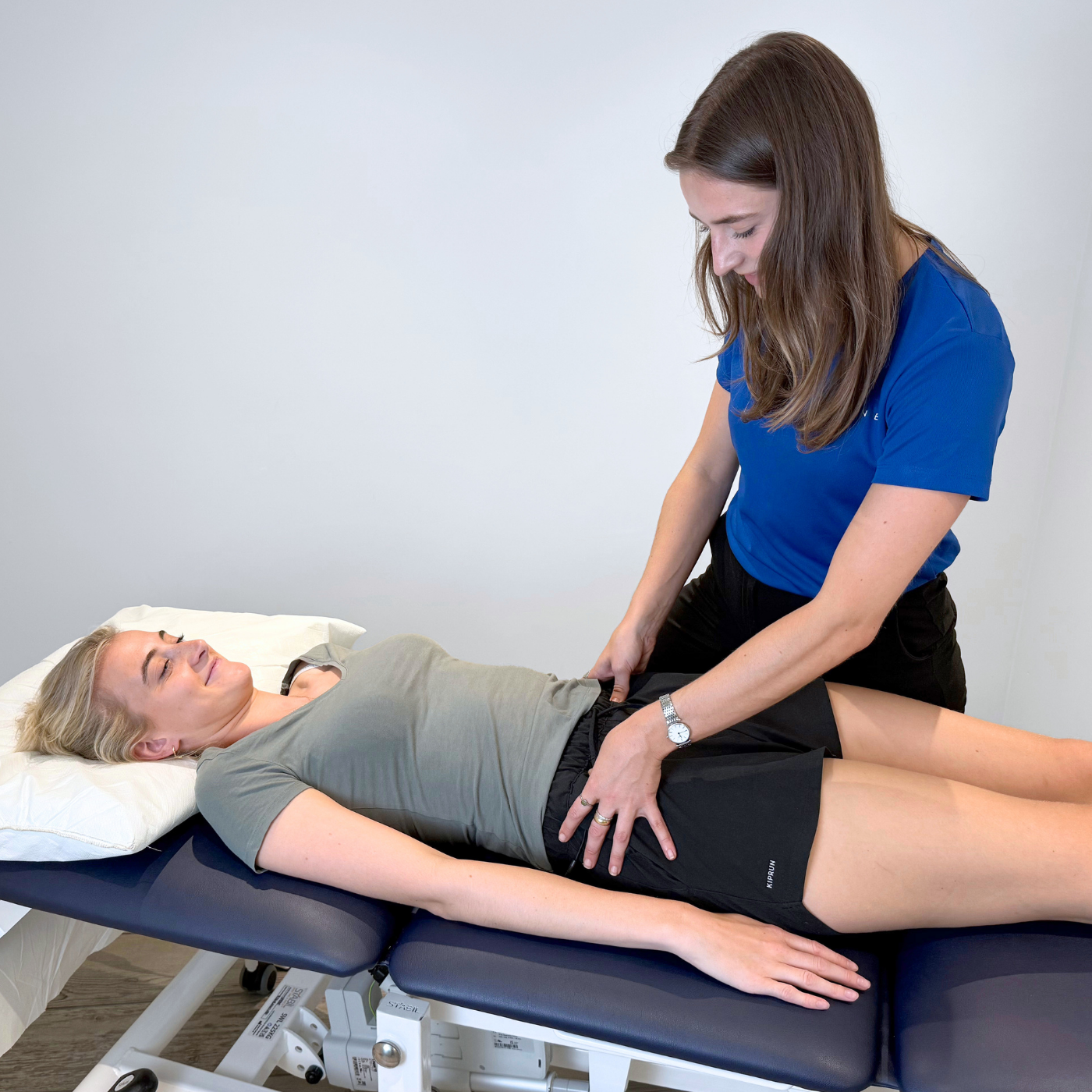
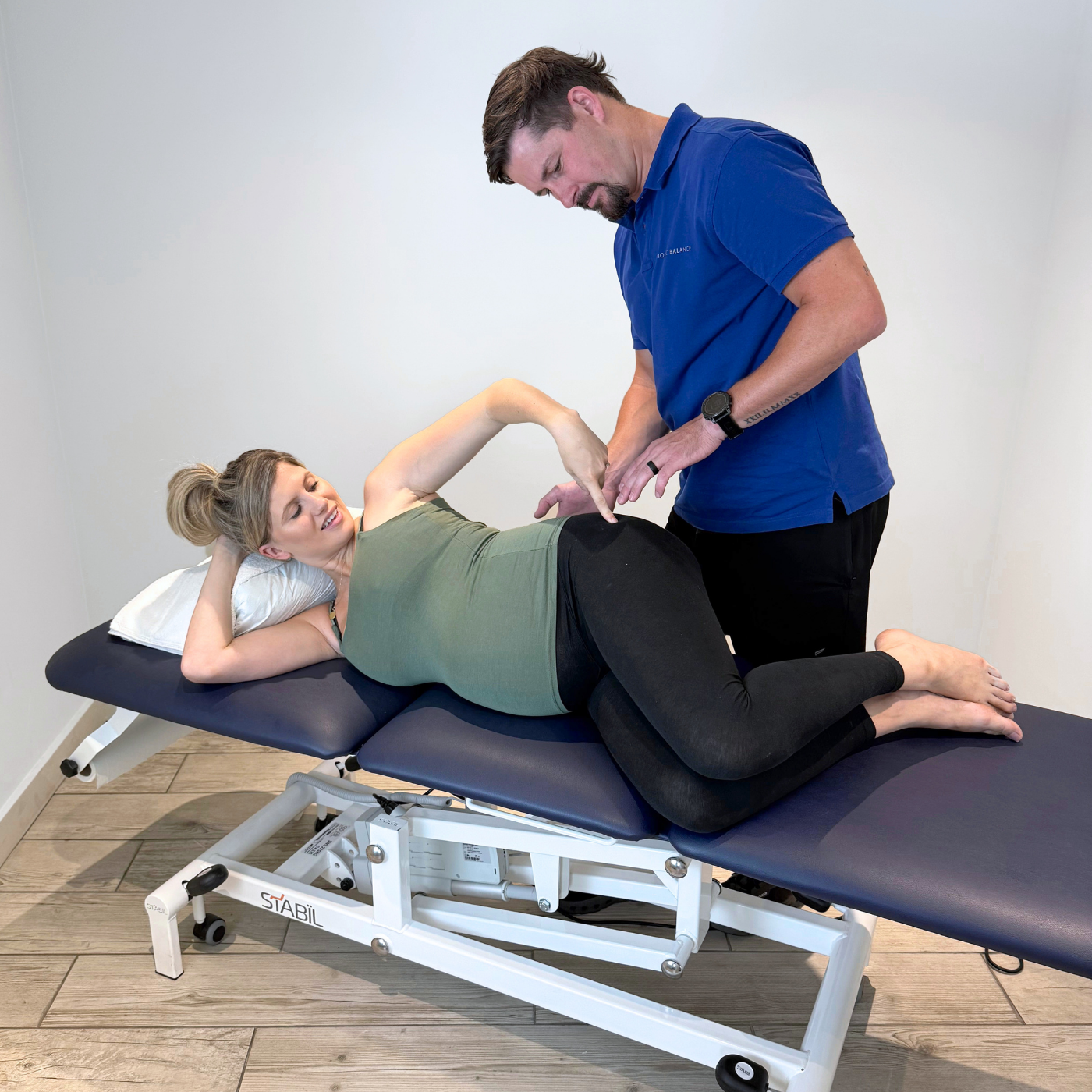
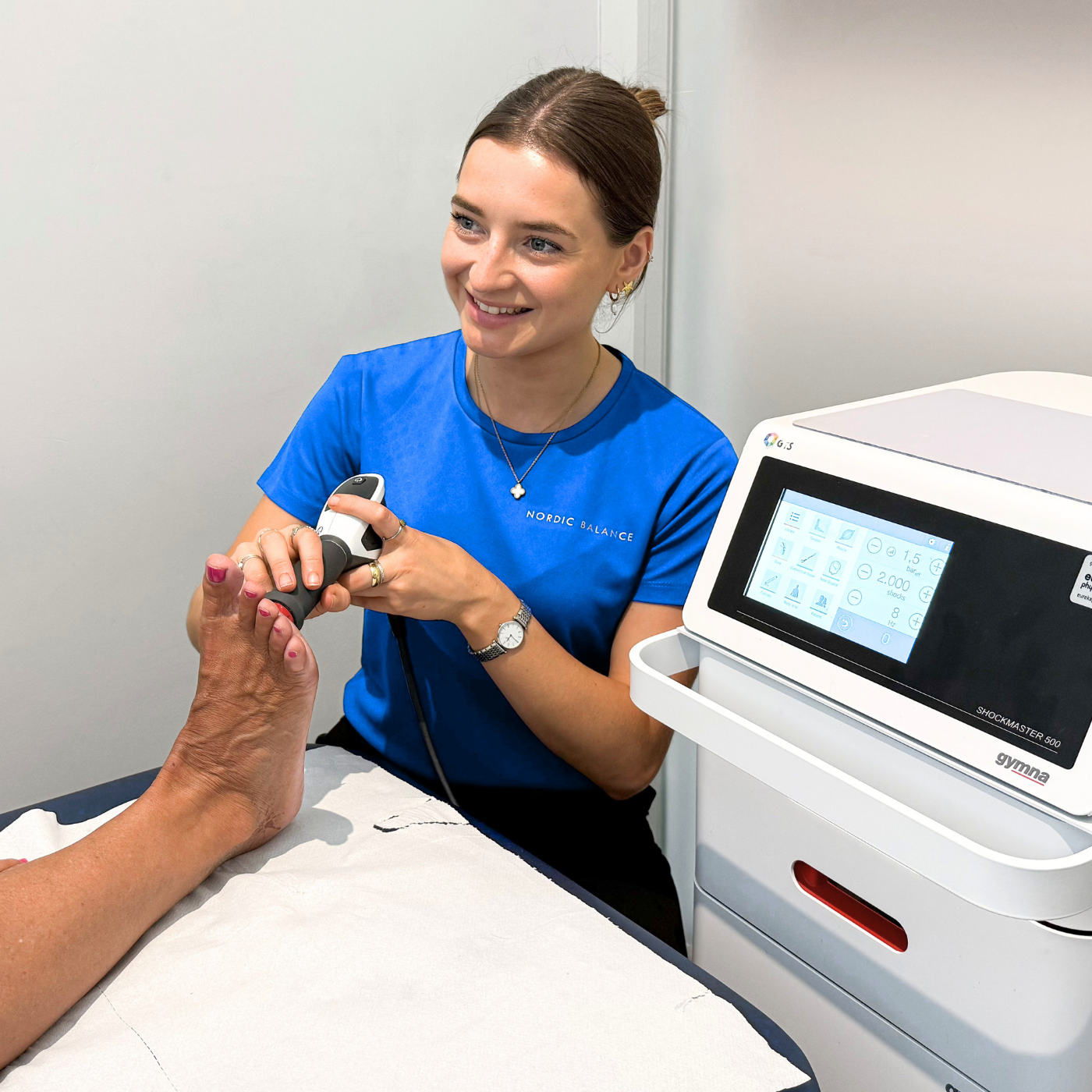
Hormonal changes during menopause can affect pelvic floor muscles and tissues. This may contribute to symptoms such as bladder control problems, pelvic discomfort or a feeling of weakness in the pelvic floor. Pelvic floor physiotherapy can help by identifying how these muscles are functioning and where support is needed. At Nordic Balance, treatment is tailored to your symptoms and may include exercises, advice and hands-on treatment to improve pelvic floor strength and function.
Find out more about our pelvic floor physiotherapy and how it can support you during menopause.
When should you speak to a healthcare professional?
You do not need to wait until menopause symptoms become difficult to cope with before asking for help. If changes to your periods, sleep, mood, concentration, or physical comfort affect your everyday life, speak to your GP or an appropriate healthcare professional. They can help determine whether your symptoms may be related to perimenopause or menopause and talk you through the treatment options available.
It is particularly important to speak to your GP if you think you may be experiencing menopause before the age of 45. You should also speak to your GP if your bleeding becomes heavier during perimenopause. Once you have gone 12 months without a period, any vaginal bleeding should be checked, even if it has only happened once or is a small amount.
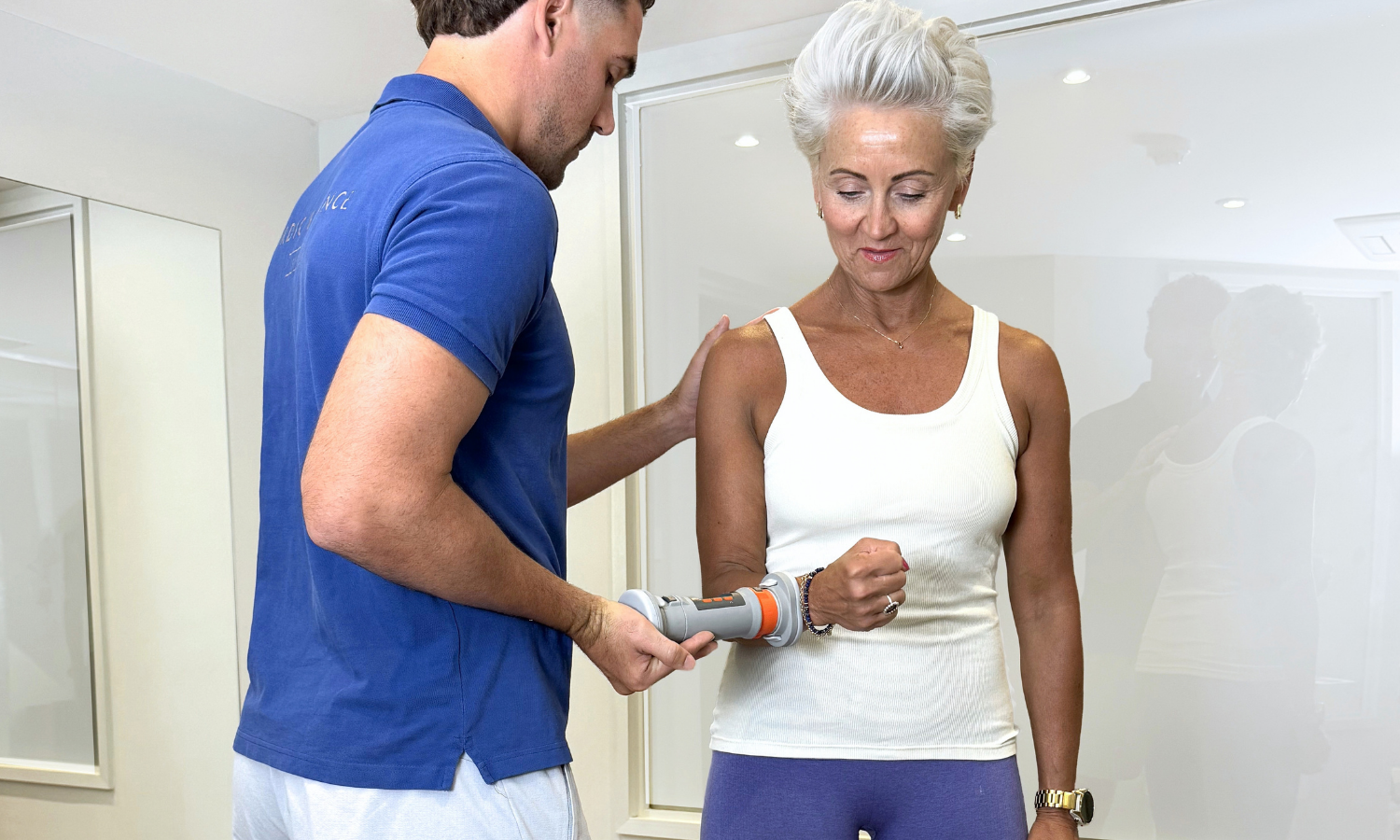
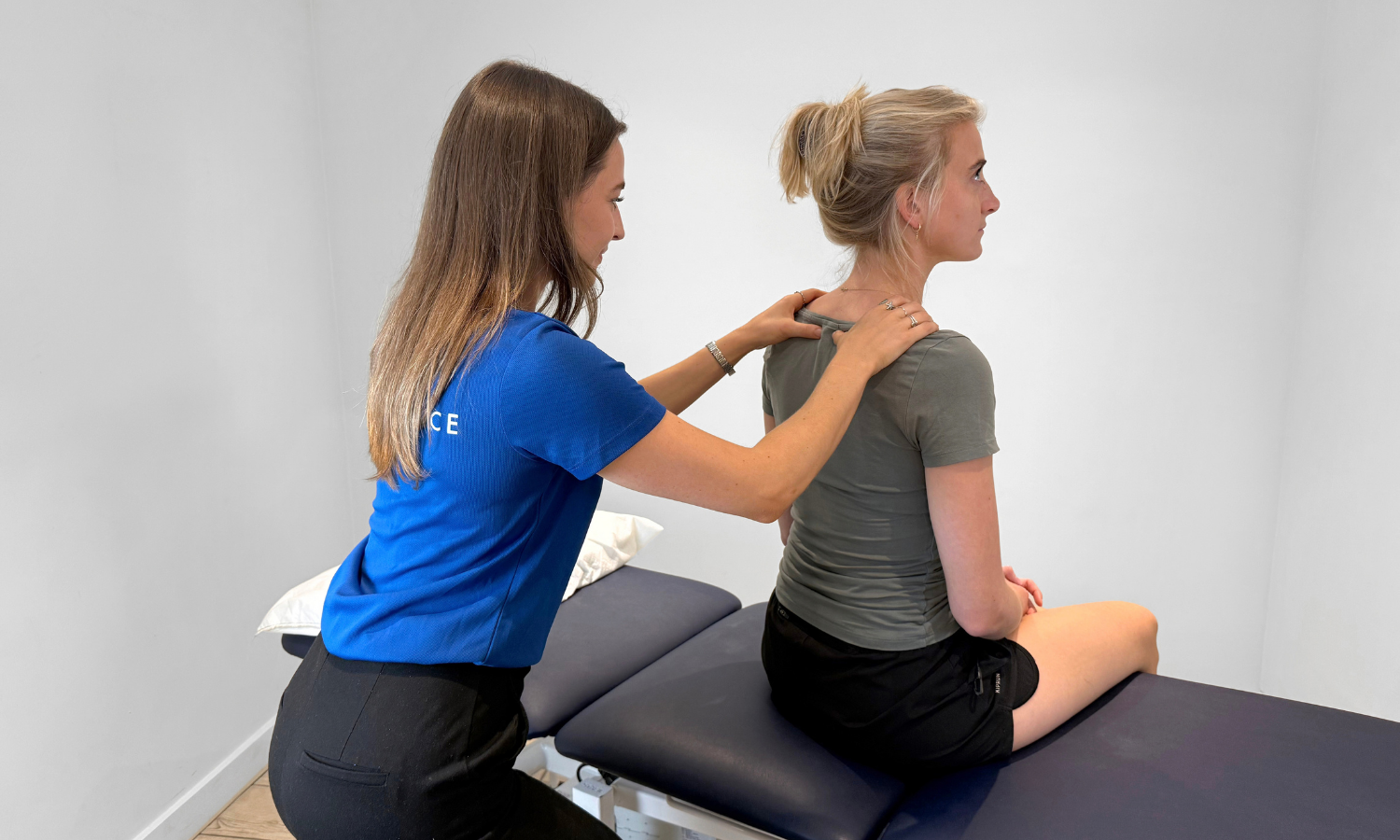
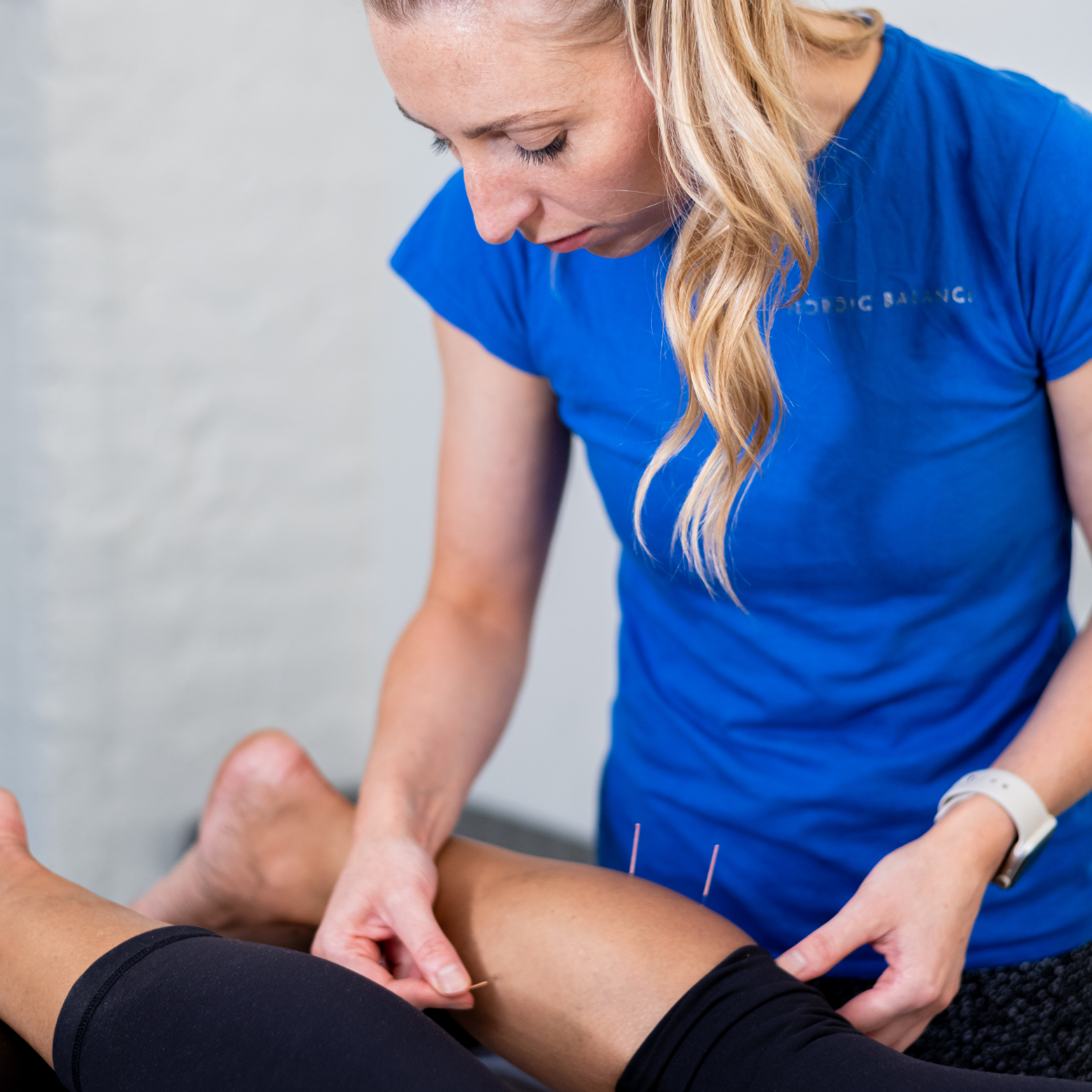
Menopause can affect your health in different ways at different stages, and the support you need will depend on the symptoms you are experiencing. If menopause is affecting your movement, joint comfort or pelvic health, the Nordic Balance team can help with physiotherapy and pelvic health treatment tailored to your needs.
Find out more about our pelvic floor physiotherapy or book an appointment with the Nordic Balance team.
Further information
For further information about menopause, you can also read the NHS menopause and perimenopause guidance or the current NICE guideline on menopause identification and management.
NHS Menopause and Perimenopause
NICE Menopause: Identification and Management