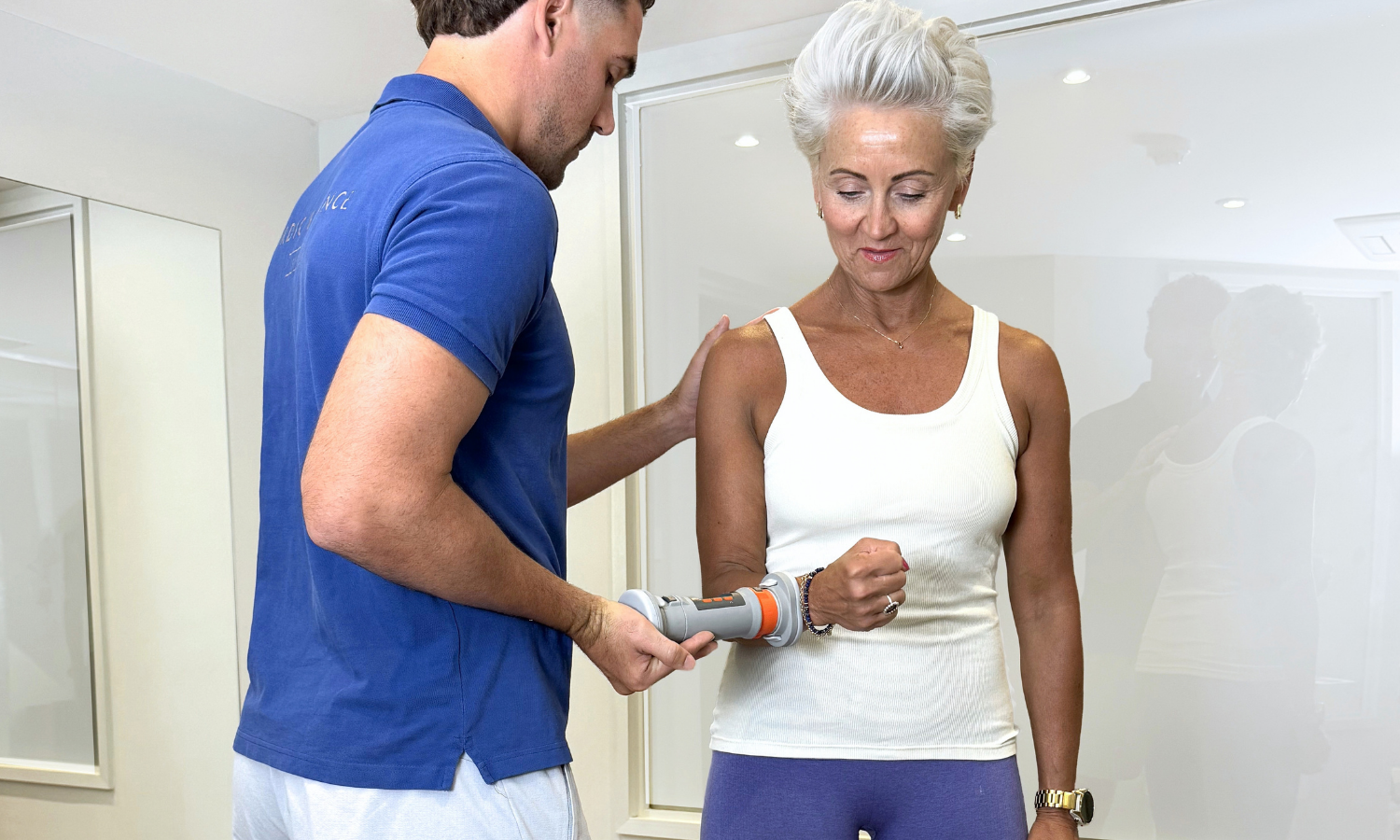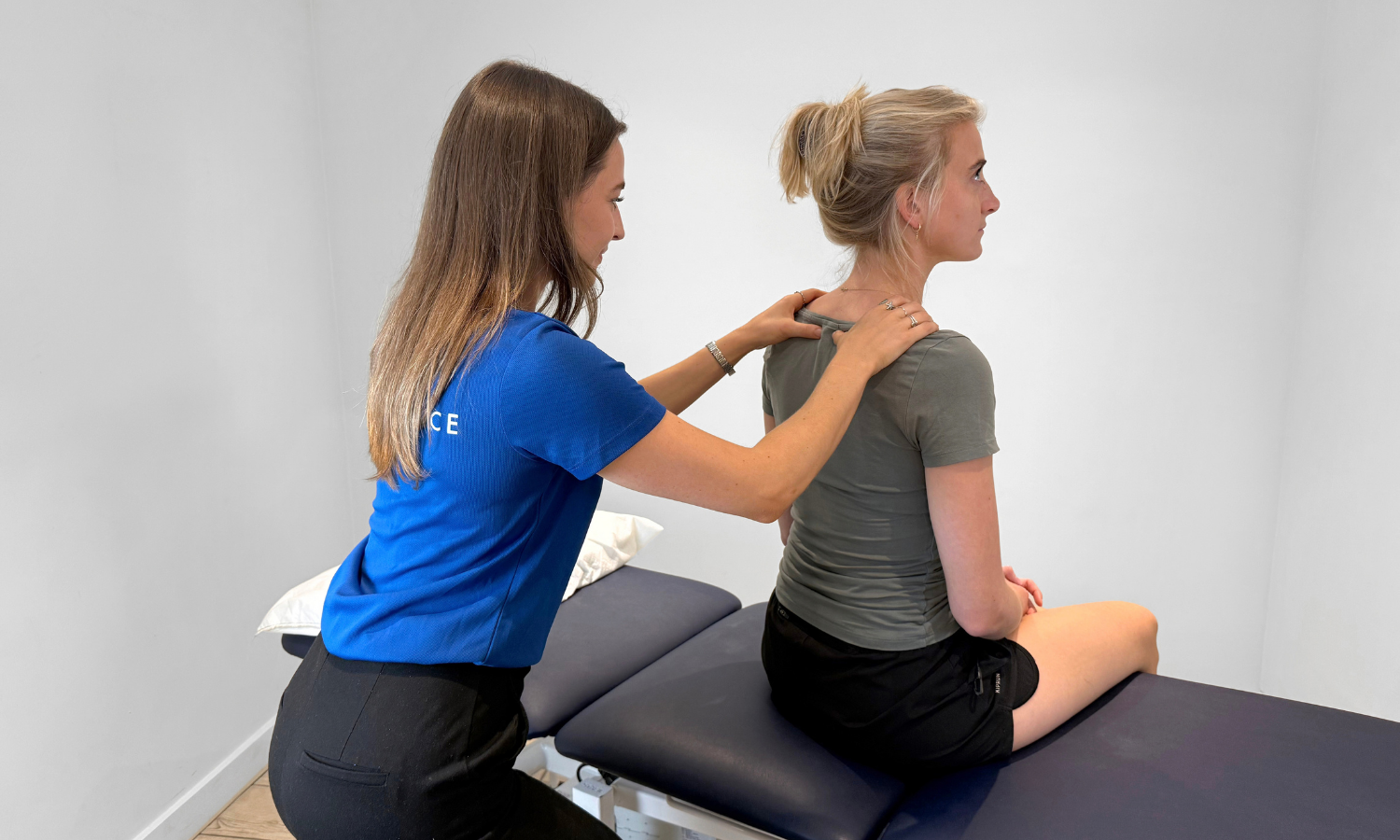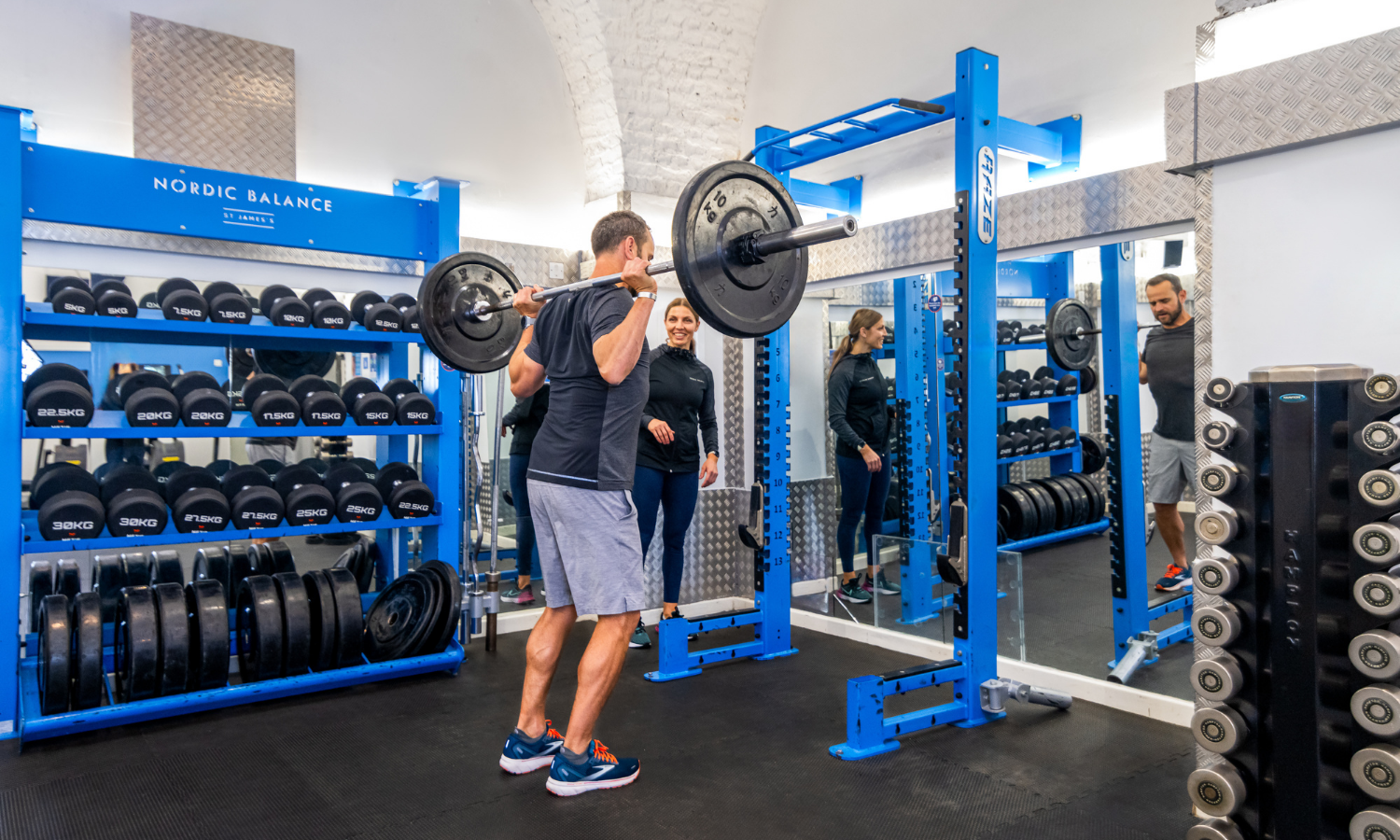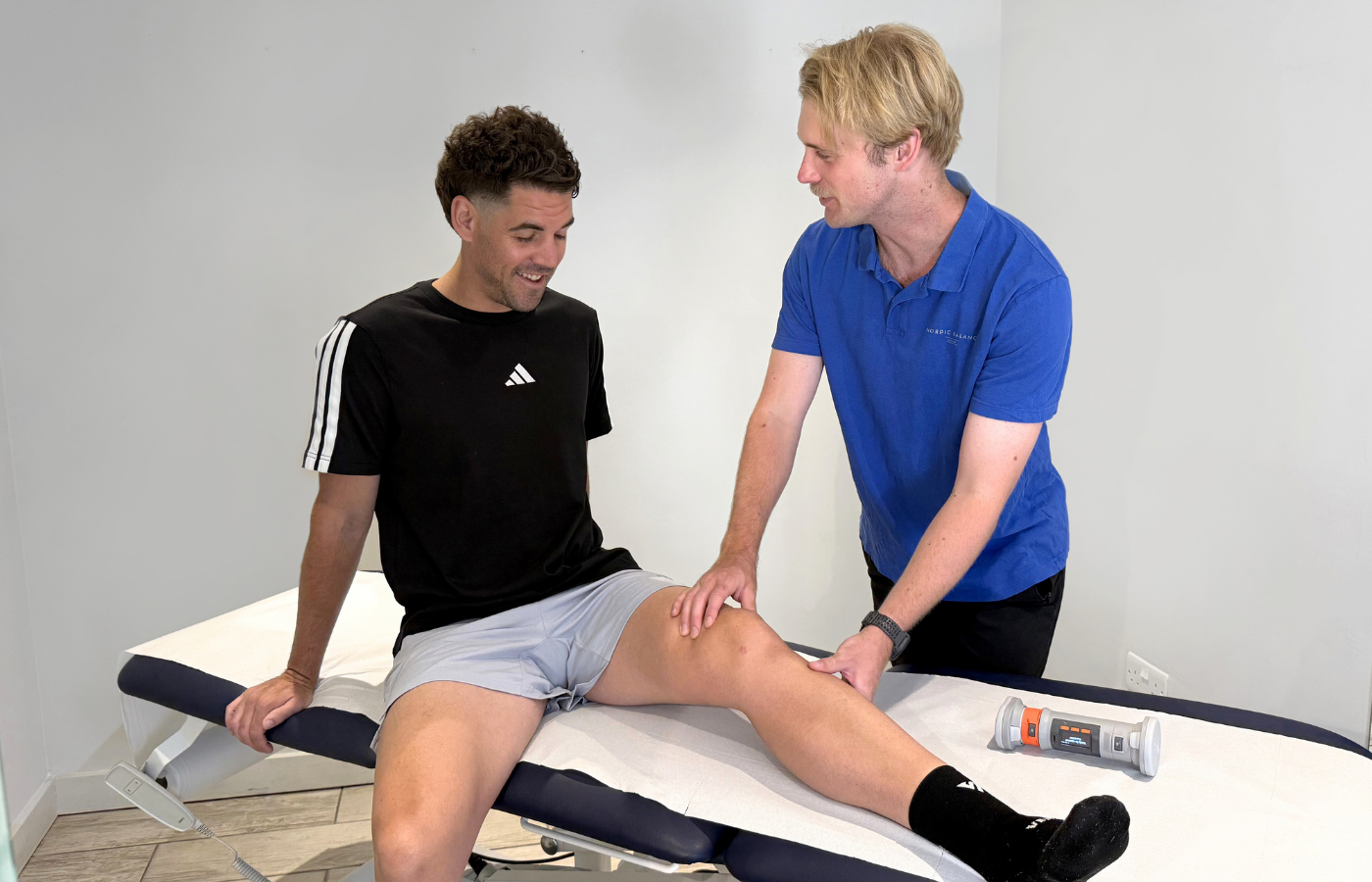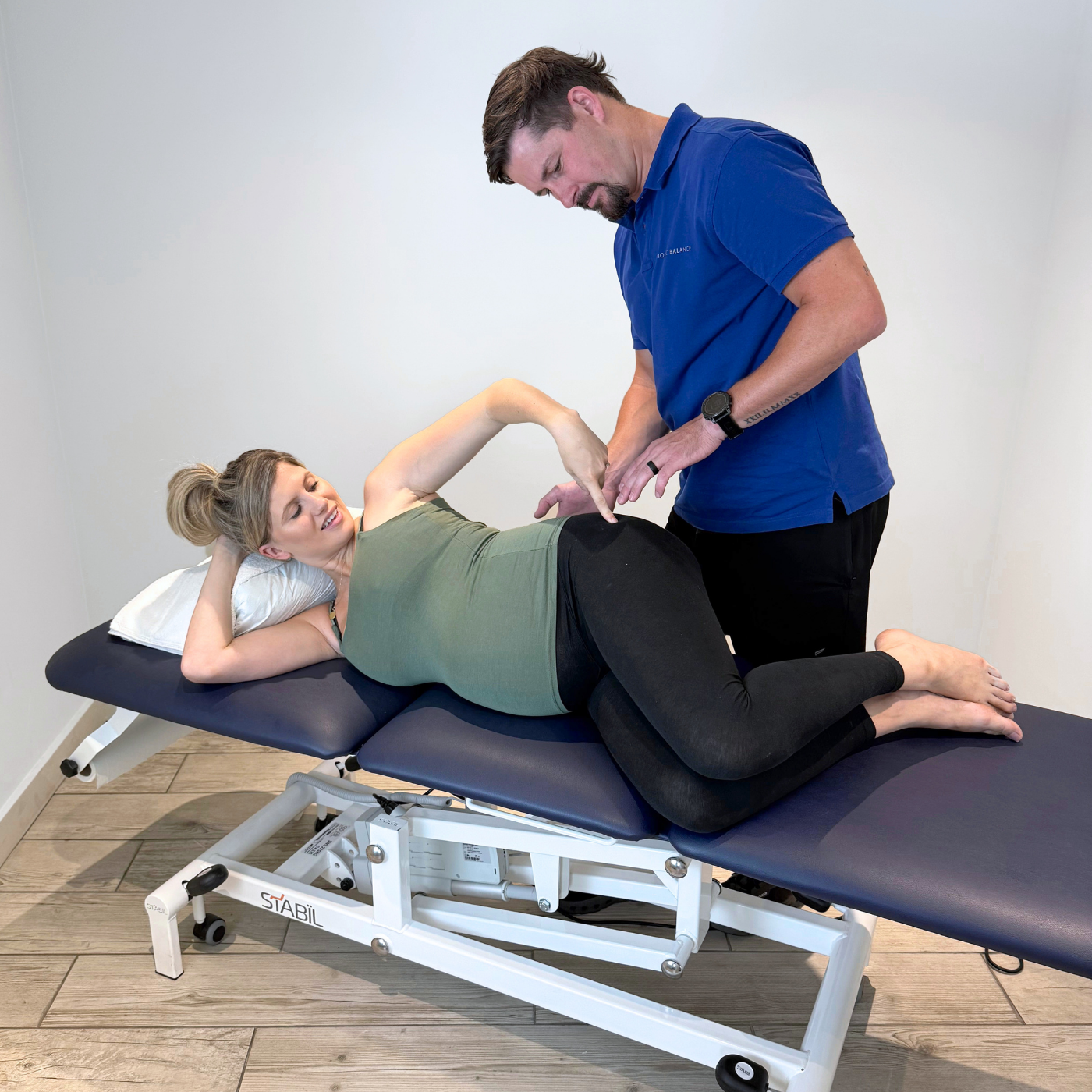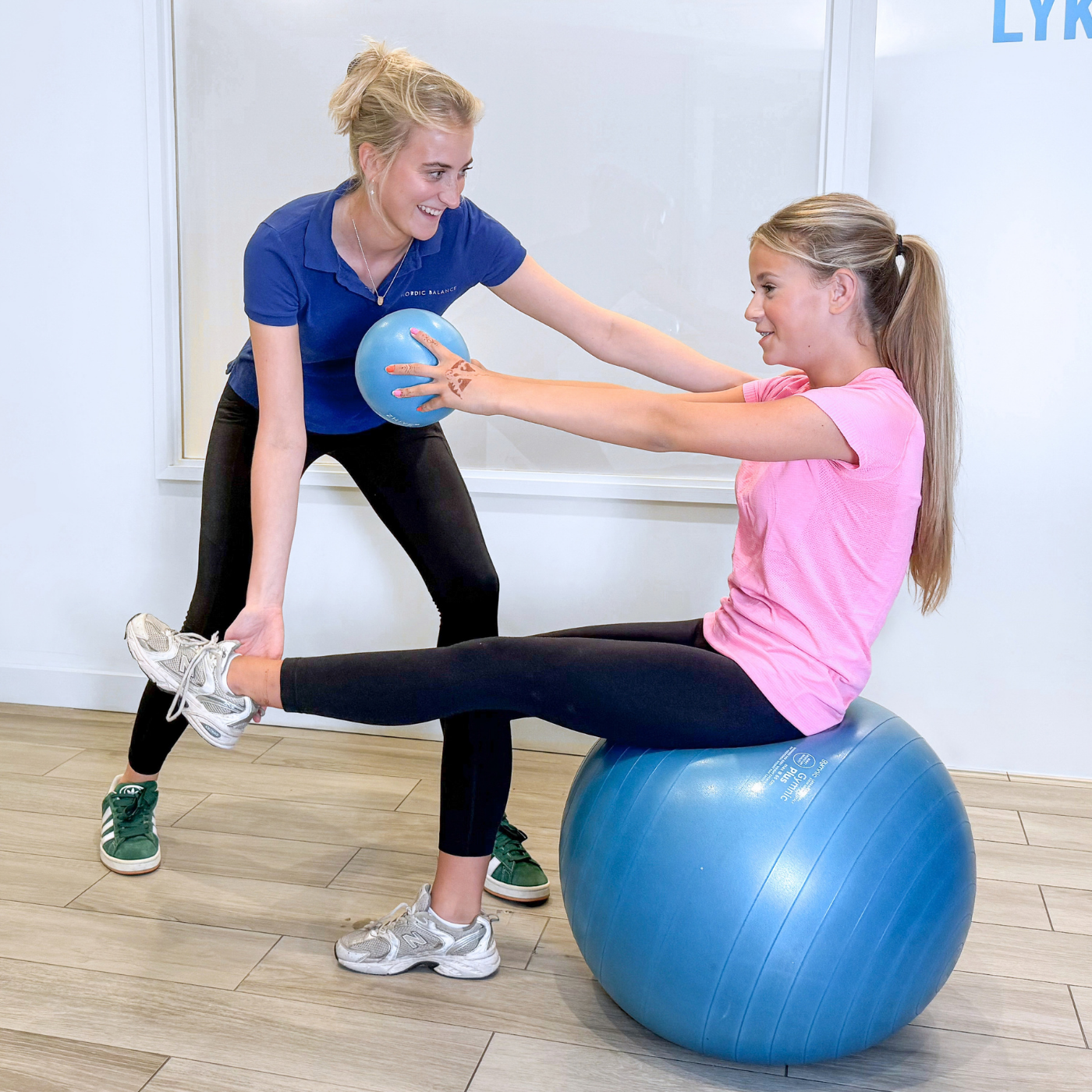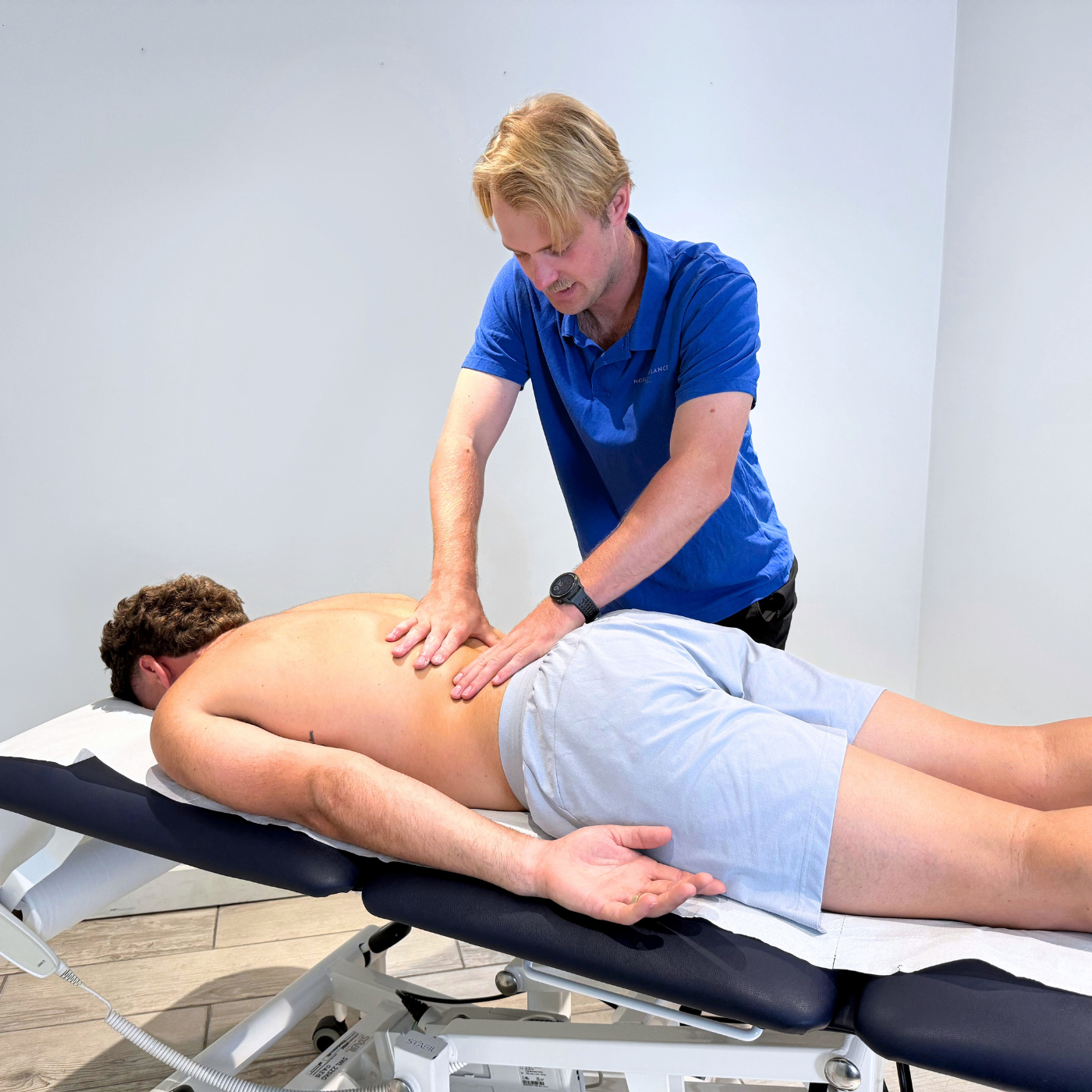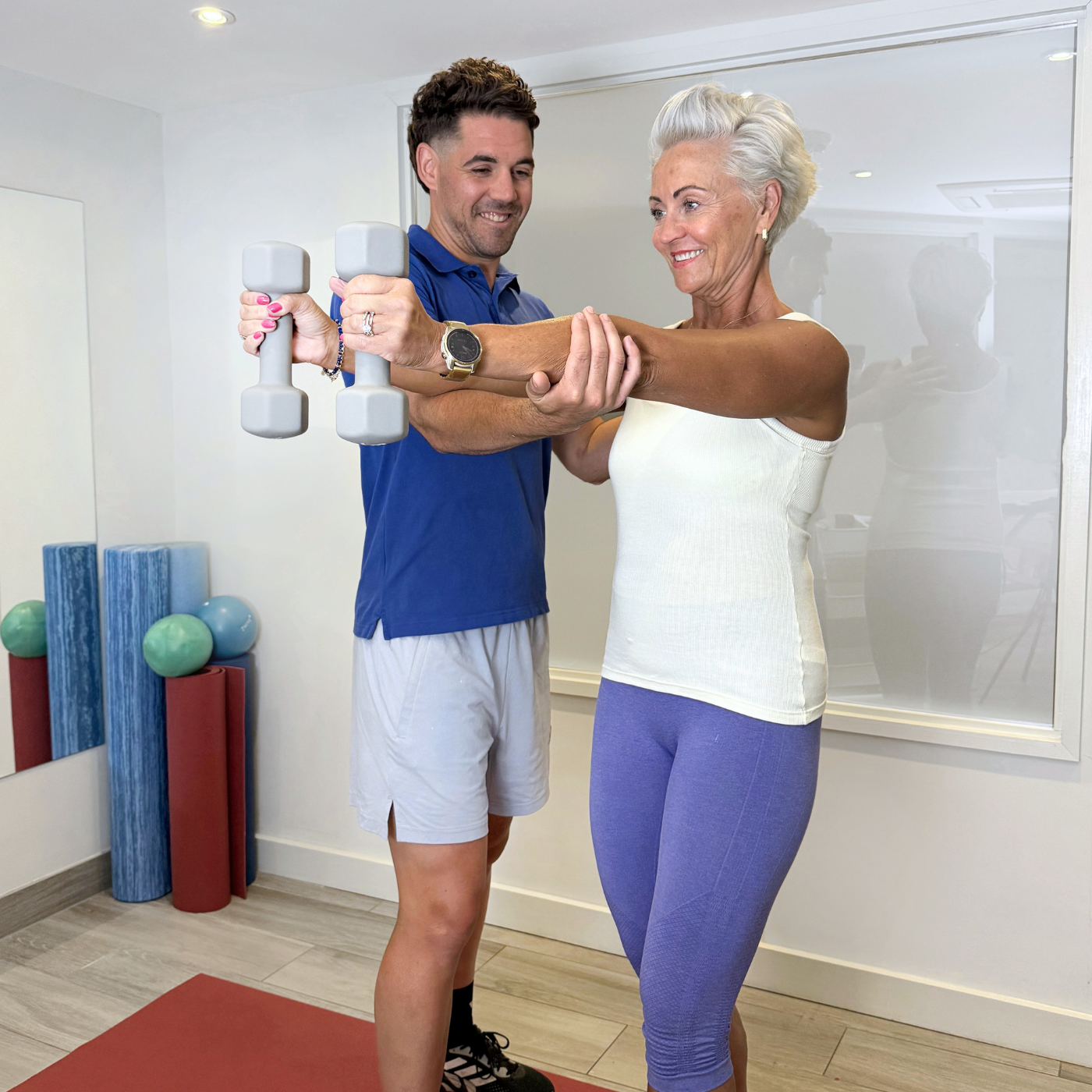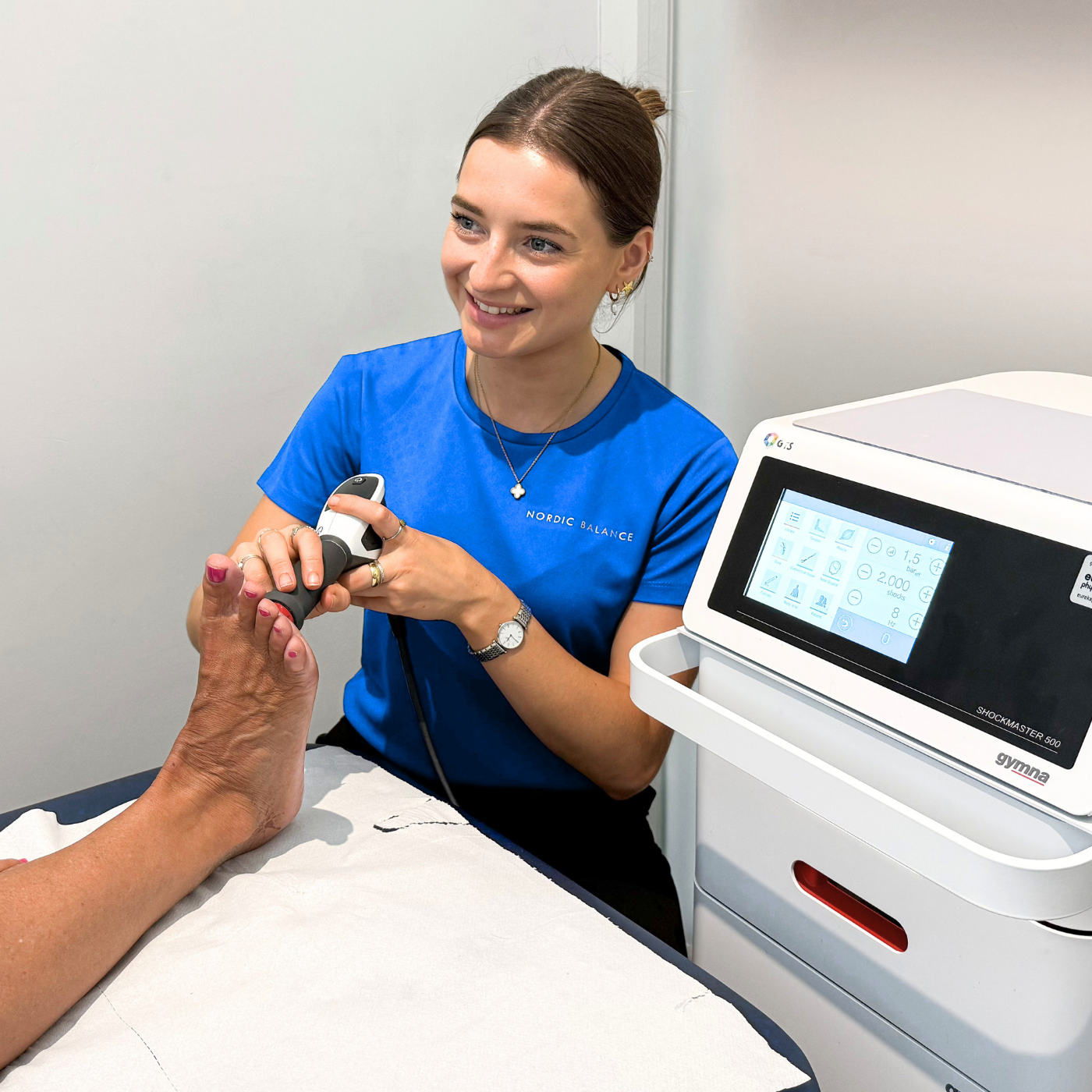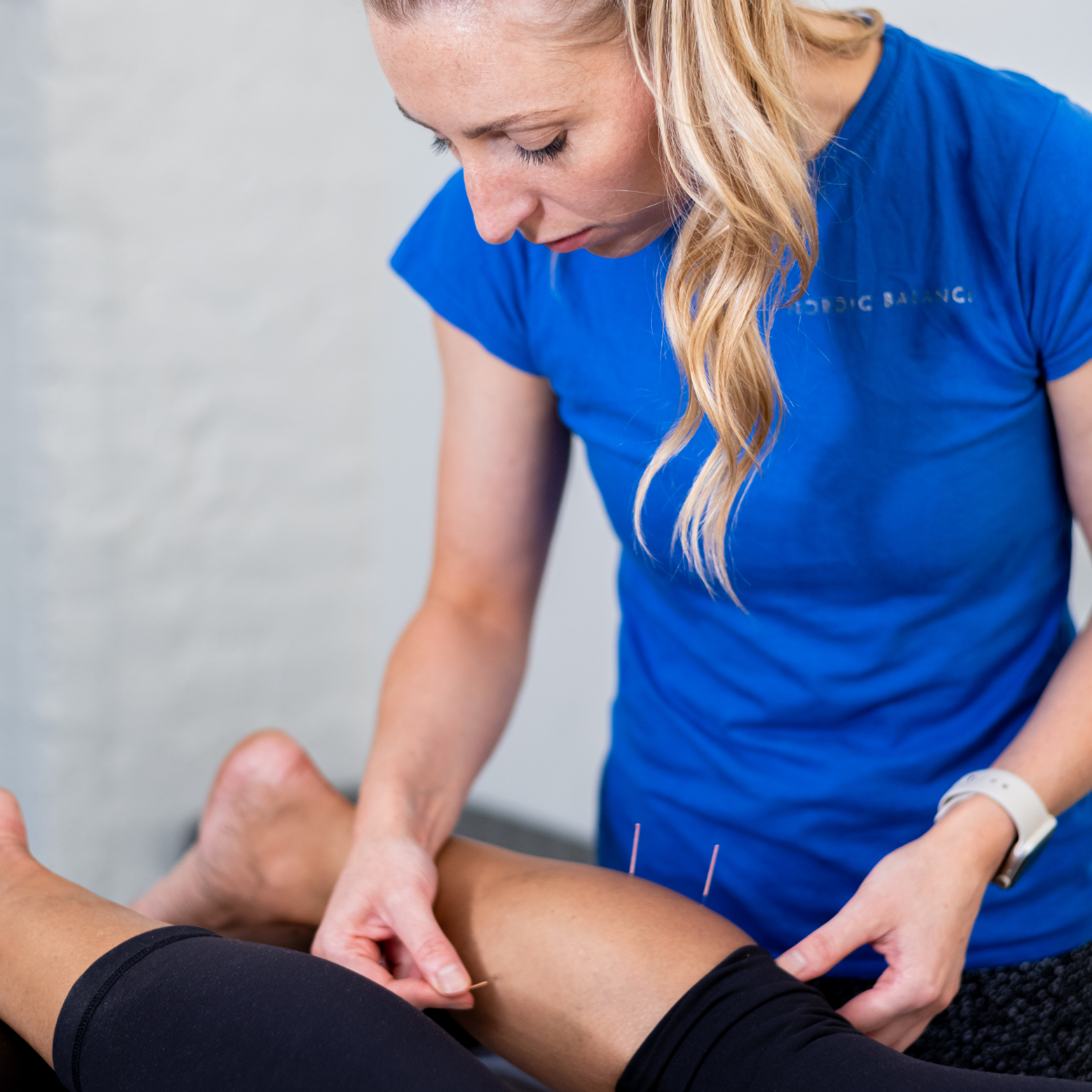
Getting back to exercise after having a baby is rarely as simple as reaching six weeks and picking up where you left off. Your starting point depends on your pregnancy and birth, your pre-pregnancy activity level, how your body is recovering, and what you want to return to. For one woman, that might mean walking comfortably with the buggy. For another, it could be strength training, Pilates, running or competitive sport.
The encouraging part is that movement can begin much earlier than many women assume. After a straightforward birth, gentle walking, stretching and pelvic floor exercise can usually start as soon as you feel ready.
This guide will help you understand what exercise can look like at different stages, which symptoms are worth paying attention to and how to build back towards the activity you enjoy.
Quick Links
- Returning to exercise after birth
- Exercise in the first 6 weeks after birth
- Building exercise from 6–12 weeks postnatal
- Pelvic floor and abdominal recovery after pregnancy
- Returning to running and higher-impact exercise after pregnancy
- Signs your body may need more time or support
- Returning to exercise after a caesarean or a more complex birth
- Breastfeeding, sleep and recovery
- How pelvic health physiotherapy can help after pregnancy
- Building back to the exercise you enjoy
Returning to exercise after birth
No single postnatal timetable works for everyone. Your recovery may be influenced by the type of birth you had, stitches or wounds, pain, pelvic floor symptoms, abdominal changes, sleep, feeding, energy levels and how physically active you were before and during pregnancy.
The weeks after birth are therefore better treated as a rough framework rather than a series of deadlines. A useful rule is to build from what feels manageable now and watch how your body responds afterwards. Feeling good during a session is encouraging, but also notice whether pain, heaviness, leakage or excessive fatigue appears later that day or the following morning.
Progress does not need to be dramatic to count. A slightly longer walk, getting up from the floor more easily or feeling stronger carrying your baby are all signs that your capacity is beginning to return.
Exercise in the first 6 Weeks after birth
The early weeks are about recovery, but recovery does not have to mean complete inactivity. If you had a straightforward birth and feel well enough, NHS guidance supports beginning gentle movement as soon as you feel ready. Walking, gentle stretches and pelvic floor and abdominal exercises can all have a place. Your starting point might be a few minutes of walking, then gradually increasing the distance as it becomes comfortable.
Early postnatal exercise can include
- Short, comfortable walks
- Gentle mobility
- Pelvic floor exercises
- Gentle abdominal activation
- Everyday movement around the home
According to RCOG, you can begin pelvic floor exercises early after birth, and they can help rebuild the muscles involved in bladder and bowel control and pelvic support. It is normal for these muscles to feel weaker or harder to engage at first than before pregnancy.
There is no benefit in turning these first weeks into a test of how quickly you can regain your previous fitness. You have plenty of time to make exercise harder.
Building exercise from 6–12 Weeks postnatal
Around six to eight weeks, many women have their routine postnatal check. This can be a good time to discuss any ongoing symptoms and consider gradually increasing exercise. It is not, however, an automatic green light for everything you did before pregnancy. If recovery is going well, this stage might include longer walks, low-impact cardiovascular exercise and a gradual return to strength training.
You could begin rebuilding with:
- Longer or brisker walks
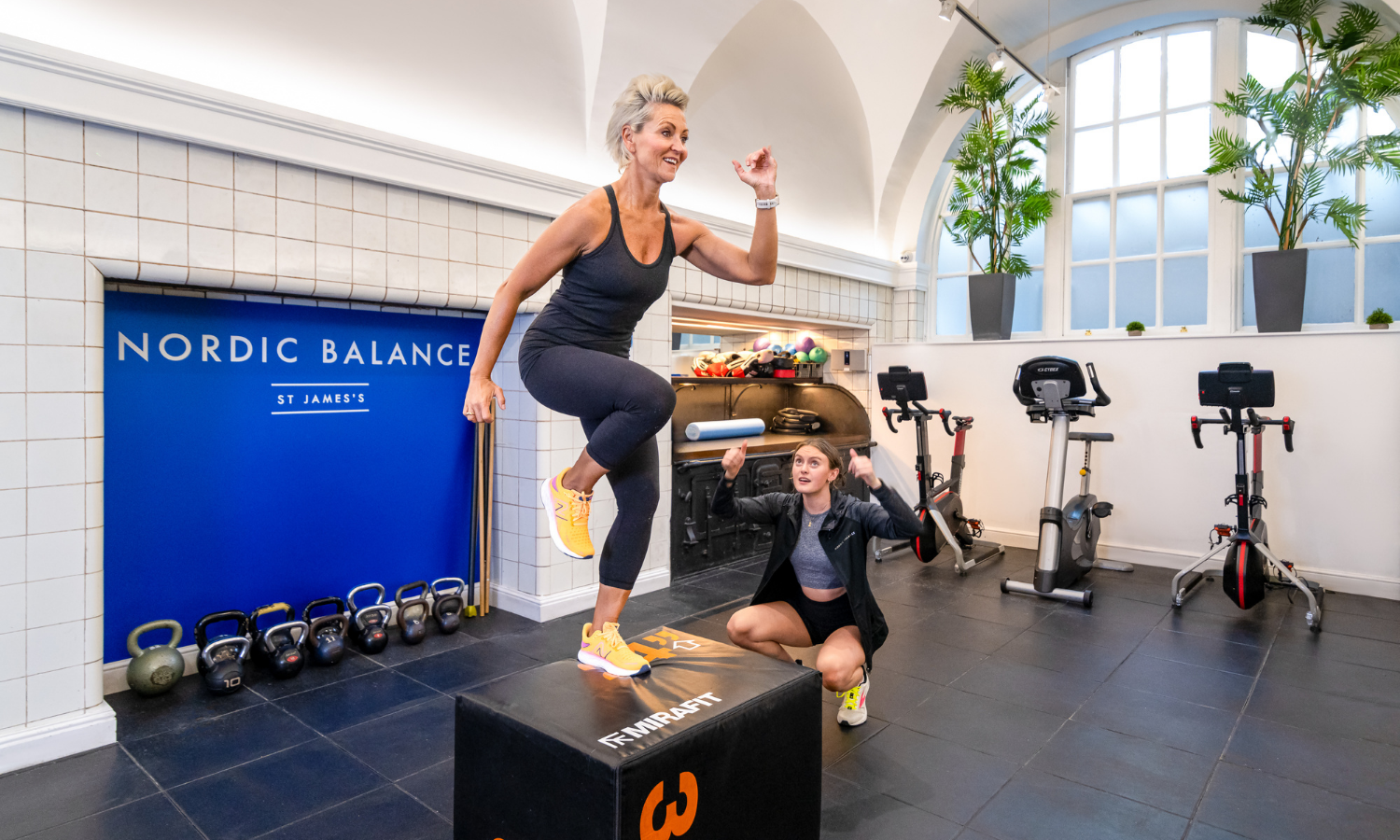
- Low-impact gym training
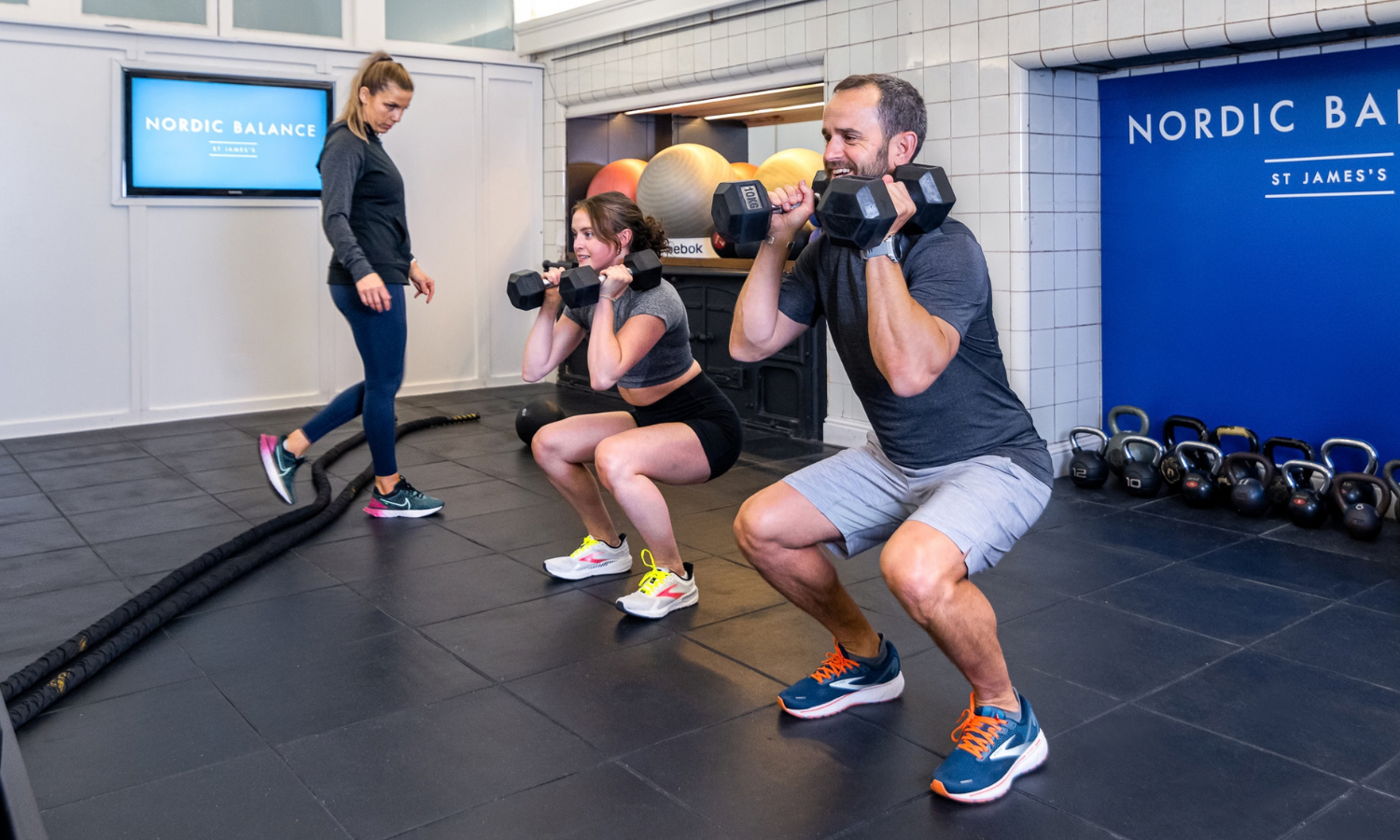
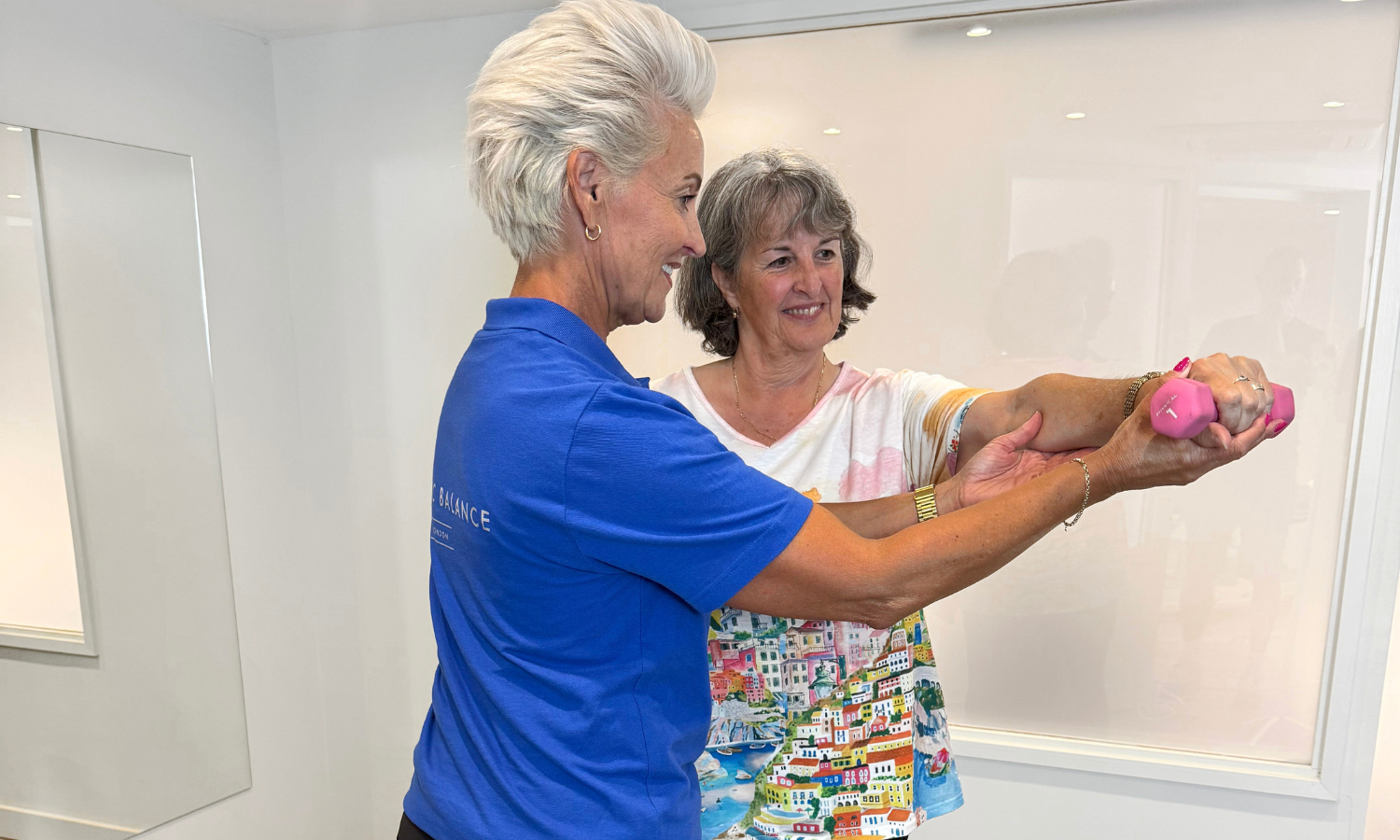
- Progressive resistance exercise
- Postnatal Pilates or suitable classes
- Cycling where comfortable
- Swimming once it is appropriate for your recovery
- More challenging pelvic floor and abdominal exercise
The Nordic Balance guidance has always emphasised gradual progression through this period rather than jumping directly back into previous training loads. The weights you use may initially be lighter and sessions shorter than before pregnancy. That is not going backwards. You are allowing your body to adapt again.
Pelvic floor and abdominal recovery after pregnancy
Pregnancy and childbirth place considerable demands on the pelvic floor and abdominal wall, regardless of how your baby was delivered. Some women notice very little. Others experience leaking, heaviness, abdominal weakness, back or pelvic discomfort, or uncertainty about whether they are using these muscles effectively.
Pelvic floor exercises are recommended after birth, particularly if bladder control has changed. NHS and RCOG guidance also encourage seeking help if symptoms persist or affect everyday life.
Your abdominal muscles may also feel very different. An abdominal separation, or diastasis recti, is common following pregnancy. What matters for returning to exercise is not simply how your stomach looks, but how comfortably and effectively you can manage increasing movement and load. Rehabilitation can progressively rebuild these areas alongside the rest of the body rather than treating the pelvic floor or core as something that needs to be completely “fixed” before you are allowed to exercise.
Returning to running and higher-impact exercise after pregnancy
Running asks considerably more of the body than walking. Each step involves repeated impact, while the muscles of the legs, trunk and pelvic floor need to manage that load again and again. That is why being comfortable walking around does not automatically mean you are ready for a 5K.
NHS guidance suggests discussing high-impact exercise such as running at your six-to-eight-week postnatal check. More recent international return-to-running guidance goes further, recommending that the decision is individual rather than based on a universal postnatal date.
Build towards running before you start running
Before your first run, it can be useful to rebuild a base of:
- Comfortable walking
- Lower-body strength
- Calf strength
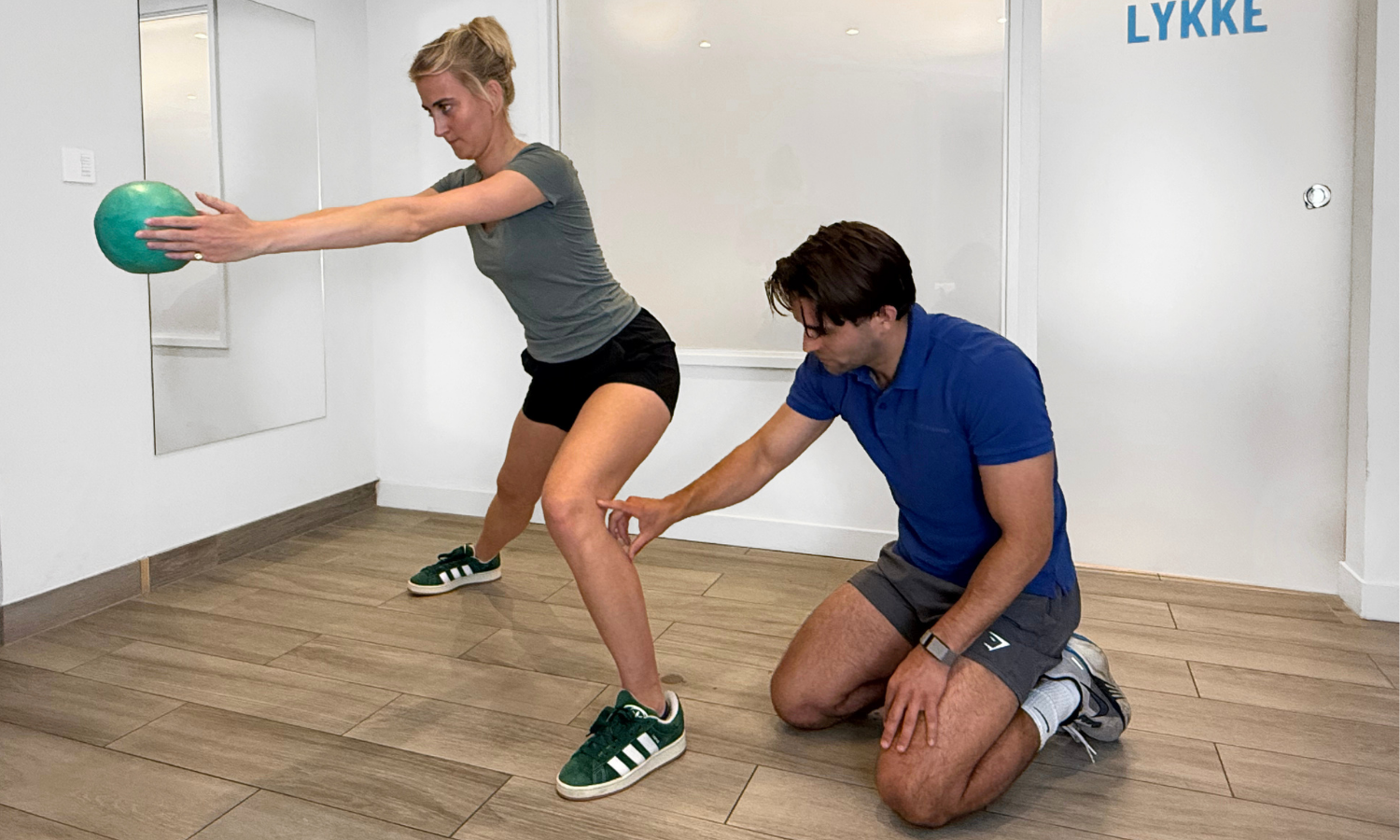
- Single-leg control
- Cardiovascular fitness
- Pelvic floor function
- Tolerance for gradually increasing impact
When you return to running, it doesn’t have to start with your old route or pace.
International consensus from PubMed supports gradual walk-run progressions, steady increases in activity, and targeted strength work alongside running. You might therefore progress from brisk walking to short walk-run intervals before building continuous running. The goal is not simply to complete your first run after having a baby. It is to get back to running in a way you can continue.
Signs your body may need more time or support
You don’t need to wait until symptoms become severe to ask for help.
Pay attention if increasing exercise brings on:
- Urine or bowel leakage
- A feeling of heaviness or pressure in the pelvis
- Pelvic pain
- Persistent back or hip pain
- Pain around a caesarean or perineal scar
- Abdominal discomfort that limits exercise
- Symptoms that become progressively worse as training increases
Bladder leakage and pelvic heaviness are recognised postnatal symptoms, and specialist physiotherapy can help when they persist. These symptoms do not necessarily mean you need to stop exercising altogether. They are a reason to adjust what you are doing and understand what your body currently needs rather than repeatedly pushing through.
Also seek medical advice promptly for symptoms that are not simply exercise-related, including sudden or very heavy postnatal bleeding, chest pain, breathing difficulty, fever or pain and swelling in one calf.
Returning to exercise after a caesarean or a more complex birth
A caesarean is major abdominal surgery as well as a birth, so early recovery may take longer. Likewise, assisted delivery, significant perineal tearing, complications during pregnancy or birth, or persistent pelvic and back pain may all change how quickly exercise can progress.
NHS guidance recommends seeking individual advice before returning to strenuous activity after a caesarean or more complicated delivery. The principle is not necessarily to delay everything. It is to find the right starting point.
Early walking and gentle movement may be appropriate while you recover, followed by progressively more demanding strength and cardiovascular work as comfort, healing and capacity improve. If you are not sure what is appropriate, a postnatal physiotherapy assessment can help give that progression some structure.
Breastfeeding, sleep and recovery
Your exercise programme does not exist separately from the rest of postnatal life. A perfect training plan is not particularly useful if you have slept for four broken hours, your baby has changed the day’s schedule, and you barely had time to eat lunch. Sleep, energy, breastfeeding and the demands of caring for a baby can all affect what feels realistic from one week to the next.
Moderate exercise is compatible with breastfeeding, and NHS guidance recommends a balanced diet, adequate fluids and enough rest rather than a special exercise diet. Some days you may feel ready to train. Other days a walk is enough. A flexible programme that survives real life will usually be more useful than one that makes you feel as though you have failed whenever the week changes.
How pelvic health physiotherapy can help after pregnancy
You do not need pelvic health physiotherapy simply because you have given birth. But it can be particularly useful if you have symptoms, are unsure how your body is recovering or want expert guidance before returning to more demanding exercise.
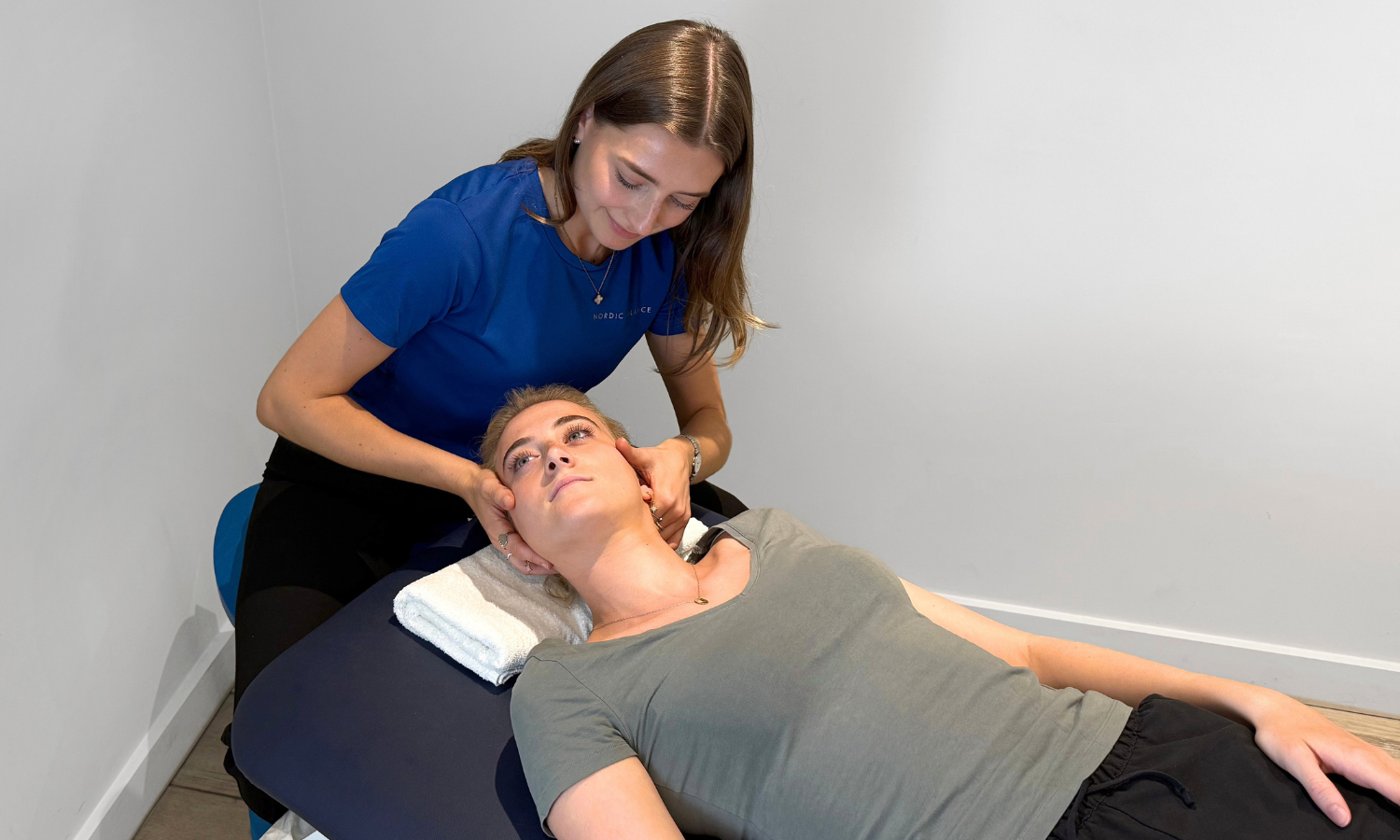
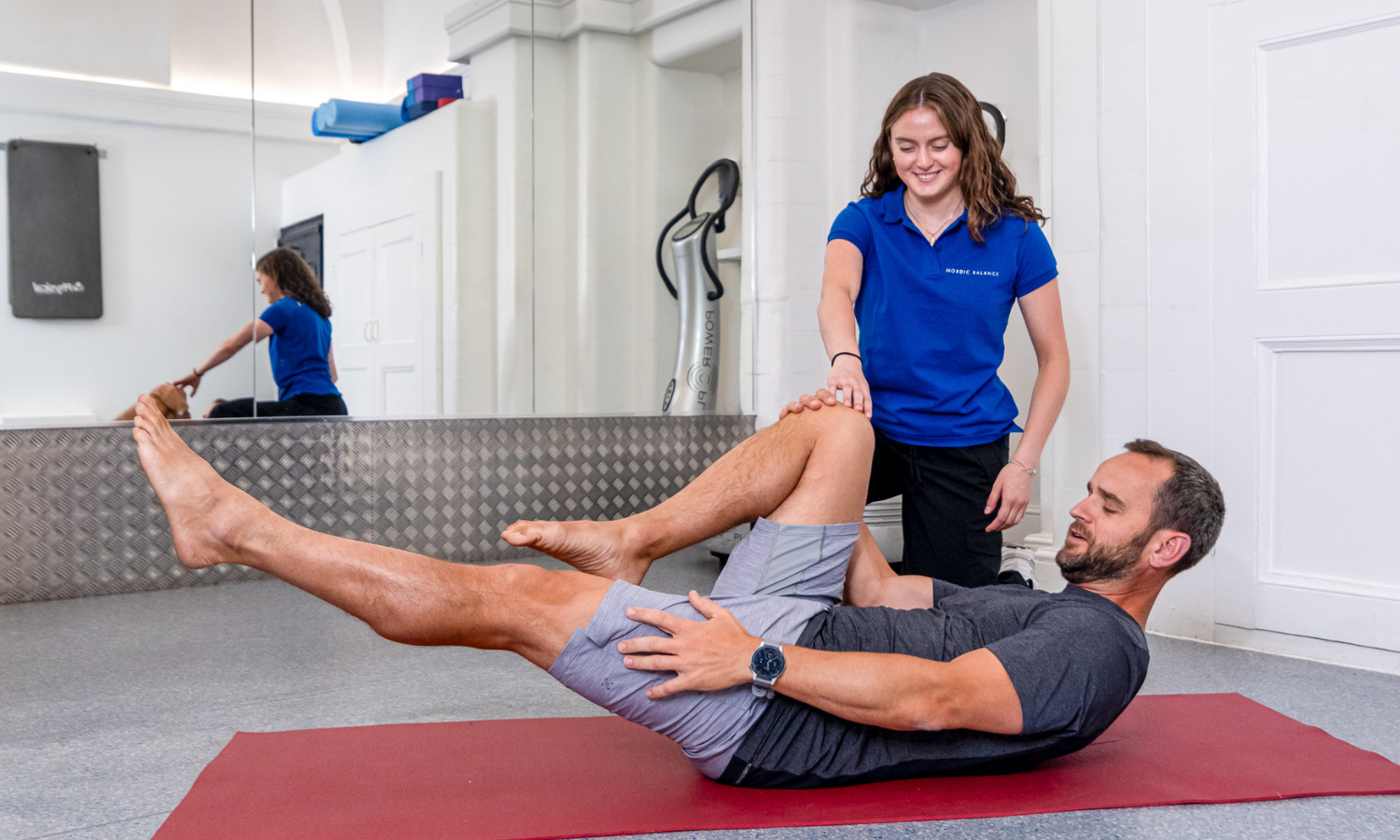
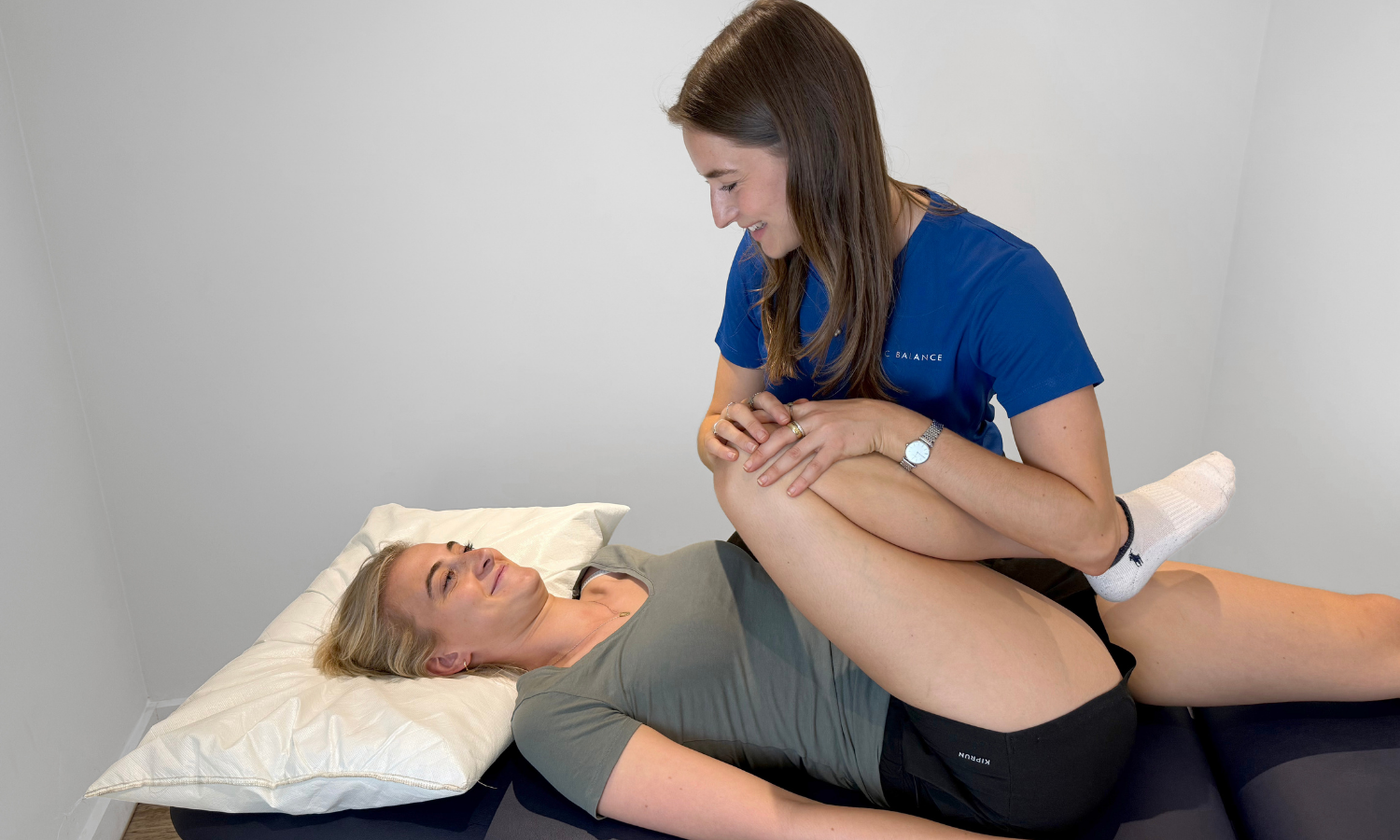
From around six weeks postpartum, a Nordic Balance Post-Pregnancy Physiotherapy Assessment can look at areas including:
- Pelvic floor function
- Abdominal strength and diastasis
- Movement and overall strength
- Back, hip or pelvic pain
- Caesarean or perineal scar recovery where relevant
- Bladder or bowel symptoms
- Your planned return to gym training, running or sport
The purpose is to give you a clearer picture of how your body is recovering and a rehabilitation plan shaped around what you want to get back to. That might mean addressing a particular symptom. Or it might simply mean answering the question: “Am I ready to start doing more?”
Building back to the exercise you enjoy
Returning to exercise after pregnancy should eventually become less about being “postnatal” and more about doing the things you enjoy again. That could mean getting back underneath a barbell, completing your first run, returning to tennis, joining a class or simply feeling strong enough that exercise fits naturally into your life again.
There is no prize for doing it at six weeks, twelve weeks or six months. Current return-to-running research supports individual progression based on factors such as symptoms, previous training, strength, recovery, sleep, mental health and what the woman actually wants to achieve. So use the weeks as landmarks, not deadlines.
Start where your body is now. Build steadily. Adjust when you need to. And if something is getting in the way, get enough information to understand it rather than assuming you simply have to live with it. The goal is not to get your “old body back”. It is to help the body you have now become strong and capable enough for what you want to do next.
For personalised guidance on post-pregnancy recovery and return to exercise, contact Nordic Balance today.
Sources
Current guidance used to review and develop the advice includes the NHS guidance on exercising after birth and postnatal recovery, RCOG pelvic floor guidance, and the 2024 international consensus statements on postpartum return-to-running readiness and training progression.