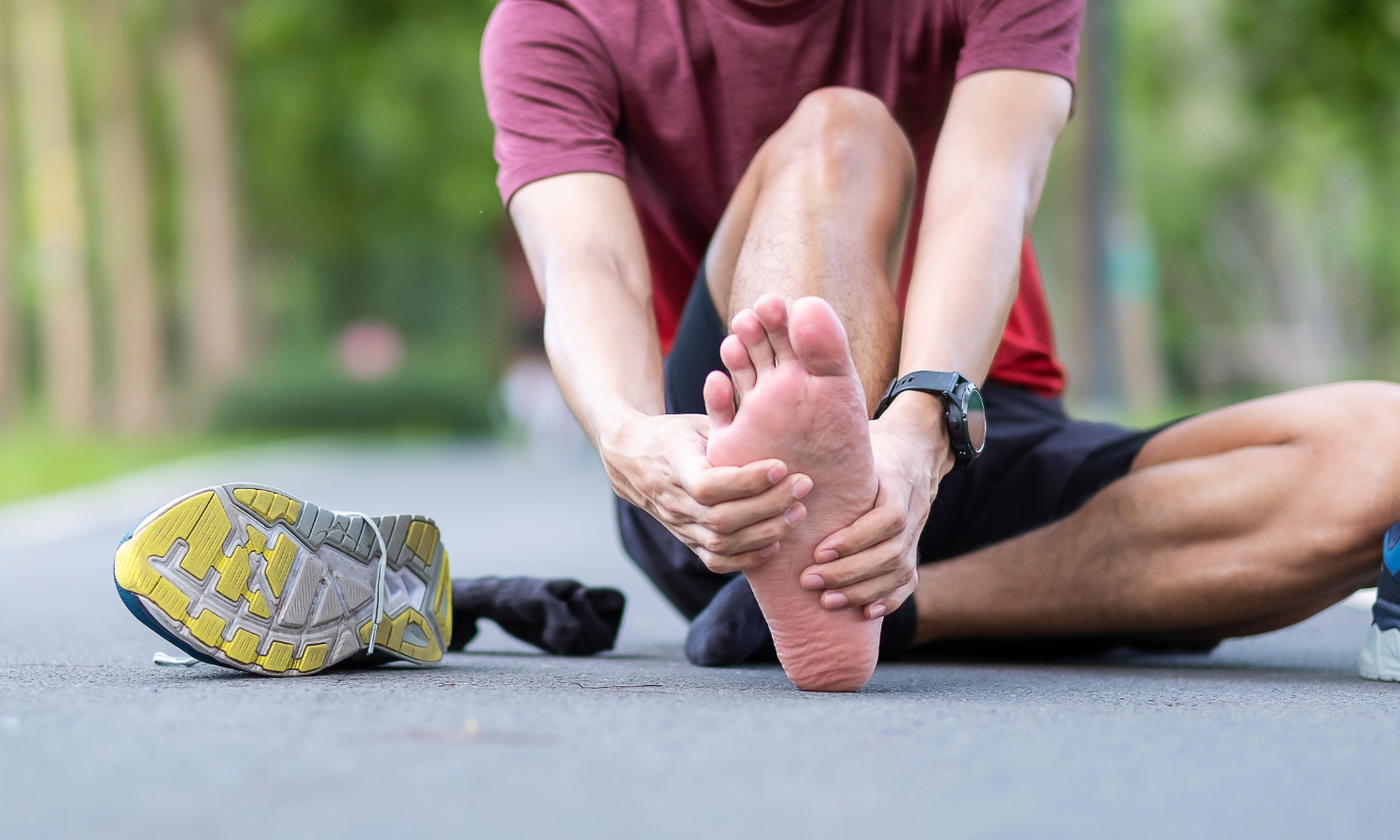
Heel pain can quickly turn an enjoyable run into something you start dreading. Plantar fasciitis is a common condition among runners. It affects the plantar fascia, the thick band of tissue that runs along the bottom of your foot and connects your heel bone to your toes.
Whether you’re trying to prevent it or already noticing discomfort when you take your first steps in the morning, there are practical ways to support your feet, manage your training and help plantar fasciitis recover. This guide shares our physiotherapists’ tips for preventing and managing plantar fasciitis, including what to do if it starts interfering with your running.
What does Plantar Fasciitis feel like?
The most common symptom of plantar fasciitis is pain around the heel or arch of the foot. The pain may feel sharp or dull and can become more noticeable when walking, running or after exercise.
One particularly recognisable pattern is pain that feels worse when you first start walking after sleeping or resting, then eases as you begin moving. It may become more noticeable again after prolonged standing, walking, or running. Other symptoms can include stiffness along the bottom of the foot, tenderness near the heel and, in some cases, swelling. Heel pain can have different causes, so if you think you have plantar fasciitis, it is worth getting a professional diagnosis rather than relying on symptoms alone.
Reduce the risk of Plantar Fasciitis
Support your feet
The right footwear can make a difference, especially when your feet repeatedly absorb load while running. No single running shoe fits everyone, so choose shoes that fit comfortably and provide the cushioning and support you need. Some runners may also benefit from insoles or custom orthotics. A biomechanical assessment and gait analysis can help identify whether you may benefit from orthotic support and provide more individual footwear advice.
Warm up before you run
Give your body time to prepare before heading straight into your usual pace. Spend at least five minutes warming up, focusing on dynamic movements that prepare your hips, quads, hamstrings, glutes and calves for the demands of running. You can also include movements that gently prepare the foot and plantar fascia.
Load management
Changes to your usual running environment can place different demands on your feet, especially if your body hasn’t had time to adapt. If you usually run on the same routes or surfaces, suddenly switching terrain or spending much more time walking or running somewhere different can take some adjustment.
Stretching & strength training
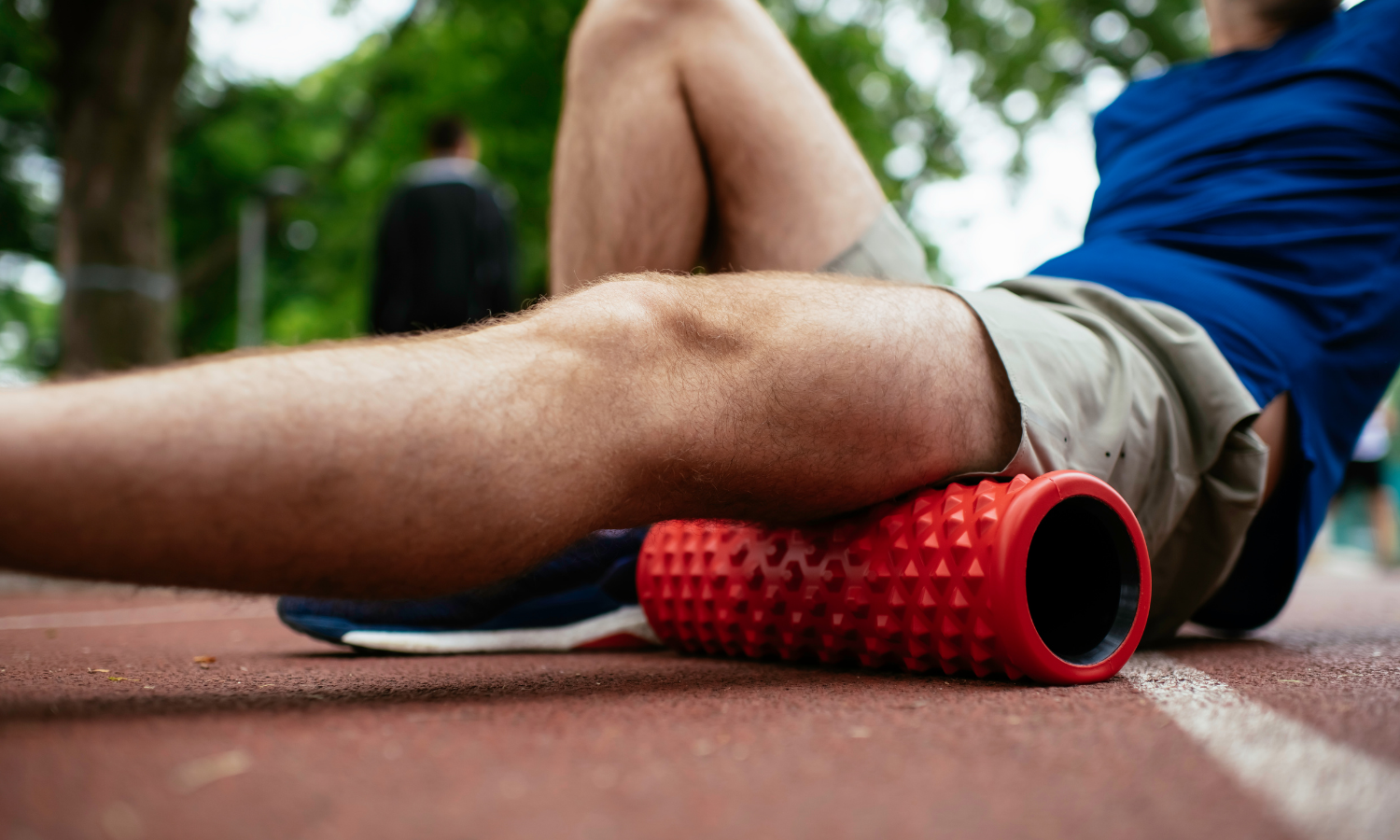
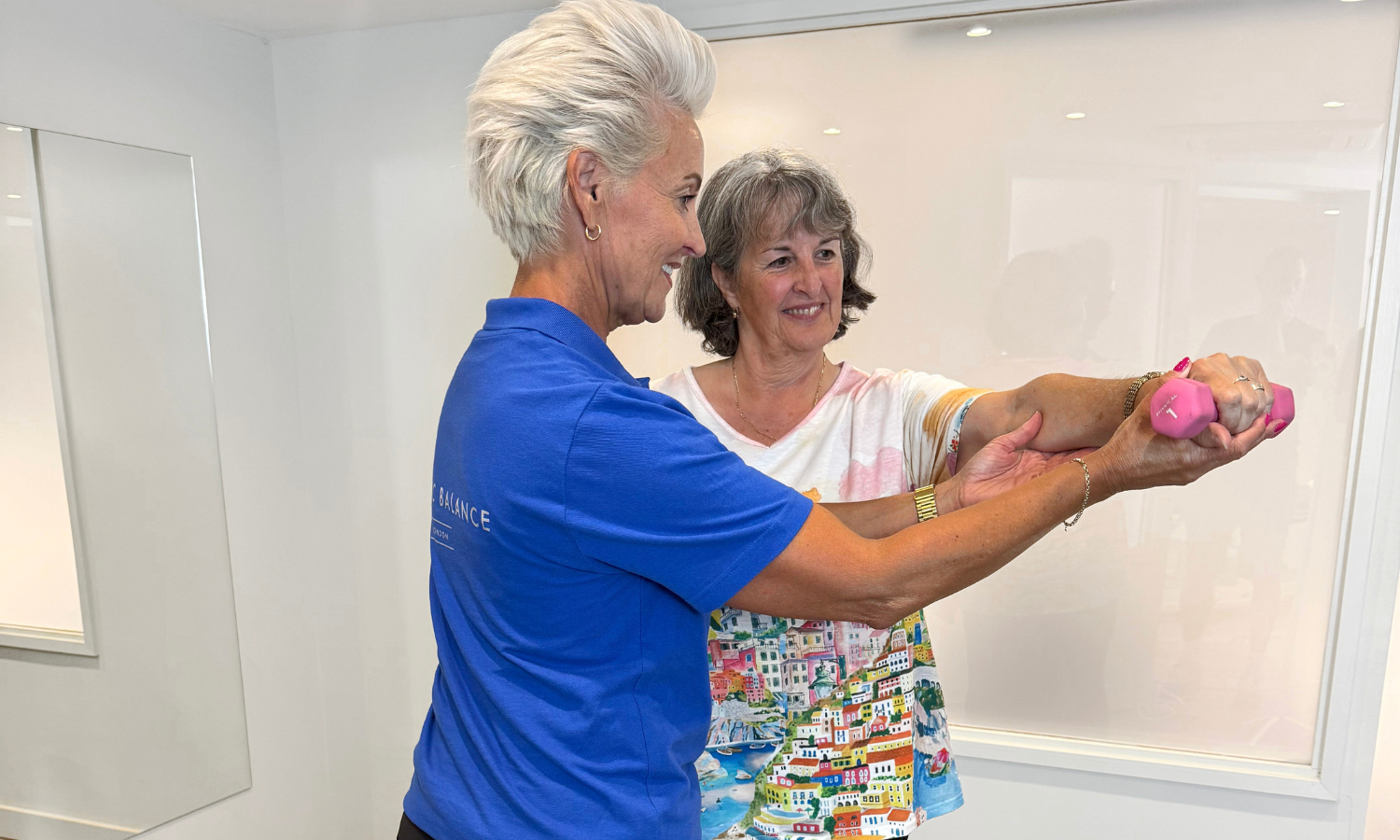
Stretching can help ease tightness through the calf and plantar fascia, but strength matters too. Building capacity in the calf, ankle, and foot muscles can help your body cope better with the repeated load of walking and running.
Calf raises
Stand with your feet about hip-width apart and slowly rise onto your toes before lowering with control. Start using both legs, then progress to single-leg calf raises or add weight as your strength improves.
Bent-knee calf raises
Slightly bend your knees and raise your heels from the floor while keeping the movement controlled. This places more emphasis on the soleus, an important calf muscle for running and walking.
Foot and arch strengthening
Exercises that challenge the foot’s smaller muscles can improve strength and control through the arch. Gently draw the ball of your foot toward your heel without curling your toes, then relax and repeat.
Plantar Fascia loading
A calf raise with the toes slightly elevated on a folded towel can place more load through the plantar fascia. Rise slowly onto your toes and lower with control. Progress this gradually as symptoms and strength allow.
Plantar Fascia and calf stretches
Stretching can still be useful alongside strengthening. The movement should feel gentle, not painful, so avoid forcing it.
Towel stretch
Loop a towel around your foot and gently pull it toward you until you feel a stretch through the calf and the bottom of your foot.
Standing calf stretch
Stand facing a wall with your heel on the ground and gradually lean forwards until you feel a comfortable stretch through the calf.
Seated plantar fascia stretch
Sit comfortably and gently pull your toes back towards you until you feel a stretch through the sole of the foot.
Keep strengthening movements controlled and gradually increase the load. If an exercise causes sharp pain or your symptoms worsen, stop and seek advice.
Running with Plantar Fasciitis
Having plantar fasciitis does not necessarily mean giving up running altogether. How much you can comfortably run depends on the severity of your symptoms. If you can run, start gently with shorter distances and gradually build back up as your foot adjusts.
Supportive, well-fitting shoes and cushioning such as insoles may help reduce pressure on the foot while running. Continue warming up before your runs and include the stretching and conditioning work recommended for you.
For mild cases, a period of around one to two weeks of reduced or modified activity may be enough before gradually returning. More significant cases can take longer, sometimes around six weeks or more, depending on your symptoms and the treatment your healthcare professional recommends. If running causes sharp pain, stop and seek professional advice instead of pushing through it.
Recovering from Plantar Fasciitis
Cross-train
Cross-training helps you maintain fitness while reducing some of the repetitive load of running. Activities such as cycling or swimming can be useful options while your foot recovers. They also let you work different muscles and vary your training instead of relying on running for every session.
Use ice to reduce swelling
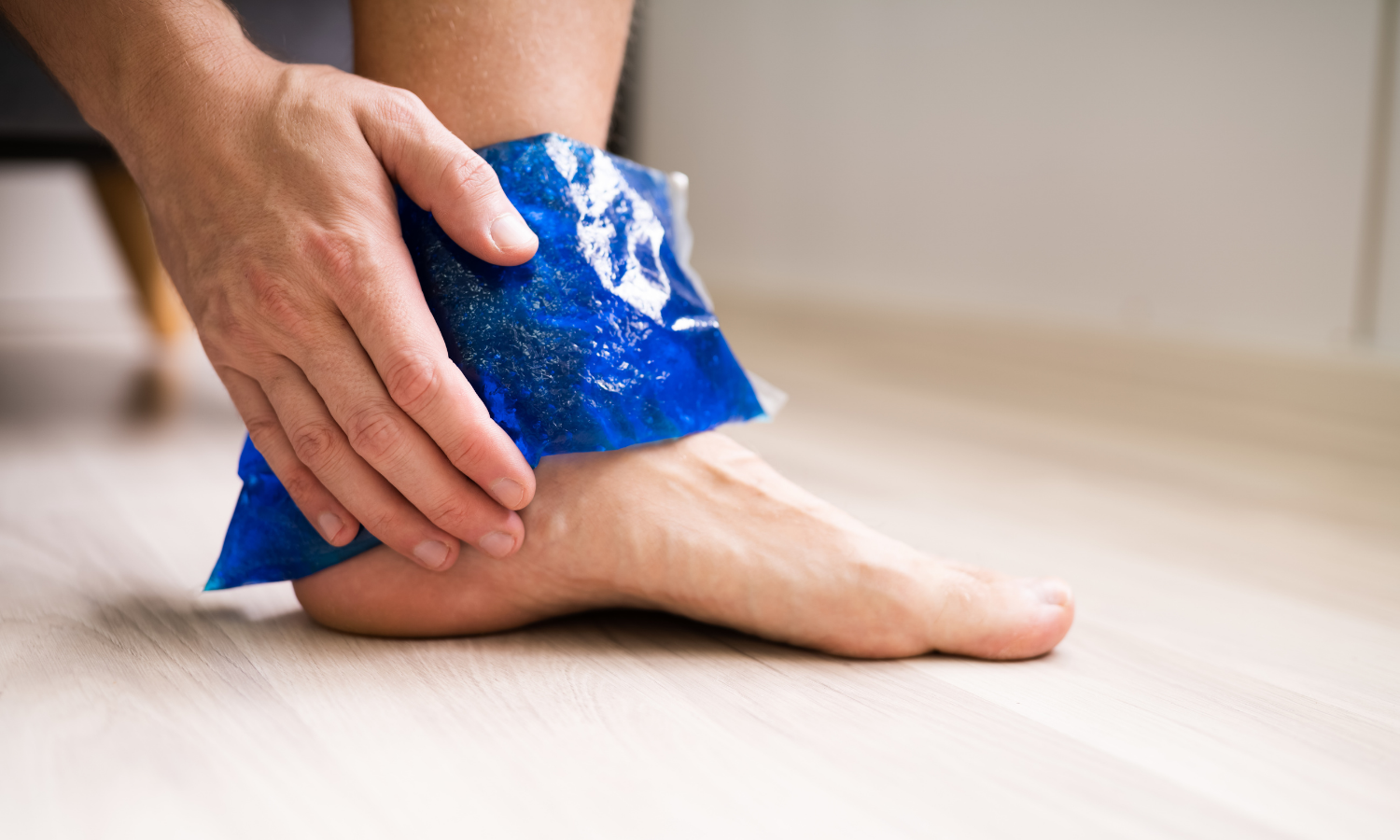
If your foot feels sore after activity, ice may help relieve pain. Wrap an ice pack in a towel and apply it to the painful area for up to 20 minutes at a time. Avoid placing ice directly against your skin.
Supportive footwear
Continue wearing comfortable, supportive footwear while symptoms settle, particularly if walking barefoot or wearing less supportive shoes makes the pain worse. Insoles, heel pads, or orthotics may also be part of your treatment, depending on your assessment.
Treatment for Plantar Fasciitis
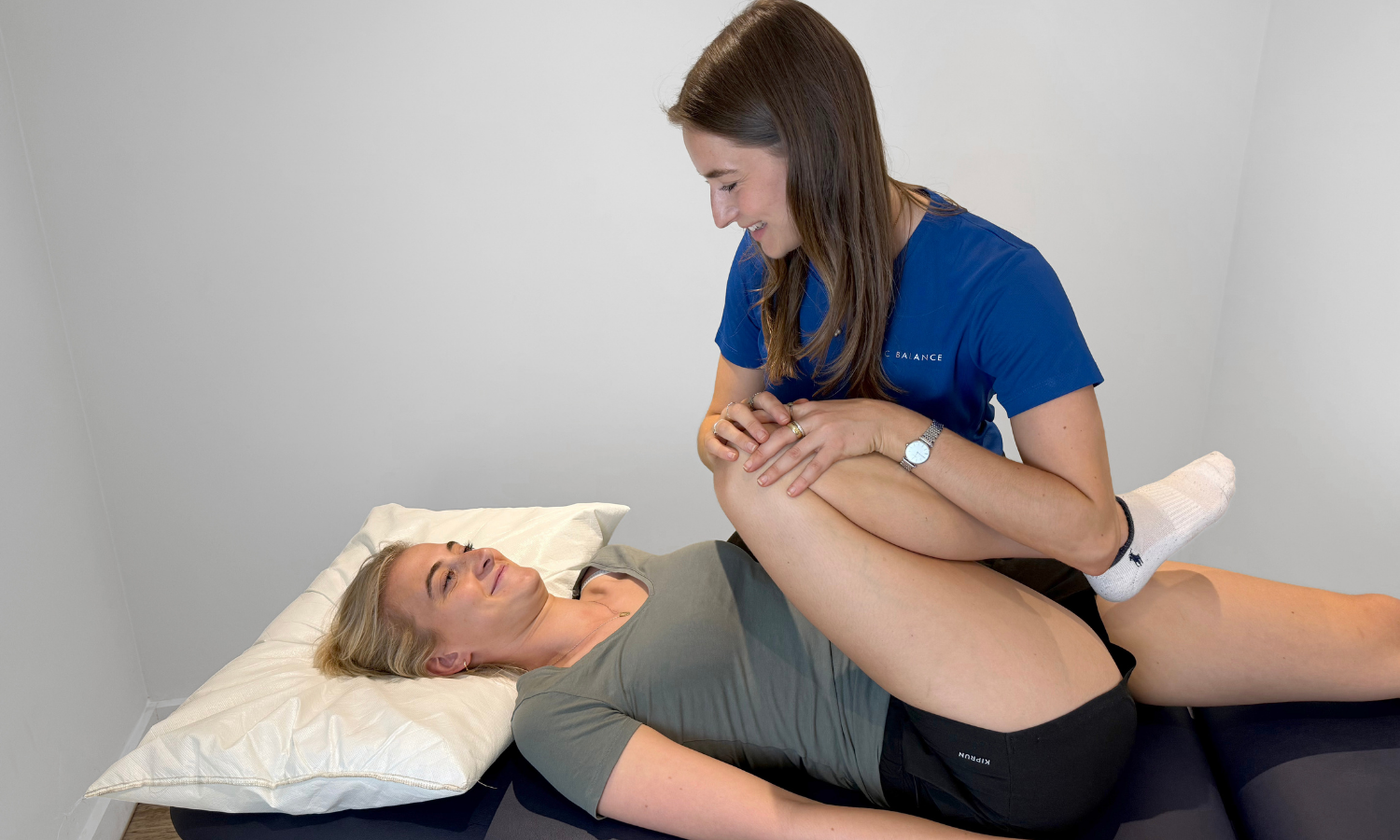
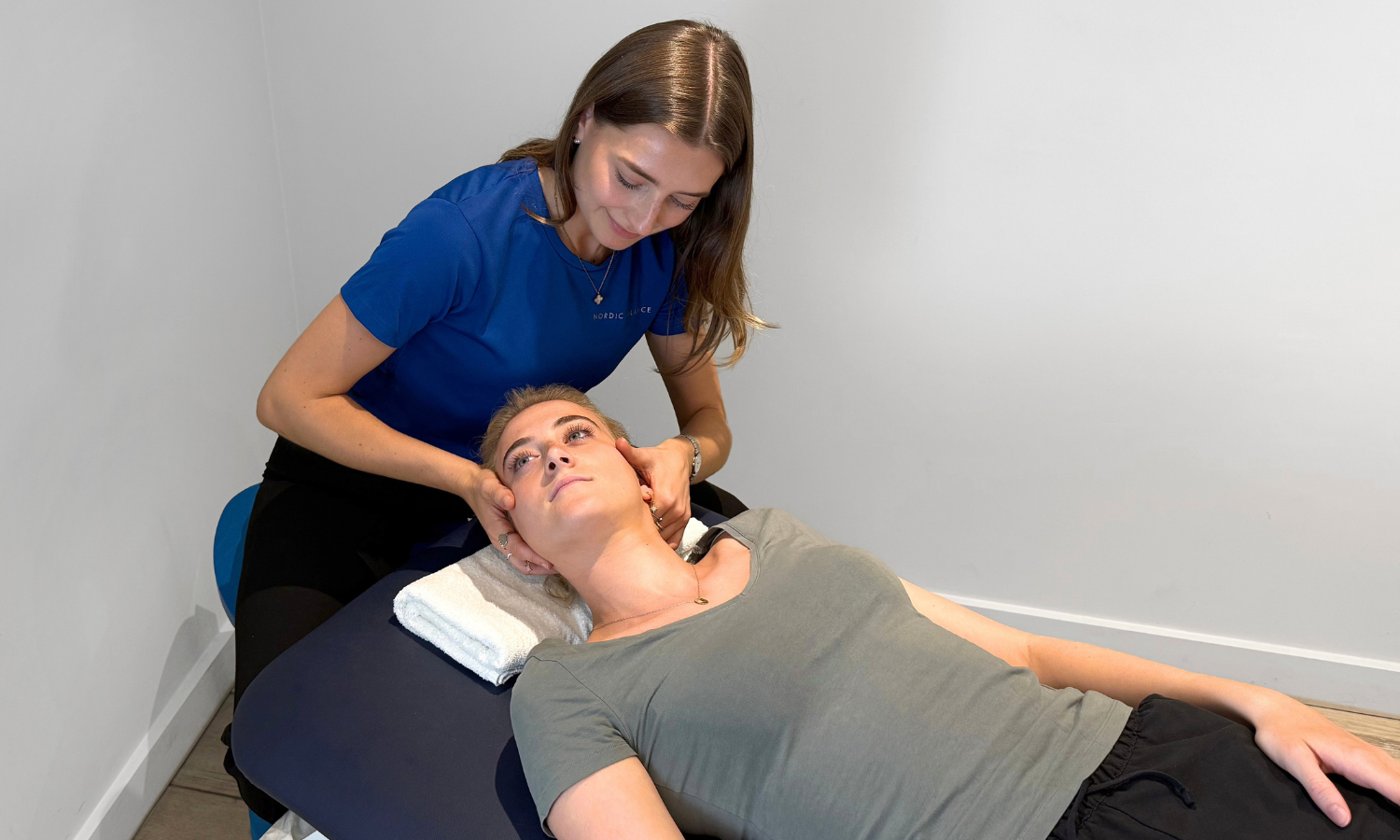
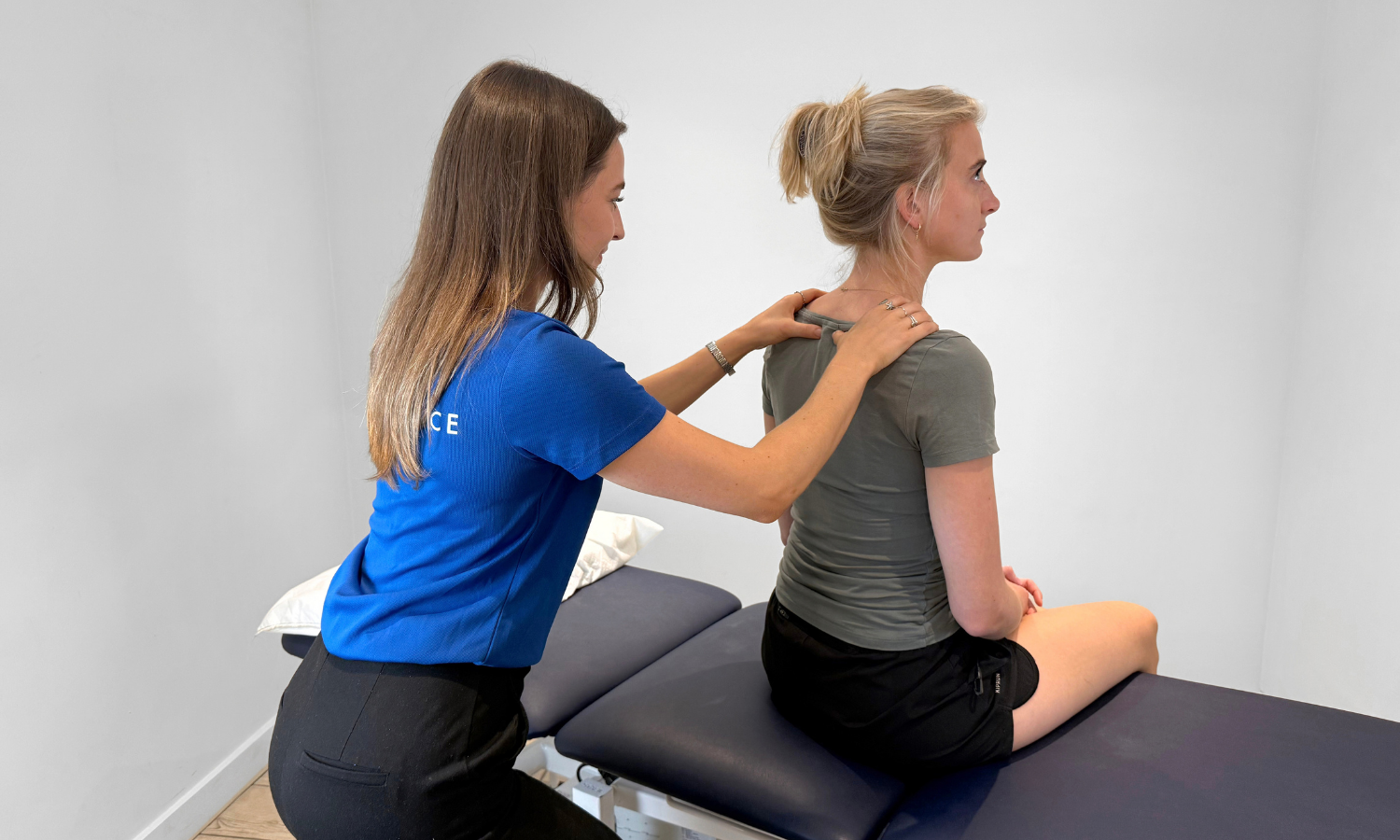
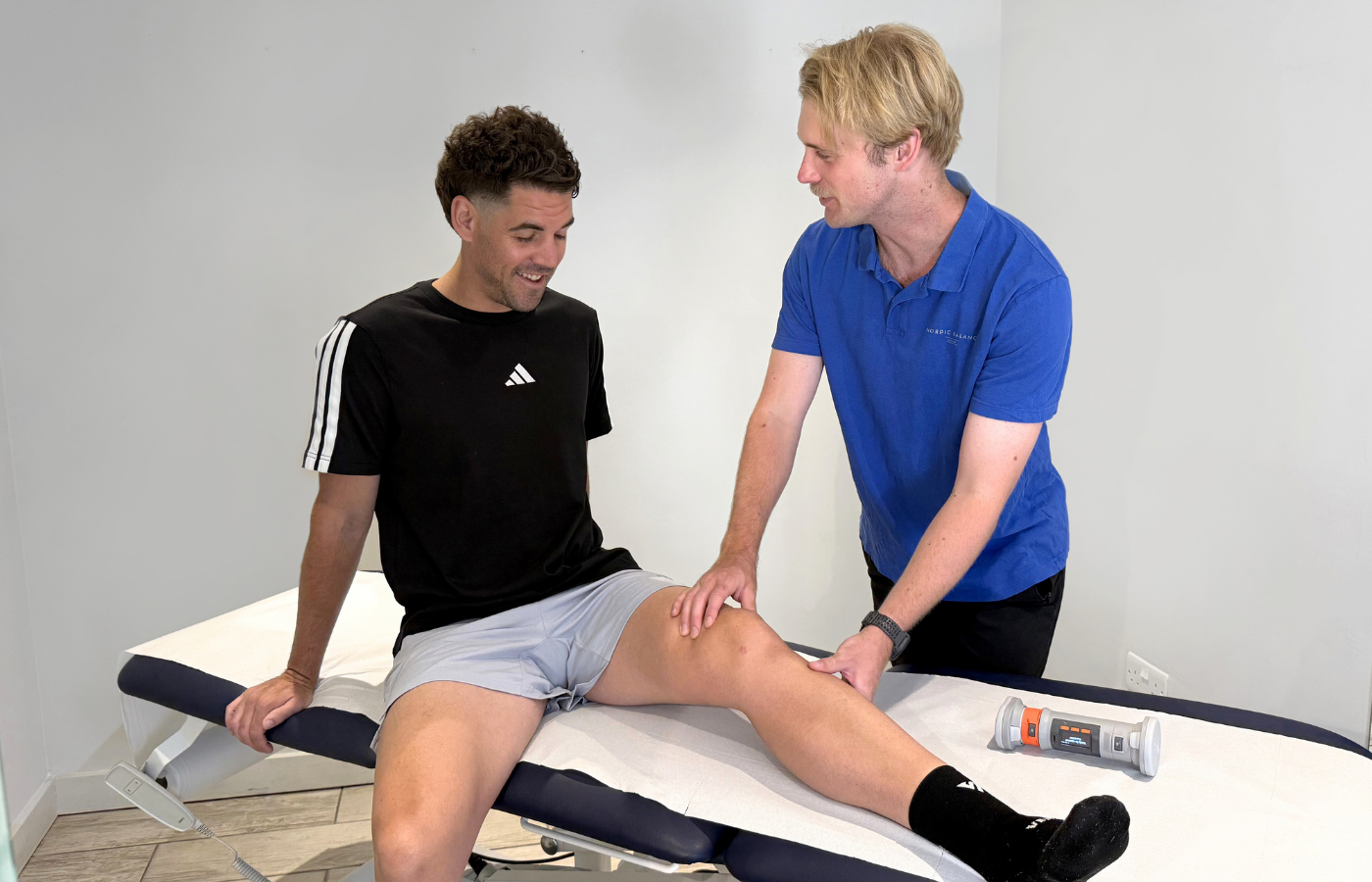
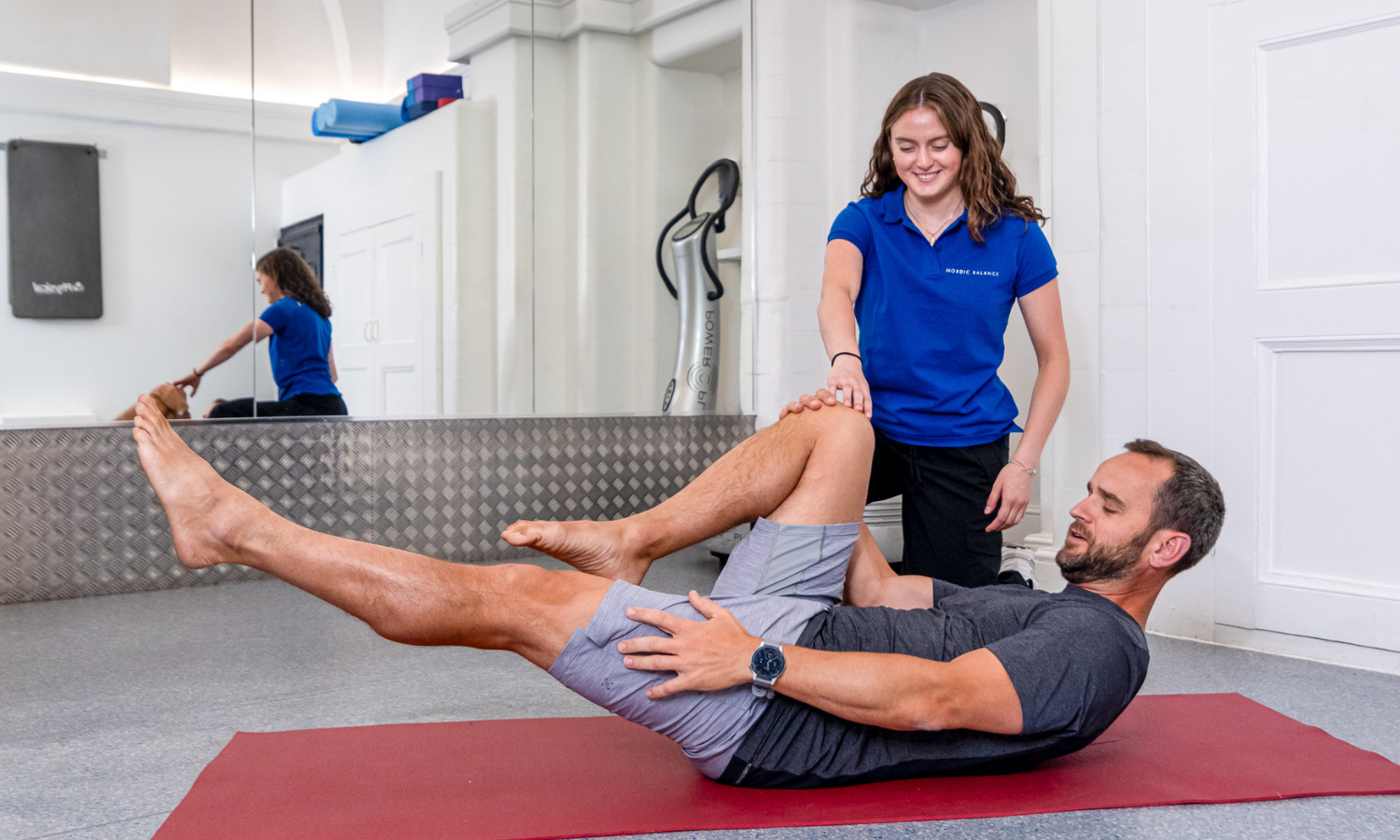
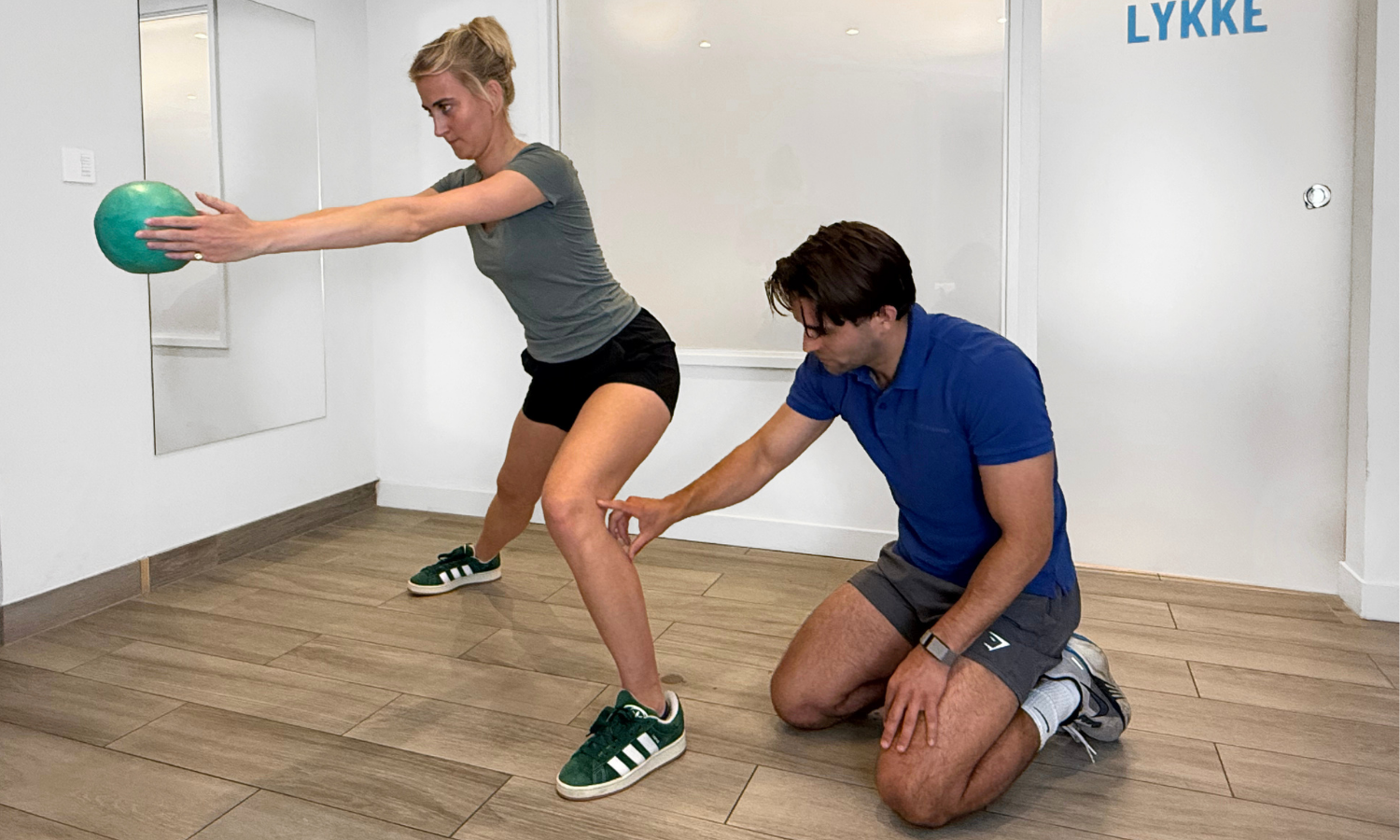
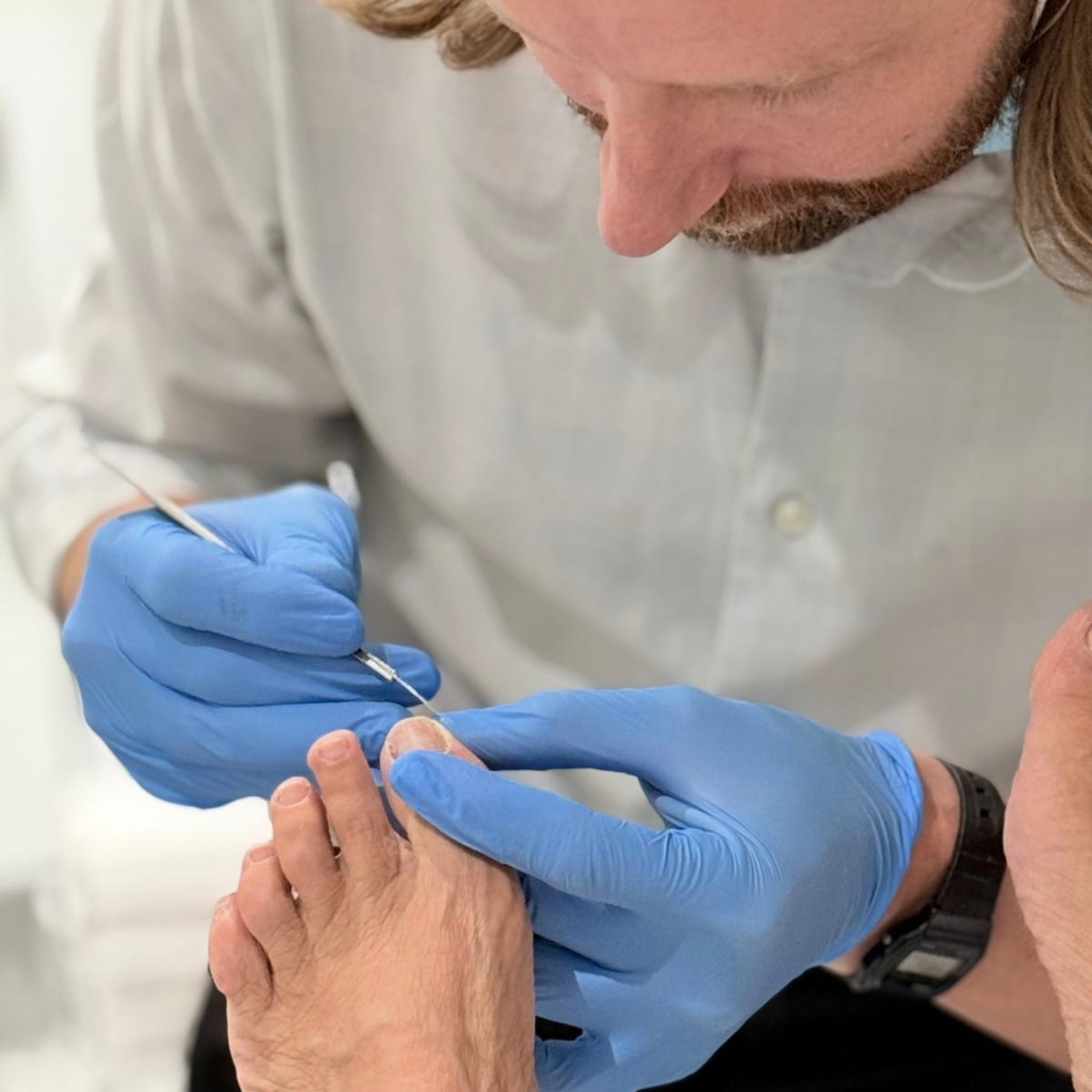
If heel pain is sharp, persistent or keeps returning when you run, it may be time to have your foot assessed. A physiotherapist or podiatrist can assess your symptoms, foot and ankle movement, strength, footwear, and running demands to help identify what may be contributing to the problem.
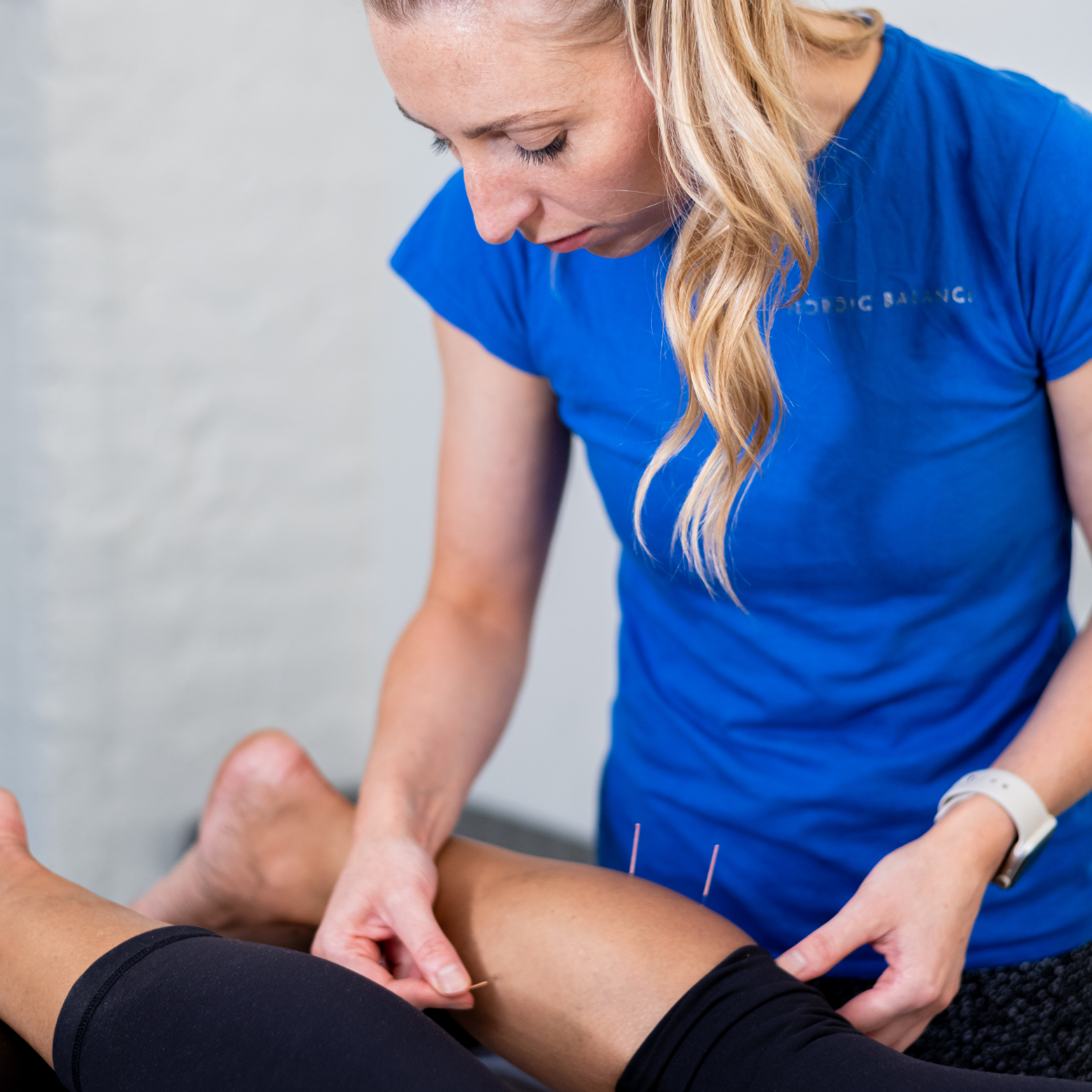
Getting an assessment can also help rule out other potential causes of heel pain and give you a clearer plan for returning to running. Your physiotherapist or podiatrist may recommend a combination of exercise, stretching, footwear advice, orthotics, changes to your running and other treatments depending on your assessment.
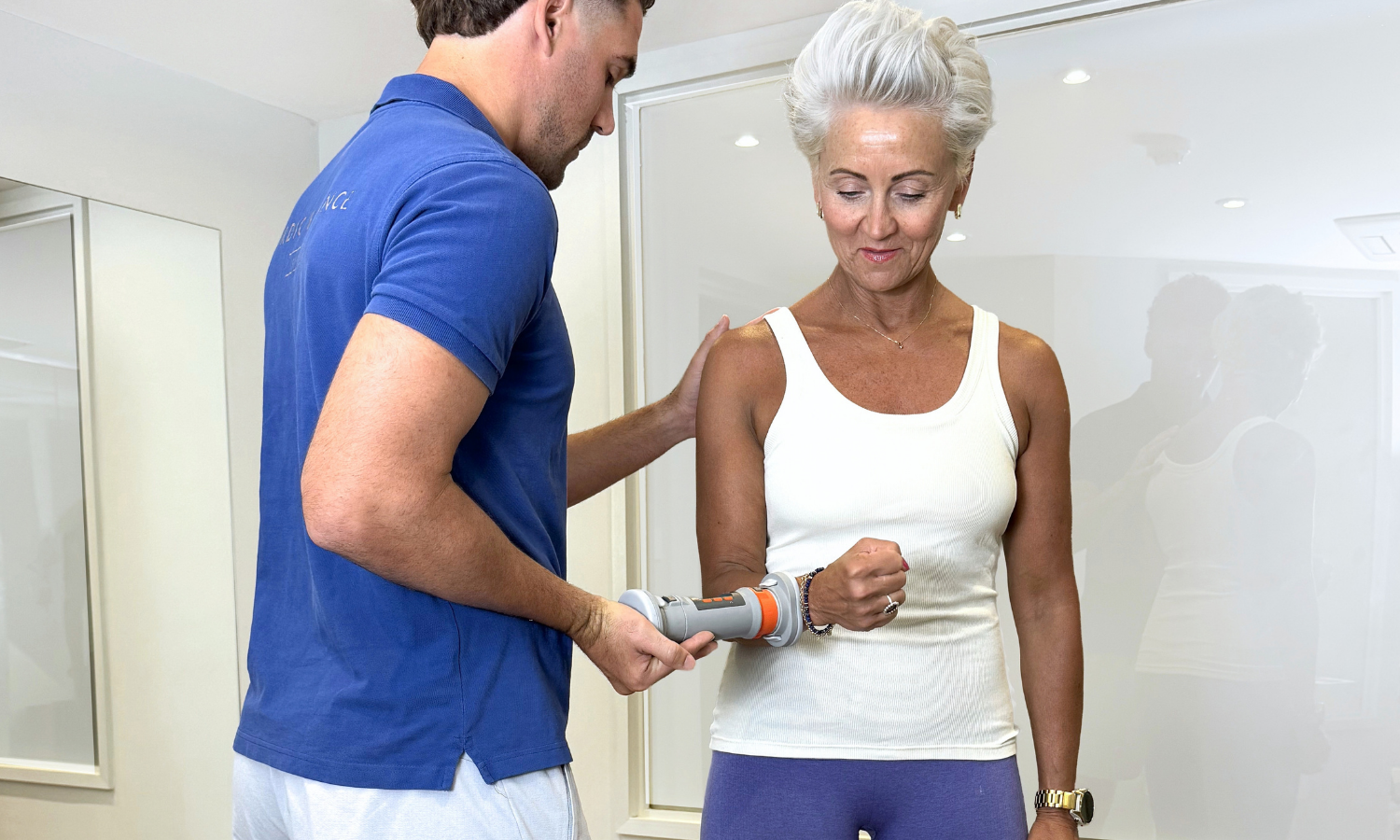
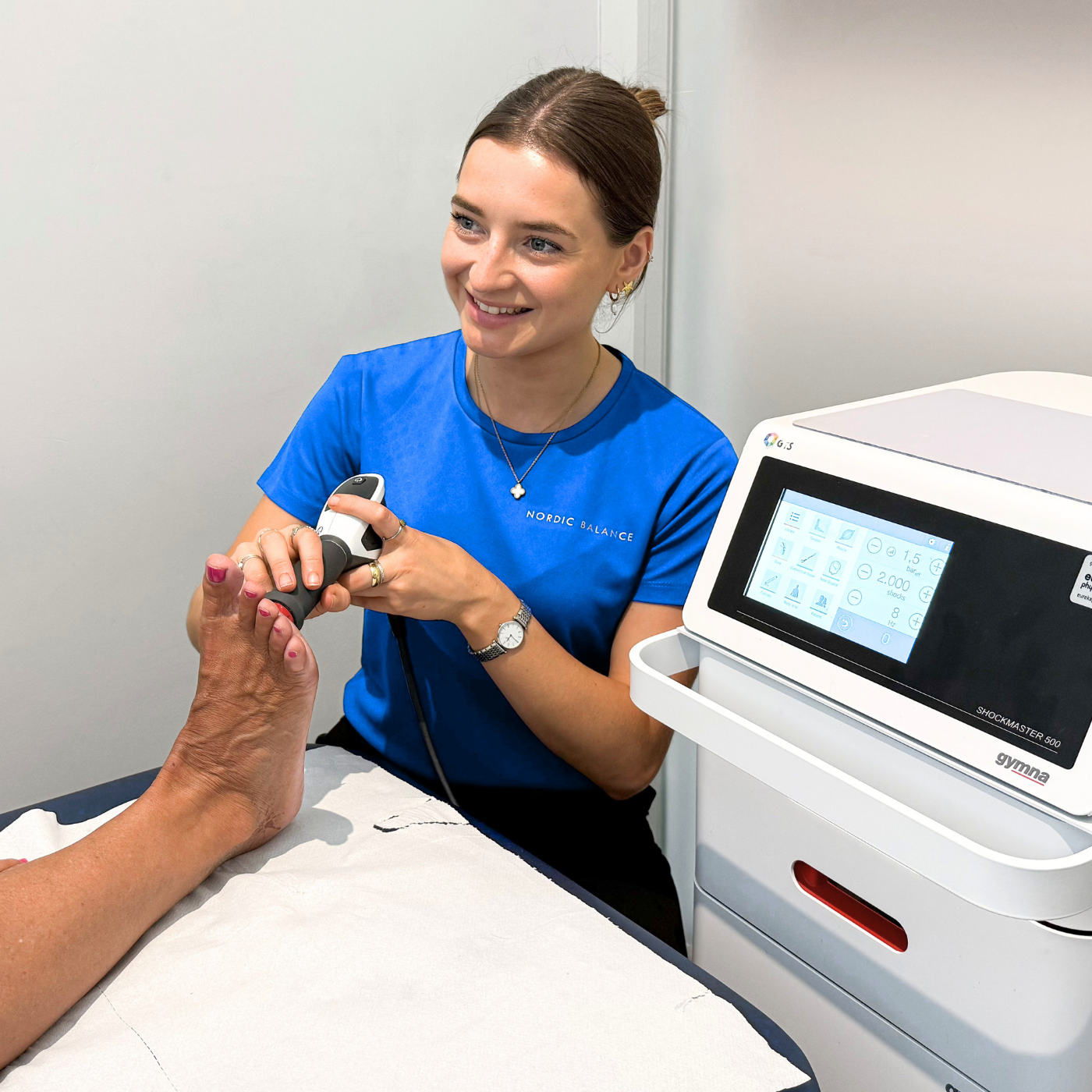
Shockwave therapy may also be considered as part of treatment for plantar fasciitis. Research suggests that shockwave therapy can help reduce pain from plantar fasciitis, making it a treatment option when symptoms are persistent. If plantar fasciitis is keeping you from running comfortably, our physiotherapists can assess what is contributing to your heel pain and help you build a treatment plan towards returning to running comfortably.
Find out more about physiotherapy at Nordic Balance or book an appointment at your nearest clinic.