
If you spend hours at a desk, driving, or looking at a screen, you may notice your neck, shoulders, or back becoming stiff or uncomfortable as the day goes on. Improving your posture is not simply about sitting up straighter. Your body is designed to move, and you don’t need to hold a single position perfectly all day. How long you stay still, how often you change position and whether your body has the strength and mobility to cope with your routine all matter.
In this guide, I’ll share a simple technique to ease postural stiffness, along with practical ways to move more, build strength, and make everyday positions more comfortable.
Posture, movement and everyday comfort
Good posture is not about finding one perfect position and trying to stay there. Even a comfortable sitting position can become uncomfortable if you hold it for several hours. Long periods without movement can leave the neck, shoulders and back feeling stiff or tired.
Rather than constantly asking whether you are sitting correctly, pay attention to how your body feels. If your shoulders tighten, your back stiffens, or your neck feels uncomfortable, change position. Stand up, walk around, stretch or simply move for a few minutes. Regular movement is often more useful than trying to maintain a rigid posture all day.
A simple technique for postural stiffness
One technique I often recommend uses nothing more complicated than a rolled towel or foam roller. It gives your body a break from the forward, rounded position many of us hold while working, driving, or using a phone. The aim isn’t to force your spine into a particular alignment, but to gently open the chest and shoulders and let the upper back relax into a different position.
Foam roller technique
Find a towel or foam roller
Roll a bath towel firmly or use a foam roller.
Position it along the length of your spine
Lie on a comfortable, flat surface and place the towel or foam roller lengthways beneath your upper back, starting around the base of your neck. Make sure your head and neck feel comfortably supported.
Open your arms
Allow your arms to fall out to either side into a relaxed T position. Keep your knees bent or straighten your legs, whichever feels most comfortable. You should feel a gentle opening through the chest and front of the shoulders, not a strong or painful stretch.
Relax into the position
Stay here for about two to five minutes, breathing normally and letting your shoulders relax. This can help after a long period at your desk, after a commute, or whenever you notice yourself becoming stiff.
If the position causes pain, pins and needles or worsening symptoms, stop.
Strength and mobility for better posture
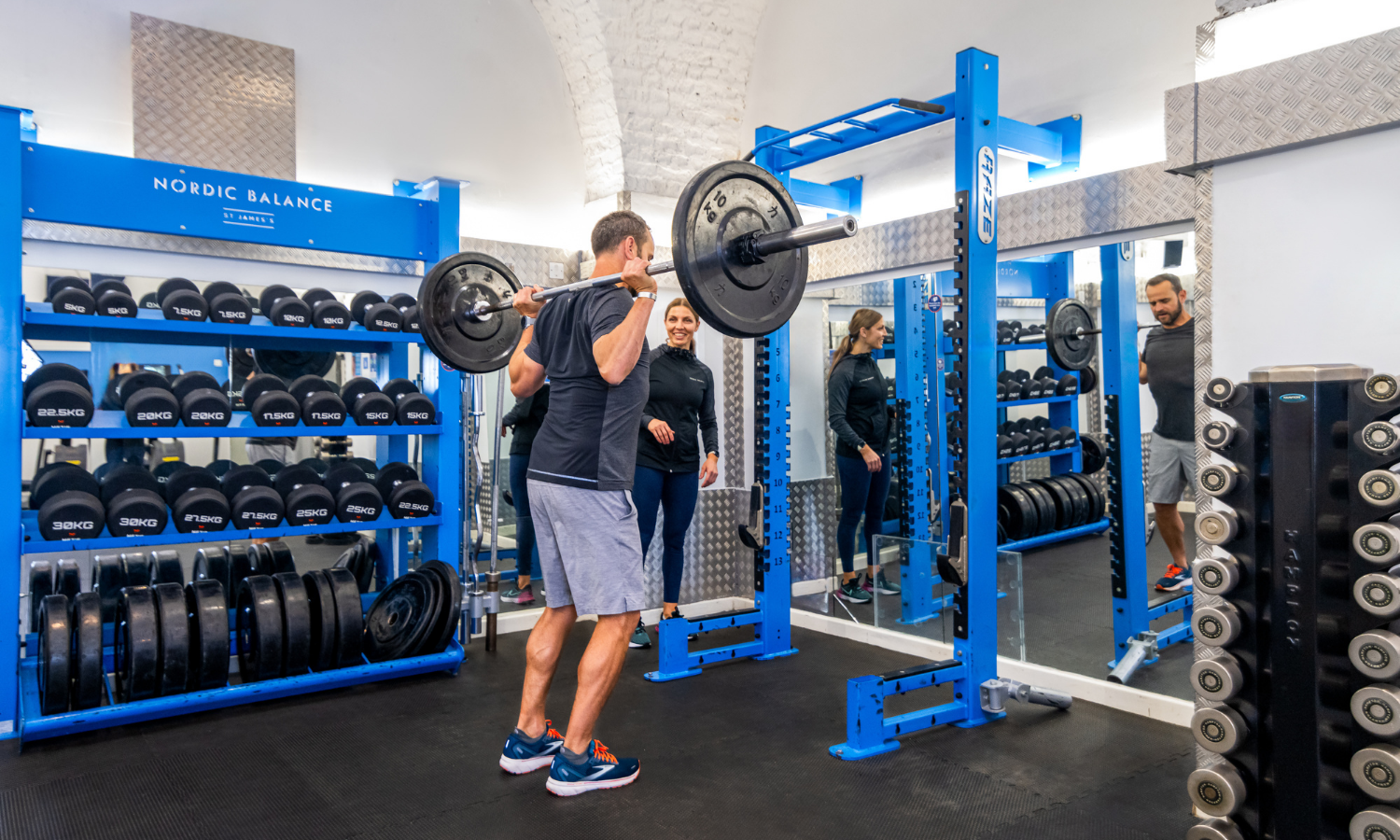
Stretching can feel good when your muscles are tight, but posture is not only about flexibility. Your neck, shoulders, back and trunk also need enough strength and endurance to cope comfortably with sitting, standing, lifting, working and exercising. That is why I look at both mobility and strength, rather than simply telling someone to stretch more.
Shoulder blade exercises
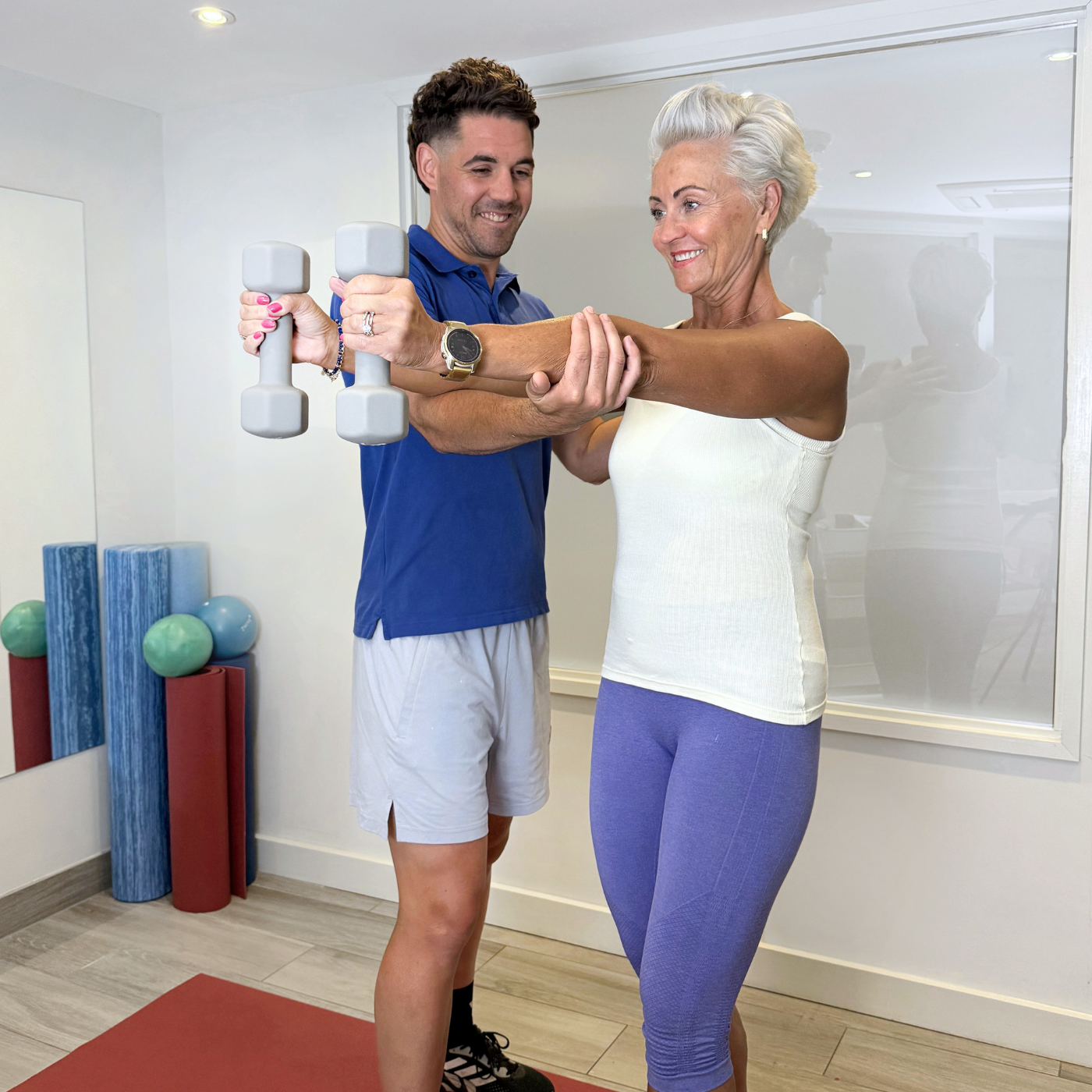
Gently drawing your shoulder blades back and together can help activate the muscles around the upper back. As your strength develops, rowing movements using a resistance band or weights can provide a greater challenge.
The goal isn’t to keep your shoulders permanently pulled back. You are building strength so they can move and support you comfortably in different positions.
Neck movement and stretches
If you spend much of the day looking at a screen, regularly move your neck through a comfortable range to break up long periods of stillness. Try gentle side-to-side rotations and controlled up-and-down movements. Avoid forcing your neck into a position just because you feel you should stretch further.
Core strengthening
Your trunk muscles help control your body during everyday movement and exercise. Bridges, planks and other progressive strengthening exercises can all be useful. You do not need to spend your entire day consciously bracing your core.
The aim is to build enough strength and control for these muscles to respond naturally when you need them.
Yoga and Pilates
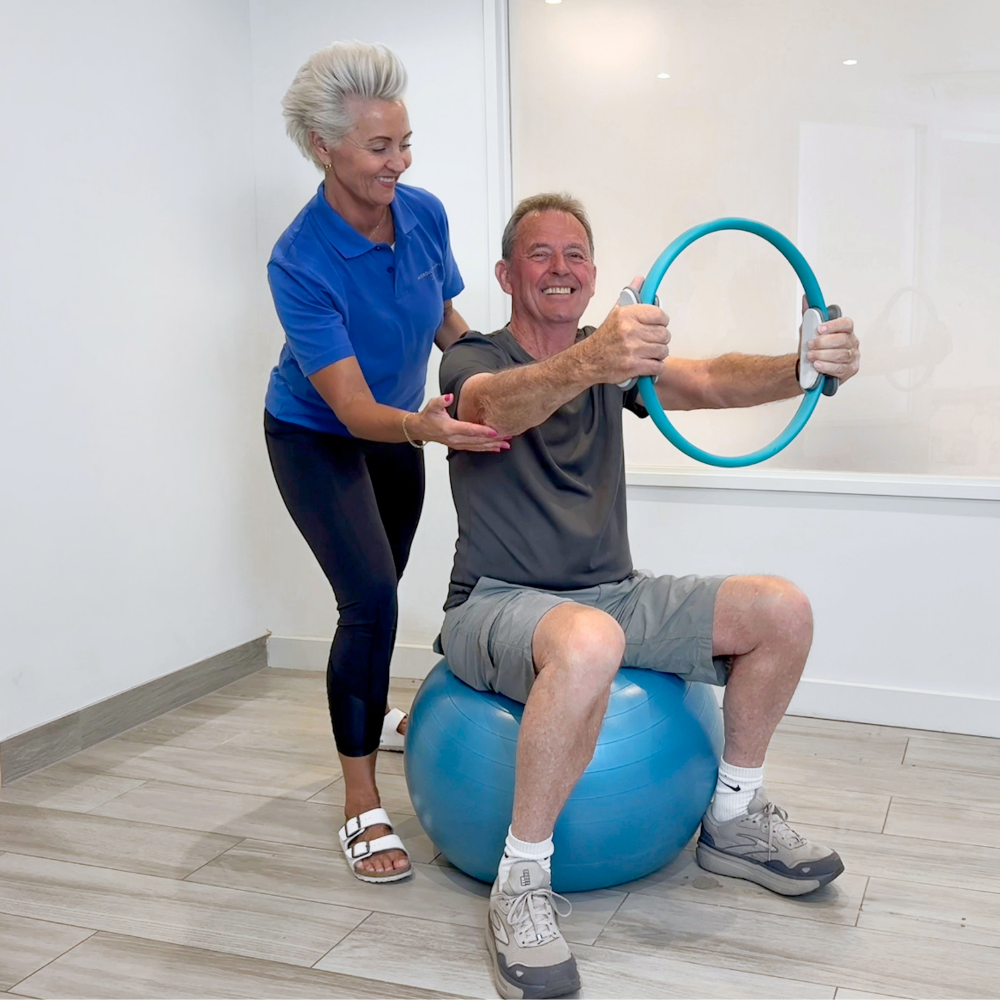
Yoga and Pilates can be useful ways to combine movement, strength and body awareness. Neither is essential for good posture, but if you enjoy them, they can help keep your body moving through a wider range of positions.
Improving posture at work and throughout the day
A few exercises at the end of the day cannot completely compensate for hours spent without moving. For most people, improving posture also means looking at the habits and environments they spend the most time in.
Change position regularly
You do not need to wait until something hurts before you move. Use natural moments in your day as reminders. Stand while taking a call, walk to get some water, change your sitting position between tasks or take a short break away from your desk. The important thing is to break up long periods of being static.
Check your workstation
Your screen, keyboard, desk, and chair should let you work comfortably without repeatedly reaching, twisting, or craning your neck. Position your main screen where you can view it comfortably and keep frequently used equipment within easy reach. A good workstation isn’t about perfect posture. It is about making the positions you use most frequently easier for your body to tolerate.
Adjust your driving position
Your back should feel supported, and you should be able to reach the steering wheel and pedals without stretching or leaning forward. If you regularly drive long distances, getting out and moving when you can is just as important as adjusting the seat itself.
Notice the positions that bother you
You do not need to monitor your posture every minute of the day. Instead, start noticing patterns. If your neck always becomes uncomfortable after working from the sofa, change the setup. If your lower back stiffens after sitting for a long time, try moving before you get there.
Understanding which positions and habits your body responds well to is much more useful than trying to achieve one universally correct posture.
Persistent postural pain and when to seek advice
Not every episode of back or neck pain is caused by posture. Pain often comes from several factors, not a single cause. Strength, mobility, workload, previous injury, activity levels, stress and time spent in certain positions can all play a part. If moving more, changing position and introducing some simple exercises helps, keep going.
If discomfort repeatedly returns, starts interfering with work or exercise, or you develop symptoms such as persistent pins and needles, numbness or weakness, it is worth having the problem assessed.
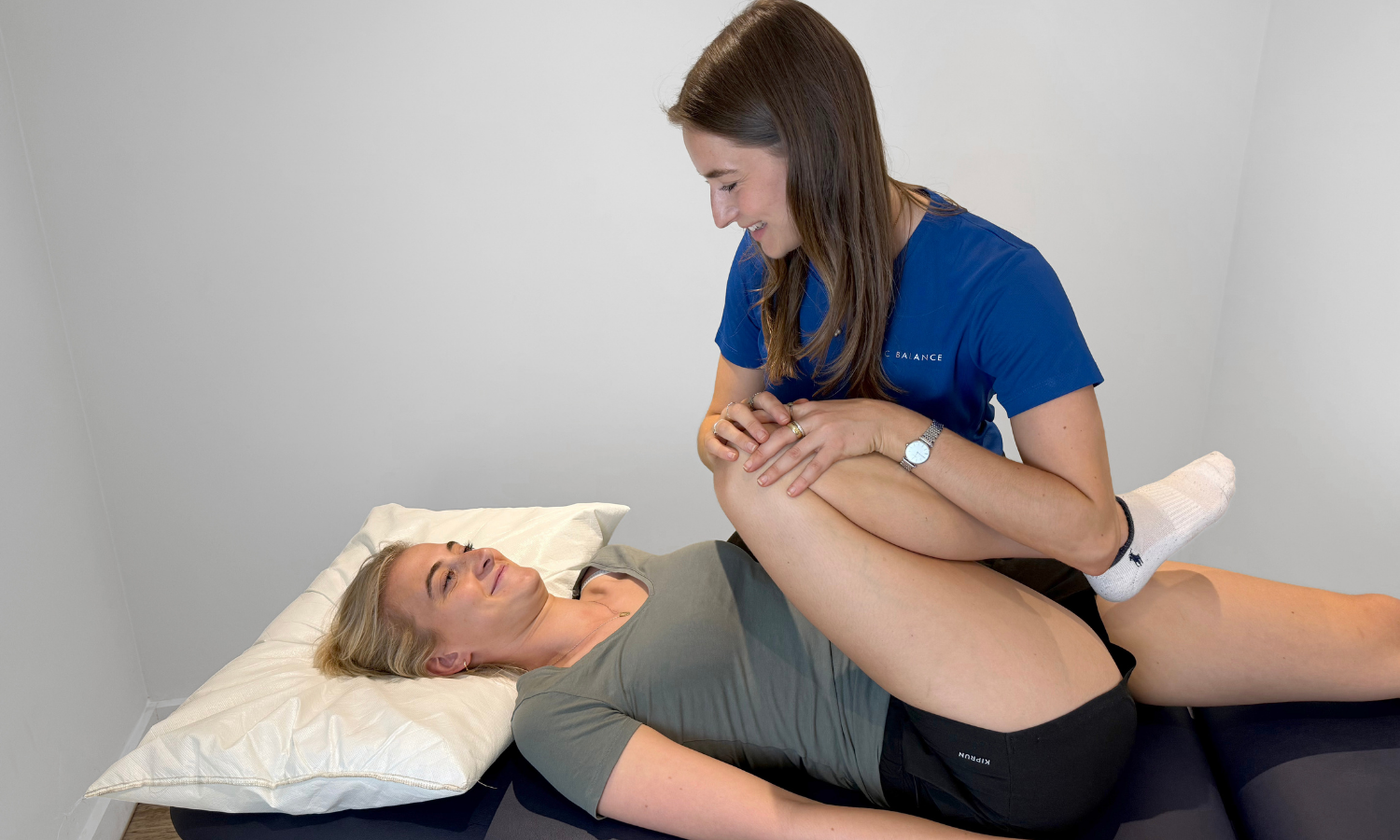
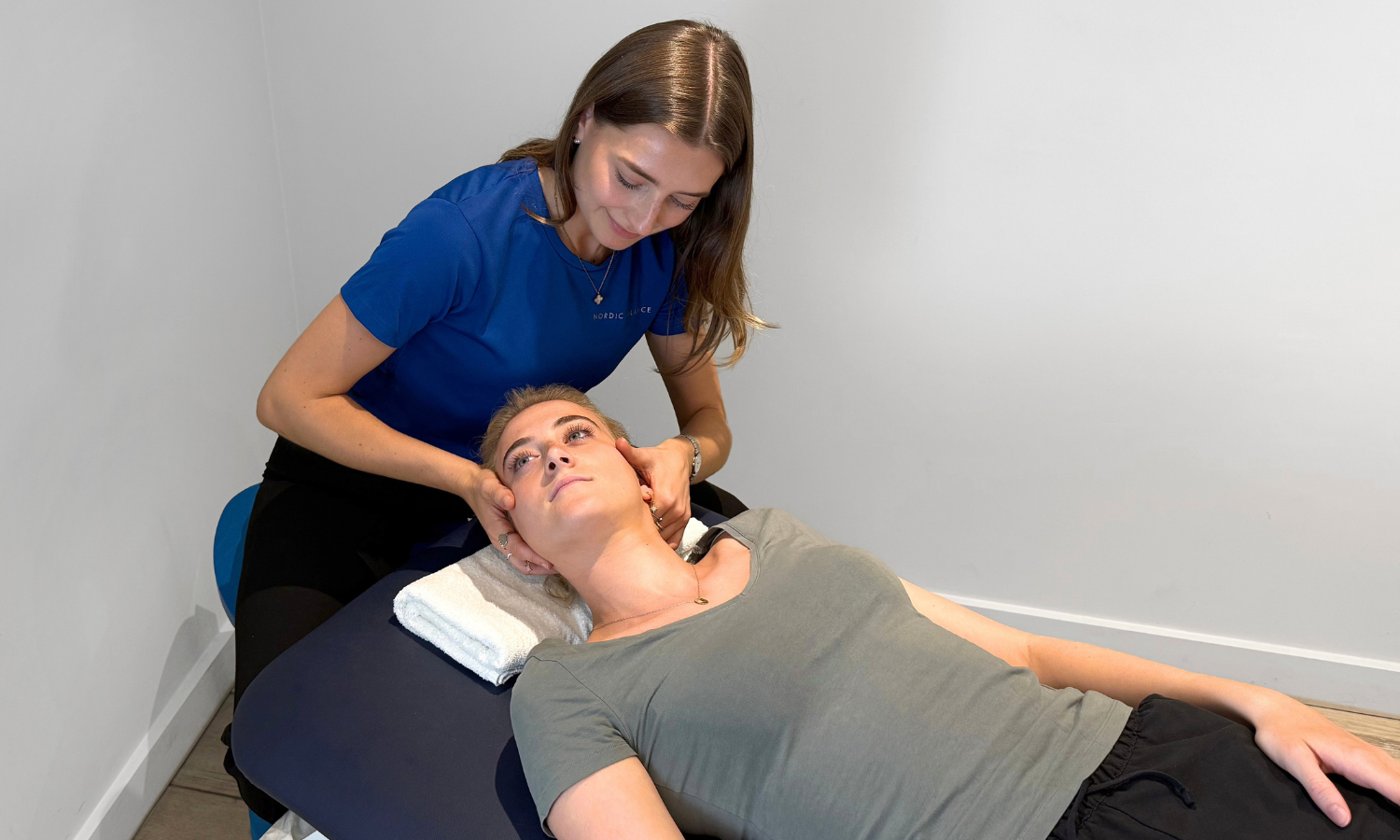
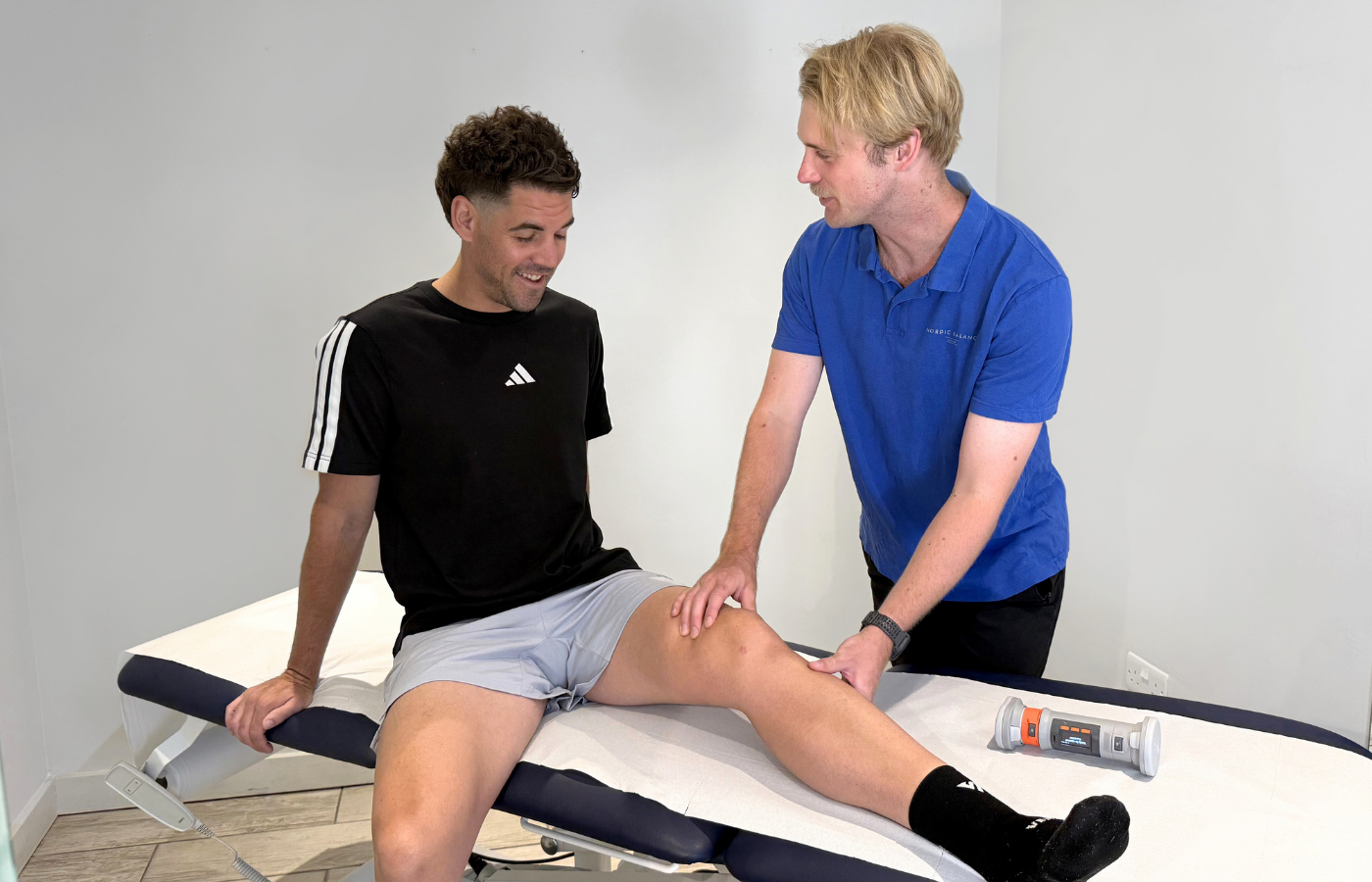
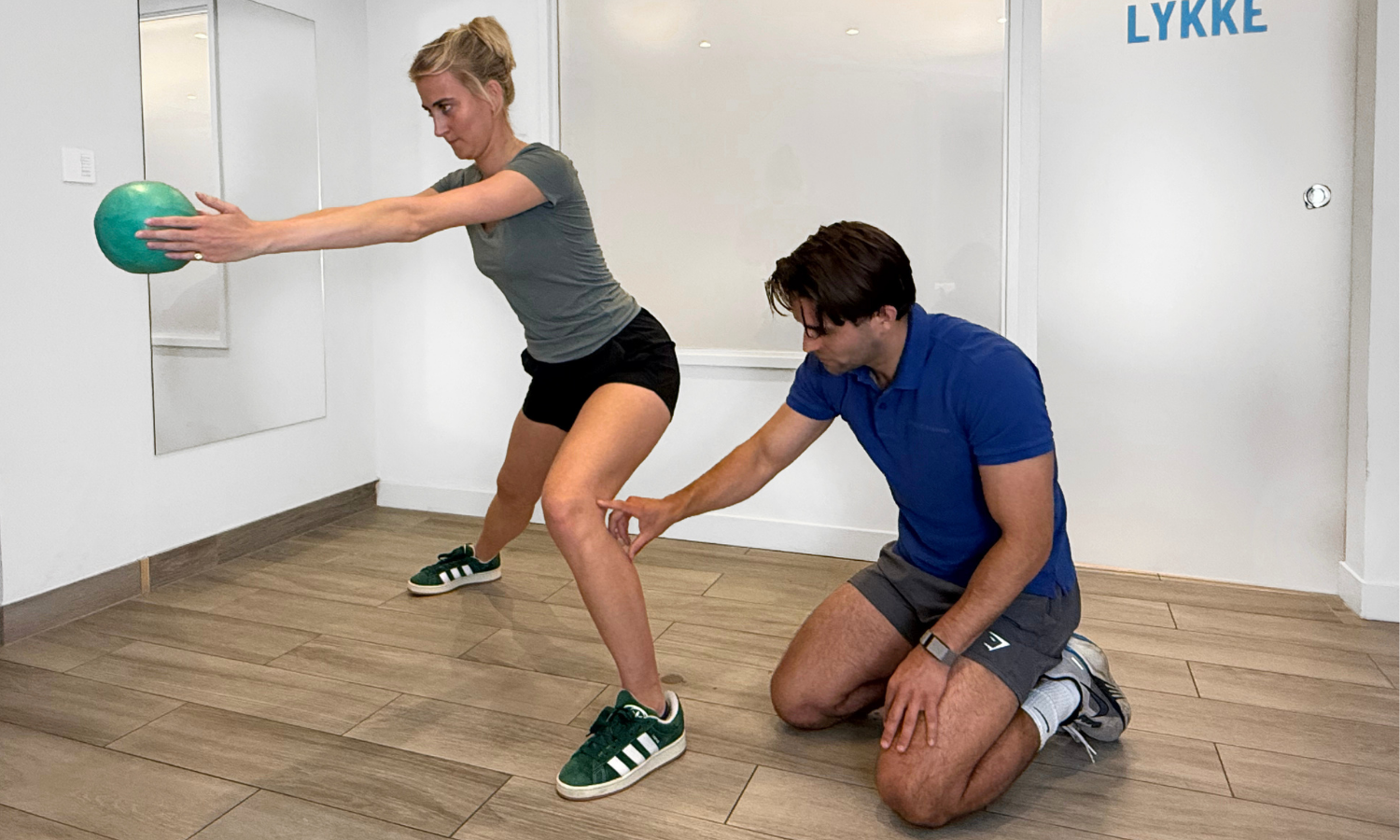
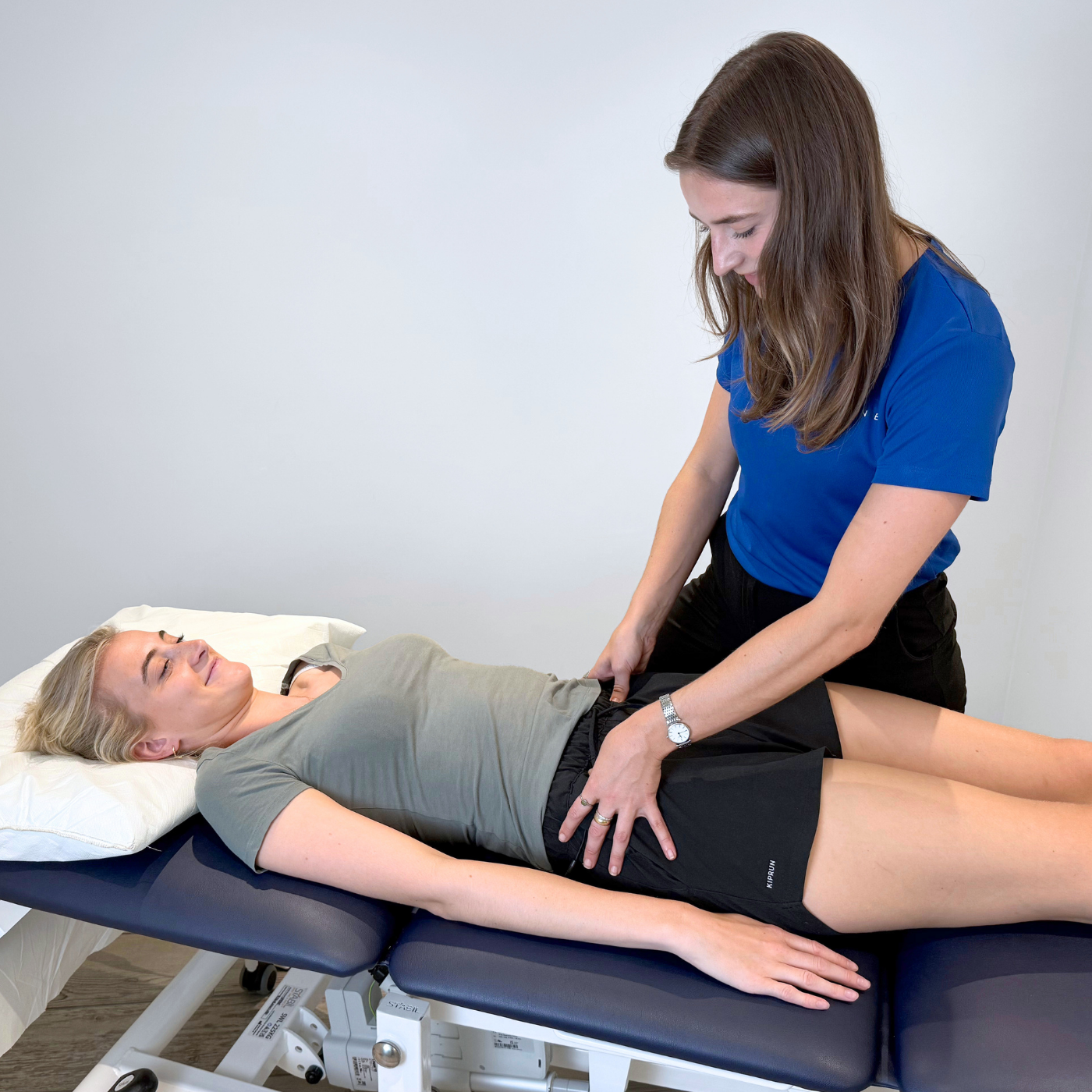
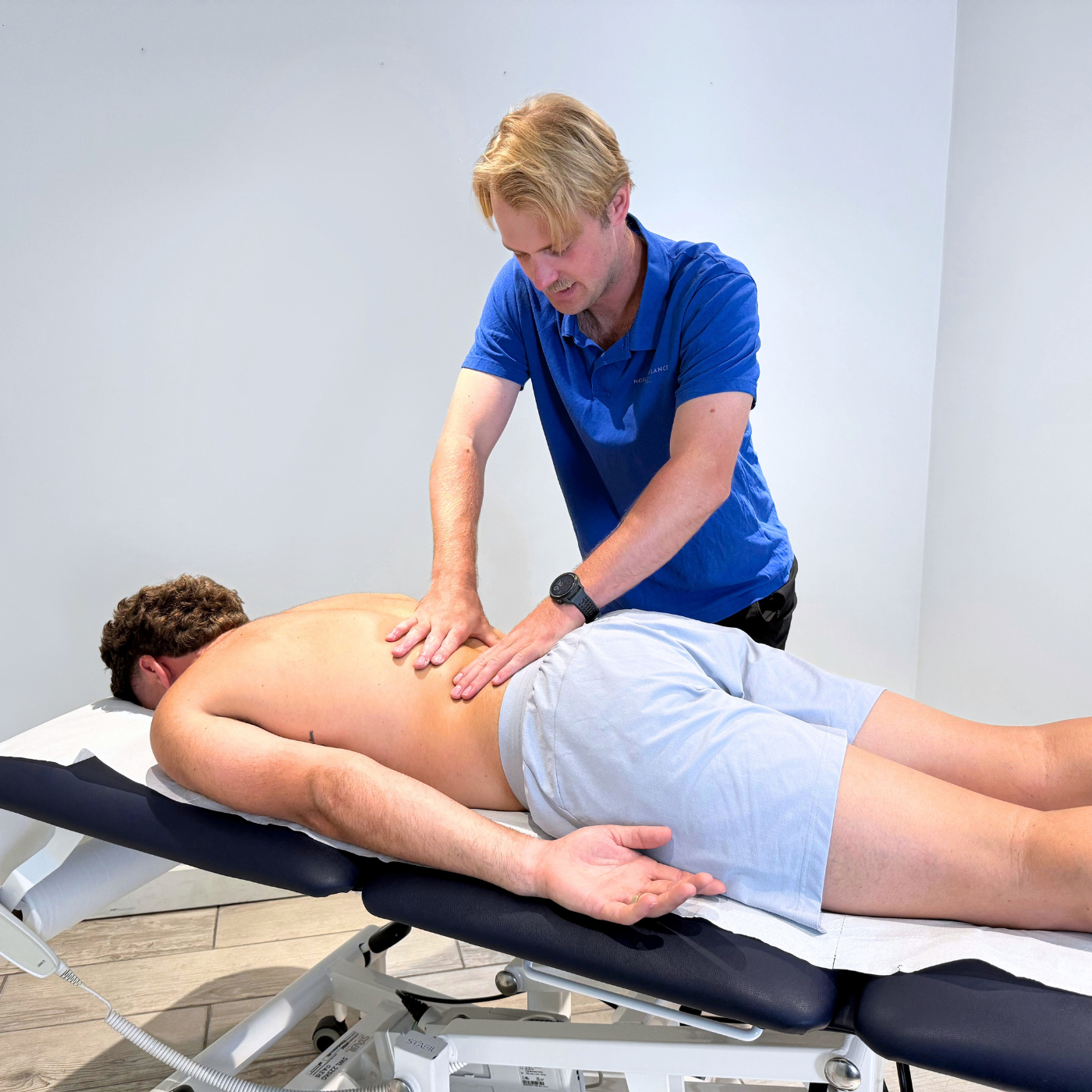
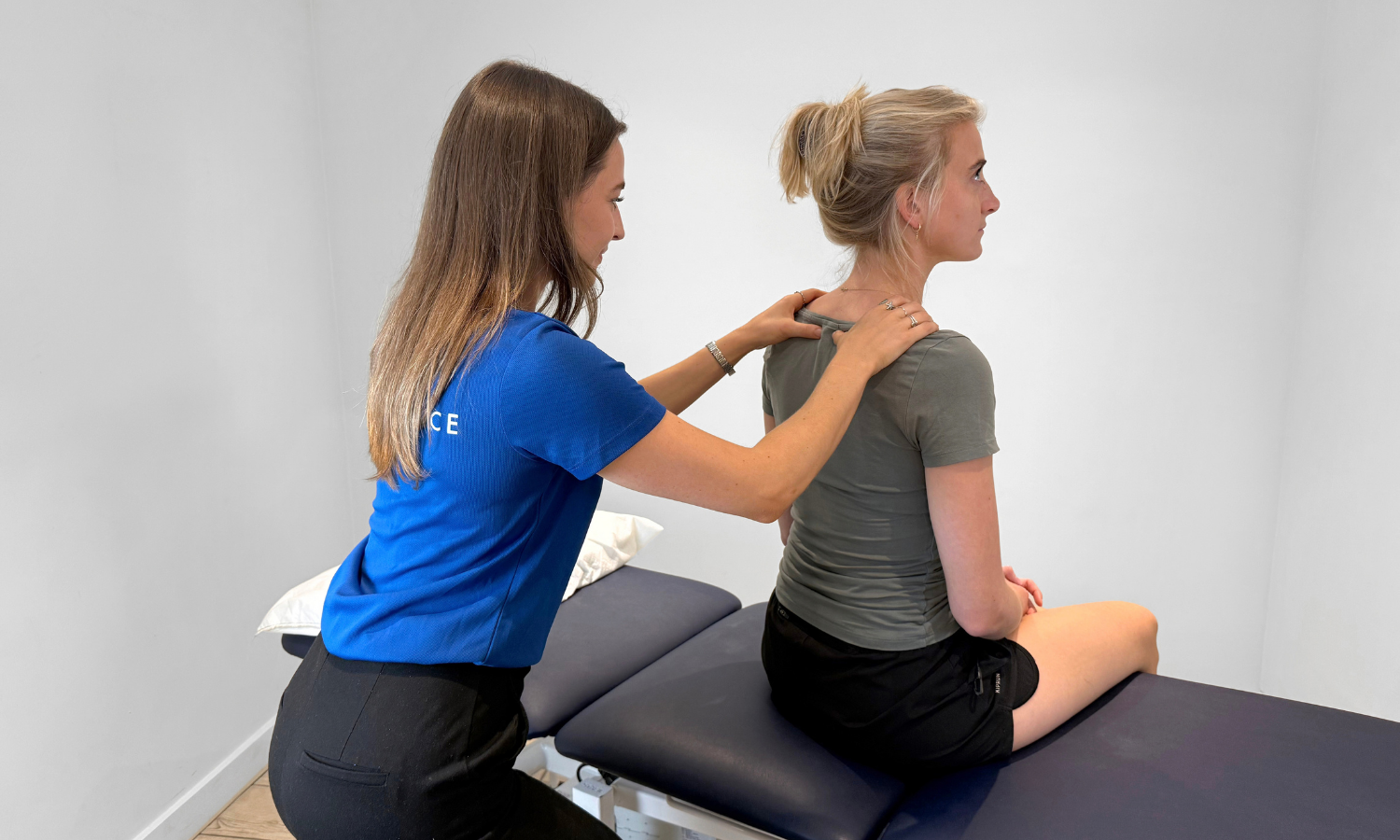
When I assess someone with postural pain, I look beyond the position they sit in. I consider how their joints and muscles move, what their daily routine demands, and where strength, mobility, or movement habits may be contributing.
Treatment can then combine hands-on care with appropriate exercise and practical changes to help you move more comfortably and build the capacity your body needs.
The goal is not perfect posture. It is being able to sit, work, drive, train and move through your day with greater comfort and confidence. Book chiropractic at Nordic Balance today.