When knee pain starts getting in the way of your child’s sport, it can be difficult to know whether they need to rest, keep moving or have it checked. If the pain sits just below the kneecap and worsens with running or jumping, Osgood-Schlatter could be one possible cause.
It’s common in childhood and adolescence, especially in active children going through a growth spurt. Although it can make sport and everyday activities uncomfortable, symptoms usually improve as your child finishes growing.
In this guide, we explain what Osgood-Schlatter is, why it happens, the signs to look out for, how symptoms can be managed and what it can mean for your child’s sport.
Understanding Osgood-Schlatter disease
Osgood-Schlatter disease causes pain and inflammation around the bony bump just below the kneecap, known as the tibial tuberosity. This is where the patellar tendon, which runs from the kneecap, attaches to the shin bone.
It frequently develops during growth spurts in childhood and adolescence. As a child grows, tension from the quadriceps muscles at the front of the thigh is transferred through the patellar tendon to the tibial tuberosity. Repeated pulling on this area can cause pain and inflammation.
This is why Osgood-Schlatter is particularly common in active children who play sports involving lots of running, jumping, and quick changes of direction. For most children, Osgood-Schlatter is manageable, and symptoms eventually settle once they have finished growing.
Symptoms of Osgood-Schlatter
The most common symptom is pain just below the kneecap around the bony bump at the top of the shin. The pain can range from mild discomfort to something that noticeably limits your child’s activities. It often becomes more noticeable during or after activities that place greater demands on the knee, including running, jumping and going up or down stairs.
You may also notice:
- swelling below the kneecap
- tenderness when the area is touched
- a more noticeable bony bump below the knee
- pain in one or both knees
- discomfort that becomes worse during or after physical activity
For some children, kneeling on the affected knee can also be uncomfortable because of the tender bump. Symptoms can continue for several months and may come and go, particularly as your child grows or their activity levels change.
Triggers for Osgood-Schlatter flare-ups
Osgood-Schlatter often becomes more noticeable during periods of rapid growth or when your child increases their physical activity. During a growth spurt, tension from the quadriceps muscles is transferred through the patellar tendon to the tibial tuberosity below the knee. Activities that repeatedly load this area can worsen the pain and inflammation.
This means symptoms may flare up after running, jumping, sprinting or sports that involve frequent changes of direction. A flare-up does not necessarily mean your child needs to stop being active altogether. The key is recognising which activities aggravate symptoms and adjusting how much they do while the knee settles.
Treatment and management of Osgood-Schlatter
Treatment usually focuses on reducing pain and irritation while helping your child keep moving and stay active at an appropriate level.
Adjust activities that cause pain
Reducing activities that repeatedly trigger the pain is usually one of the first steps. This does not always mean stopping all exercise. Your child may need to temporarily reduce how often or how intensely they run, jump or take part in a particular sport, and allow more time to recover between activities.
Use ice to help with pain and inflammation
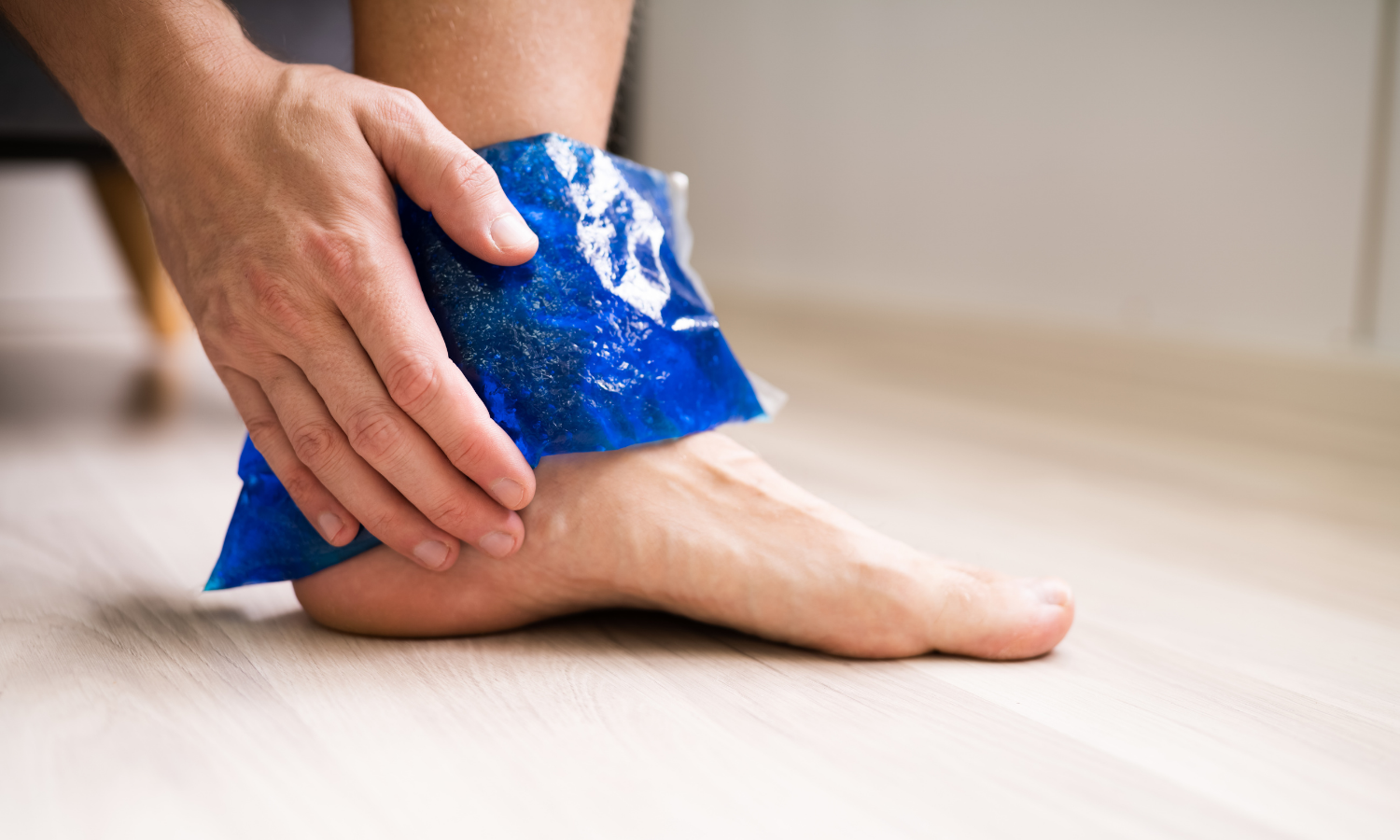
Applying ice to the painful area can reduce inflammation and provide relief, especially after physical activity. Wrap the ice or cold pack before applying it to your child’s skin.
Manage pain when needed
Over-the-counter pain relief, such as ibuprofen, may help manage pain and inflammation. Speak to your GP, pharmacist or another appropriate healthcare professional about whether pain relief is suitable for your child and the correct dosage.
Strengthen and stretch the surrounding muscles
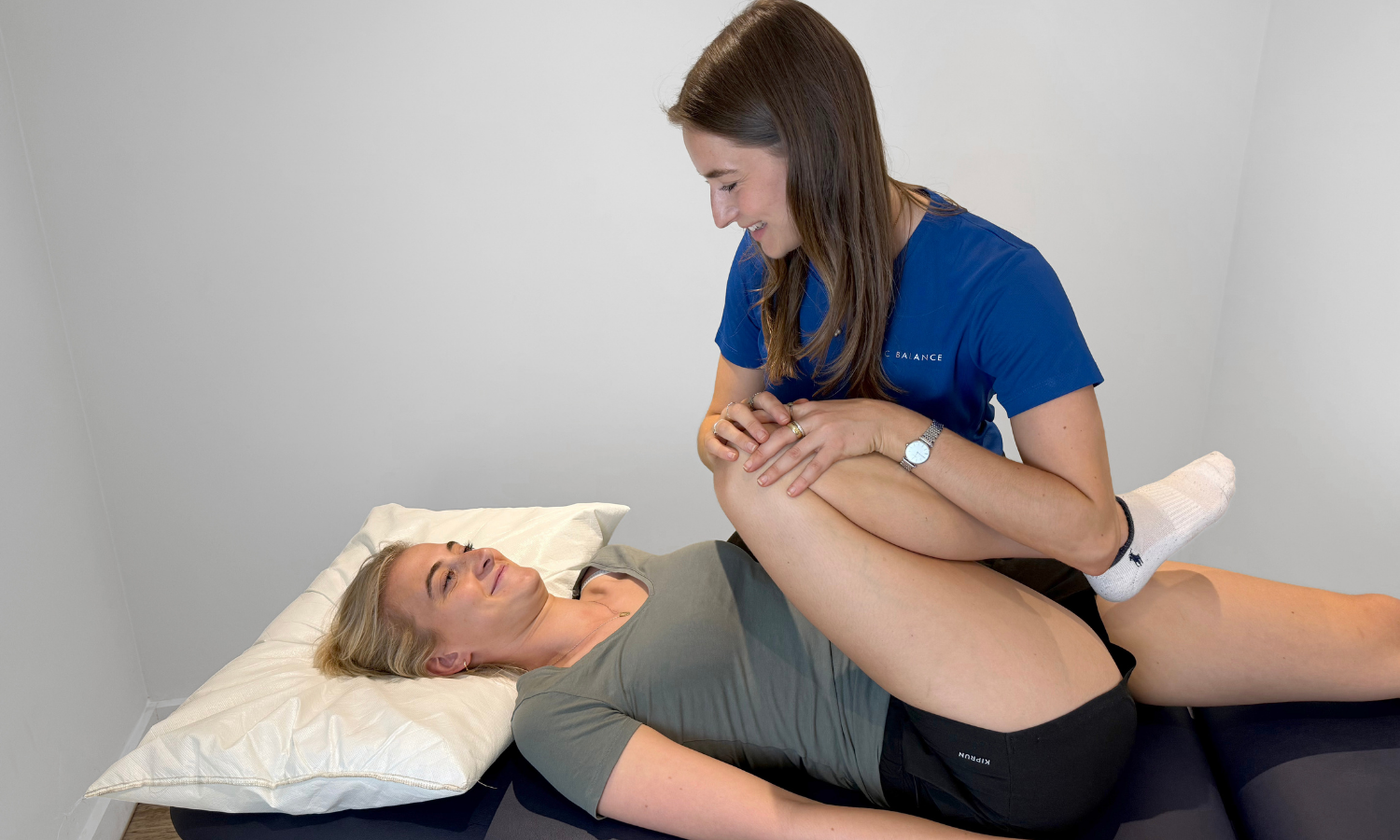
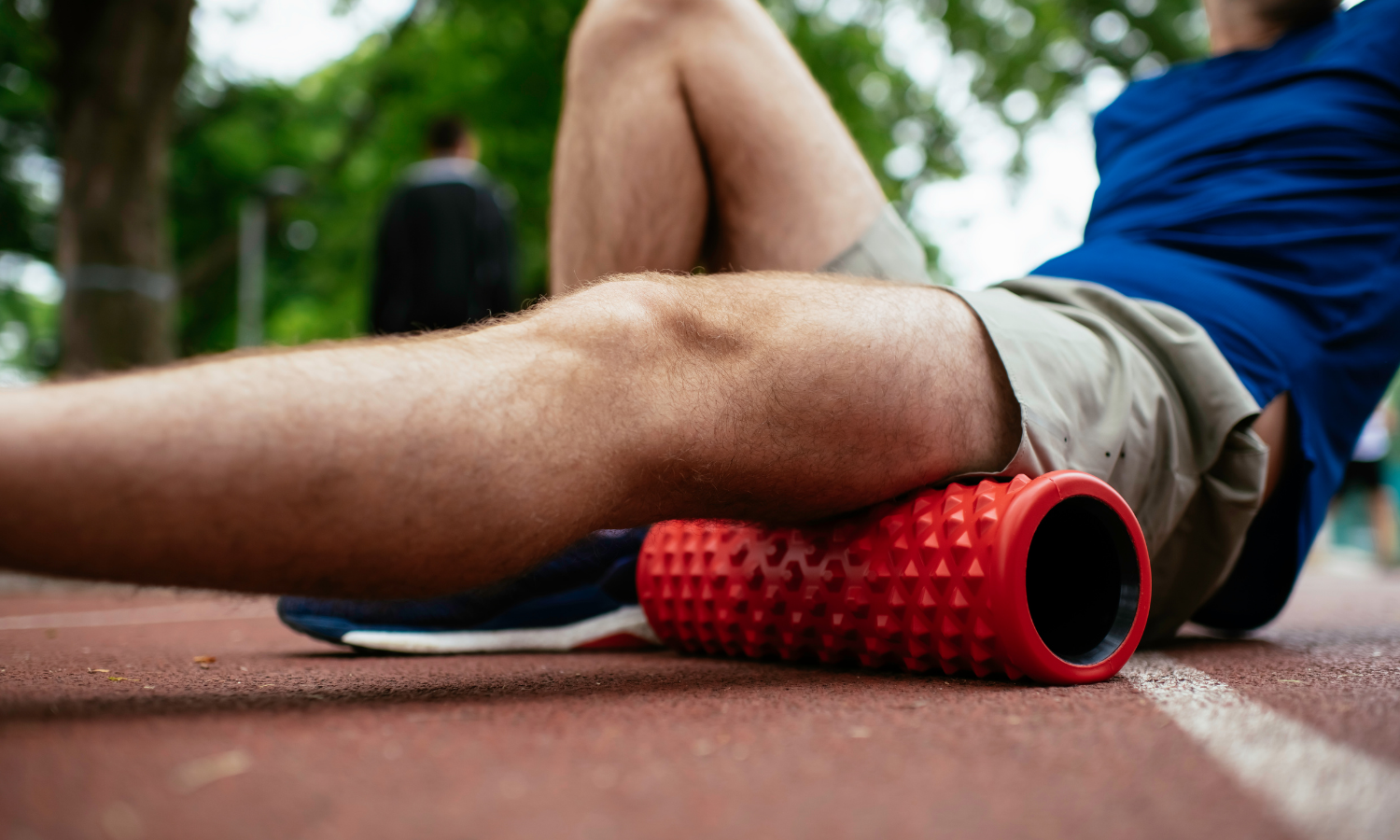
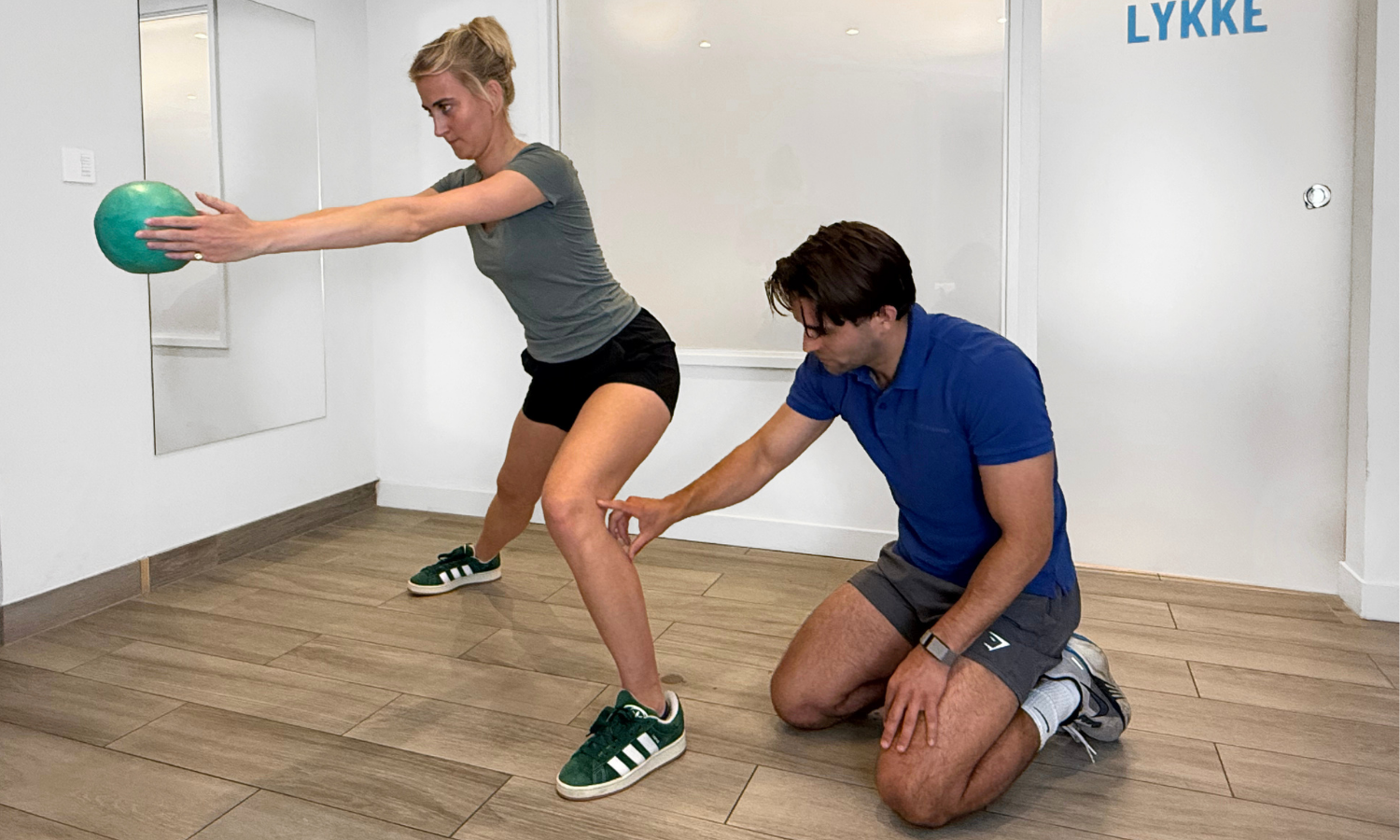
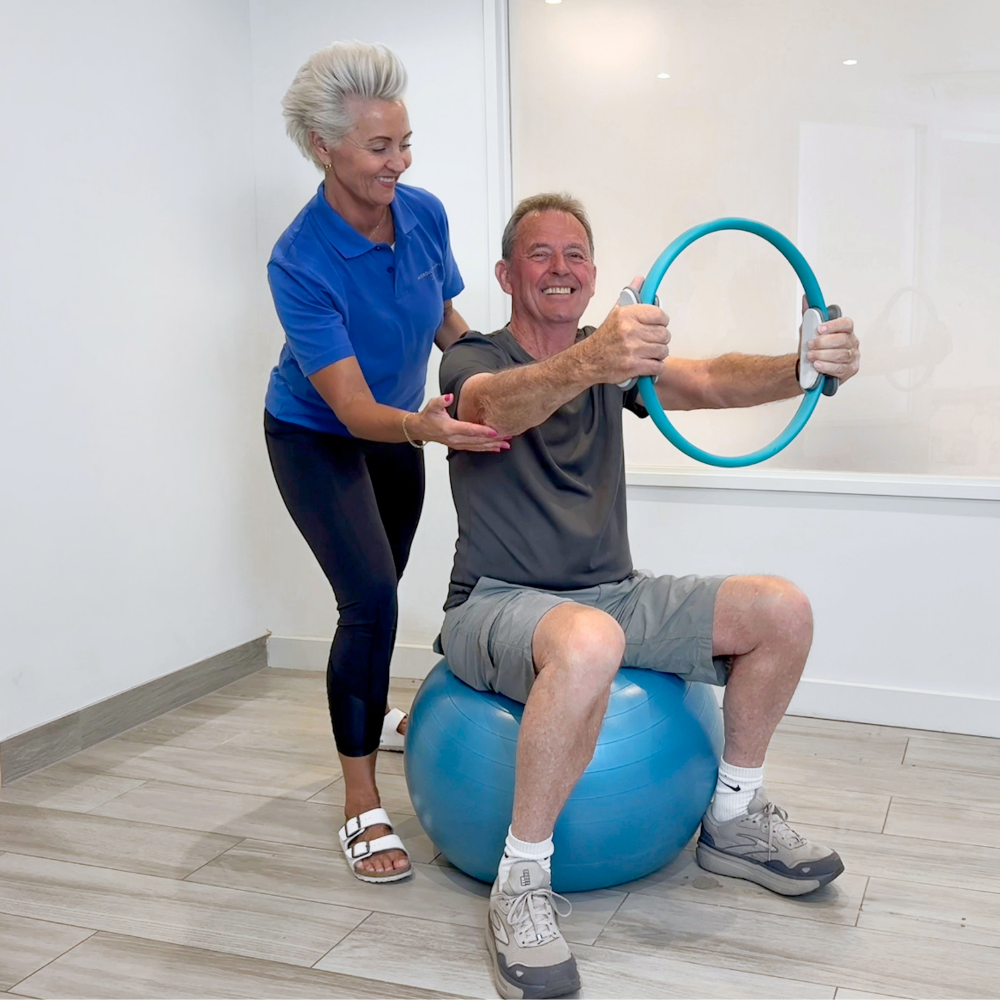
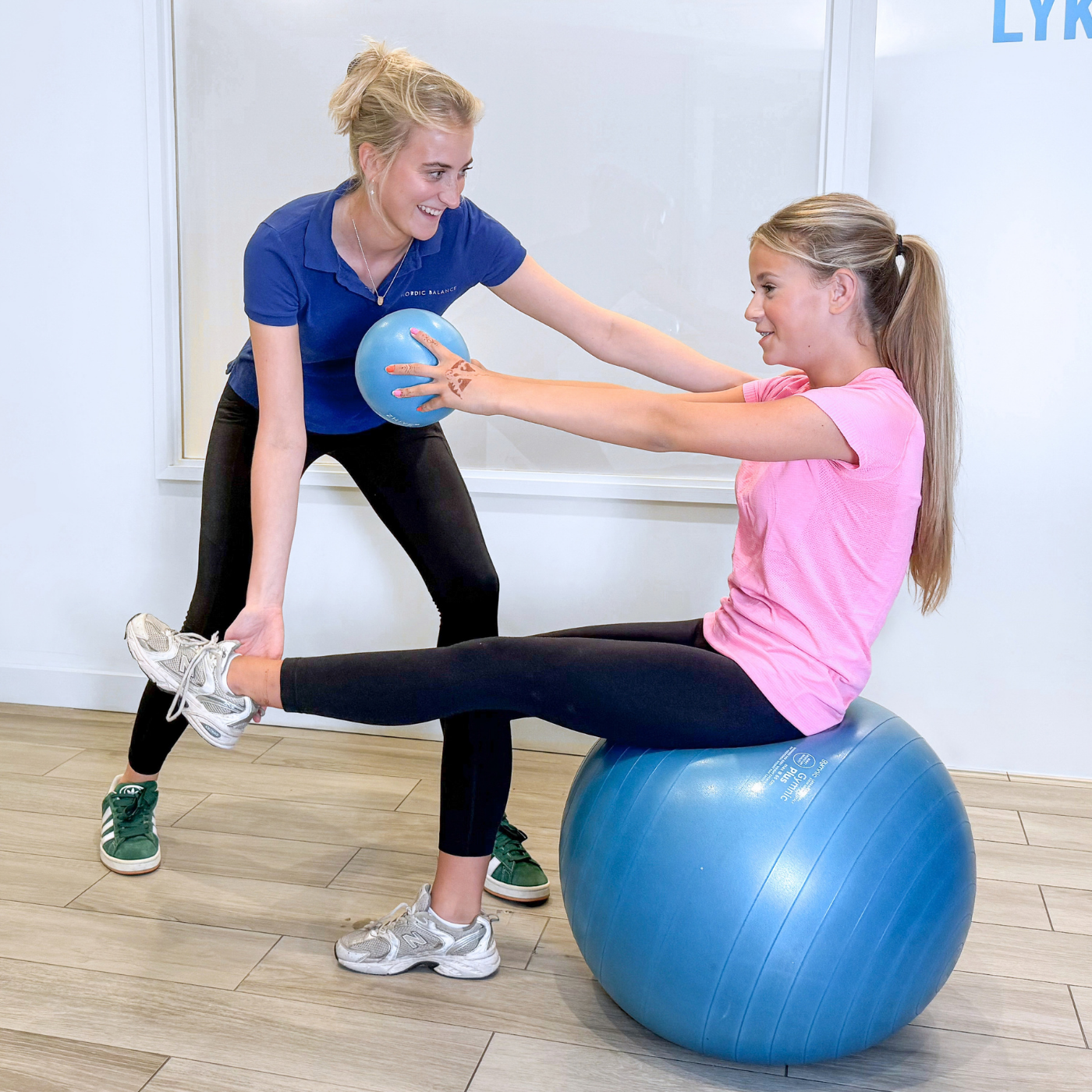
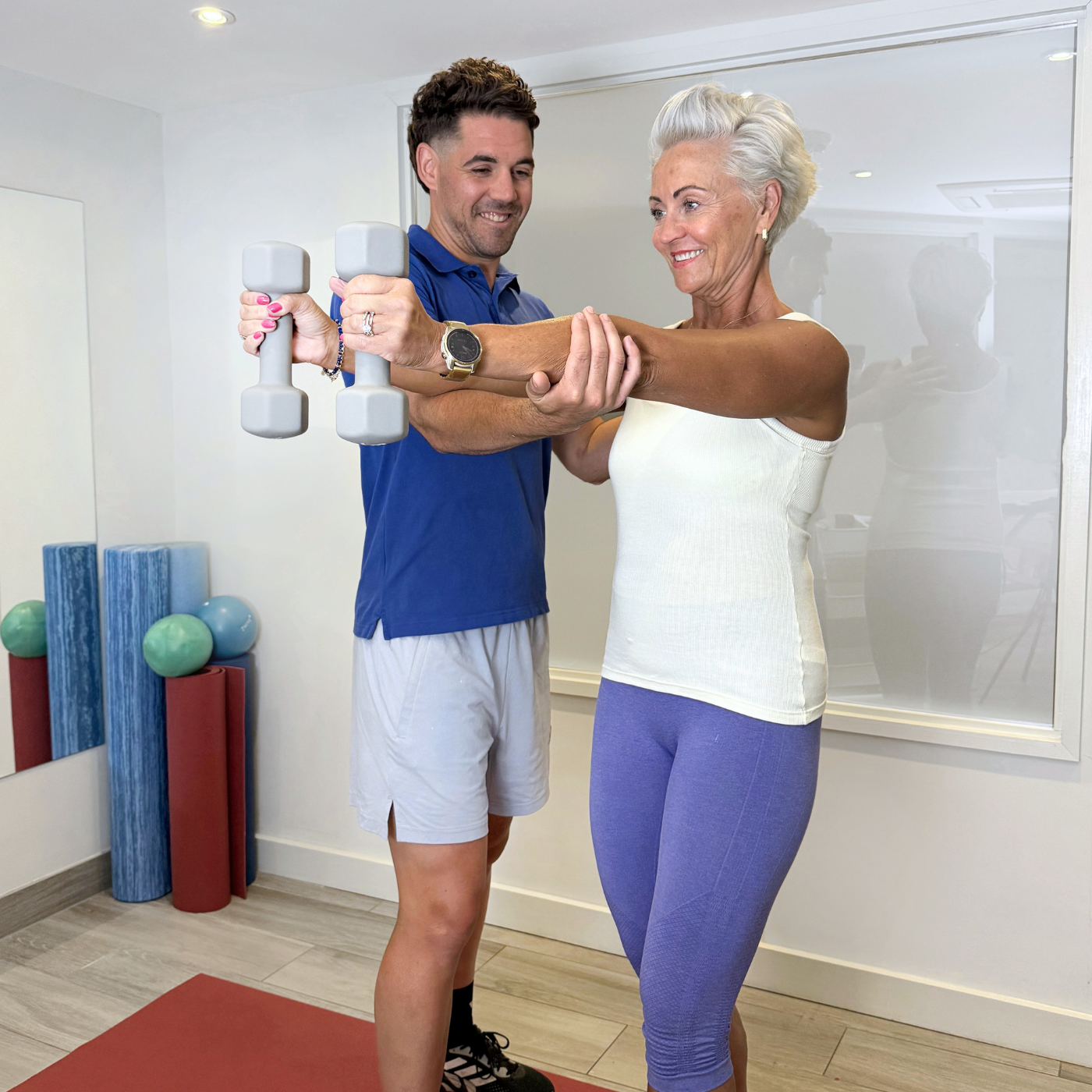
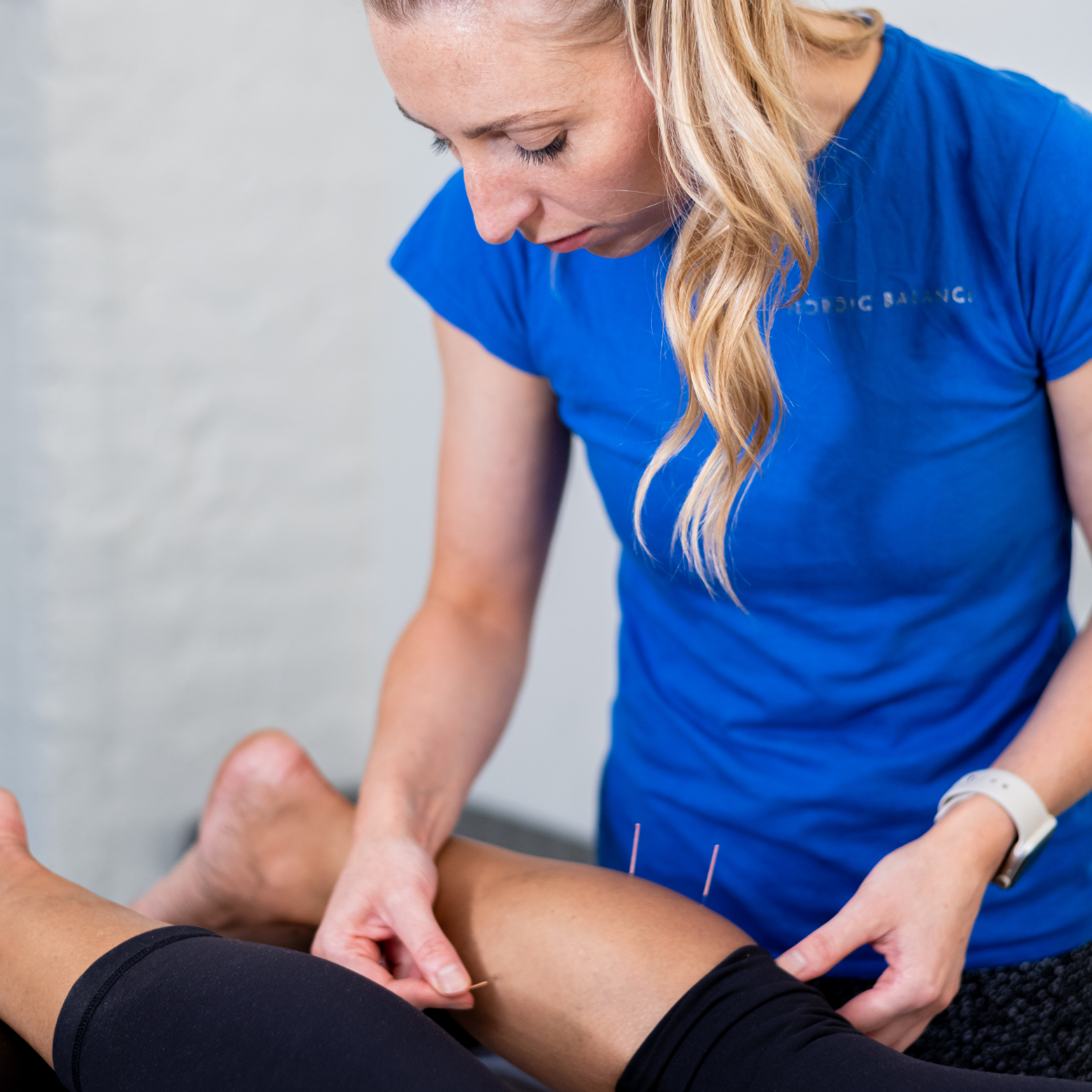
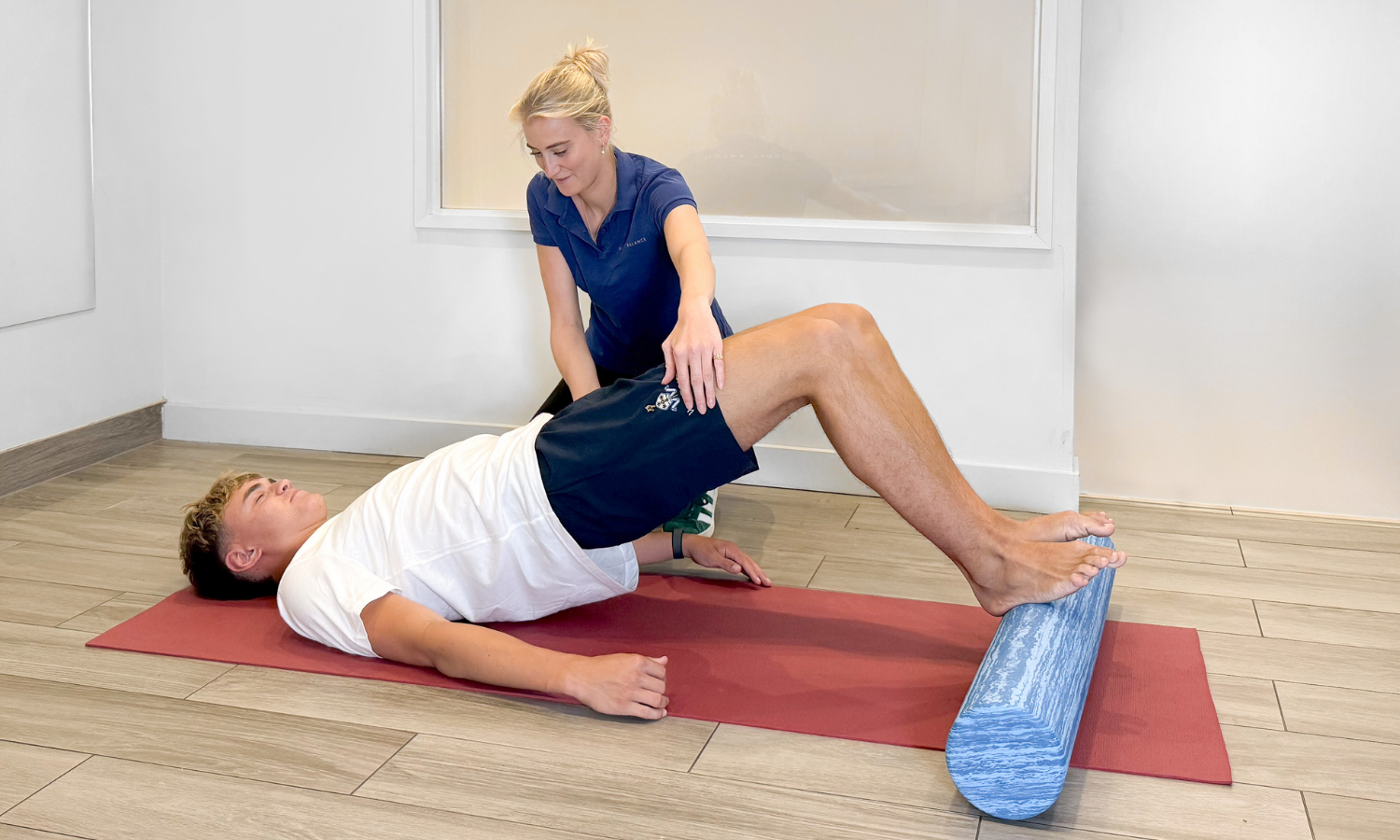
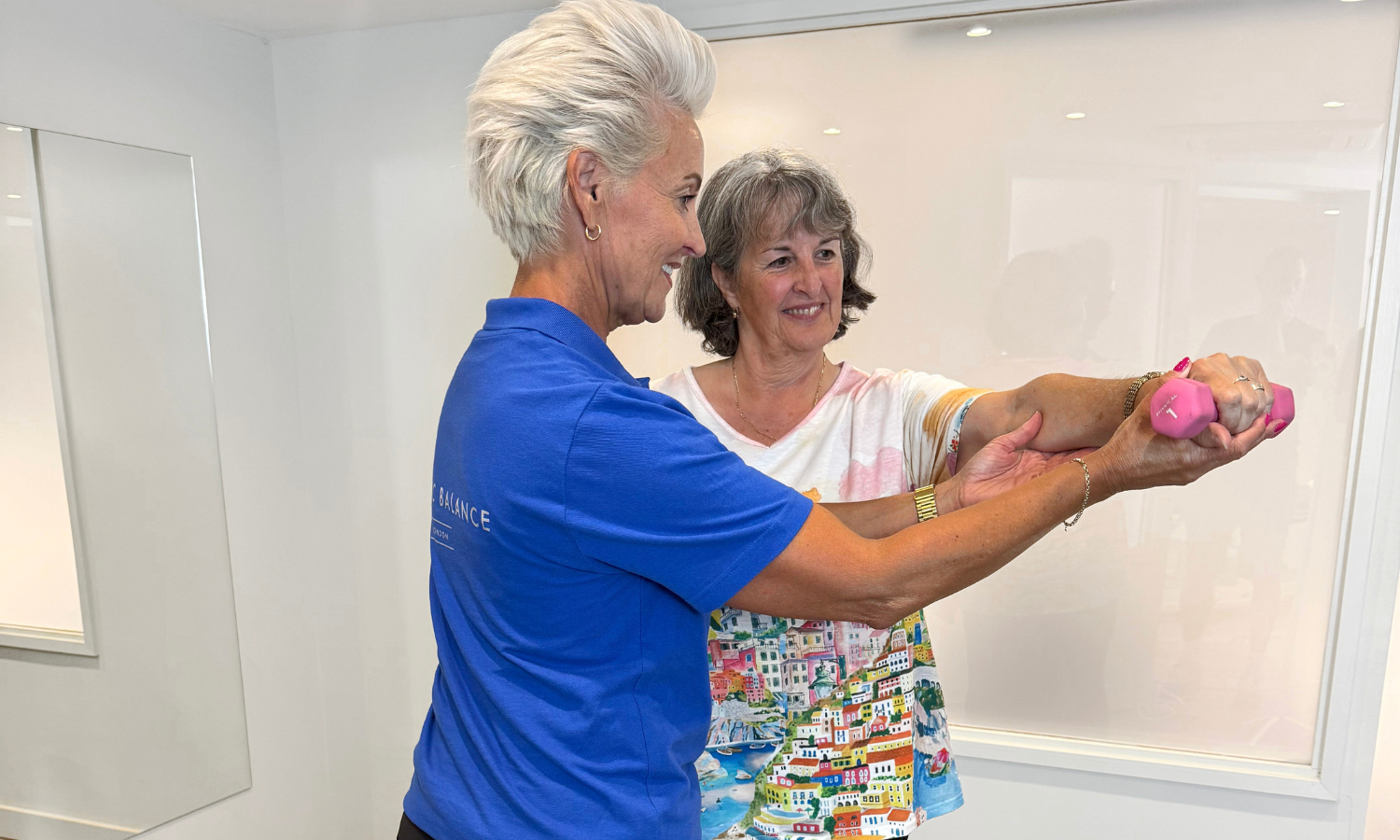
Physiotherapy can help address the strength and flexibility of the muscles surrounding the knee. Exercises that strengthen the quadriceps can form part of treatment, alongside stretches and other exercises selected according to your child’s symptoms, movement and activity levels. A physiotherapist can also help you determine how much activity your child can currently manage and how to increase it as their symptoms gradually improve.
Sports participation with Osgood-Schlatter
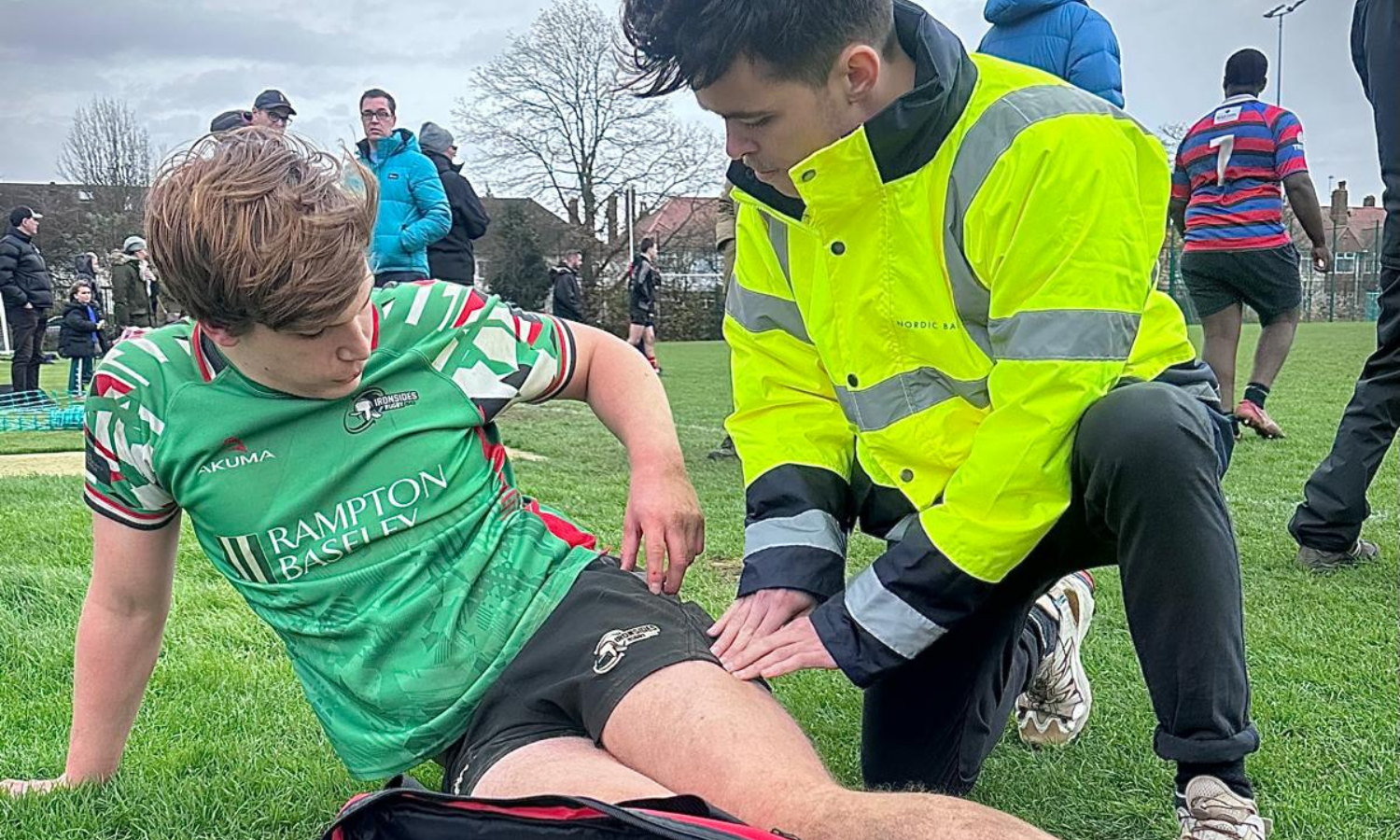
Having Osgood-Schlatter does not automatically mean your child needs to stop playing sports. How much they can comfortably continue will depend on their symptoms and how the knee responds to activity. If running, jumping, or other activities cause significant discomfort, your child may need to reduce the intensity, frequency, or duration rather than keep pushing through worsening pain.
Current NHS hospital guidance recommends that children take part in activities that feel comfortable. If the pain is severe, you may need to temporarily reduce high-impact activities involving running and jumping. At the same time, lower-impact options such as swimming or cycling can help your child stay active. Once the pain settles, you can gradually increase participation in sport again.
Other ways to manage sport can include:
- reducing activities such as jumping or sprinting if they consistently trigger symptoms
- taking sufficient rest between training sessions or matches
- warming up properly before activity and cooling down afterwards
- using supportive equipment such as a knee strap or brace if recommended
- paying attention to pain during and after activity rather than simply trying to push through it
Every child will experience Osgood-Schlatter differently. What one child can comfortably manage may be too much for another, so adjust activity based on symptoms.
Duration of Osgood-Schlatter symptoms
Osgood-Schlatter usually improves as your child finishes growing, but it is not always a quick process. Symptoms may last anywhere from several months to a couple of years. They can also settle and then return during another period of rapid growth or increased physical activity. Symptoms often peak during the rapid growth phase of puberty and gradually improve as the growth plates close, usually around age 14 for girls and 16 for boys.
Even after the pain disappears, the bony bump below the knee can remain more prominent. This does not necessarily mean that your child still has painful symptoms. While the condition is settling, the focus is therefore less on waiting for it to “heal” by a particular date and more on keeping symptoms manageable, maintaining appropriate strength and flexibility and adjusting activity when necessary.
Seeking professional help for knee pain
Not every sore knee in a growing child is Osgood-Schlatter, so it is worth having persistent or limiting knee pain assessed rather than assuming growth is the cause. If the pain keeps returning, is getting worse, or is stopping your child from enjoying their normal sport and everyday activities, a professional assessment can help identify the cause and the best way to manage it.
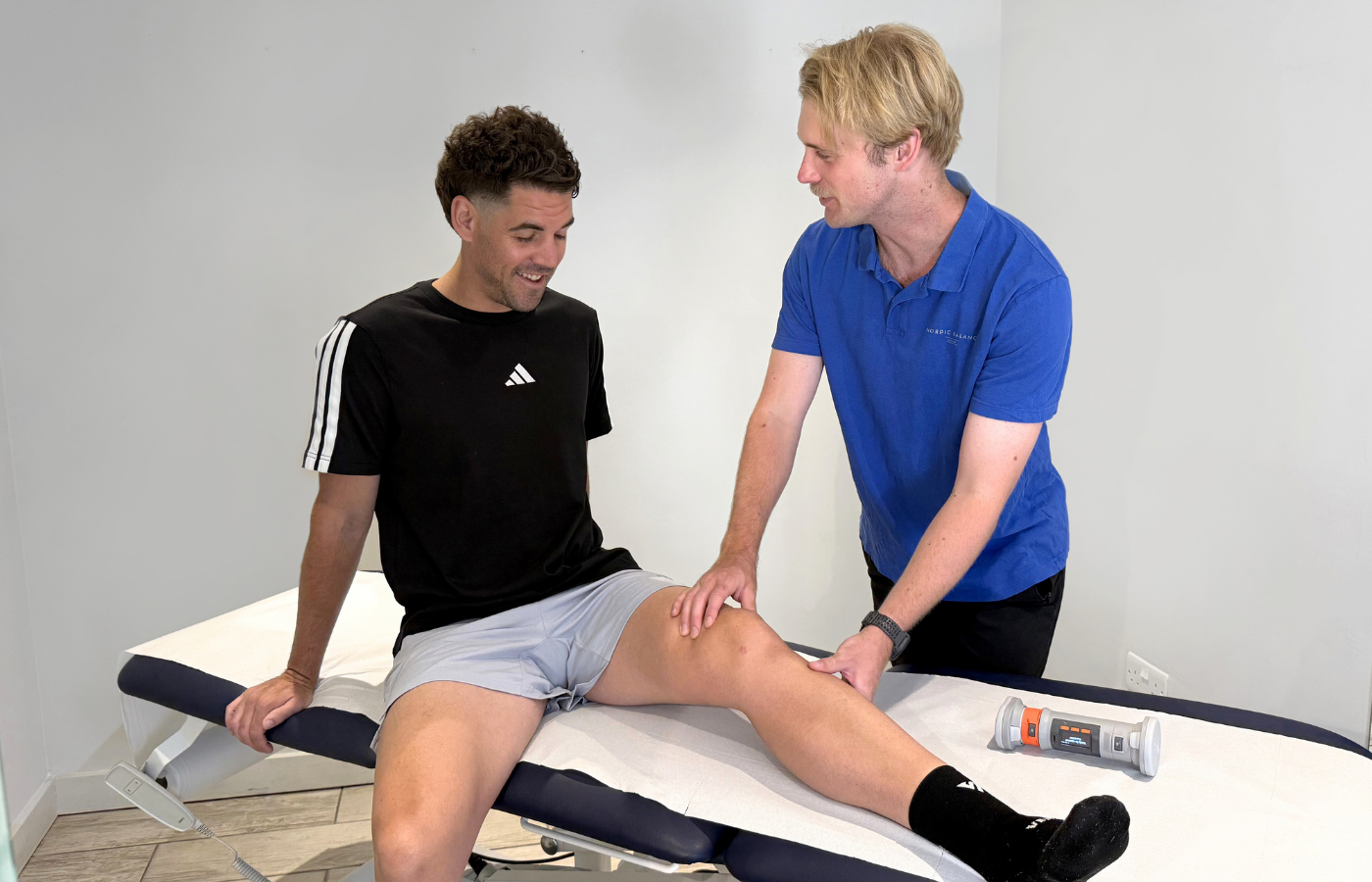
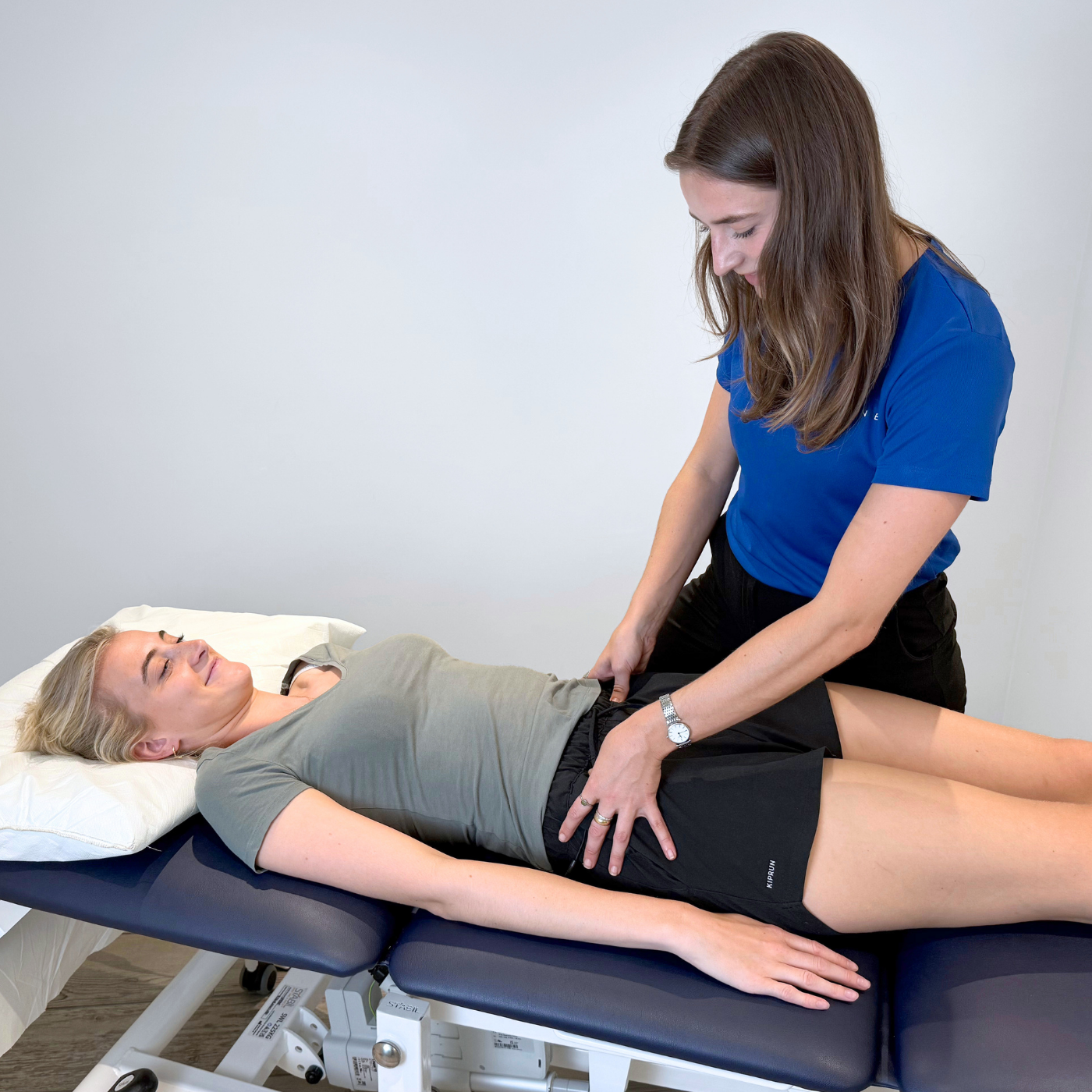
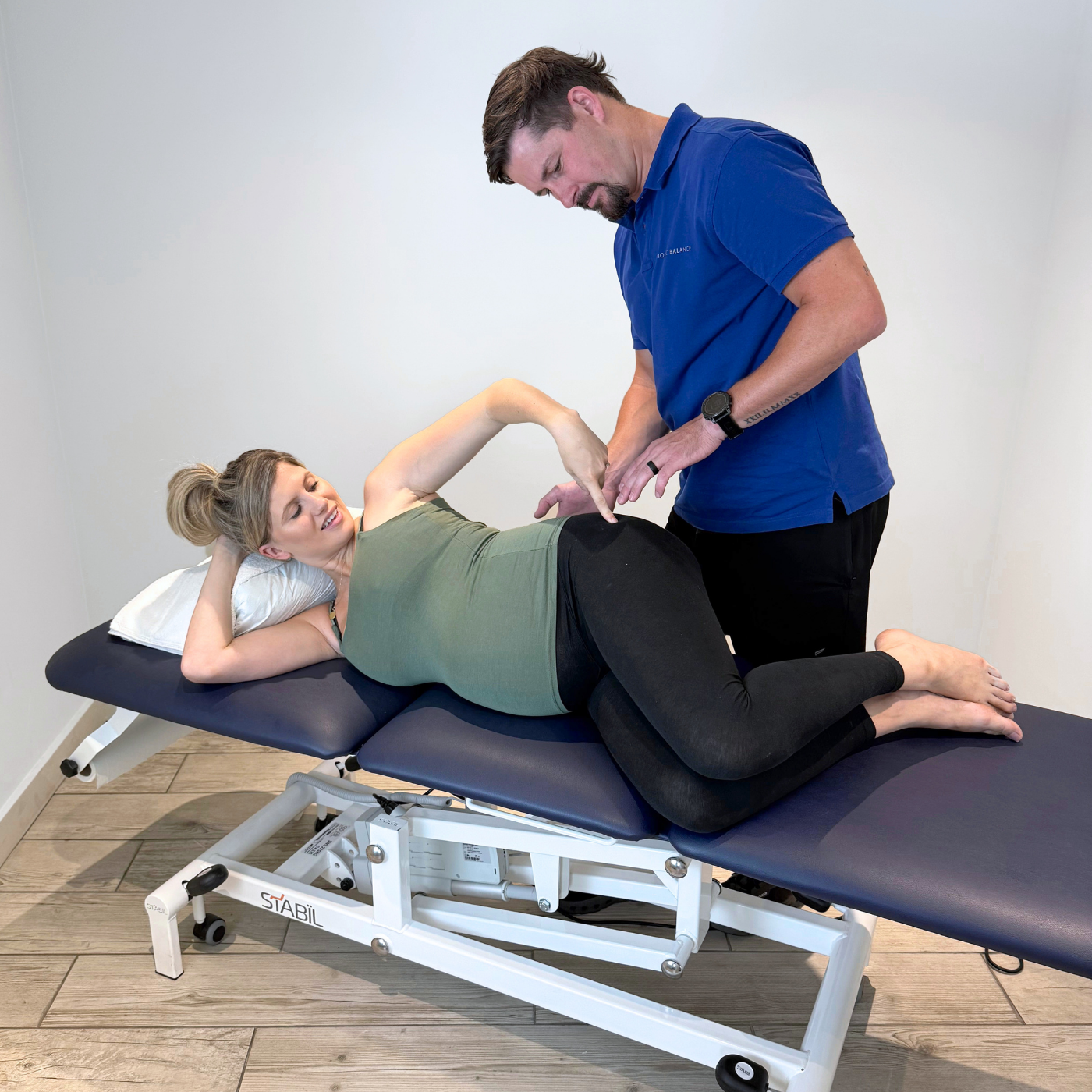
A physiotherapist can assess your child’s knee, strength and movement and provide exercises and activity advice based on their individual symptoms. They can also help your child work towards returning to their usual activities without unnecessarily avoiding movement or sport.
Nordic Balance physiotherapists work with children and adolescents experiencing musculoskeletal and sports-related problems, including knee pain. If your child is struggling with recurring knee pain, book an appointment with the Nordic Balance physiotherapy team for an assessment and personalised support.