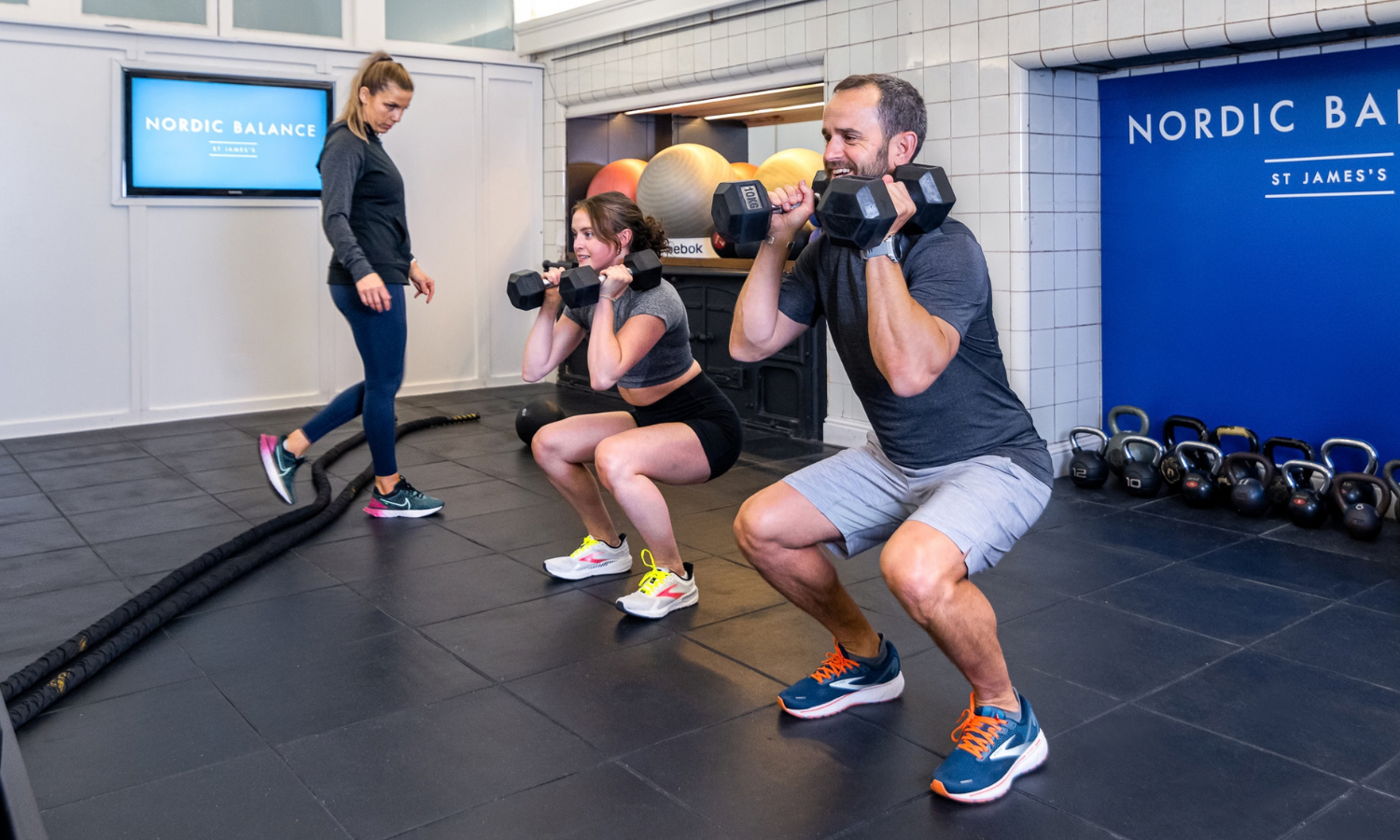

Progressive overload is one of the simplest training principles, but also one of the easiest to misunderstand. At its core, it means gradually increasing the demands you place on your body, so it has a reason to keep adapting. That might mean lifting more weight, completing more repetitions, improving your range of movement or progressing to a more demanding exercise. It doesn’t mean every workout needs to be harder than the last.
Used well, progressive overload gives your training direction. Instead of changing exercises constantly or adding weight simply because you feel you should, you can make measured changes based on how you are actually responding.
This guide explains how progressive overload works, when to increase the challenge and how to recognise when your body may need more time before you ask for more.
Progressive overload explained
Your body adapts to the demands you repeatedly place on it. An exercise that initially feels difficult usually becomes more manageable as your strength, coordination, and confidence improve. If the challenge never changes, progress will eventually slow because your body has already adapted to what you are asking it to do. Progressive overload introduces a little more demand so that adaptation can continue.
Adding weight is the most obvious example, but it is only one method. Completing another repetition with the same weight, moving through a greater range or controlling the exercise more effectively can all represent progress. The useful part is not simply making something harder. It is making it appropriately harder for where you are now. That distinction matters, because training that progresses too slowly may stop providing enough challenge, while increasing too much too quickly can leave you struggling to recover or unable to perform the exercise well.
Progress without adding weights
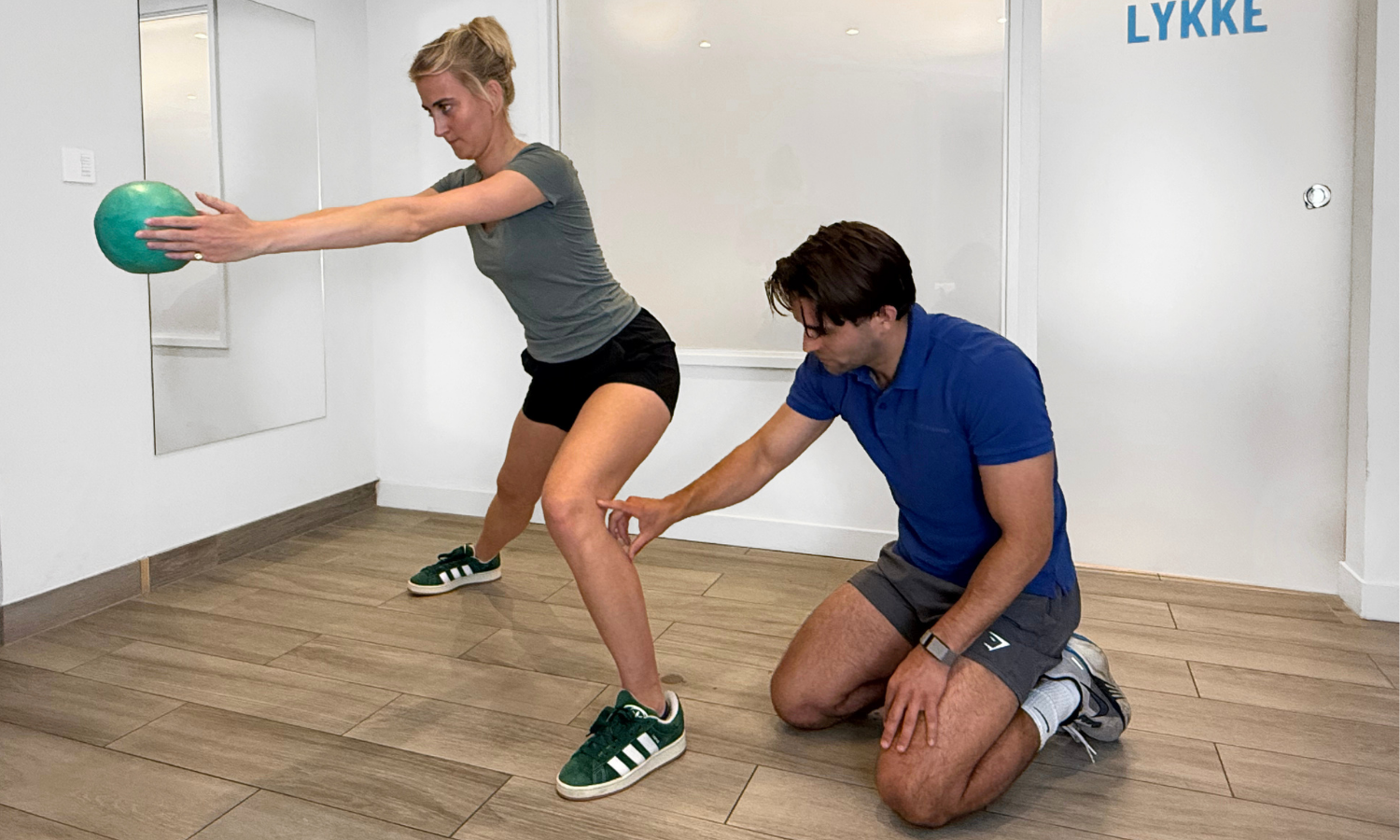
It is easy to think of progressive overload as adding another plate to the bar, but strength training gives you several ways to increase the challenge. You might complete more repetitions with the same weight, add another set, or gradually increase the range of motion through which you perform the movement. Slowing part of an exercise down can make the same weight much more demanding, while progressing from a supported exercise to a less supported variation can increase the strength and control required.
Improving movement quality counts too. If you can perform the same exercise through a better range, with more control and less compensation than you could a month ago, you have progressed even if the weight has not changed. The most useful approach is usually to change one or two things at a time. Increasing the weight, repetitions, sets and training frequency together makes it much harder to understand what your body is responding to.
When to increase weight
There is no universal timetable for adding more weight. A useful sign is that the current load has become consistently manageable across your planned sets and repetitions while your technique remains controlled. You should still feel challenged, but you should not need to shorten the movement, rely on momentum or dramatically change your technique simply to finish the set.
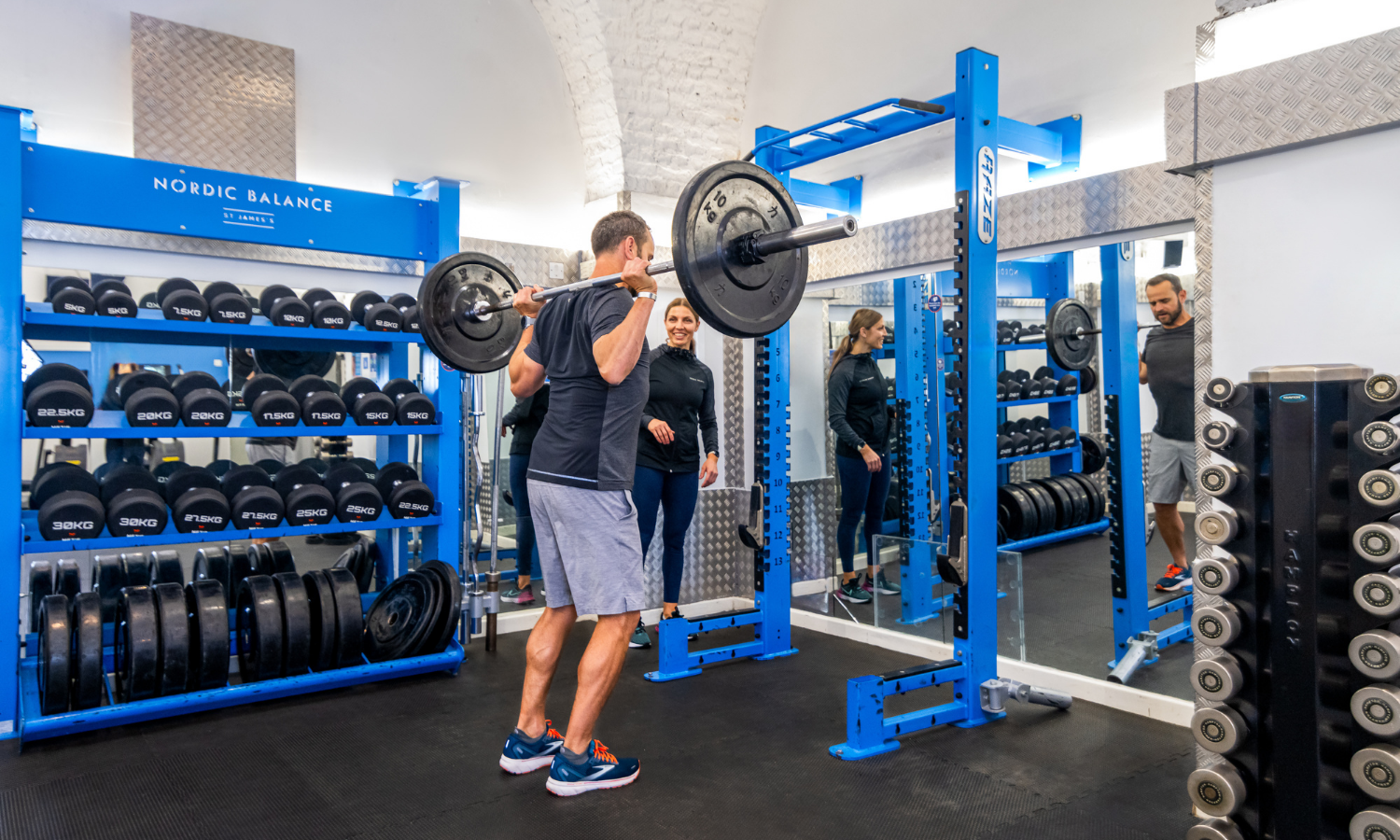
For example, if you have been performing three sets of eight squats with the same weight and can now complete them consistently with good control, a small increase in load may be appropriate. That increase does not need to be dramatic. Small, consistent progressions can add up to considerable changes over several months. Sometimes the right decision is not to add weight at all. If you are still improving your technique, rebuilding after time away or recovering poorly between sessions, consolidating what you are already doing may be more useful.
Signs your training load is increasing too quickly
Progressive overload works because your body needs time to adapt between increases in demand. If the challenge keeps rising faster than you can recover, training can start to feel progressively worse rather than better. Your technique may become less consistent, soreness may regularly interfere with the next session or weights that previously felt manageable may suddenly feel unusually difficult. You might also notice small aches becoming more persistent, your usual motivation dropping, or your performance declining across several sessions.
None of those signs automatically mean you need to stop training. They are useful feedback that the balance between training and recovery may need adjusting. Reducing the load, maintaining the same programme for another week or temporarily lowering the overall volume can sometimes be a better progression strategy than continuing to add more.
Managing a training plateau
Progress rarely follows a perfectly straight line. There will be periods when the weight on the bar stays the same or a particular exercise seems to stop progressing. That does not necessarily mean your programme has stopped working. Look at the wider picture first. You may be completing the same sets with better control, using a greater range of movement or recovering more comfortably afterwards. The exercise may feel easier even though the number in your training log hasn’t changed. Those improvements matter because strength is not represented by one number alone.
If progress has genuinely stalled over several weeks, consider which variable could change rather than simply adding more weight. You might adjust the repetitions, change the exercise variation, alter the overall training volume or spend some time working in a different load range before building again. A plateau is often a reason to review the programme, not abandon it.
Tracking your progress
Progressive overload becomes much easier when you know what you have actually been doing. A simple training record can tell you far more than relying on memory from one session to the next. Record the exercise, weight, sets and repetitions, along with anything that helps you understand how the session felt.
Over time, patterns become easier to see. Perhaps you are consistently completing more repetitions with a particular weight. Maybe an exercise that once felt very demanding now feels controlled. Or you may notice that performance drops every time several hard sessions are packed too closely together.
Tracking also stops progression from becoming random. Instead of arriving at the gym and deciding to add weight because you feel energetic that day, you can look at what you have been doing and make a more informed decision about what needs to change.
Recovery and progressive overload
Progress doesn’t happen through exercise alone. Training provides the stimulus, while recovery gives your body time to adapt. That means the amount you can sensibly progress depends on more than your gym programme. Sleep, nutrition, work, stress and the other physical activity in your week all influence how much training you can tolerate.
A demanding leg session feels very different if it sits alongside several runs, a football match and poor sleep than if it is the main physical challenge in your week. Looking at that total workload helps make progressive overload more realistic. Some weeks will be suited to increasing the challenge. During others, maintaining the same training and recovering well may be exactly what you need.
Progressive overload is not about proving that you can do more every time you train. It is about applying enough challenge to keep adapting, giving your body time to respond, and then building again when you are ready.
If you would like help structuring your strength training and knowing when to progress, our personal trainers at Nordic Balance St. James’s can build a programme around your experience and training goals.