

Neck pain & strain treatment
Get back to moving your neck freely and confidently.
Reclaim movement with expert treatment for neck pain
When neck pain persists, heat, ice, pain relief and rest can only take you so far. If it’s affecting how you move, work or exercise, speaking to a physio can help you understand what’s going on and what to do next.
Your physiotherapist can assess what’s contributing to your pain and create a clear plan using targeted exercises, hands-on treatment and, where appropriate, decompression techniques. The goal is to improve movement, strength and confidence so you can get back to what matters.
Not sure where to start? Book a free 15-minute online consultation with one of our London physiotherapists to discuss your neck pain and explore your options.
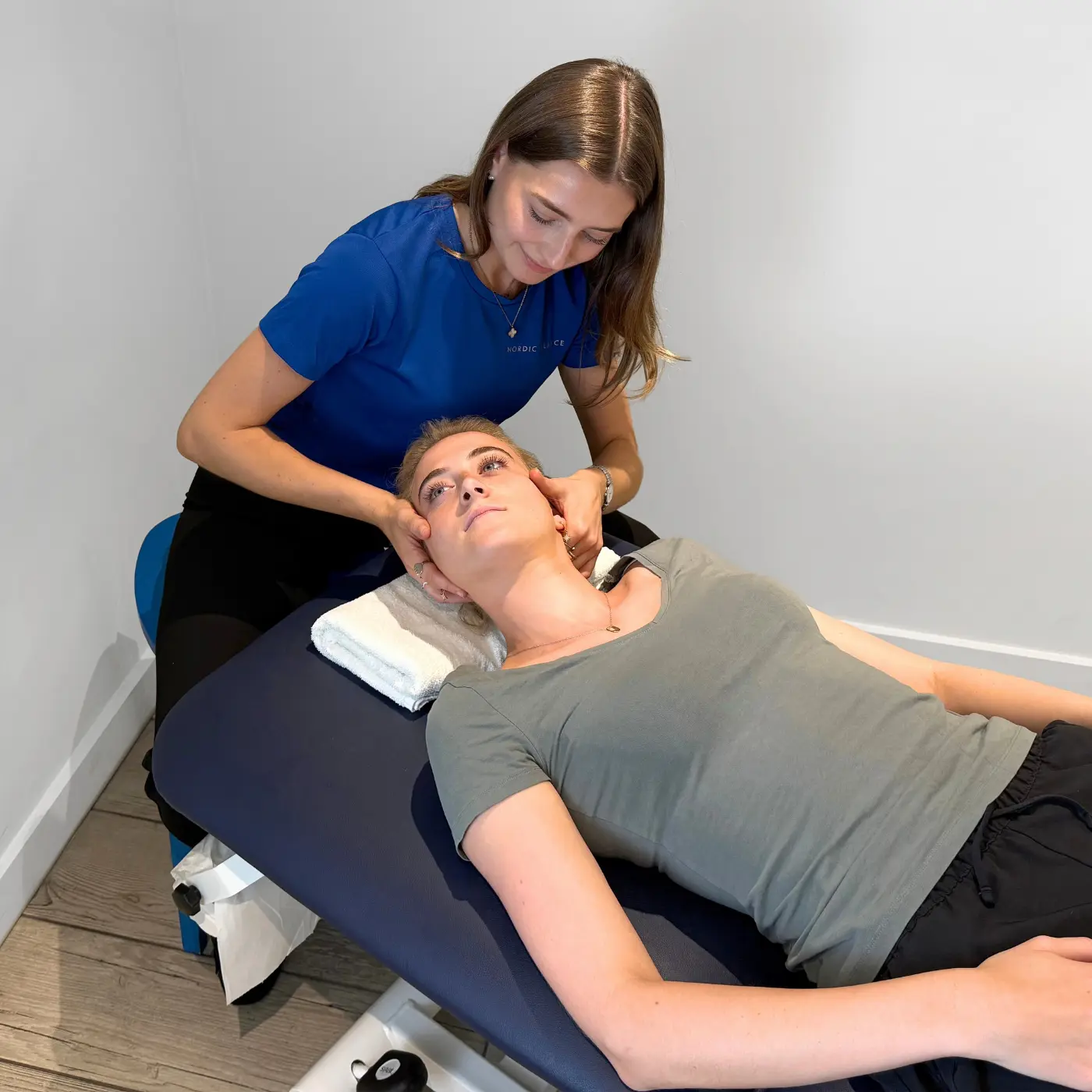


Debbie is very caring and thorough with
her curstions and treatment. I felt curiously better after her first session. Subsequent sessions have been thorough and productive. Very happy with the improvement.


Find the right support for your neck pain
Our clinical team of physiotherapists, chiropractors, and osteopaths can help you understand the causes of your neck pain and develop a clear plan to move more comfortably.
-
Back pain & sciatica
Ease pain and move more comfortably through sitting, sleeping and everyday activity. -
Cervical disc problems
Changes to a cervical disc can irritate surrounding nerves and cause numbness in limbs. -
Cervical spondylosis
Age-related changes in the neck can sometimes contribute to stiffness, pain or reduced mobility. -
Headaches
Address contributing movement and tension patterns to help reduce recurring headaches. -
Jaw tension
Reduce jaw tension and support more comfortable movement through the face and neck. -
Muscle strain and tension
Overuse, prolonged screen time or awkward sleeping can leave neck muscles sore and restricted. -
Neck & shoulder pain
Neck & shoulder pain: Reduce tension, improve neck movement and ease headaches linked to stiffness and strain. -
Neck stiffness
Ease persistent neck stiffness and tension affecting comfortable everyday movement. -
Post-exercise soreness
Help tired muscles recover between demanding training sessions. -
Restricted movement
Reduce muscular tightness that stops your body from moving freely. -
Whiplash or impact injury
A sudden jolt can strain neck tissues, causing pain, stiffness and reduced movement. -
Move more comfortably and get back to what you enjoy
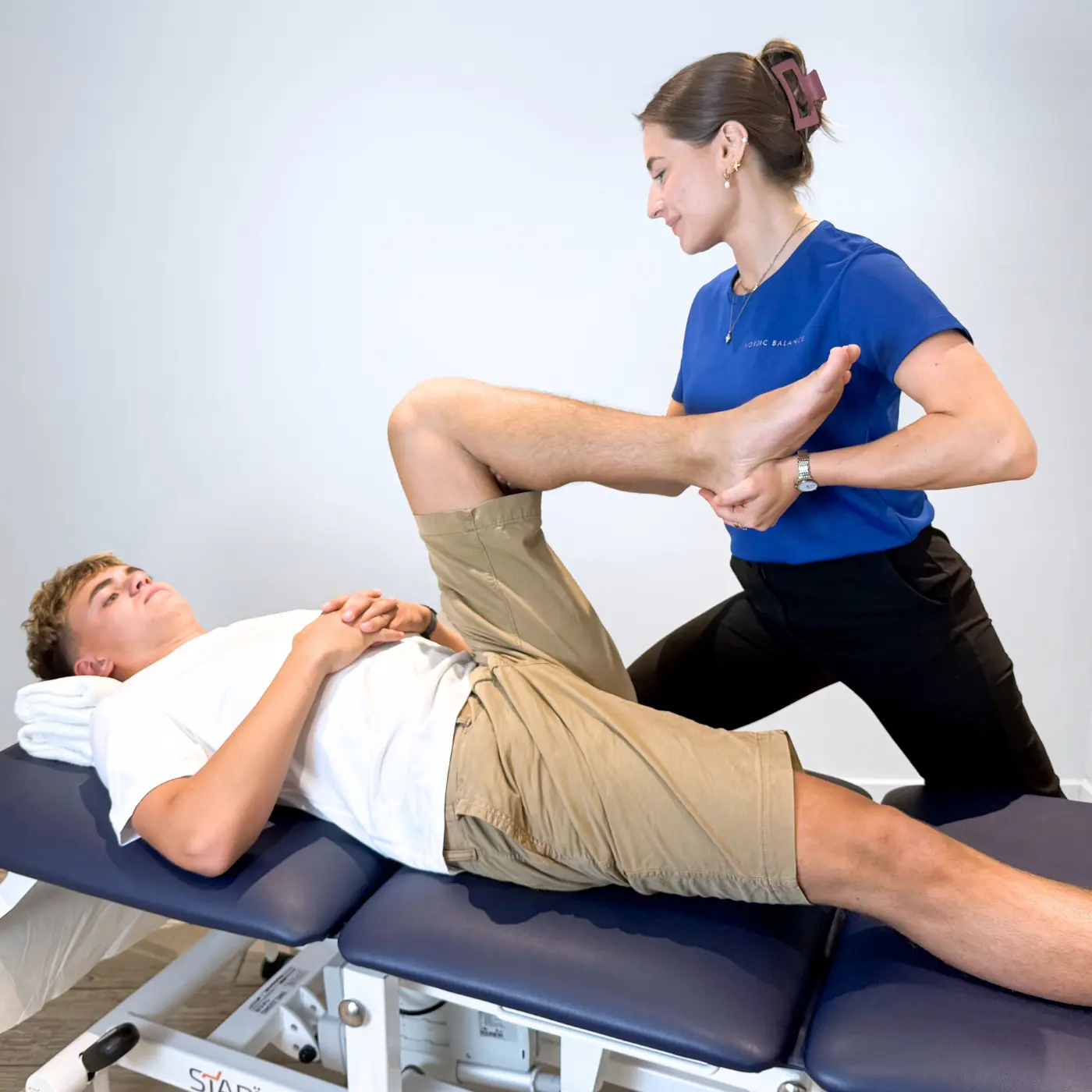
Clinical treatment like physiotherapy can improve how your neck moves and functions through hands-on treatment, targeted exercises, and practical advice. By assessing how your neck moves and what may be contributing to your symptoms, a physiotherapist can use targeted treatment and exercises to improve movement, strength, and flexibility, helping you get back to the activities that matter to you.
Speak directly with a Nordic Balance physiotherapist via a secure video call. We’ll take the time to understand what’s happened, assess your situation and give you clear, practical advice on how to move forward.
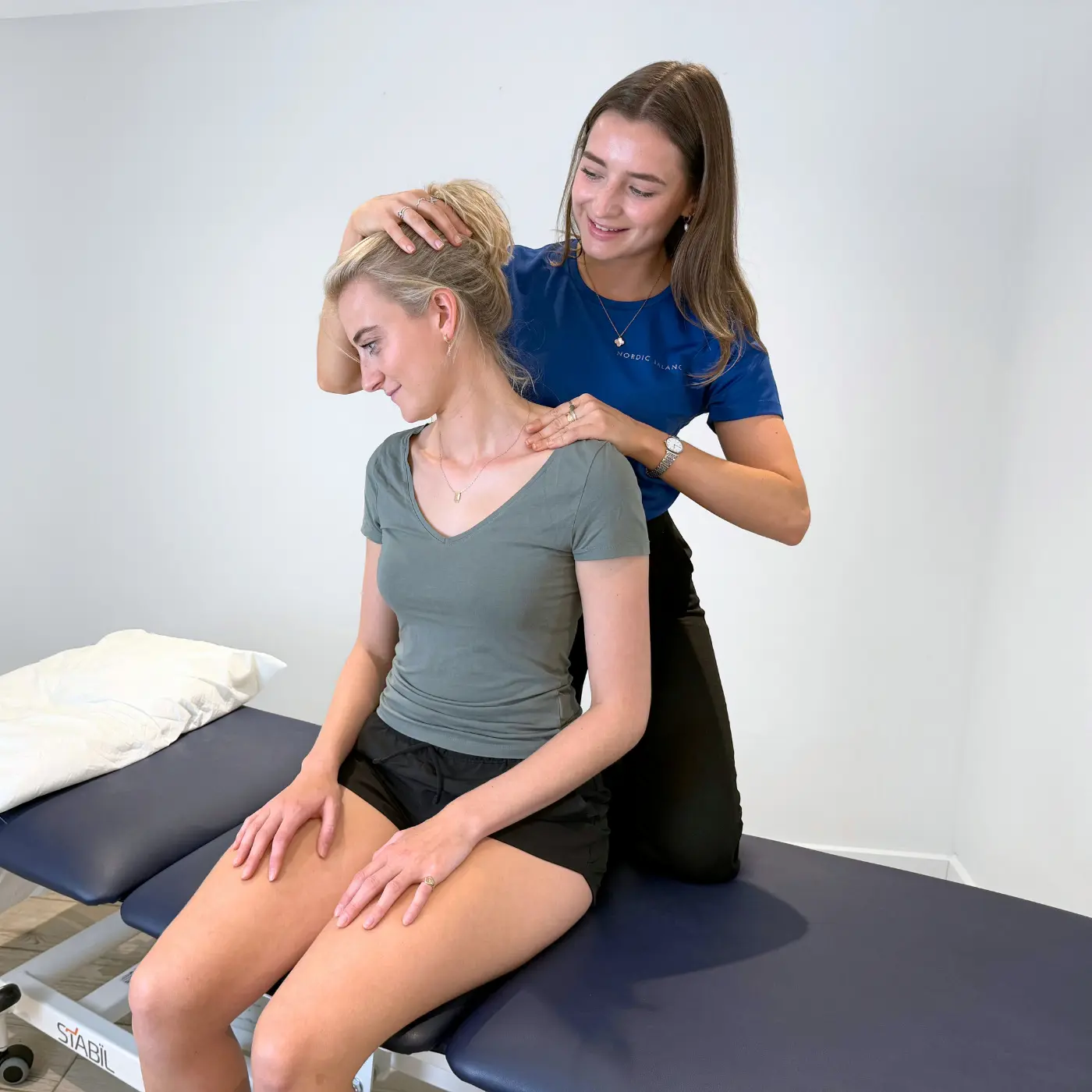
More ways to help you move comfortably
There’s no one-size-fits-all approach to neck pain. Our team brings together different areas of expertise, so you can find the right support for how you’re feeling, what you want to get back to and how you want to move.
Accepted health insurance providers





Neck pain clinics in Central and South West London
Find neck pain assessment and treatment near you at Nordic Balance clinics in St. James’s, Clapham, Wimbledon Village and Battersea.






Expertise on hand to help
-

Callum Bargh
View profile -

Louise Simon
View profile -

Daniel Sclater
View profile -

Simon Poole
View profile -

Debbie McEvoy
View profile -

Gregory Smith
View profile -

Laura Gray
View profile -

Courtney Phillips
View profile -

Jess Li
View profile -

Jorgo Bualli
View profile -

Michael Perrier
View profile -

Pooja Dhamapurkar
View profile -

Rebecca Nygren
View profile -

Sam Bolderson
View profile -

Samuel Jenkins
View profile -

Joy Tesan
View profile
Still have questions?
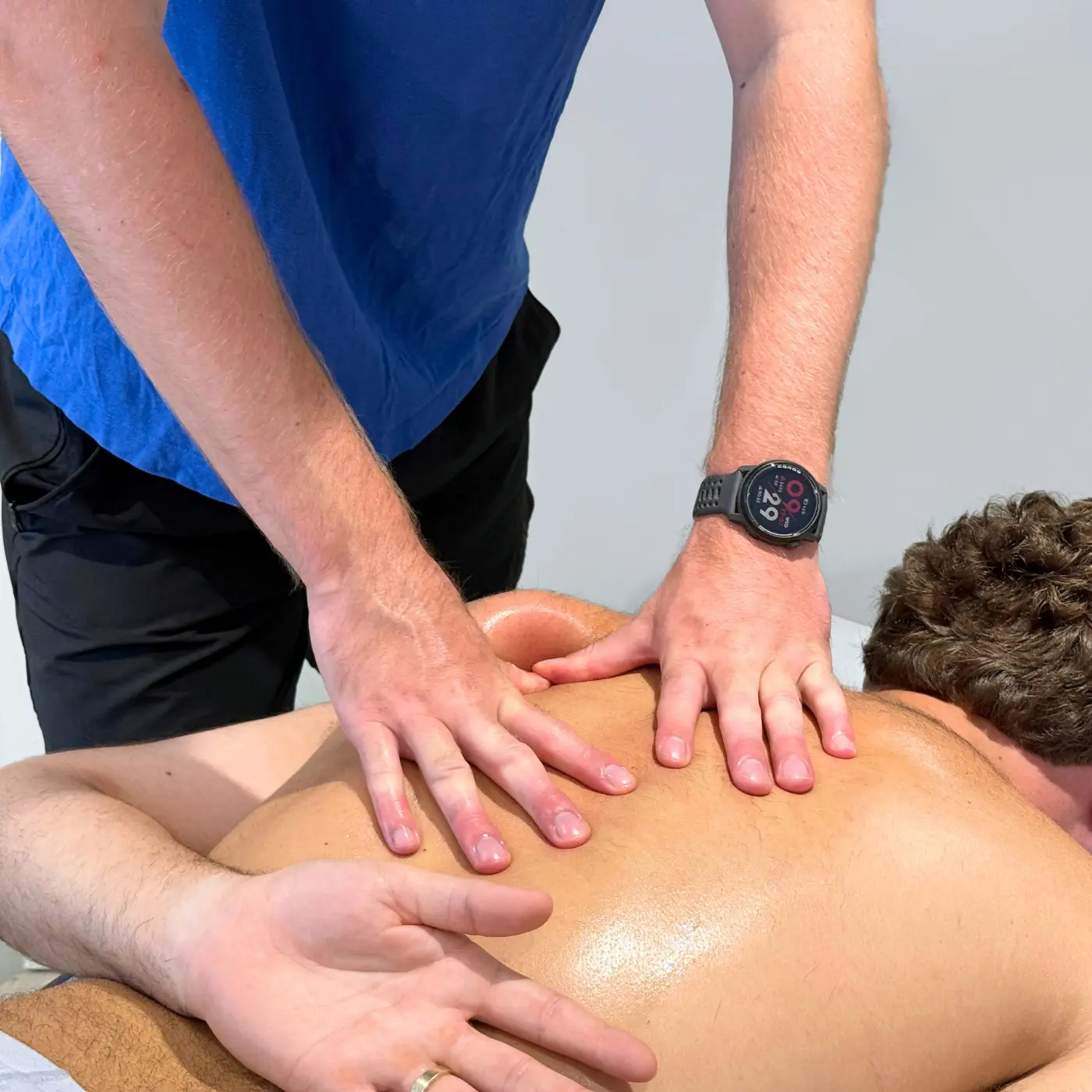
Yes, especially when muscle tension in the neck, shoulders, or upper back contributes to the problem. Sports massage can ease tightness and improve mobility. If your neck pain keeps returning, follows an injury, or includes arm symptoms, we recommend a clinical assessment first.
Long hours at a laptop can leave your neck and shoulders stiff, tired, and tense. Treatment can help ease that buildup, but we’ll also look at movement, work habits, and what your neck needs to handle a full workday, rather than simply telling you to “sit up straight”.
Recurring neck pain warrants a closer look. Instead of treating each flare-up in isolation, we assess what repeatedly stresses your neck and build treatment around improving movement, strength, and how well it handles work, training, and everyday life.
If your main problem is muscle tightness or tension, sports massage may be a good place to start. Physiotherapy is usually more appropriate when pain keeps returning, movement is restricted, the problem followed an injury, or you have symptoms such as tingling, numbness or weakness. If you’re unsure, we can help you choose.
The jaw, neck, and surrounding muscles work closely together, and clenching or grinding may sometimes accompany tension in the face, head, and neck. If both areas are bothering you, tell us at your assessment so we can look at the wider pattern rather than treating them as unrelated problems.
Neck and shoulder symptoms often overlap, so we don’t automatically treat them as separate problems. Your practitioner will assess how both areas move and identify what matters most for your symptoms.
Yes. If training leaves your neck or shoulders repeatedly tight or uncomfortable, treatment can help manage muscle tension while also reviewing the loads and movements involved. The aim is to keep you training where possible rather than simply telling you to stop.
That depends on what is causing the problem and how long it has been there. Some clients notice an early change in movement or discomfort, while recurring or longer-standing neck pain may need a more gradual approach. We’ll review how you are responding and only recommend further treatment when it is useful.
Begin your journey to recovery, today
Book your first appointment today and take the first step towards feeling better.